
Every so often, I see a product launch turn into a marketing lesson bigger than the product itself. Selena Gomez’s Rare Beauty did that with a new fragrance, but it was not only the scent that drew attention. The bottle became the story. Its accessible, easy-to-use packaging sparked conversation, earned praise from accessibility advocates, and reminded me how powerful inclusive design can be when it is built into the product from the start.
For me, the lesson is clear: accessibility is not a side note. It can become the campaign. One thoughtful design choice created cultural impact that would be hard to buy with media spend alone. It also showed why accessibility can build loyalty, strengthen brand reputation, support compliance, and drive measurable growth.
Accessibility as a campaign strategy
I do not see Rare Beauty’s accessibility work as a one-off moment. From packaging to pricing to its ongoing mental health advocacy, the brand has consistently made inclusivity part of its identity. That matters because consumers can usually tell when a brand is chasing attention versus when it is acting from a real strategy. They reward brands that lead with values and follow through.
Rare Beauty is not alone. I see leading brands across industries using accessibility as a differentiator, not a footnote. Apple often frames accessibility features as part of product innovation. Microsoft has brought inclusive design into mainstream campaigns, including adaptive gaming products that positioned accessibility as a source of creativity and connection. In fashion and retail, brands like Tommy Hilfiger and Unilever have put adaptive design into product launches and brand identity instead of treating it as a niche offering.
Studies from Edelman and McKinsey show why this shift matters. According to those studies, 73% of Gen Z choose to buy from brands they believe in, and 70% say they try to purchase products from companies they consider ethical. I do not see those as fringe preferences. I see them as mainstream expectations that should change how marketers build trust and growth.
The $18 trillion market marketers overlook
More than 1.3 billion people globally live with a disability. Together with their friends and family, they control more than $18 trillion in spending power, according to the Return on Disability Group. I believe marketers should view this as more than a compliance issue. It is a growth opportunity, a reputation opportunity, and a trust-building opportunity with one of the world’s largest and most passionate consumer groups.
That passion often turns into advocacy. In discussions with AudioEye’s A11iance Team, a group of individuals with disabilities who regularly share feedback on real-world accessibility experiences, one member said, “If I find a website that works and works very well for me, I will always recommend it to friends and family because I want people to have the same experience that I have.”
Another A11iance Team member, Maxwell Ivey, put it this way: “The cheapest form of advertising is word of mouth, and people with disabilities can have some of the loudest voices when we find people willing to make the effort. Because it’s that sincere effort over time that really counts with us.”
When accessibility becomes part of the customer experience, I see it create something media budgets cannot easily buy: trust and loyalty that scale through advocacy. But the reverse is also true. In a survey of assistive technology users, 54% said they do not feel eCommerce companies care about earning their business.
That should get every marketer’s attention. Too many brands are still fighting for the same crowded audience segments while overlooking a major opportunity in plain sight. When they do, they leave loyalty, advocacy, and revenue on the table.
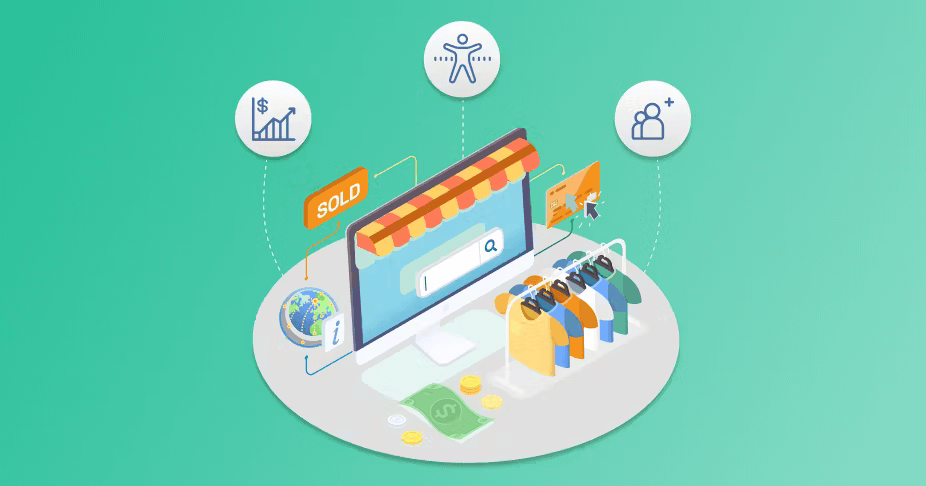
Here is where I see many brands stumble: accessibility often stops at the shelf. Marketers invest heavily in packaging, store displays, and product design, while digital experiences lag behind. Yet those digital experiences are often the first and most important touchpoints customers have with a brand.
As accessibility-led design earns more attention, loyalty, and earned media, the gap between physical product innovation and digital experience becomes harder to ignore.
AudioEye’s 2025 Digital Accessibility Index found an average of 297 accessibility issues per web page detectable by automation alone. Each issue can create friction in the customer journey, cost a conversion, or introduce compliance risk under frameworks such as the Americans with Disabilities Act (ADA) and the European Accessibility Act (EAA).
I would not launch a campaign without a brand review or a legal check. In the same way, I do not think any digital touchpoint should go live without an accessibility review.
Four moves marketing leaders can make
Too often, I see accessibility treated as a risk to manage instead of an advantage to use. The marketers who gain ground will be the ones who change that mindset. I would start with four practical moves.
1. Make accessibility your campaign hook
I would not hide accessibility in the fine print. I would lead with it. Brands like Rare Beauty have shown that inclusive design is the story. Build campaigns where accessibility is not an afterthought, but the differentiator that earns attention and loyalty.
2. Bake it into your brand system
Accessibility should not sit off to the side. I would make Web Content Accessibility Guidelines (WCAG) alignment part of the brand system, right alongside typography, logos, and tone of voice. When accessibility is documented and expected, it becomes easier to apply across every campaign.
3. Use data as your proof point
Marketers are storytellers, but numbers strengthen the story. I would track accessibility improvements such as fewer user-reported barriers, higher accessibility scores, stronger alt text, better color contrast, and more usable forms. Then I would connect those metrics to business outcomes like conversion, reach, and sentiment to show how accessibility drives ROI, not just compliance.
4. Protect accessibility like brand safety
I would treat accessibility with the same seriousness as brand safety. Every update, seasonal campaign, and product drop should be monitored for accessibility. Trust and reputation are too valuable to leave exposed.
The competitive advantage
Rare Beauty’s fragrance launch proved something important to me: when a brand leads with accessibility, the story can write itself. Loyalty builds more authentically, and momentum feels more natural because the value is real.
The larger opportunity is that many brands still do not see it. They continue to treat accessibility as a compliance checkbox when it can be a growth strategy.
For marketers, that is the wake-up call. Accessibility builds loyalty. It strengthens brand reputation. It supports compliance. And it can drive measurable growth across marketing efforts.
Rare Beauty showed how accessibility can capture attention at the shelf. Now I see the next opportunity clearly: making sure that same accessibility carries through online. When every touchpoint welcomes everyone, every campaign has a better chance to deliver its full impact.
Inspired by this post on Search Engine Land.

Leave a Reply