Tag: Ecommerce

  • Master Google Product Packs: Secrets to Outperform Competitors

    Master Google Product Packs: Secrets to Outperform Competitors

    When I search for products on Google, I’ve noticed significant changes to the results page. Now, product packs and scrollable carousels appear multiple times within a single results page, reshaping my shopping experience.

    As part of my ongoing journey to boost ecommerce visibility, I constantly analyze data. Recently, I’ve tracked searches presenting up to 60 individual organic product listings on one page. These premium placements increasingly mark the beginning of the purchase journey for many users.

    This transformation is gradual, and interestingly, I see many brands still adjusting their strategies. It’s crucial to revisit these changes because the opportunity for traffic through product packs is immense, with fierce competition. Today’s leading brands approach this differently.

    Thanks to Nozzle, I’ve delved into data from over 63,000 merchants across a wide array of ecommerce keywords from January 2025 to January 2026. Here’s what I discovered that really caught my attention.

    Defining Success: Appearances vs. Actual Traffic

    I found that just appearing in product packs and actually capturing traffic are two distinct achievements, and the difference between them can be substantial as the data shows.

    For instance, in this dataset:

    • eBay appears in product results for 874,621 keywords.
    • Home Depot has a similar presence, appearing for 831,699 keywords.

    However, the estimated traffic paints a contrasting picture:

    ```json
{
  "alt": "Selection of popular camping stoves with prices, distances, and retailer ratings.",
  "caption": "Explore a variety of top-rated camp stoves nearby, featuring brands like GSI Outdoors and VEVOR. Perfect for your next outdoor adventure!",
  "description": "This image showcases popular camping stoves available for purchase, featuring products like the GSI Outdoors Glacier Camp Stove priced at $34.99 from Canadian Tire and the VEVOR 80 inch Stainless Steel Stove at $116.90 from Amazon CA. Each product displays its distance from the viewer, price, retailer, and customer ratings, making it easier to find the perfect stove for camping needs. Keywords: camping stoves, GSI Outdoors, VEVOR, product comparison, outdoor gear."
}
```
    • eBay garners about 3.2 million visits from these pack appearances.
    • Home Depot, meanwhile, generates nearly 28.8 million visits from a slightly smaller keyword range.

    The secret? Quality position within the pack. Home Depot’s products consistently snag prime, visible, above-the-fold spots that attract shoppers’ clicks.

    For eBay, many keywords involve long-tail marketplace terms that dilute overall impact. Understanding Google’s use of product packs to drive purchase decisions for common goods is crucial for brands aiming to compete effectively in this space.

    • For marketers: Dissecting product pack performance means wisely segmenting data, focusing on categories with significant search volumes to optimize visibility within the packs. That’s how to pinpoint where the genuine opportunities lie.

    The Critical Gap: Distinguishing Product Pack Visibility

    Product carousels scroll horizontally, increasing exposure for the first few slots, while listings tucked further back remain unseen. This distinction is crucial for assessing true reach.

    Disparities among major retailers further illustrate this point:

    • REI has a massive catalog of 3.8 million products, yet 1.52 million of these require scrolling before they are visible.
    • Walmart finds itself in a similar spot, with 1.29 million of its 3.5 million unique products are relegated to non-visible placements.

    Even industry titans often miss out on optimal visibility, skewing the perceived benefits of their presence. Analyzing visible versus non-visible appearances is essential for identifying where optimizing product data and feeds can yield substantial returns.

    • For CMOs: When using total product pack appearances as a metric, it’s wise to ask how many of those appearances are truly visible. Understanding this ratio better reflects the channel’s contribution to the business.

    Does Discounting Drive Product Pack Visibility?

    It’s a common belief that discounted items might secure better placement in Google’s product packs. However, data from the top 10 merchants doesn’t necessarily support this notion.

    ```json
{
  "alt": "Bar chart illustrating visibility and discount rates for various retailers like eBay, Amazon, and Walmart.",
  "caption": "Dive into the nuanced relationship between product pack visibility and discount strategies across major retailers, from Amazon to eBay.",
  "description": "This image features a bar chart analyzing the visibility and discount rates of various retailers, including eBay, Walmart, Amazon, and more. Visibility rates are shown in black, while discount rates are depicted in gold, highlighting a unique relationship between these metrics. The chart presents each retailer's data side by side, providing clear insights into how pricing strategies influence product visibility on major platforms."
}
```
    • Amazon.com leads the pack with 49% of its catalog discounted, achieving a 72% visibility rate, placing it squarely mid-tier.
    • eBay, on the other hand, discounts only 8% of its products yet matches the highest visibility rate in the dataset at 81%.
    • Walmart Seller discounts 24% of its items, reaching 81% visibility, while Walmart itself discounts 27% but ranks lower at 62% visibility.

    This irregularity indicates that discounting is just one of many factors. It doesn’t solely determine a product’s chance of securing a prominent spot. Feed quality, category relevance, reviews, and image standards wield greater influence.

    • For retail teams: If your strategy for product packs relies heavily on promotions, you might need to pivot. The current landscape favors strategies aligned with where purchasing decisions occur over sheer pricing tactics.

    Specialist Brands Competing with Giants and Winning

    A refreshing realization from this data is that product pack success isn’t exclusive to the retail giants. Specialist brands, leveraging focused expertise, compete exceptionally well against far larger competitors.

    • Camp Chef, for instance, appears in results for 155,299 keywords—just a small fraction of Walmart or eBay’s footprint—yet it pulls in an estimated 2.6 million visits, thanks to advantageous product placements.
    • Brands like Fellow, expanding into niches such as high-end coffee makers, find opportunities for growth through strong organic channels.

    These brands achieve impressive product pack traffic against much larger rivals because they prioritize category relevance and high-quality product feeds over sheer scale.

    For brands traditionally overshadowed in traditional SEO, product packs present a chance to compete on a more level field. Detailed product data, competitive prices, quality imagery, and favorable reviews can supersede a larger competitor for crucial category keywords.

    • For agencies: This channel awards dedication and quality over brute scale. Brands with depth in a category can translate that expertise into superior product pack performance, outpacing broader competitors.

    Staying Informed on Product Pack Visibility Shifts

    Examining the entire dataset, I noticed a consistent pattern: nearly all merchants experience shifts in product pack visibility throughout the year.

    Brands holding strong positions during parts of the year sometimes see fluctuations as Google adjusts how it surfaces product results. Some grew steadily midyear only to recede in Q4, while others surged during promotions before reverting to previous levels.

    ```json
{
  "alt": "Screenshot of a Google search showing high-end coffee makers with prices and ratings.",
  "caption": "Discover the top high-end coffee makers on the market, complete with prices, ratings, and store availability for your ultimate brewing experience.",
  "description": "This image shows a Google search result for 'high end coffee maker' displaying various coffee maker products. Each listing includes the product image, name, price, user ratings, and store details such as 'Nearby' or delivery options. Brands include Fellow, Jura, De'Longhi, Technivorm, and Breville. Notable items include the Breville Oracle Dual Boiler Espresso Machine priced at $2,999.95 and the Jura GIGA 10 Automatic Coffee Machine at $5,499.00. This setup is ideal for luxury coffee aficionados seeking top-tier brewing options. Keywords: coffee maker, high-end, luxury, prices, ratings, brands."
}
```

    This fluidity is typical of the channel. Google regularly updates its criteria for product pack placements, influenced by factors like feed quality, product availability, review counts, pricing, and images.

    The brands thriving are those with sustained visibility into performance, staying agile and responsive to changes before they impact revenue.

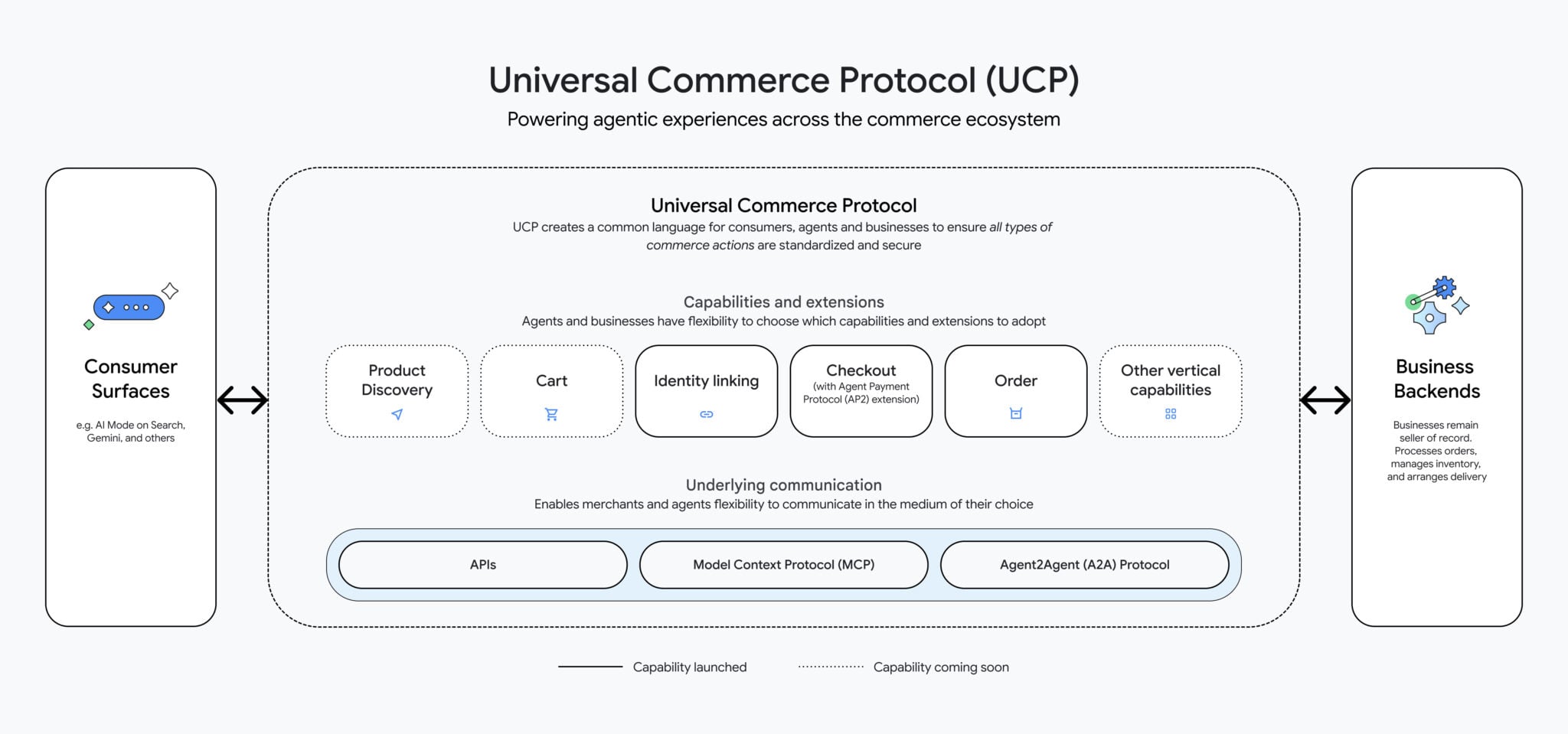
    With Google’s future announcements and AI integration like Gemini 3 looming, the foundational structure of product packs will shift, influenced by agentic commerce and the Universal Commerce Protocol.

    As Google navigates balancing paid and organic visibility, a two-tiered search economy emerges. Securing AI Overview citations becomes vital for brand recognition, impacting both organic and paid product pack performances.

    The Bigger Picture

    Google’s product packs have morphed from merely supplementary to pivotal touchpoints in commercial searches.

    The extensive Nozzle data analysis of over 63,000 merchants reveals that competition is already fierce in this domain. Leaders are distancing themselves, and the gap between attentive and indifferent brands manifests tangibly in traffic and revenue disparities.

    The silver lining is that the essentials for success in this space are accessible to most brands: robust product data, strategic pricing, high-quality creative, and vigilant monitoring.

    These require not a colossal budget but focus, the right tools, and asking the right strategic questions within the right organizational levels.


    Inspired by this post on Search Engine Land.


    crushpress.ai community screenshot
  • Transforming Retail Ads: ChatGPT Now Powers Product Feed Ads

    Transforming Retail Ads: ChatGPT Now Powers Product Feed Ads

    I recently discovered a fascinating development from OpenAI that has the potential to revolutionize e-commerce advertising. They’ve started transforming product catalogues into automated ads within ChatGPT, allowing retailers to seamlessly scale their campaigns.

    Retailers now have the option to connect their product feeds directly to ChatGPT. This integration means that the platform can generate ads automatically, using product names, images, and other attributes. Gone are the days of manually crafting campaigns!

    For users, these ads will still appear beneath responses and remain clearly labeled as sponsored content. There’s no change here in terms of user experience.

    As someone interested in how e-commerce brands operate, I’m intrigued by this update. It significantly reduces the barriers that retailers with large inventories face when running scaled ads.

    Brands have the flexibility to establish rules on which products are featured, allowing the system to efficiently generate ads. It reminds me of how shopping campaigns function on platforms like Google, leveraging structured feeds for both organic and paid visibility.

    Previously, ChatGPT could use product data for answering queries but not for advertising purposes. Now, with this advancement, the same data supports both functions, bridging the gap between organic presence and paid campaigns.

    This shift signals how OpenAI is looking to monetize shopping. Instead of taking a slice of transactions, they’re targeting ad budgets typically spent on platforms like Amazon and Meta.

    Industry analyst Debra Aho Williamson calls this shift to feed-based automation a necessity, highlighting ChatGPT’s unique approach to serving ads based on conversational intent, a distinct advantage.

    According to ad tech partners like StackAdapt, the integration with existing feeds is straightforward, easing the adoption process.

    This latest move is part of a series of updates that focus on performance, including cost-per-click bidding and new conversion tracking tools. Cost-per-action models are reportedly in development, suggesting an even deeper focus on performance advertising.

    I’m eager to see more retailers experimenting with ChatGPT as a performance channel. The ease of setup might make this an attractive option, but the real test will be if conversational intent can drive conversions as efficiently as traditional methods.

    The bottom line is that OpenAI is effectively turning product feeds into ads, making ChatGPT a more potent, scalable channel for e-commerce advertising.


    Inspired by this post on Search Engine Land.


    crushpress.ai community screenshot
  • Unlock PPC Success: The Power of Business Data in AI Agents

    Unlock PPC Success: The Power of Business Data in AI Agents

    I’ve noticed it’s not uncommon to come across articles proclaiming that AI agents are about to revolutionize Google Ads, SEO, or social media. Initially, these AI agents seem promising, at least in theory.

    But when I dive deeper into what data these agents actually utilize, it’s almost always platform-native. For Google Ads, this translates to impressions, clicks, conversions, and ROAS.

    This simplistic approach is why PPC AI agents often stumble right from the start. If they only have platform-specific data, managing true marketing strategies becomes impossible.

    Why Many PPC Agents Are Just AI Assistants

    Many tools labeled as PPC agents are mostly AI assistants, focusing on tasks such as:

    • Generating various headline options
    • Describing product images for Responsive Search Ads
    • Drafting CTAs for Performance Max asset groups

    While these tasks are beneficial in freeing up time, they’re not quite the PPC agents they claim to be—they’re just dressed up generative AI tools.

    A true PPC agent operates directly on an ad account by analyzing performance data and making strategic decisions, like adjusting budgets and optimizing campaign structures based on informed insights.

    How AI Agents Create a Closed Loop

    Google Ads has a limited view of your business data, causing AI agents to often optimize a closed loop focused solely on improving platform metrics, which may negatively affect business performance.

    For instance, Google Ads doesn’t know specifics like average deal size or which products have high margins. This ignorance can lead to suboptimal decisions.

    ```json
{
  "alt": "The CapmatchOne logo with a gradient circle and bold text.",
  "caption": "Discover innovation with the CapmatchOne logo, featuring sleek typography and a modern gradient circle.",
  "description": "The CapmatchOne logo features bold, modern typography coupled with a gradient circle, symbolizing connection and innovation. The sleek design conveys a sense of progress and creativity. This image can be used for branding or promotional purposes, appealing to audiences interested in innovative solutions and forward-thinking designs."
}
```

    Performance Max: A Precursor to AI Challenges

    This conundrum isn’t new. PMax campaigns already demonstrated the pitfalls without adequate data, as they often optimized towards the wrong goals without necessary business insights.

    PPC Agents Risk Misalignment Without Business Data

    AI agents exacerbate the speed at which misaligned strategies can cause harm. Even the best systems need backend business data to make informed decisions, just as your agent would.

    3 Essential Types of Business Data for PPC AI Agents

    To enhance PPC agent performance, integrating CRM, product, and operational data is crucial.

    1. CRM Data

    CRM data is vital for understanding lead values beyond mere conversion counts. You can bridge this gap with offline conversion tracking or direct CRM access for a deeper analysis.

    2. Product Margin Data

    Understanding product margins is essential for eCommerce success. This data should come from supplementary feeds or direct backend connections, allowing for more strategic budget allocations.

    3. Operational Data

    Operational signals, like fulfillment capacity, also impact decision-making. Effective coordination and data flow help prevent suboptimal choices that might appear beneficial only theoretically.

    Questions to Ask Before Building a PPC AI Agent

    Before developing a PPC AI agent, pinpoint the essential business data required to optimize campaign performance, starting with OCT and progressing to direct CRM links for comprehensive insights.

    Ultimately, the challenge isn’t building the agent but integrating it seamlessly with business realities for genuine value extraction.


    Inspired by this post on Search Engine Land.


    crushpress.ai community screenshot
  • Unveiling JavaScript SEO Secrets from Leading Ecommerce Sites

    Unveiling JavaScript SEO Secrets from Leading Ecommerce Sites

    JavaScript SEO seems like it should be a cinch by now, doesn’t it? Yet, here we are with persistent challenges that e-commerce sites continuously face. After five years of grappling with issues like crawling, rendering, and indexing, coupled with the complexities of headless builds and AI-powered recommendations, it’s clear we still have a ways to go. However, some top-tier ecommerce sites have cracked the code. Their innovative approaches offer invaluable lessons in maintaining organic visibility while shipping fast, modern JavaScript experiences. Let me share these five insights with you.

    Chewy is a giant in the U.S. pet food and supplies online retail space. They’ve harnessed the power of Next.js, a React framework, to seamlessly integrate server rendering, static generation, and full-stack development into their operations. Imagine visiting a product page like the Benebone Wishbone Chew Toy. Here, everything you need—product title, description, pricing, reviews, Q&A, and breadcrumb navigation—is already embedded in the initial HTML. This means Googlebot can access this information right away, without having to wait for JavaScript to render. This approach reduces the risk of rendering issues, especially significant with the rise of AI chatbots that still don’t handle JavaScript efficiently. While not all content needs to be on the initial load, like the ‘Compare Similar Items’ carousel meant for user engagement, Chewy perfectly balances what’s essential for indexing with user experience enhancements.

    ```json
{
  "alt": "Chewy site displaying a Benebone Bacon Flavor Wishbone Dog Chew Toy, priced at $9.99.",
  "caption": "Check out this Benebone Bacon Flavor Wishbone Dog Chew Toy available on Chewy for just $9.99! Perfect for keeping your dog entertained and their teeth healthy.",
  "description": "The Chewy website features a Benebone Bacon Flavor Wishbone Tough Dog Chew Toy, available in Medium size and priced at $9.99. Highlighted with a 4.5-star rating from over 11,646 reviews, the toy is designed for durability and dental health. Free delivery is offered on orders over $35, and a $20 eGift card is available for first-time customers spending $49 or more. The page includes options for autoship discounts, sizing selections, and easy delivery scheduling, making it convenient for pet owners."
}
```

    Switching gears to Myprotein, this brand masters the art of making navigation easily crawlable. Using Astro, a content-first framework, their site ships zero JavaScript by default and includes components that support React, Vue, or Svelte, making their SEO strategy a prime example to study. By ensuring all navigation links are present in the initial HTML response, Myprotein leverages Astro’s island architecture to hydrate these elements with JavaScript interactively. Crawlers like Googlebot can thus easily discover and process these links since they use proper anchor elements with href attributes. This proactive strategy prevents navigation from being invisible or empty during searches, thereby preserving efficient crawlability.

    ```json
{
  "alt": "HTML code snippet displaying product details for a dog chew toy.",
  "caption": "Peek behind the scenes at the HTML structure detailing a popular bacon-flavored dog chew toy.",
  "description": "This image captures a snippet of HTML code showcasing the product details for a Benebone Bacon Flavor Wishbone Tough Dog Chew Toy, Medium. It highlights elements such as product names, ratings, links, and navigation properties. This code indicates its presence on a retail website, providing key classifications and linking to reviews and manufacturer details, useful for web development insights and SEO analysis."
}
```

    Harrods, renowned for luxury goods, ensures their structured data delivers in the HTML’s initial response. By embedding structured data using the Product schema within the HTML directly, Harrods guarantees that Google can parse this data right from the first crawl, without waiting for page rendering. This foresight prevents client-side dependencies and ensures Google has immediate access to important data like pricing and availability, which is critical due to frequent updates in product details.

    ```json
{
  "alt": "Comparison chart of dog chew toys featuring Benebone and Nylabone products with prices and reviews.",
  "caption": "Discover the perfect durable chew toy for your canine companion with these top-rated options from Benebone and Nylabone, designed for medium and small breeds.",
  "description": "This image displays a comparison of various dog chew toys from Benebone and Nylabone. Products include flavors like bacon and peanut butter, designed for medium and small breeds. Prices range from $9.69 to $12.78, with customer ratings visible. Each product is marked 'Made in United States' and offers a handy 'Add to Cart' option. Ideal for those seeking durable and flavorful chew toys for dogs."
}
```

    Over at Under Armour, the elegance of their faceted navigation shines. Built on Next.js like Chewy, Under Armour ensures filters on category pages are fast, interactive, and SEO-friendly. When shoppers apply filters, the product grid seamlessly updates without a full reload, leveraging client-side updates while maintaining clean, readable URLs that Google can index effectively. By avoiding hash fragments and bracketed query strings, these URLs become shareable and bookmark-friendly, thus enhancing both user experience and SEO performance.

    ```json
{
  "alt": "The CapmatchOne logo with a gradient circle and bold text.",
  "caption": "Discover innovation with the CapmatchOne logo, featuring sleek typography and a modern gradient circle.",
  "description": "The CapmatchOne logo features bold, modern typography coupled with a gradient circle, symbolizing connection and innovation. The sleek design conveys a sense of progress and creativity. This image can be used for branding or promotional purposes, appealing to audiences interested in innovative solutions and forward-thinking designs."
}
```

    Finally, Manors Golf demonstrates SEO prowess by efficiently managing third-party scripts on their site. Utilizing Shopify’s Hydrogen framework, they cleverly defer scripts using async attributes, ensuring they don’t block the initial rendering process. This tactic not only protects the Largest Contentful Paint (LCP) metric but also eases Google’s rendering workload, contributing to a robust SEO strategy.

    ```json
{
  "alt": "Navigation bar of MyProtein website showcasing categories like Protein and Supplements.",
  "caption": "Explore the diverse range of categories on MyProtein's navigation bar, from trending items to sports nutrition staples.",
  "description": "This image displays the navigation bar from the MyProtein website. Featured categories include Trending, Protein, Creatine, Supplements, Bars, Food & Snacks, and more. The search bar is prominently placed. The image is vital for understanding how users can access different sections of the site quickly. Keywords: MyProtein, navigation, protein, supplements, e-commerce."
}
```

    The secret isn’t in using JavaScript itself but in how it’s used. When JavaScript serves to enhance rather than deliver the core functionality and content, it paves the way for an excellent user experience while preserving SEO integrity. These lessons from major e-commerce players are testament to the delicate balance between interactivity and search engine crawlability.

    ```json
{
  "alt": "HTML code snippet with navigation links for nutrition products.",
  "caption": "Explore the nutritional products featured in this HTML snippet, including creatine and protein drink options.",
  "description": "This image shows an HTML code snippet from a website, highlighting navigation links for various nutrition products. The links include Creatine, Clear Protein Drinks, and Bundles, directing users to specific product categories. The CSS classes suggest design styling and user interaction, such as 'hover:underline' for link emphasis. Useful for web developers and SEO specialists studying navigation structure and link optimization."
}
```

    Inspired by this post on Search Engine Land.


    crushpress.ai community screenshot
  • China’s Search Evolution: Navigating the 2026 SEO Shift

    China’s Search Evolution: Navigating the 2026 SEO Shift

    In February 2025, I watched a captivating display as humanoid robots graced the CCTV Chinese New Year stage. Although their steps were shaky, it was still delightful to witness.

    A year later, these robots at the Spring Festival Gala had transformed, executing smooth moves, somersaults, and full kung fu routines. This rapid progression felt like a decade’s worth of technological advancement condensed into one year.

    The technological leap wasn’t limited to robots. It raised a crucial question for digital marketers targeting the largest web population: How have China’s search trends evolved recently?

    A parallel in the Chinese search landscape

    We’re seeing early signs of a major shift. AI hasn’t replaced traditional search engines yet. Instead of a single breakthrough, change comes from consistent, subtle advancements.

    New language models frequently emerge, each refined for a specific niche. Tech companies in China are increasingly sharing these developments openly, with players like Baidu integrating advanced models like DeepSeek into their platforms.

    To understand the current search behaviors in China, we need to grasp the shift from simple link searches to more reasoning-based approaches and adjust our 2026 SEO strategies accordingly.

    The great narrative fallacy: Is web search dead in China?

    There’s a persistent narrative in marketing circles that traditional search, especially on Baidu, is obsolete — that everything is happening on platforms like WeChat. But how true is this?

    The social supremacy argument

    Indeed, China’s web is mobile-first and dominated by super-apps. While social media is pivotal, it’s not the sole avenue for B2C brands aiming to thrive amidst such a vast, versatile environment.

    For instance, platforms like Xiaohongshu excel in lifestyle research, while Pinduoduo and Douyin are social commerce powerhouses. Meanwhile, WeChat is indispensable for everyday tasks.

    The B2B reality check

    For B2B sectors, dismissing Baidu is a mistake. Metrics show ongoing engagement and tangible results from Baidu SEO, often outshining Western counterparts in lead quality and conversion rates.

    When B2B professionals seek industrial solutions, they prioritize verified websites over endless scrolling on social media apps, indicating an undying need for structured web searches.

    Mapping the 2026 landscape: Intent-based specialization

    As someone deeply integrated into the Chinese market, I’ve noticed that users select tools based on intent rather than defaulting to search engines. It’s an everyday occurrence here.

    While optimizing for Baidu, others in my circle might be using Pinduoduo for deals or Xiaohongshu for travel plans. The right tool for the right task wins their clicks.

    1. Traditional web search: The authority tier

    Traditional search continues to dominate B2B and high-authority research areas. Baidu, despite narratives of its decline, remains central to mobile and web searches.

    • Baidu: Dominates mobile search with a vast user base. Though AI-driven, it remains a key player in web search.
    • Microsoft Bing: Offers a professional experience for a tech-focused audience.
    • Haosou (360 Search): Known for its security and enterprise-centric approach.
    • Sogou: Integrates with WeChat, bridging between app-based and traditional searches.
    • Google: Despite restrictions, it’s accessed by tech-savvy users via VPN for global insights.

    2. Social discovery: The inspiration tier

    Here, search turns into discovery. Users are led by interests rather than predefined keywords, making SEO a matter of being on the right social platforms at the right time.

    • WeChat (Weixin): For brand news and internal communications.
    • Xiaohongshu (RED): Essential for lifestyle and luxury brand discovery.
    • Douyin: Offers visual insights into product utility.
    • Kuaishou: Used predominantly in emerging markets for grassroots content.
    • Weibo: Ideal for real-time trends and news.
    • Bilibili: Focus on long-form video content and niche interests.

    3. Ecommerce: The transactional tier

    While Westerners often end their buying journeys on Amazon, Chinese users tend to both start and finish on the same platform, whether for variety or efficiency.

    • Taobao / Tmall: The prime destination for diverse product offerings.
    • JD.com: Favored for electronics and efficient logistics.
    • Pinduoduo: A leader in group-buy and value-driven purchases.
    • Douyin Mall: Capitalizes on impulse purchases through engaging content.
    • Xianyu (Goofish): Supports second-hand markets and niche hobbies.

    4. Generative AI (LLMs): The reasoning tier

    This emerging layer focuses on “thinking” searches where AI synthesizes data into insights rather than mere lists.

    • Doubao (ByteDance): Popular for casual queries.
    • DeepSeek (Domestic): Integrated with WeChat for deep logic queries.
    • Kimi (Moonshot AI): Specializes in handling lengthy documents.
    • Qwen (Alibaba): Plays a crucial role in business and coding tasks.
    • Tencent Yuanbao: Focuses on WeChat content.
    • Wen Xiaoyan (Baidu): Represents the next stage of Baidu’s AI search capabilities.

    5. Hyper-local and logistics: The utility tier

    This sector addresses immediate, location-driven demands, prioritizing services that cater to “now” and “near me” needs.

    • Meituan / Dianping: Leading platforms for food and leisure services.
    • Amap (Gaode) / Baidu Maps: Vital for navigation and local search optimization.
    • Ctrip (Trip.com) / Railway 12306: Key for travel and transportation booking.

    From mapping to maneuvering: The Baidu specialist’s edge

    Optimizing Baidu SEO extends beyond ranking web pages; it’s about mastering search landscape intricacies.

    The ‘walled garden’ SERP: A decade of distraction

    Focusing solely on Google-style tactics might overlook nuances like Baidu’s ad-heavy SERPs and content positions.

    • The ad-heavy layout: Ads can dominate substantial SERP real estate.
    • The Baidu monopoly: Prime organic positions often favor Baidu properties.
    • The portal giants: High-authority contributors also claim space within results.

    Riding the Chinese SERP dragon

    In this scenario, relying on long-tail strategies often proves more lucrative than targeting head keywords due to the complex Chinese language and diverse user base.

    Whether leveraging platform authority or becoming a trusted contributor, it’s essential to adapt upcoming SEO tactics to sustain visibility.

    What is changing in Baidu SEO?

    The competition among AI models emphasizes versatility over loyalty, making Baidu SEO a nuanced challenge.

    The AI-switching reality

    Chinese users frequently shift between AI models, seeking superior intelligence or alternatives when certain models falter. This behavior means SEO must account for broader dynamics.

    Brainstorming the wisdom platforms

    Understanding the foundational platforms for AI development can greatly boost a brand’s presence in AI-dominated searches.

    • Tencent is invested in Sogou: Hence, Sogou Baike becomes integral for WeChat-based AI queries.
    • Bytedance owns Baike.com: Engaging here helps brands appear in Doubao’s results.
    • The neutral giants: Zhihu sits at the intersection of multiple investments, making it a balanced source for varied AI insights.

    The new SEO commandment

    SEO is now about optimizing for diverse data sources that fuel AI models, across various ecosystems.

    In the B2B realm, Baidu remains central. Yet for ecommerce, branching into Alibaba or Doubao ecosystems will expand visibility across key AI systems.

    The 2026 China SEO/GEO blueprint: From keywords to semantic saturation

    Anticipating a specific SEO guide for AI like DeepSeek or Doubao misses the evolving landscape’s essence. The need is not for singular-model focus but a diversified approach that shifts with frequently changing user and model preferences.

    Optimize for citations and not just clicks

    Chinese SEO centers around fact density, aiming for content immediately recognizable by AI as authoritative.

    • The logic: AIs like Kimi and DeepSeek rank content based on factual reliability.
    • The tactic: Use clear, concise, data-backed writing, enabling rapid fact verification by AI.

    Build an entity moat across wisdom platforms

    Given that AI models distill and share intelligence, maintaining consistent brand representation across various platforms is crucial.

    • The goal: Ensure uniformity in brand presentation across Baidu, Sogou, and Baike.com.
    • The result: Consensus between AI models establishes your authority.

    Leverage information gain

    AI in China demonstrates a preference for recent data by about 25% compared to traditional search engines.

    • The tactic: Present unique, timely insights to stand out amidst common knowledge.

    The era of the entity architect

    We’ve moved past the initial robotic steps of 2025. In 2026, China’s search landscape is a dynamic entity, requiring an intricate understanding of intent fragmentation.

    Despite the dominance of super-apps, the real revelation lies in this fractured landscape. My personal experiences echo this as my wife seeks deals on Pinduoduo, and my colleagues navigate Bing for professional resources. Meanwhile, AI enthusiasts cycle through LLMs for varied answers.

    As a Baidu specialist, my role has evolved from targeting websites to designing robust entities. Building for the source, not just the bots, ensures your brand is consistently recognized and trusted, no matter which AI models deliver the solutions.

    Imagine your brand becoming the celebrated go-to source, regardless of the search model. That’s the ultimate goal for today’s SEO specialists.


    Inspired by this post on Search Engine Land.


    crushpress.ai community screenshot
  • Boost YouTube Conversions with Google’s Enhanced Demand Gen Tools

    Boost YouTube Conversions with Google’s Enhanced Demand Gen Tools

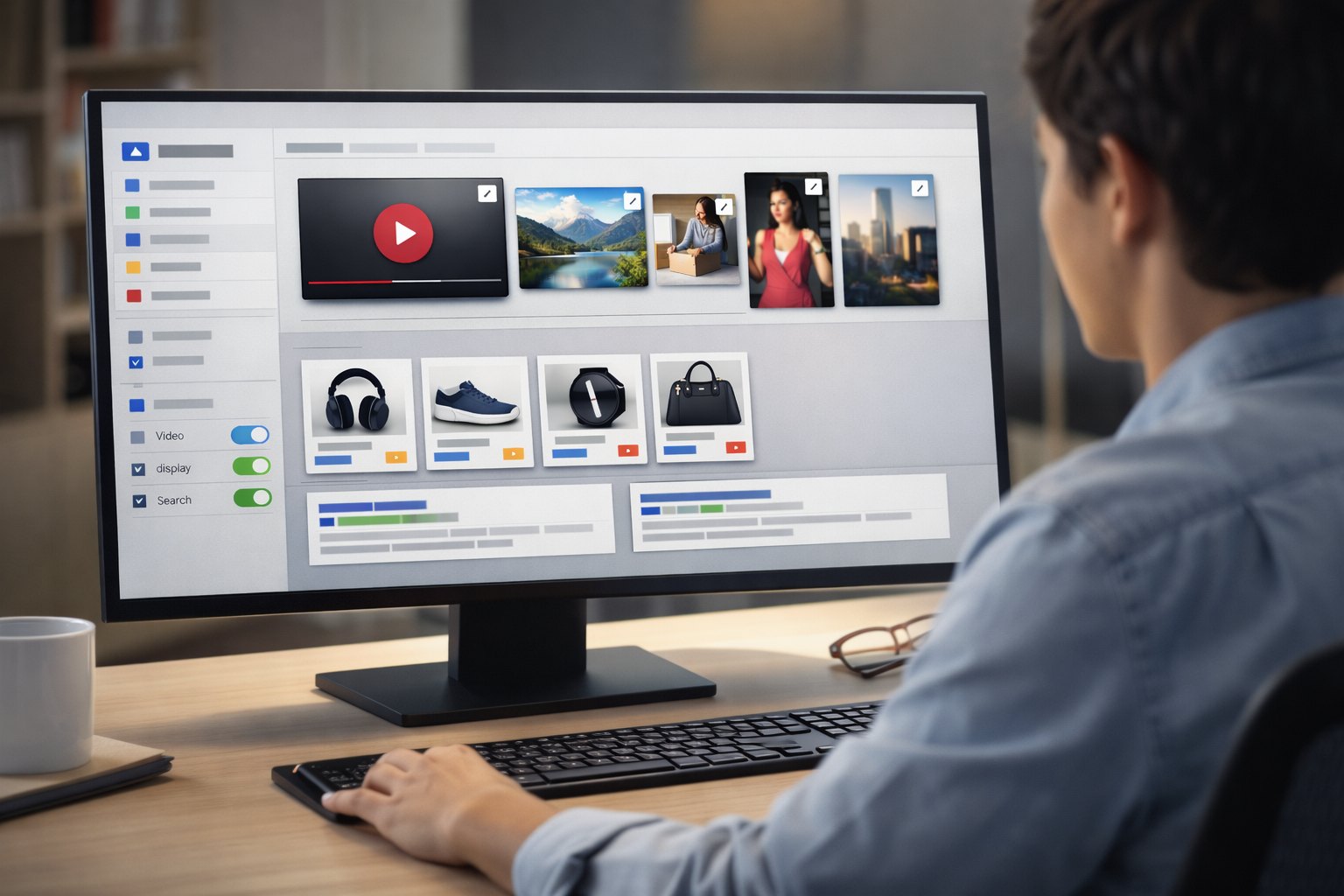
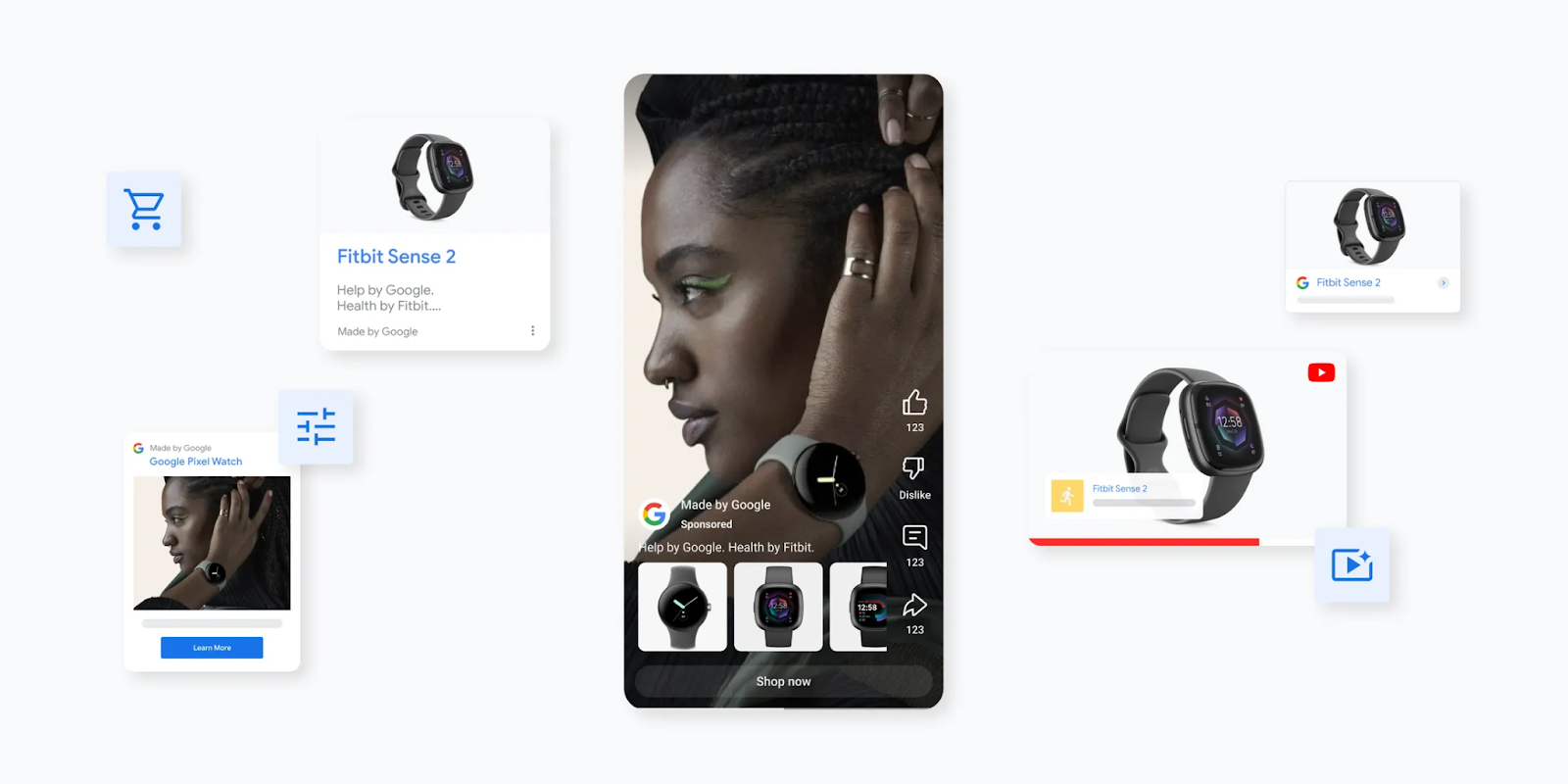
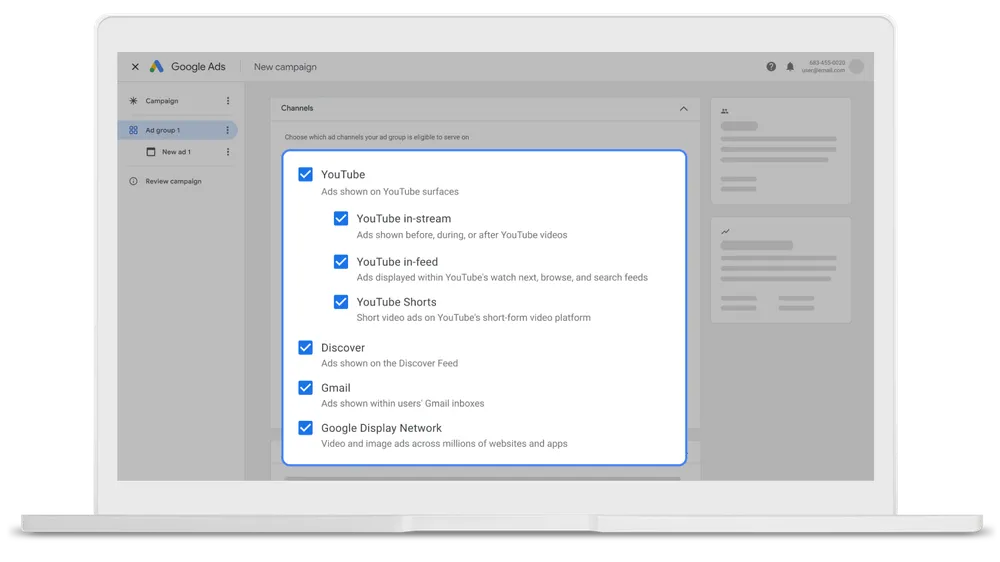
    I’ve been following the latest updates from Google, and it’s exciting to see how they’re enhancing Demand Gen tools. These updates are designed to help advertisers like me convert quicker and reach more new customers on platforms like YouTube.

    What’s happening. Google has integrated Demand Gen into their Commerce Media Suite. This means I can now leverage retailers’ first-party catalog and conversion data to connect with high-intent shoppers across YouTube, Discover, and Gmail.

    The introduction of view-through conversion (VTC) optimization is another great addition. It allows my campaigns to focus on conversions that occur after an ad is viewed—speeding up performance significantly.

    Why we care. These updates enhance the effectiveness of Demand Gen by turning views into tangible conversions. By utilizing retailer data and optimizing for view-through activities, I’m able to engage high-intent users, even if they don’t immediately click. This results in faster outcomes and increased customer acquisition.

    Between the lines. Google is now focusing beyond clicks, using richer commerce data and view-based attribution to generate results in more passive, discovery-rich environments like YouTube.

    ```json
{
  "alt": "Digital marketing campaign setup interface showing components like campaign name, goals, and performance metrics.",
  "caption": "Navigate your digital marketing with ease using a comprehensive campaign setup interface. Track goals, performance metrics, and more for optimized results.",
  "description": "This image displays a digital marketing platform's campaign setup interface. It includes sections for inputting campaign name, selecting campaign goals like conversions and clicks, and monitoring performance metrics such as estimated impressions and conversions. The interface is designed for optimizing marketing strategies with clear visualizations and detailed breakdowns. Keywords: digital marketing, campaign setup, performance metrics, marketing strategy."
}
```

    What to watch. I expect more exciting announcements about Demand Gen at upcoming events like Google Marketing Live. As YouTube evolves, it’s becoming a comprehensive performance channel.

    Bottom line. With these updates, Google has transformed Demand Gen into a robust, data-driven machine for converting high-intent audiences—especially on YouTube.

    Dig deeper. Demand Gen Drop – April 2026


    Inspired by this post on Search Engine Land.


    crushpress.ai community screenshot
  • Revive Your Suspended Google Merchant Account Effectively

    Revive Your Suspended Google Merchant Account Effectively

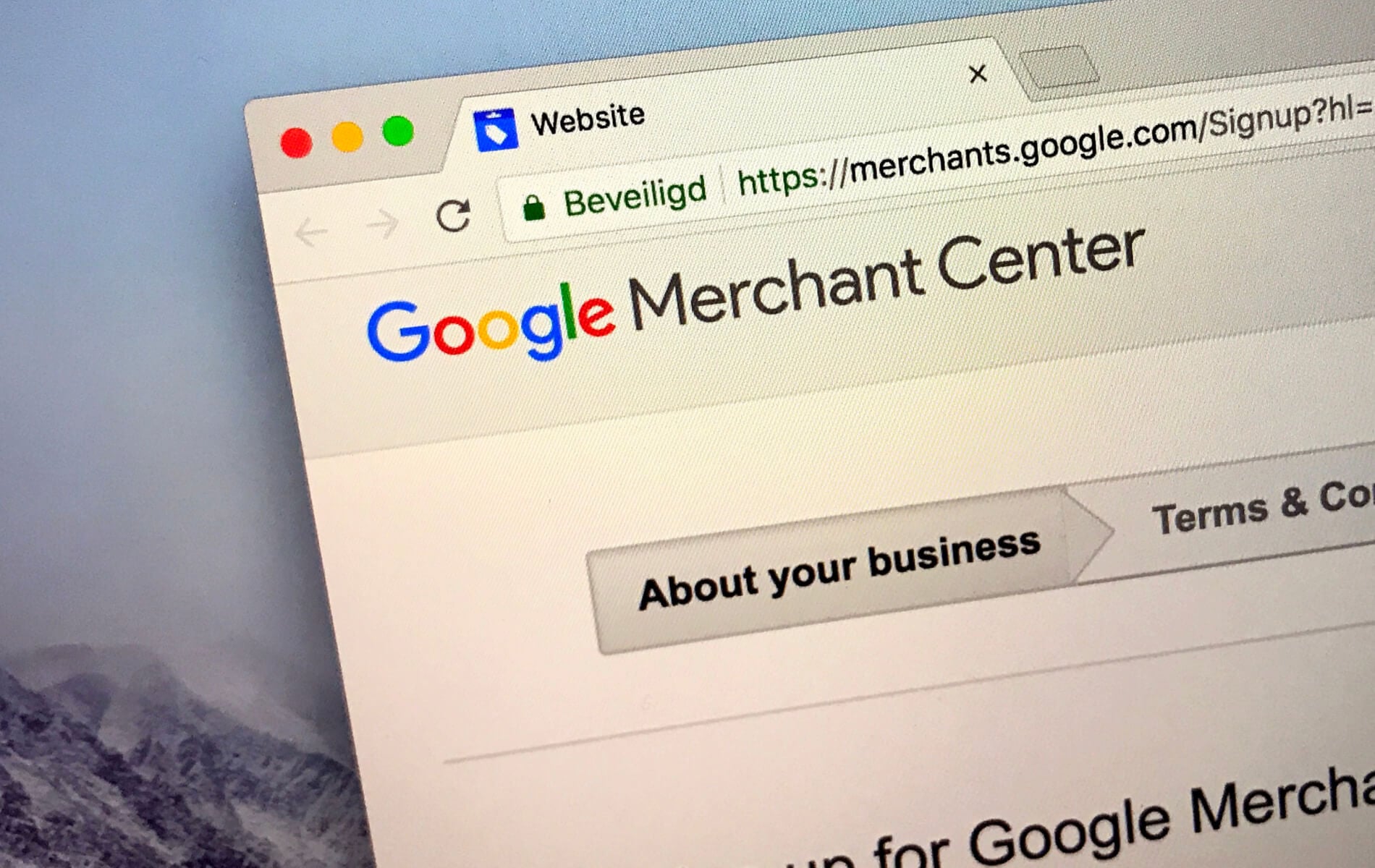
    Having my Google Merchant Center account suspended felt like a gut punch. One moment, everything’s running smoothly, and the next, you’ve lost access to Google Shopping and your most lucrative sales channel is cut off. It’s daunting, but here’s how I managed to turn things around.

    Initially, I needed to understand why my Merchant Center was flagged. It required a comprehensive audit of my site and feed to pinpoint and correct the issues before I could confidently request a review.

    ```json
{
  "alt": "The CapmatchOne logo with a gradient circle and bold text.",
  "caption": "Discover innovation with the CapmatchOne logo, featuring sleek typography and a modern gradient circle.",
  "description": "The CapmatchOne logo features bold, modern typography coupled with a gradient circle, symbolizing connection and innovation. The sleek design conveys a sense of progress and creativity. This image can be used for branding or promotional purposes, appealing to audiences interested in innovative solutions and forward-thinking designs."
}
```

    Google imposes strict policies for Google Shopping, stricter than its general advertising rules. Any perceived violation can lead straight to suspension. Let me walk you through my experience and offer some heartfelt guidance.

    ```json
{
  "alt": "Google Merchant Center account suspension notice due to policy violations.",
  "caption": "An important notice from Google Merchant Center regarding account suspension due to policy breaches. Ensure compliance to restore your product promotions.",
  "description": "This image shows a notification from Google Merchant Center detailing an account suspension due to policy violations, specifically related to counterfeit products. It advises contacting support for further information and review requests. The email underscores the importance of adhering to Google's policies to continue promoting products without interruptions."
}
```

    Here’s what I did to fix the suspension and bring my account back online. I learned it’s not just a matter of addressing one big issue; often, it’s a combination of smaller gaps that signal untrustworthiness to Google’s automated systems.

    ```json
{
  "alt": "Google Merchant Center Next interface showing the Products section with a prompt to improve product discoverability.",
  "caption": "Navigate the Google Merchant Center Next interface to enhance your product discoverability. Address prioritized fixes to make your listings shine.",
  "description": "This image depicts the Google Merchant Center Next interface focused on the Products section, specifically under 'Needs attention.' A prompt advises on improving product discoverability by fixing errors in product details. Functional elements include options for prioritized fixes, filters for countries, and marketing methods. This tool helps improve the visibility and accuracy of product listings on Google."
}
```

    The first step was a complete compliance audit of my website and Merchant Center settings. I discovered that my Contact Us page needed a physical address and professional email. These are small details that Google flags for authenticity.

    ```json
{
  "alt": "Notification about website needing improvements to enhance visibility and compliance.",
  "caption": "Attention: Your website requires improvements to meet essential guidelines and boost visibility. Ensure compliance for a seamless shopping experience.",
  "description": "The image displays a notification stating that a website or online store needs improvement to enhance visibility in all countries. Key requirements include having a matching domain name, avoiding broken links, removing placeholder content, and updating product details. Recommendations include adhering to editorial guidelines and ensuring the store's full functionality. A manual check detected this issue, with options to learn more or confirm issue resolution."
}
```

    Next, I addressed policy pages like shipping, returns, and refund policies, ensuring they contained all the necessary details such as cancellation terms and payment methods.

    ```json
{
  "alt": "Google Merchant dashboard menu with options like Overview, Notifications, Products & store, Creative content, Marketing, Analytics, Settings.",
  "caption": "Explore the Google Merchant dashboard menu, a powerful set of tools for managing products, creative content, and analytics in the digital marketplace.",
  "description": "Screenshot of the Google Merchant dashboard menu showing various management options such as Overview, Notifications, Products & store, Creative content, Marketing, Analytics, and Settings. Each section is expandable, providing detailed management tools for merchants to optimize their online presence. Ideal for users needing to navigate through different aspects of merchant account management efficiently."
}
```

    Additionally, I ensured the functionality of my site was up to par. It was essential that Google could crawl my site without issue. I fixed URL structures and ensured product data matched across platforms.

    ```json
{
  "alt": "Google Merchant Center menu with options like Overview, Notifications, Products & store.",
  "caption": "Navigating the Google Merchant Center: Discover essential features like product management and notifications in a simple sidebar menu.",
  "description": "This image shows a section of the Google Merchant Center interface, featuring a sidebar menu with options such as Overview, Notifications, and Products & store. Each menu item has an accompanying icon, designed for easy navigation and user accessibility. Ideal for users looking to manage their online store products and settings efficiently. Keywords: Google Merchant Center, sidebar menu, product management, online store."
}
```

    Each change was meticulously documented and prioritized. Once everything was set, I requested a review from Google. It felt rewarding when Google approved the appeal and reinstated my account.

    ```json
{
  "alt": "Google Merchant Center dashboard showing product sources, with a misrepresentation warning.",
  "caption": "Navigating the Google Merchant Center, this dashboard highlights product sources with a key warning: Misrepresentation issue detected, requiring updates.",
  "description": "This image displays a Google Merchant Center dashboard focused on data sources. A warning at the top highlights a misrepresentation issue that may prevent products from appearing on Google. The Shopify App API is listed as a product source, with 207 products and a note indicating it needs an update. The sidebar includes navigation to various sections such as products, shipping and returns, and settings. Keywords: Google Merchant Center, data sources, product update, misrepresentation warning, Shopify API."
}
```

    Key takeaway: It’s crucial to understand that reinstatement often requires addressing multiple aspects of your site and data feed. Google evaluates your entire ecosystem, not just isolated elements.

    ```json
{
  "alt": "Google Merchant Center showing product page unavailable alert in dashboard.",
  "caption": "Dive into the Google Merchant Center dashboard to tackle product availability issues and optimize your listings for better visibility.",
  "description": "The image displays a Google Merchant Center dashboard with a focus on a 'Needs attention' alert. The alert highlights a 'Product page unavailable' issue, urging users to ensure pages are accessible and not restricted from Google crawling. The side menu includes options like 'Products & store,' 'Shipping and returns,' and 'Store quality.' Keywords: Google Merchant Center, product page, dashboard, fix alert."
}
```

    Dig deeper: Google Ads account suspensions: What advertisers need to know

    ```json
{
  "alt": "Screenshot of Google's misrepresentation policy warning for a Merchant Center account.",
  "caption": "Google's misrepresentation warning suggests enhancements in your Merchant Center for better visibility.",
  "description": "This image displays a Google Merchant Center warning about misrepresentation that prevents products from showing in the U.S. It advises improving transparency, using a professional design with SSL certification, and providing accurate business information. The option to dispute the issue is highlighted with an arrow pointing to a button labeled 'I disagree with the issue.'"
}
```

    Inspired by this post on Search Engine Land.


    crushpress.ai community screenshot
  • Bing’s Expanded Product Carousel Boosts Advertiser Visibility

    Bing’s Expanded Product Carousel Boosts Advertiser Visibility

    I’ve noticed that Bing is testing a double-rowed sponsored product carousel in its shopping results. As someone who keeps an eye on these updates, this change could offer substantial visibility boosts for Microsoft Shopping advertisers.

    The test, first spotted by Digital Marketer Sachin Patel, caught my attention when he noticed the broader layout while searching for cushions on Bing. This new format combines a significant double-rowed sponsored carousel, prominently paired with organic results below.

    Why this matters to me: If Bing decides to roll out this format broadly, I foresee a significant increase in screen space dedicated to sponsored products. This extra visibility typically translates to higher click-through rates, especially for those running Microsoft Shopping campaigns. The visually appealing double-row carousel puts Bing’s shopping ads on par with similar offerings by Google Shopping.

    Here’s the catch: The test seems to be in its early stages, as not all users, including seasoned industry experts like Mordy Oberstein, are seeing this expanded format. When I checked myself, I noticed a more compact layout, hinting at Bing’s ongoing experimentation.

    ```json
{
  "alt": "Google search results for cushions, showing various shopping options from different retailers.",
  "caption": "Explore a range of stylish cushions from top retailers. Enhance your home with unique designs and comfortable seating options.",
  "description": "This image displays search results for 'Cushions' on a Google interface, showing various cushion options available from retailers like Perigold, Walmart, and Cushion Lab. The results include products with prices and ratings, alongside sponsored content from Amazon and Wayfair, offering a variety of styles and custom cushion options for home decor."
}
```

    The takeaway: Bing often experiments with its search engine results pages without officially rolling them out. As a retailer using Microsoft Shopping, it’s crucial for me to stay alert for any increase in product impressions if the format becomes more widespread.

    Initially discovered. This testing phase was initially spotted by Sachin Paten, who shared his insights and a screenshot on X.


    Inspired by this post on Search Engine Land.


    crushpress.ai community screenshot
  • Revamp Your Store Easily with Microsoft’s New Merchant Center Update

    Revamp Your Store Easily with Microsoft’s New Merchant Center Update

    I’ve got some exciting news for those of us using Microsoft Advertising! Now, we can update our Merchant Center store names and domains without the hassle of submitting a support ticket. Everything is streamlined directly through the platform.

    Why does this matter? As businesses grow or undergo rebranding, being able to quickly adjust names and URLs is crucial. Previously, I had to go through a cumbersome process, but now I have full control to make these changes seamlessly.

    Here’s how it works:

    When I want to change my store name, it goes through an editorial review. The best part? My ads continue to run under the old name, so there’s no downtime for my campaigns.

    ```json
{
  "alt": "Form interface showing fields for store ID, name, URL, description, and contact details.",
  "caption": "Streamline your online presence with our store setup form. Fill in your store details, update your URL, and manage contact preferences effortlessly.",
  "description": "This image depicts a user interface for setting up or editing an online store. Key fields include Store ID, Store Name, Destination URL, and Store Description, along with sections for language selection and contact email. A checkbox is present for opting into updates about new features. Buttons for submitting or canceling the form are located at the bottom, ensuring easy navigation."
}
```

    If I decide to switch my domain or URL, verification of the new domain is needed. Meanwhile, my ads still serve on the old domain, keeping my advertising efforts uninterrupted. Once approved, I’ll update product URLs to reflect the new domain.

    Reusing store names or domains is perfectly fine as long as everything passes the editorial checks and domain verification. This provides me with flexibility while maintaining quality standards.

    The bottom line? This update empowers me with more control over my store settings. It also ensures compliance by having robust checks like editorial reviews and domain verifications in place, safeguarding the quality of my ads.


    Inspired by this post on Search Engine Land.


    crushpress.ai community screenshot
  • Unlock New Ecommerce Potential with Reddit’s Shopping Ads

    Unlock New Ecommerce Potential with Reddit’s Shopping Ads

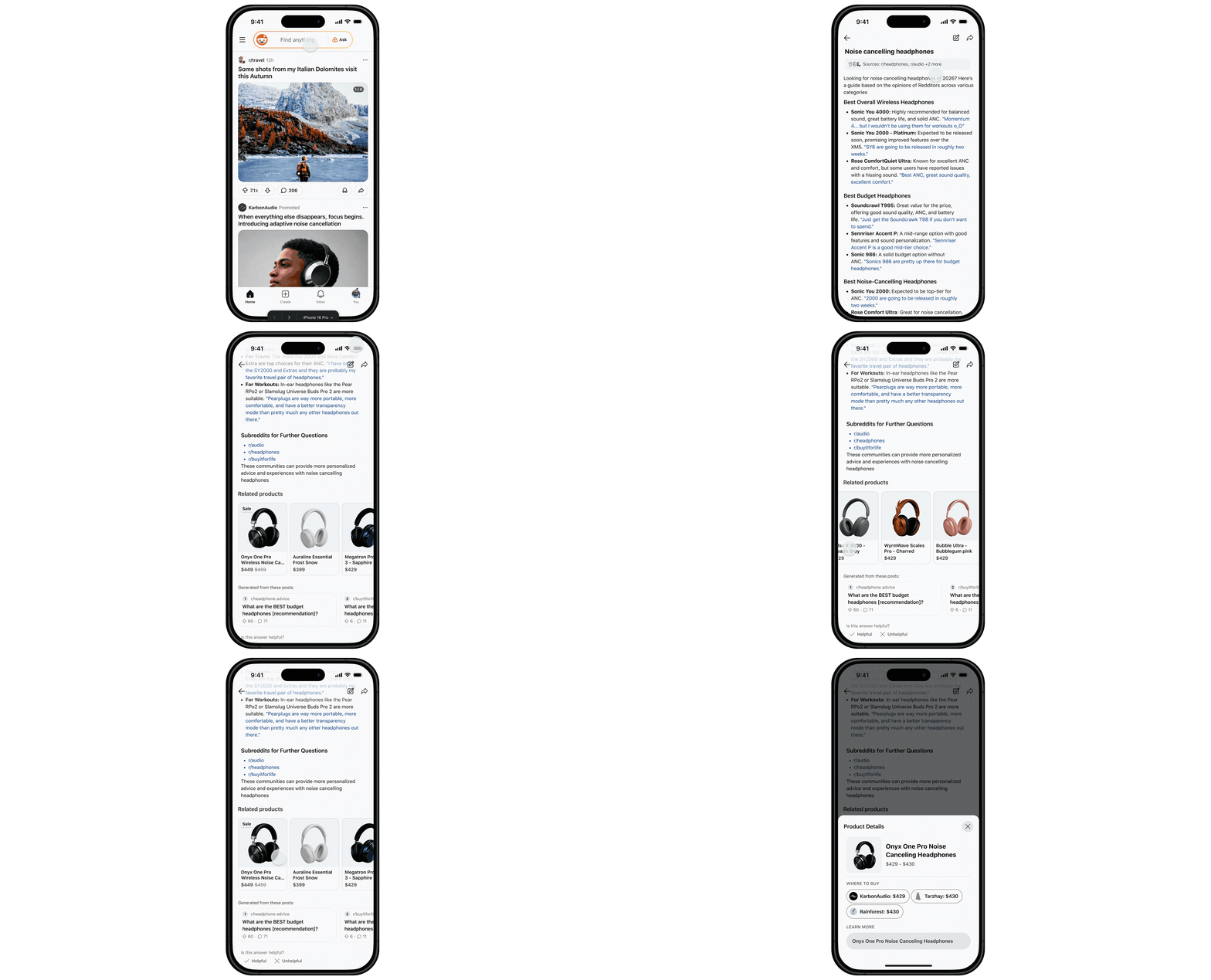
    I’m thrilled to share that Reddit is stepping up its ecommerce game by introducing exciting new shopping ad tools. These include innovative Dynamic Product Ad formats and a seamless Shopify integration, aiming to help retailers connect with Reddit’s ever-growing audience.

    Reddit is really making commerce a priority, launching a range of features that let retailers leverage the platform’s powerful purchase influence. It’s fascinating to see this evolution as Reddit plays a more prominent role in the buying process.

    Why now. There’s a noticeable surge in shopping discussions, having increased by 40% over the last year. According to Reddit, a whopping 84% of shoppers feel more assured about their purchases after browsing Reddit, yet, surprisingly, it remains the most undervalued media channel, as reported in Fospha’s State of Retail Commerce 2026 study.

    What’s new.

    • Collection Ads — This dynamic ad format pairs enticing lifestyle images with purchasable product tiles in a carousel, brilliantly merging discovery with purchase. Those who’ve embraced these best practices are seeing an impressive 8% boost in ROAS.
    • Community and Deal overlays — Exclusive Reddit-native labels like “Redditors’ Top Pick” and automated discount alerts provide valuable social proof and price signals without any additional effort from advertisers.
    • Shopify integration — In its alpha stage, this integration streamlines catalog and pixel setup for new Dynamic Product Ad enthusiasts, facilitating automatic product-user-context matching.

    The numbers. In Q4 2025, Reddit’s Dynamic Product Ads delivered an average of 91% higher ROAS compared to the previous year. Notably, Liquid I.V. has seen DPAs constituting 33% of its total platform revenue, significantly outperforming other conversion campaigns by 40%.

    Why we care. The introduction of tools like the Shopify integration drastically lowers the barriers for launching Dynamic Product Ads on Reddit. With Reddit still an undervalued channel, it’s a golden opportunity to capitalize on before the market becomes more competitive and costs escalate.

    The bottom line. Reddit is seriously enhancing its reputation as a performance channel in ecommerce, and these new tools make it much easier to join the race. For retailers who haven’t yet utilized DPAs on Reddit, this is an excellent moment to experiment with an undervalued inventory and evolving ad formats.


    Inspired by this post on Search Engine Land.


    crushpress.ai community screenshot