Tag: Ecommerce

  • How Google’s Universal Commerce Protocol Transforms Search

    How Google’s Universal Commerce Protocol Transforms Search

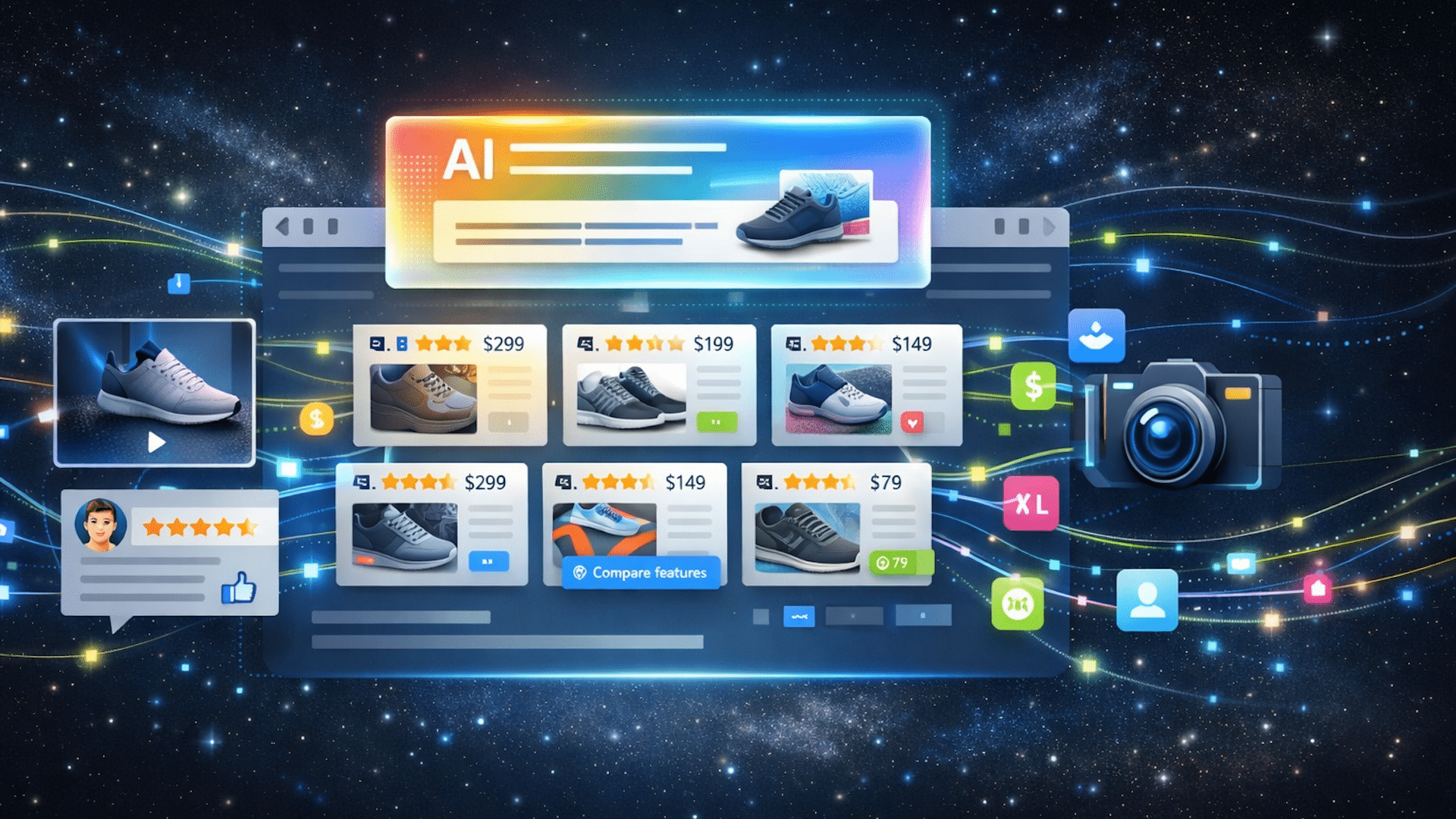
    When I learned about Google’s latest protocol, I realized how significant this new development could be for those of us in ecommerce. Google’s Universal Commerce Protocol (UCP) is here to revolutionize how purchases are made within the Gemini and AI search environments. It allows users to make purchases without ever leaving Google’s interfaces, which changes the game for search conversions.

    As Google introduces AI Overviews, AI Mode in Search, and the Gemini ecosystem, a new challenge presents itself: how do users get answers and complete purchases seamlessly within Google’s spaces? That’s where UCP comes in, currently in its beta phase.

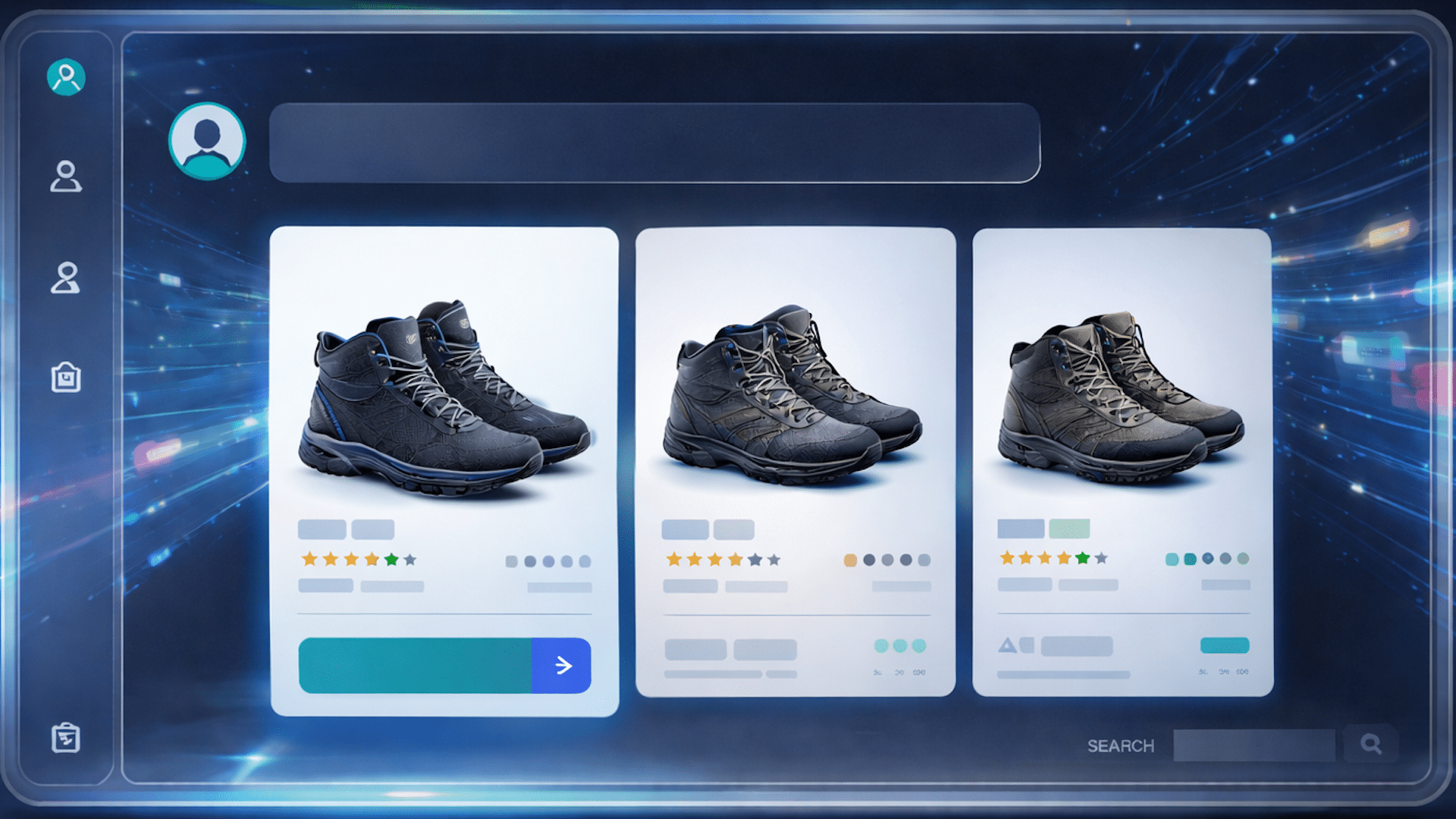
    UCP is a tool designed to help brands reach customers directly within the Gemini or Language Learning Model (LLM) environments. It allows consumers to finalize transactions, earning reward points, and completing checkouts, all within the LLM. Imagine telling Gemini, “Find me a highly rated, waterproof hiking boot in size 10 under $200 and buy it,” and watching as UCP makes that transaction happen smoothly.

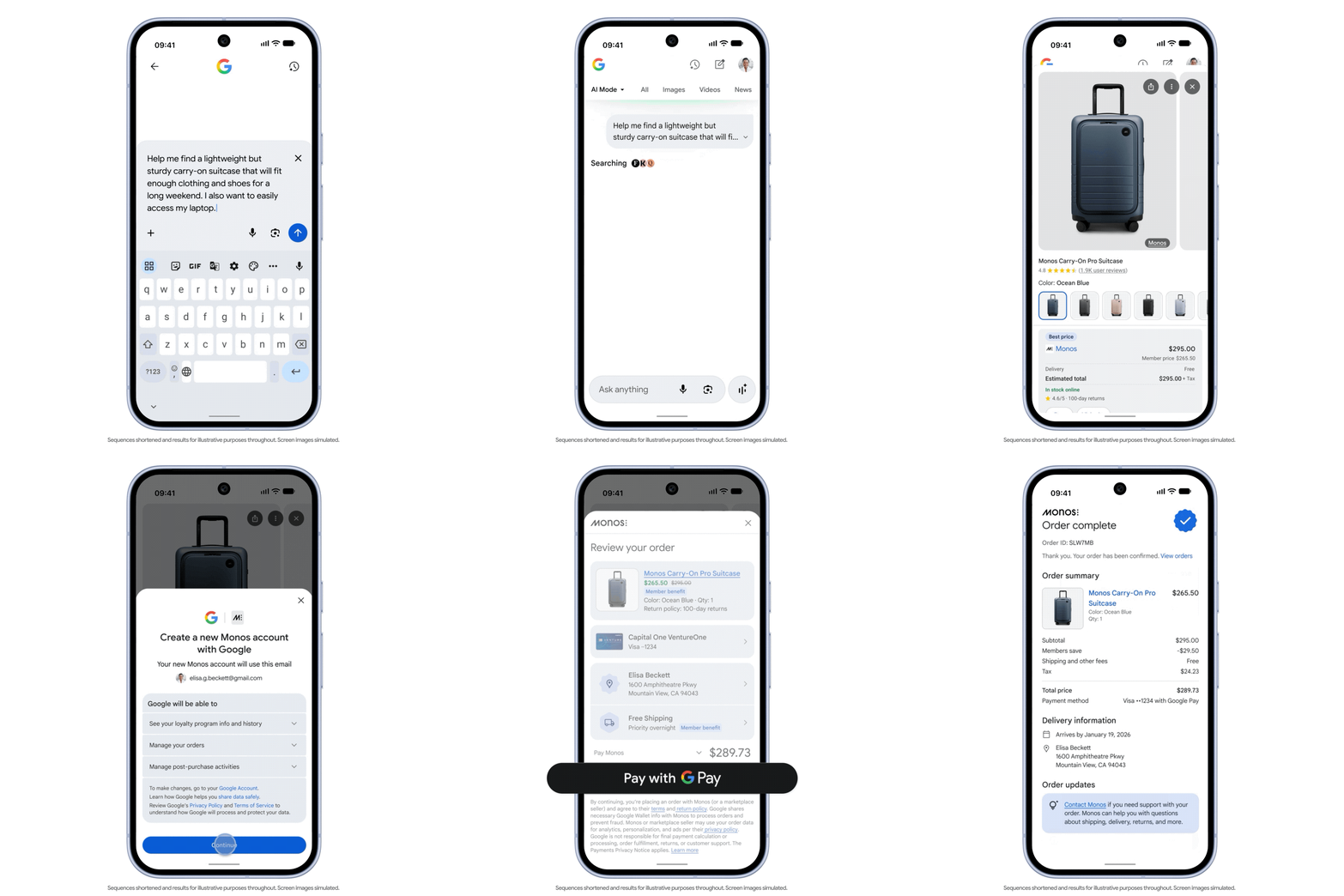
    At its heart, UCP standardizes the communication between consumer AI interfaces and merchant checkout systems. Although Google’s developer documentation might mention terms like “Model Context Protocol (MCP)” and “Agent2Agent (A2A) interoperability,” the process is actually user-friendly:
    ```json
{
  "alt": "Smartphone screen displaying a message asking for a carry-on suitcase suggestion, with a Google logo above.",
  "caption": "Seeking the perfect carry-on? This smartphone screen shows a traveler typing a request for a lightweight suitcase recommendation.",
  "description": "This image shows a smartphone with a message on the screen seeking advice on finding a lightweight, sturdy carry-on suitcase suitable for a long weekend. The message includes a requirement for easy laptop access. The Google logo is visible at the top, indicating possible use of a Google service. The image demonstrates practicality and ease in using mobile technology for travel planning."
}
```

    UCP leverages your existing Google Merchant Center shopping feeds. It ensures you remain the merchant of record, thus preserving your customer relationships and data. Plus, by integrating checkout within Google’s AI ecosystem, it minimizes cart abandonment and boosts conversions.

    Explore further: How Google’s Universal Commerce Protocol changes ecommerce SEO

    Implementing UCP involves enhancing your shopping feed management and staying updated on best practices. Google’s guidelines suggest focusing on feed data hygiene, conveying trust signals, and upgrading your technical infrastructure.

    ```json
{
  "alt": "The CapmatchOne logo with a gradient circle and bold text.",
  "caption": "Discover innovation with the CapmatchOne logo, featuring sleek typography and a modern gradient circle.",
  "description": "The CapmatchOne logo features bold, modern typography coupled with a gradient circle, symbolizing connection and innovation. The sleek design conveys a sense of progress and creativity. This image can be used for branding or promotional purposes, appealing to audiences interested in innovative solutions and forward-thinking designs."
}
```

    To excel in this new system, it’s crucial to detail your product listings accurately and ensure comprehensive descriptions. Trust and convenience become paramount as AI-driven decisions heighten consumer’s purchasing confidence. Providing data on free shipping, return policies, and reliable pricing can make a difference.

    Finally, preparing for UCP means keeping pace with technological updates and future tools. Venture into Google’s pilot programs and explore features like Business Agents or Direct Offers to stay ahead in this evolving landscape.

    The evolution of search into a transactional engine within LLMs is undeniable. UCP offers a clearer path from search discovery to purchase conversion, and it’s up to us to adapt and thrive in this shift by ensuring our product data is impeccable.


    Inspired by this post on Search Engine Land.


    crushpress.ai community screenshot
  • Maximize Ecommerce ROI with These 7 Organic Content Strategies

    Maximize Ecommerce ROI with These 7 Organic Content Strategies

    I’ve learned that few searches actually lead to clicks, and discovery now occurs across AI, social media, and search engines. To keep our ecommerce brand visible, we need to make smart organic content investments.

    The landscape of organic content is changing, shifting from a mindset of ‘publish more’ to ‘prove more.’ AI summaries and shopping features directly answer user questions in search results, which means visibility alone isn’t enough to resolve buyer uncertainties.

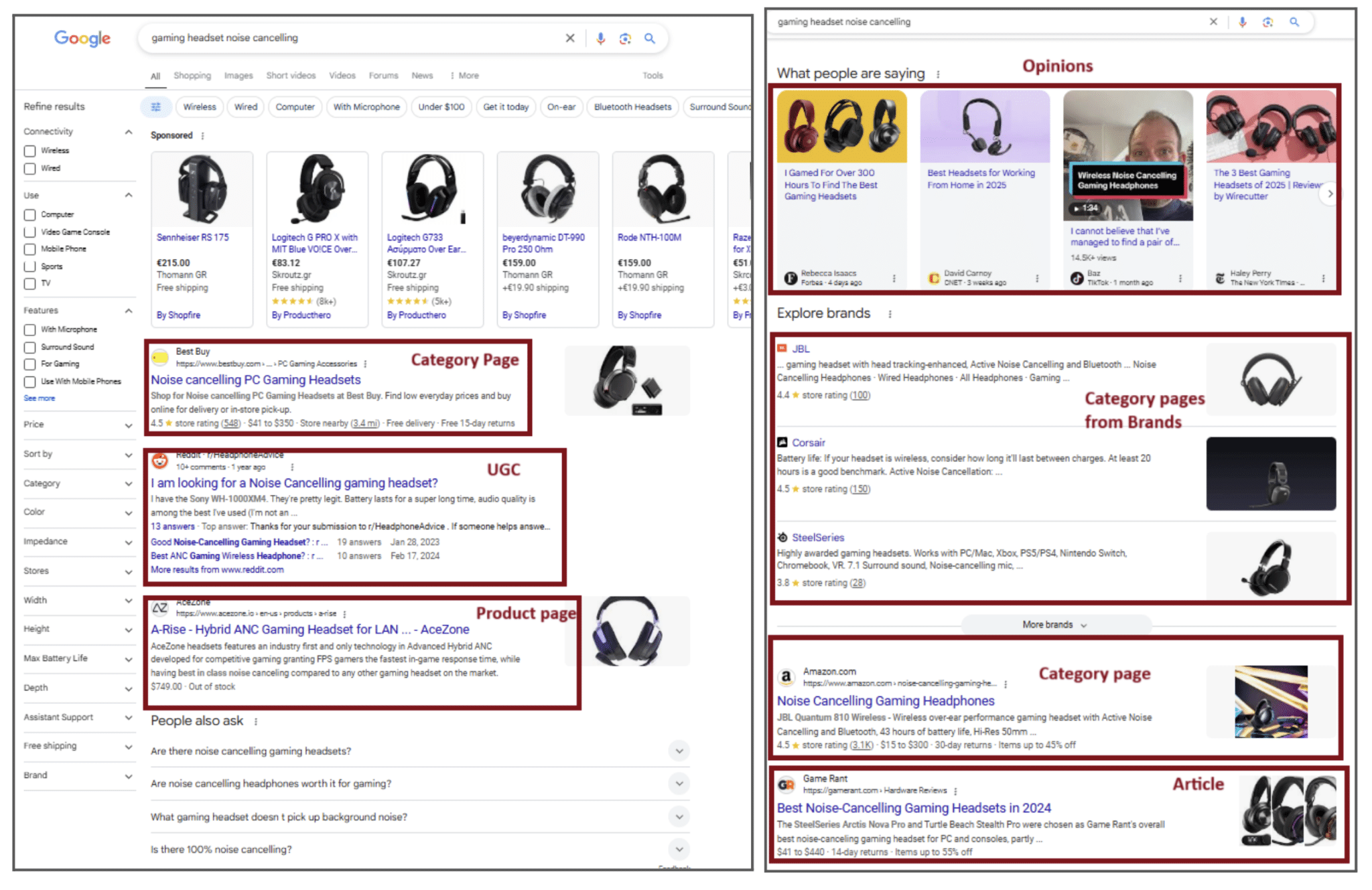
    As an ecommerce brand, our goal is to achieve organic visibility that garners recognition and trust amid the SERP noise. It’s crucial to invest in organic assets that achieve three things:

    ```json
{
  "alt": "Screenshot of search results for gaming headset noise cancelling, showing products and user reviews.",
  "caption": "Exploring the best noise-cancelling gaming headsets with user reviews, expert opinions, and brand comparisons.",
  "description": "This image shows a split-screen of search results for 'gaming headset noise cancelling.' On the left, you see various headset products with pricing and specifications from the shopping tab, along with user-generated content discussing headset preferences. On the right, there are expert opinions and brand comparisons, highlighting popular headsets from JBL, Corsair, and SteelSeries. The setup offers a comprehensive view of both product details and consumer feedback, making it an essential guide for prospective buyers."
}
```

    – Reduce buyer uncertainty.

    – Are easily readable by machines.

    ```json
{
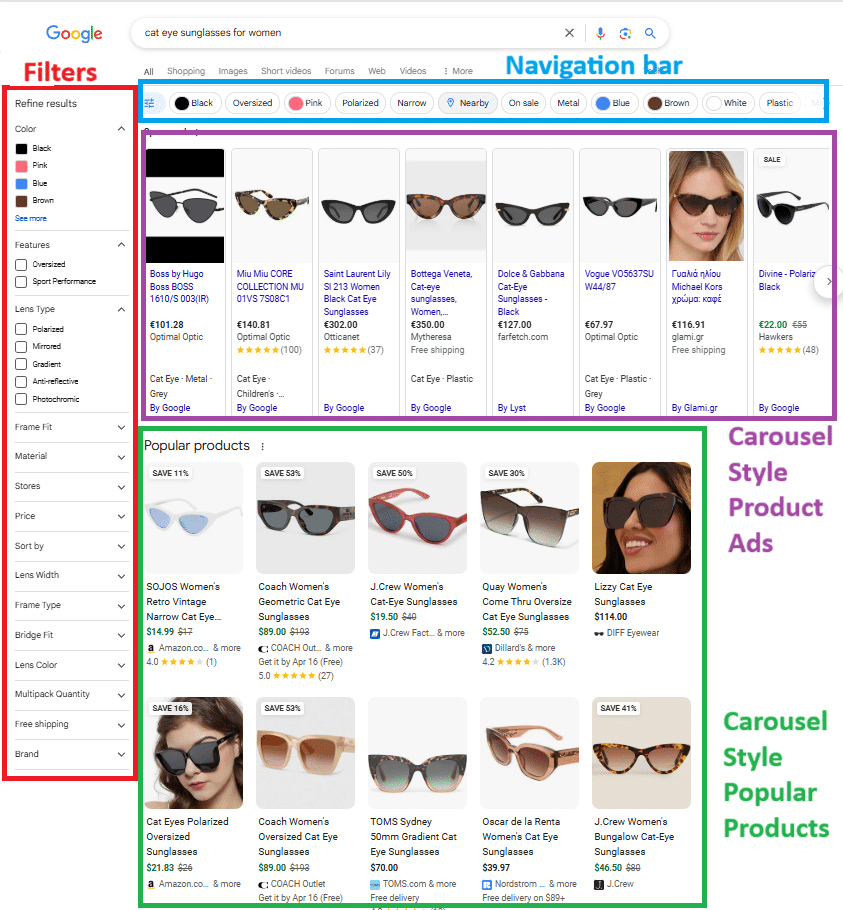
  "alt": "Screenshot of Google search page showing cat eye sunglasses for women with filter options and carousel product ads.",
  "caption": "Explore a variety of cat eye sunglasses for women in this Google search results page, featuring carousel ads and a handy filter sidebar.",
  "description": "This image is a screenshot from a Google search results page for 'cat eye sunglasses for women.' It features a navigation bar at the top, a red-outlined sidebar for refining results by color, lens type, and more. The central part displays carousel-style product ads with prices and ratings, and below it are popular product listings. This layout showcases Google's efficient e-commerce search interface, emphasizing user-friendly filters and organized product presentation. Keywords: Google search, cat eye sunglasses, women's accessories, online shopping."
}
```

    – Work across multiple discovery platforms.

    The forces shaping organic content’s ROI in 2026

    ```json
{
  "alt": "The CapmatchOne logo with a gradient circle and bold text.",
  "caption": "Discover innovation with the CapmatchOne logo, featuring sleek typography and a modern gradient circle.",
  "description": "The CapmatchOne logo features bold, modern typography coupled with a gradient circle, symbolizing connection and innovation. The sleek design conveys a sense of progress and creativity. This image can be used for branding or promotional purposes, appealing to audiences interested in innovative solutions and forward-thinking designs."
}
```

    I’m observing three key forces influencing how content performs in searches today.

    AI discovery is normal now

    ```json
{
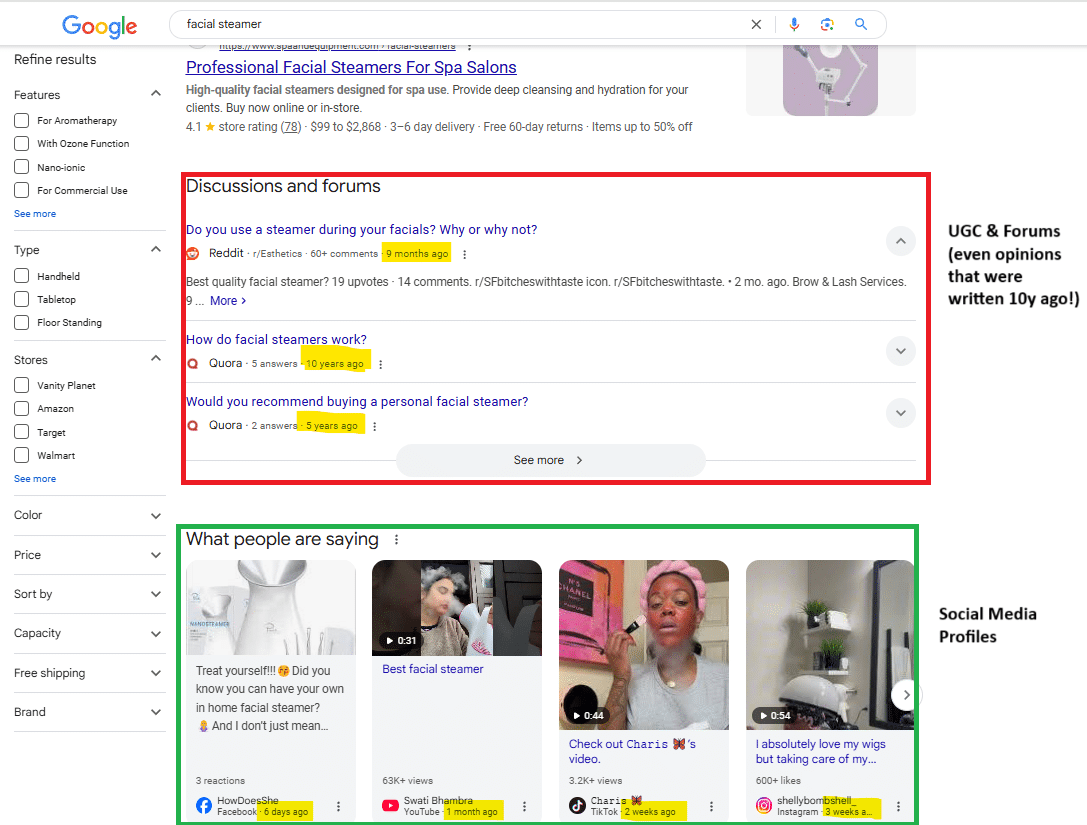
  "alt": "Search results for facial steamer showing UGC from forums and social media.",
  "caption": "Explore the buzz around facial steamers through vibrant user-generated content from forums and trending social media discussions.",
  "description": "This image displays a screenshot of Google search results for 'facial steamer'. The results highlight user-generated content from forums like Reddit and Quora, with posts ranging from 9 months to 10 years old. Also featured are current social media posts from platforms such as Facebook, TikTok, and Instagram, showcasing user opinions and reviews. Keywords include facial steamer, UGC, social media, and user reviews."
}
```

    Generative AI is a regular feature in organic search results, providing direct answers to broad questions through tools like Google’s AI Overviews. These systems often use citations from web content to form their answers.


    Inspired by this post on Search Engine Land.

    crushpress.ai community screenshot
  • OpenAI Rethinks ChatGPT Shopping: A New Approach to Purchases

    OpenAI Rethinks ChatGPT Shopping: A New Approach to Purchases

    I recently came across an intriguing development: OpenAI is revamping its strategy on how ChatGPT handles online shopping. Initially, the plan was to allow purchases directly through ChatGPT, but now it seems transactions will be moving to retailer apps connected via ChatGPT, according to a report from The Information.

    Why I find this important: ChatGPT is striving to evolve beyond just a discovery tool. While it excels at helping people find products, actual purchases aren’t keeping pace. This trend indicates that the power of AI is currently more influential in the product consideration phase rather than conversion.

    What happened: OpenAI initially intended to let users buy products directly from ChatGPT’s search results. However, an OpenAI spokesperson has stated that their Instant Checkout service will now be handled through Apps within connected services rather than ChatGPT itself.

    • The focus will now shift to enhancing product search and discovery capabilities within ChatGPT.
    • OpenAI will also continue its collaboration with Stripe on the Agentic Commerce Protocol to support these app-based transactions.

    The shift: Research by OpenAI showed that while users explore products using ChatGPT, they often finalize purchases elsewhere. According to the report, only a handful of merchants fully utilized the native ChatGPT checkout feature.

    • In September, OpenAI had touted Instant Checkout as a significant opportunity, mentioning plans for U.S. users to purchase items from Etsy and future expansions to Shopify and beyond.

    In the meantime, Shopify’s president, Harley Finkelstein, recently noted that only about a dozen Shopify merchants are utilizing AI tools. This number is quite small relative to Shopify’s entire merchant base, despite the company’s support for integrations with ChatGPT, Gemini, and Copilot.

    What I’m watching for: Will OpenAI manage to elevate ChatGPT’s value as a platform for discovering products without being involved in the actual transaction? Additionally, how will OpenAI’s approach to commerce align with its advertising goals? If transactions remain external, monetizing product discovery via ads might become crucial.

    Why the change is occurring: According to Leigh McKenzie, director of online visibility at Semrush, two factors are hindering agentic commerce: infrastructure and trust. Normalizing real-time catalogs across vast SKU numbers is a complex issue Google tackled with Merchant Center. Moreover, consumers tend to trust familiar checkout processes like Apple Pay, Google Wallet, and Amazon.

    Further reading: To dive deeper, check out the full report on OpenAI’s scaled-back shopping plans for ChatGPT, available via The Information (subscription required).


    Inspired by this post on Search Engine Land.

    crushpress.ai community screenshot
  • Transforming Ecommerce: Google’s New AI Commerce Strategies

    Transforming Ecommerce: Google’s New AI Commerce Strategies

    For years, I relied on a straightforward ecommerce model: Google attracted visitors to my site, where transactions were completed. Success was measured through rankings, clicks, and conversion rates. That scenario has drastically changed.

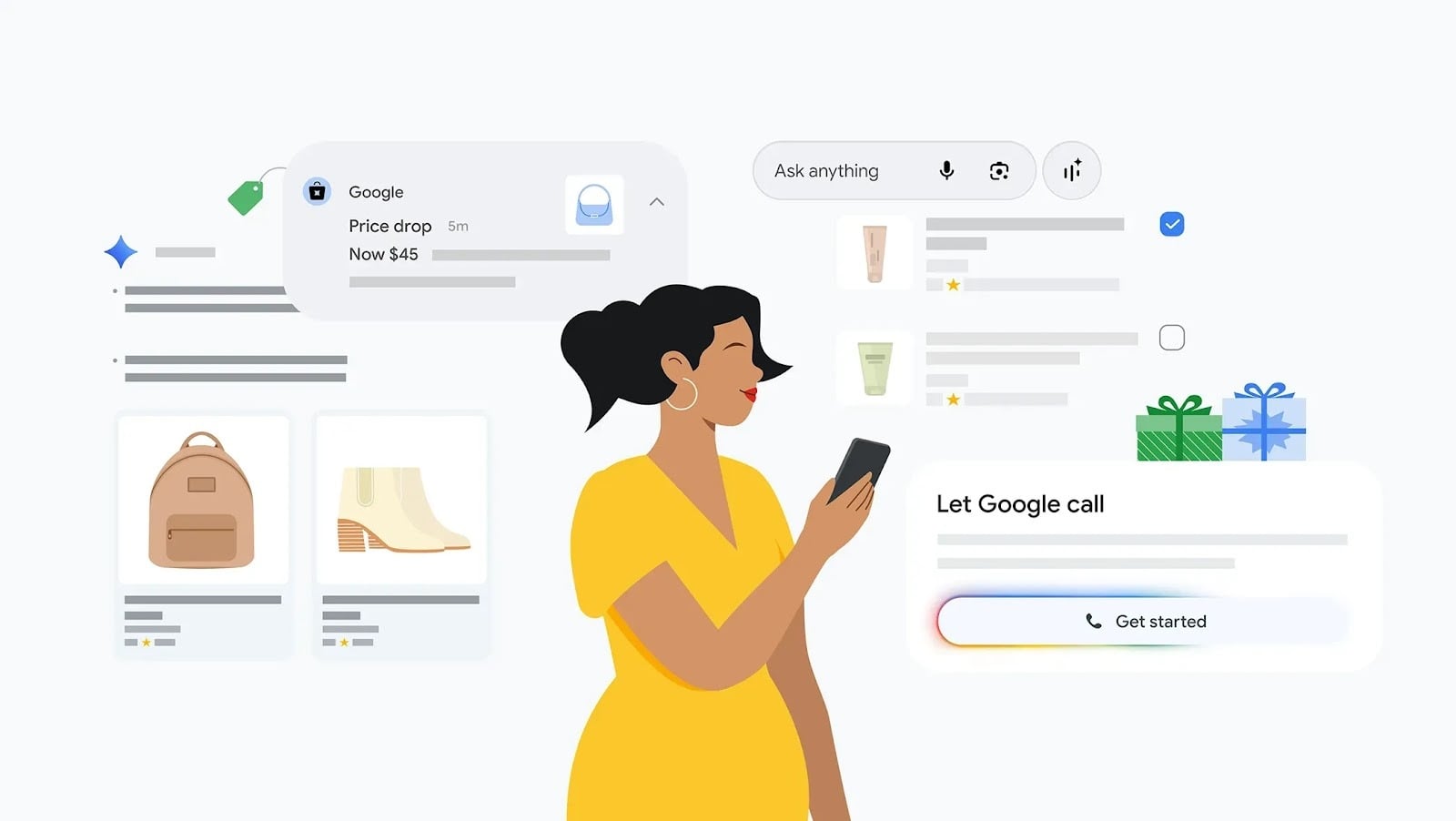
    With Google’s Universal Commerce Protocol (UCP) combined with AI Mode, it’s possible for Google to uncover, evaluate, and finalize purchases within its AI framework. The dynamic is shifting from merely directing traffic to facilitating transactions. Now, the visibility of my products hinges on whether Google’s AI includes my data in its algorithm.

    ```json
{
  "alt": "Illustration of a woman in a yellow dress using a smartphone, surrounded by shopping notifications and icons.",
  "caption": "Amidst digital notifications, a tech-savvy shopper in a vibrant yellow dress navigates her smartphone, embracing the seamless online shopping experience.",
  "description": "This illustration depicts a stylish woman in a yellow dress holding a smartphone, indicative of modern digital engagement. She is surrounded by various shopping-related notifications such as a price drop alert and product recommendations, portraying an integrated online shopping ecosystem. Icons for voice input and shopping assistance hint at tech-enhanced convenience. The visuals include gift boxes, adding a festive shopping element. Keywords: digital shopping, mobile user, online notifications, tech-savvy, digital illustration."
}
```

    When AI can recommend and close sales, the optimization challenge moves even farther upstream. The vital question now isn’t just about my ranking; it’s about whether my products get chosen by AI.

    ```json
{
  "alt": "Diagram showing the Universal Commerce Protocol connecting various companies like Google, Etsy, Shopify, Wayfair, and more.",
  "caption": "The Universal Commerce Protocol links major platforms like Google and Etsy, streamlining interactions and enhancing digital commerce for businesses worldwide.",
  "description": "This image illustrates the Universal Commerce Protocol at the center, with arrows connecting it to Google, Etsy, Shopify, Wayfair, Target, Walmart, and more. The connections symbolize integration and centralized data management, optimizing online retail operations. Key players like Google, Google AI, and financial services like Stripe and PayPal highlight the protocol's extensive reach. Keywords: universal commerce protocol, integration, e-commerce, retail, platforms, digital commerce."
}
```

    So, let’s explore these changes and what strategies those involved in SEO and AI optimization should adopt next.

    ```json
{
  "alt": "The CapmatchOne logo with a gradient circle and bold text.",
  "caption": "Discover innovation with the CapmatchOne logo, featuring sleek typography and a modern gradient circle.",
  "description": "The CapmatchOne logo features bold, modern typography coupled with a gradient circle, symbolizing connection and innovation. The sleek design conveys a sense of progress and creativity. This image can be used for branding or promotional purposes, appealing to audiences interested in innovative solutions and forward-thinking designs."
}
```

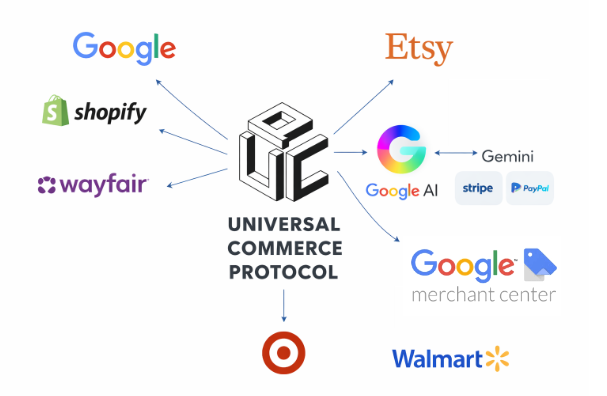
    On January 11, Google introduced the Universal Commerce Protocol, or UCP. This innovative open standard empowers AI agents to explore, assess, recommend, and purchase products seamlessly across the web within Google’s own AI settings.

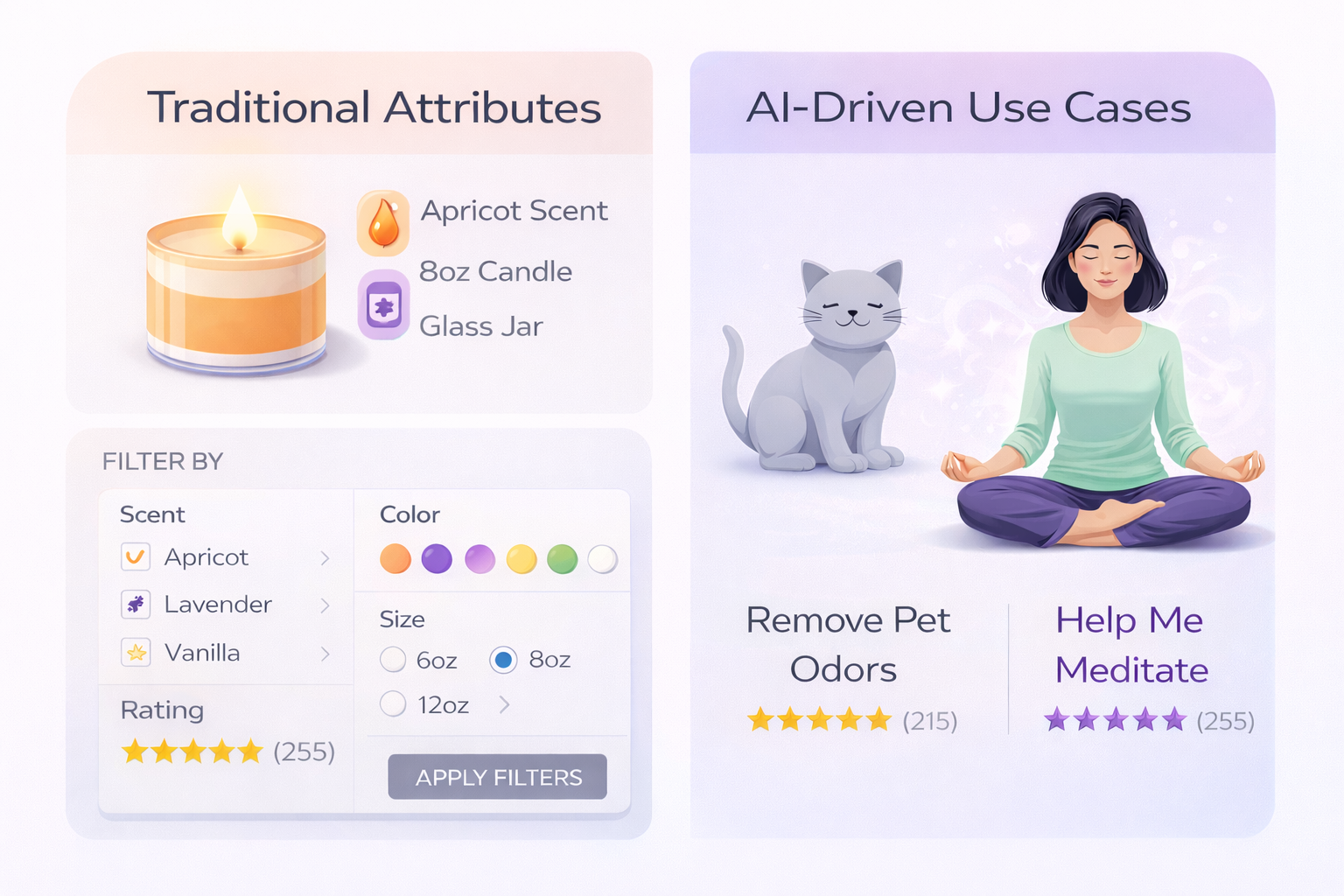
    ```json
{
  "alt": "Candle attributes and AI-driven use cases for meditation and pet odor removal.",
  "caption": "Discover the perfect candle with traditional attributes like apricot scent and innovative AI-driven use cases for meditation and pet odor removal.",
  "description": "This image compares traditional candle attributes, such as apricot scent and glass jar packaging, with AI-driven use cases like meditation enhancement and pet odor removal. The left panel displays filtering options based on scent, color, size, and rating, demonstrating a selection with high customer ratings. The right panel features an illustration of a meditating person and a content cat. Useful for showcasing candle features and appealing to different consumer needs."
}
```

    What caught my attention was not just UCP itself but the entire ecosystem Google devised around it. UCP was created in collaboration with platforms like Shopify, Etsy, Wayfair, Target, and Walmart, with pre-existing payment networks incorporated. This level of planning signifies a long-term vision, rather than a fleeting experiment.

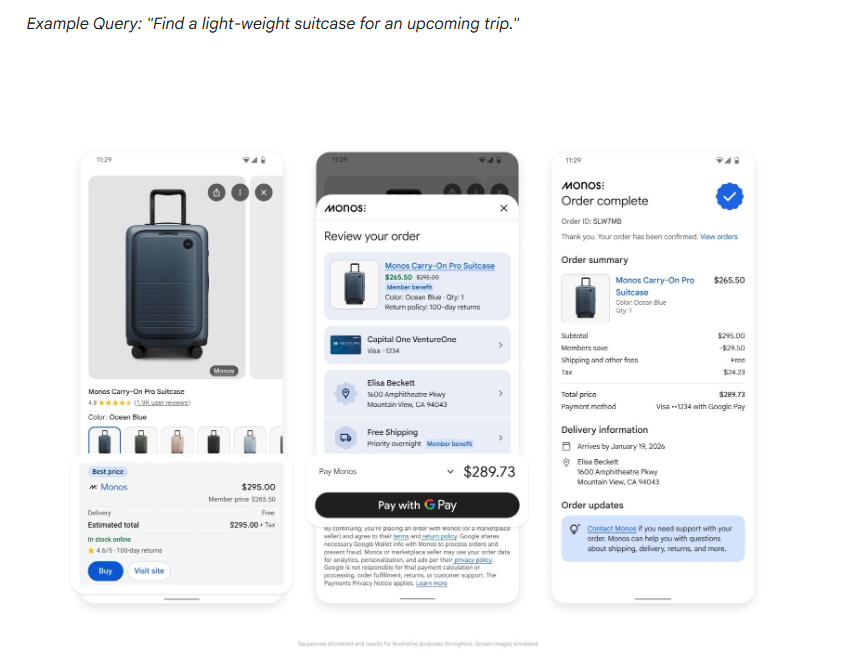
    ```json
{
  "alt": "Three smartphone screens showing a suitcase purchase summary and checkout process.",
  "caption": "Streamlined shopping: Easily purchase your travel suitcase with a simple step-by-step checkout experience.",
  "description": "This image displays a series of three smartphone screens illustrating the process of purchasing a Monos Carry-On Pro Suitcase. The first screen shows the product listing with details such as customer rating and price. The second screen features the checkout page with order summary, payment method, and delivery information. The third screen confirms the order completion, detailing the payment and delivery information. This offers a seamless and user-friendly shopping experience, emphasizing ease of navigation and secure payment options."
}
```

    Simultaneously, Google introduced three platform-level features that make this transformation tangible in everyday shopping experiences:

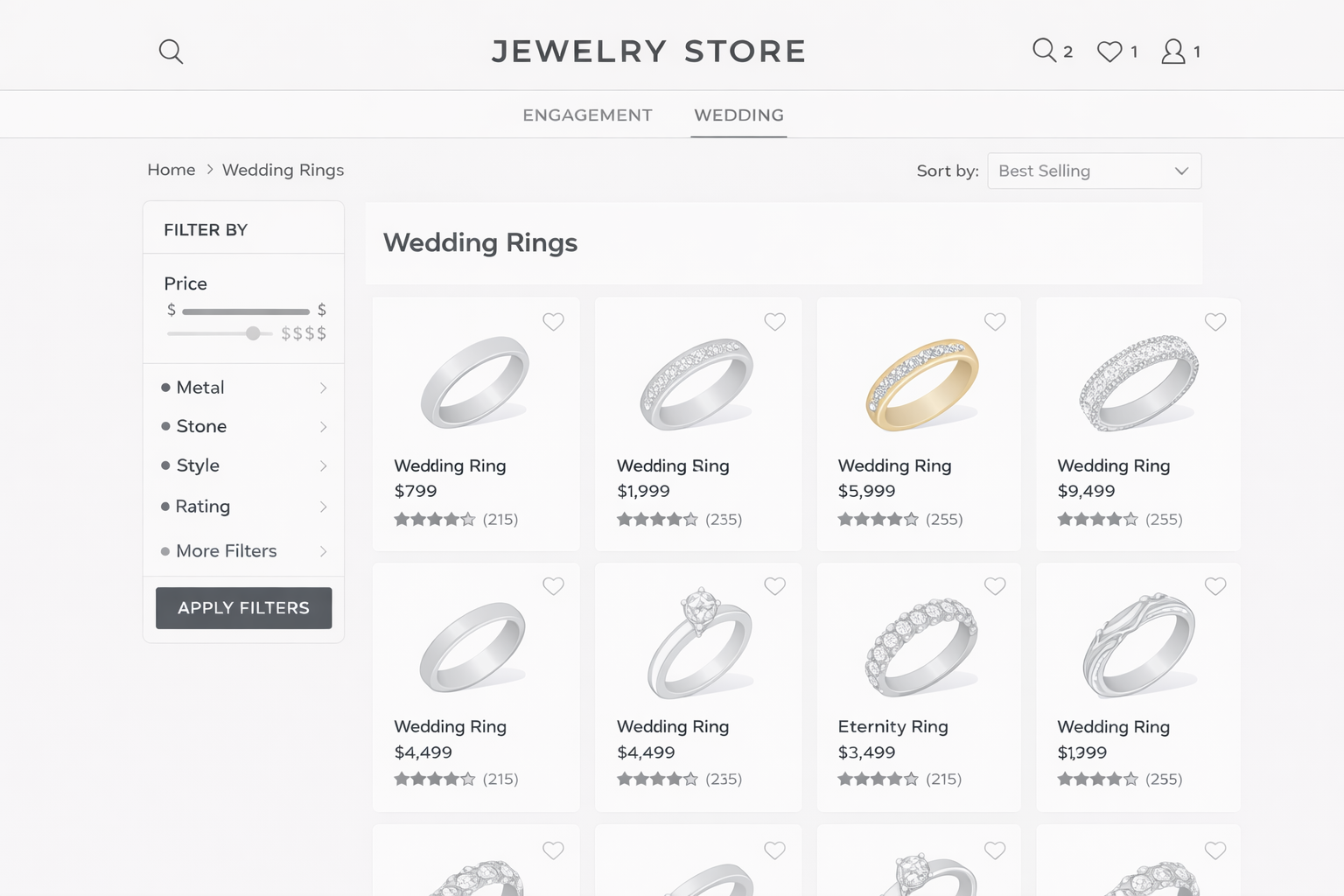
    ```json
{
  "alt": "Online jewelry store displaying various wedding rings with prices and ratings.",
  "caption": "Explore stunning wedding rings at our online jewelry store. Find your perfect ring with options for every style and budget, all rated by fellow shoppers.",
  "description": "The image shows an online jewelry store webpage showcasing a collection of wedding rings. Products are sorted by best selling and include details such as price, star ratings, and customer reviews. The sidebar offers filters by price, metal, stone, style, and rating to help refine the selection. Perfect for users looking to purchase wedding rings with ease and convenience."
}
```
    • Business Agent: Brands now have an AI-powered ambassador in Search and the Gemini app. Shoppers can inquire about products, compare choices, and receive brand-specific advice without the necessity to visit a separate site.
    • Direct Offers: This feature allows merchants to incorporate exclusive discounts directly into Google’s AI Mode, embedding promotions within the recommendation engine itself.
    • Checkout in AI Mode: Google now facilitates purchases directly within its interface, transitioning from a traffic broker to an integral transaction facilitator.
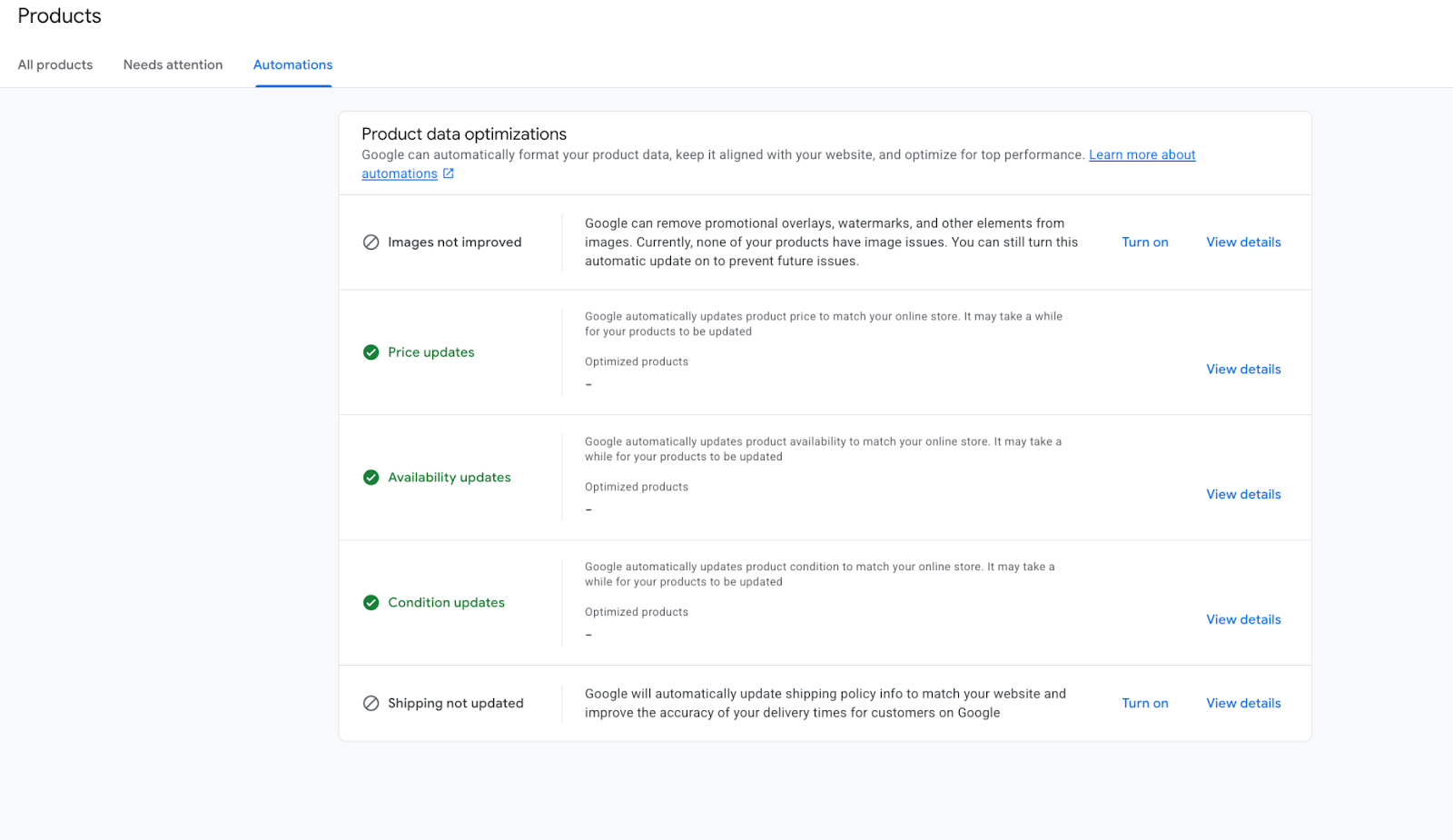
    ```json
{
  "alt": "Google Merchant Center automation options for product data optimizations.",
  "caption": "Explore how Google's automation can streamline product data updates in your online store, ensuring competitive pricing, availability, and condition management.",
  "description": "This image displays the automation options in Google Merchant Center for optimizing product data. It shows areas like price, availability, and condition updates that Google can automatically adjust to match your online store. The interface provides options to 'Turn on' and 'View details' for each optimization, allowing users to manage their product data effectively. Keywords: Google Merchant Center, product data optimization, automation."
}
```

    What’s even more remarkable is how Google transforms routine conversations into commerce. Instead of waiting for users to type product-related queries, Gemini can respond to natural language prompts like “help me plan a camping trip” or “what will get wine out of my couch” by sourcing up-to-date inventory, pricing, and availability from retailers, completing the transaction in the same interaction.

    Dig deeper: Are we ready for the agentic web?

    In the era where AI navigates the purchasing journey, brands must compete within the AI’s recommendation system, not just in search results.

    Throughout my career, ecommerce consistently functioned on a model where search engines, ads, and marketplaces aimed to divert users to my site, so it could handle the sales. UCP reshapes that perception entirely.

    Now, AI takes charge of the complete journey. It understands the customer’s needs, assesses different options, and can even finalize the purchase. Under this model, the quality of my website’s homepage or category page matters less if AI doesn’t prioritize my product at the outset.

    Candle traditional attributes and AI-driven use cases

    Inspired by this post on Search Engine Land.

    crushpress.ai community screenshot
  • ChatGPT Traffic Enhances E-commerce Conversions by 31%

    ChatGPT Traffic Enhances E-commerce Conversions by 31%

    ChatGPT has significantly impacted e-commerce site conversions, with traffic from ChatGPT converting 31% better than non-branded organic search across 94 sites in 2025. Despite this impressive performance in conversion rates, it still contributes only a small fraction of the overall revenue. This insight comes from a detailed year-long analysis by Visibility Labs, covering from January to December 2025.

    Why I’m Interested. This data is crucial because it highlights how AI referral traffic, while not yet dominant, is showcasing higher conversion potential compared to traditional non-branded search traffic. It indicates a growing value in AI-driven referrals, supplementing rather than replacing existing channels.

    Higher Conversion Rate. The analysis found that ChatGPT traffic converted at 1.81% compared to 1.39% for non-branded organic traffic, translating to a 31% higher conversion rate. This trend was consistent for 10 out of the 12 months analyzed.

    • Visibility Labs points to intent compression as the key reason behind this high conversion rate. Users often use ChatGPT to refine their product preferences, arriving at product pages with a clearer purchase intent compared to visitors from typical search channels.

    Key Observations. While ChatGPT shows a conversion advantage, the overall growth has decelerated, and the traffic volume remains modest.

    • Significant Traffic Growth: There was an astonishing growth of 1,079% in ChatGPT visits, escalating from 1,544 in January to 18,202 in December. In comparison, non-branded organic traffic increased by 17% during the same timeframe.
    • Lower AOV: The average order value (AOV) for ChatGPT was $204, compared to $238 for organic traffic, marking a 14.3% difference.
    • Increased Revenue Per Session: Despite the lower AOV, ChatGPT generated $3.65 in revenue per session versus $3.30 from organic, yielding a 10.3% higher earning per session.
    • Minor Revenue Share: ChatGPT accounted for $474,000 in revenue against $32.1 million from non-branded organic traffic, amounting to 1.48%, which rose to 2.2% in the latter half of 2025.
    • Growth Correlated with Updates: The increase in traffic during the first half is linked to the introduction of shopping carousel features in April 2025. However, growth rates began to stabilize around August.
    • Overshadowed by Organic Traffic: Overall, non-branded organic traffic was 70 times larger than ChatGPT, narrowing to 47 times in Q4. Early 2025 saw variability, with conversions ranging from 15 to 37 per month, which limited confidence levels until the middle of the year.

    The Attribution Challenge. GA4’s referral data may not fully capture ChatGPT’s impact. According to Visibility Labs, many users receive recommendations through ChatGPT, then search for brands via Google before making a purchase, which are typically tracked as branded organic conversions.

    • To better capture AI-influenced sales, it’s advised to implement post-purchase surveys.

    Data Insights. Visibility Labs’ analysis included GA4 data span over 12 months (January to December 2025), gathered from 94 e-commerce brands with seven- and eight-figure turnovers, comparing 9.46 million non-branded organic sessions to 135,000 ChatGPT referral sessions. The study focused exclusively on visits with commercial intent, excluding homepage and blog traffic.

    The Complete Report. Find the detailed report here.


    Inspired by this post on Search Engine Land.

    crushpress.ai community screenshot
  • Google Merchant Center Feed Issue: How It Impacts Your Ads

    Google Merchant Center Feed Issue: How It Impacts Your Ads

    Google Shopping Ads - Google Ads

    I discovered that the Google Merchant Center is currently examining a problem that affects Feeds. This issue has been flagged on their public status dashboard, raising concerns for those of us who rely on these Feeds for product listings and Shopping ad performance.

    Here’s what you need to know:

    • Incident began: Feb. 4, 2026, at 14:00 UTC.
    • Latest update (Feb. 20, 14:43 UTC): “We’re investigating reports of an issue with Feeds. We will provide more information shortly.”
    • Status: Service disruption

    The notification you see is on the Merchant Center Status Dashboard, which closely monitors the availability of Merchant Center services.

    Why is this important? Feeds are the backbone of product listings for Shopping ads and free listings. Any issues here can affect product approvals, updates, or their visibility in campaigns tied to retail inventory.

    What to keep an eye on: Google has yet to clarify the extent, cause, or expected resolution timeline. If you’re experiencing any delay or disapproval in feed processing, I suggest keeping a close watch on the dashboard for updates.

    The takeaway: Any disruption in feed processing can lead to a decline in ecommerce performance. As retail advertisers, we should continually check diagnostics and campaign delivery until we get more information.

    Further Reading. Merchant Center Status Dashboard


    Inspired by this post on Search Engine Land.

    crushpress.ai community screenshot
  • Reddit Unveils AI-Powered Shopping Boost in Search Results

    Reddit Unveils AI-Powered Shopping Boost in Search Results

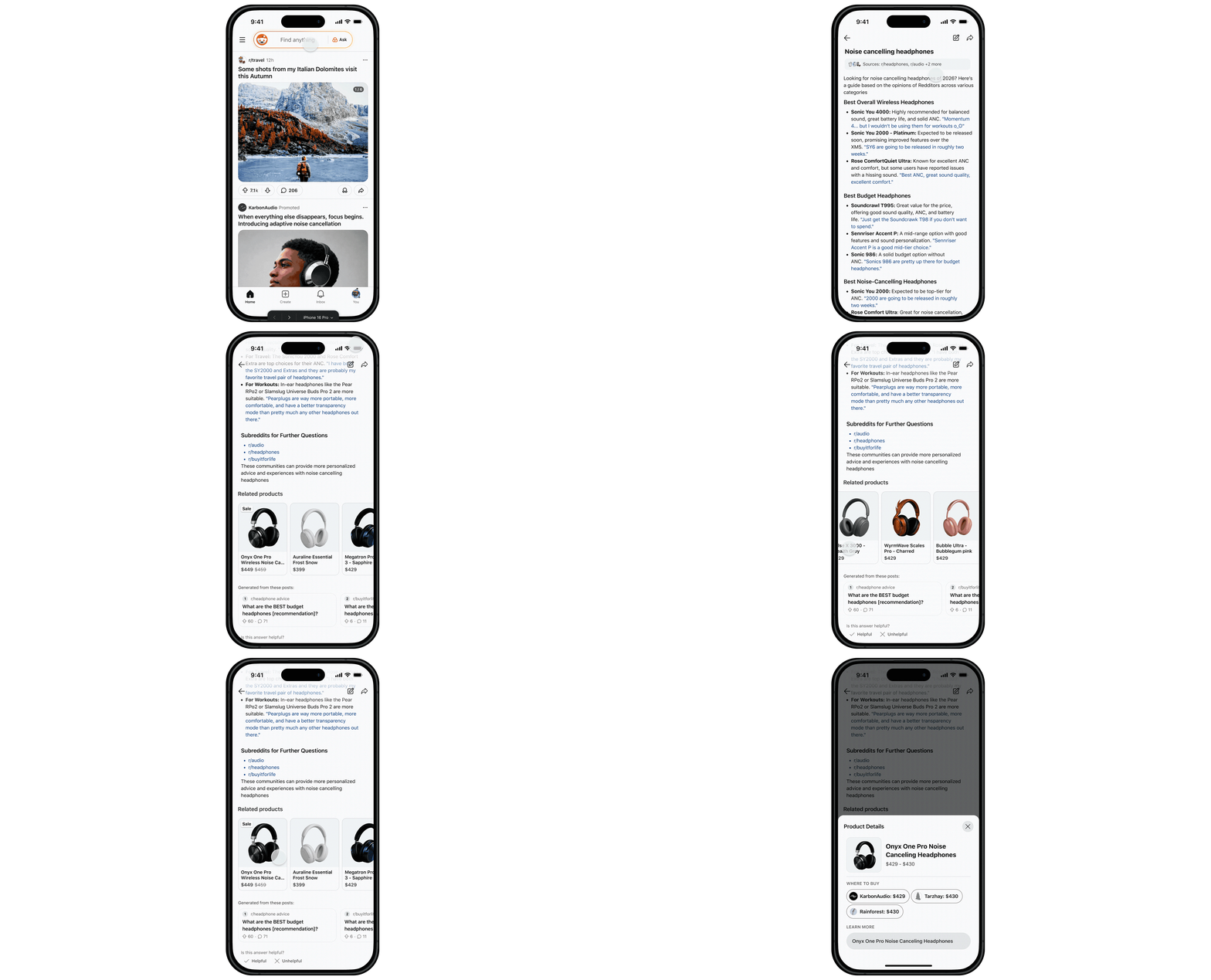
    I find Reddit’s new pilot program fascinating. They’re using AI to transform our beloved community recommendations into interactive, shoppable product carousels within search results.

    What’s happening: Right now, a select group of U.S.-based folks, including myself, might notice these exciting product carousels popping up in search results whenever our queries suggest a buying intent, like when searching for “best noise-canceling headphones” or “top budget laptops.”

    These carousels conveniently appear right at the bottom of the search results, showcasing pricing, images, and direct links to retailers. The coolest part? These products are derived from actual Reddit posts and comments rather than existing ad inventories.

    For those of us interested in consumer electronics, Reddit also collects data from specific Dynamic Product Ads (DPA) partner catalogs.

    How it works: The AI cleverly identifies queries with purchase intent, scans through relevant Reddit discussions for any product mentions, and arranges them into tidy, shoppable cards. When a card catches my attention, I can simply tap it to gain more information or be redirected to a retailer.

    Why we care: These shopping carousels are a real game-changer for advertisers. They bring products to the spotlight right when consumers, like me, are contemplating a purchase and seeking peer approval. Unlike typical ads, here these products merge with Reddit’s trusted community vibe, making them seem more like genuine recommendations than mere advertisements.

    For brands already involved in Dynamic Product Ads on Reddit, this development offers a seamless pipeline from community buzz directly to action.

    ```json
{
  "alt": "Smartphone display showing a Reddit app post of a person in front of snowy mountains.",
  "caption": "Explore stunning vistas through the lens of a traveler! Dive into breathtaking shots of the Italian Dolomites as shared on Reddit.",
  "description": "The image shows a smartphone screen displaying a Reddit app interface. A highlighted post from the travel subreddit features a photograph of a person standing in front of a landscape with vibrant autumn foliage and majestic snowy mountains, identified as the Italian Dolomites. The post has 7.1k upvotes and 206 comments, showcasing significant engagement. Below, a promoted ad for noise-cancelling headphones is visible. The interface also displays elements like search bar and navigation icons, illustrating typical usage of a social media app."
}
```

    Between the lines: Reddit is really onto something big here, doing what many competitors have struggled to achieve—using organic, community-driven content as the foundation for a shopping experience, rather than depending solely on targeted advertising.

    This approach is ingenious because consumers, myself included, are becoming warier of sponsored content. Reddit’s value relies on authentic community engagement, and by integrating that into a shopping feature, it elevates their credibility beyond traditional retail media networks.

    The big picture: Retail media is booming, and platforms catering to audiences with high purchase intent are in a race to claim their portion of the pie. With Reddit’s increasing search traffic, especially after partnering with Google, this development seems like the perfect next step.

    The bottom line: Reddit is testing how it can turn search intent directly into transactions, making it smoother for users like me to transition from recommendations to purchase, all while staying within the community context that fosters trust.

    Dig deeper: Check out the official statement on Reddit’s innovative shopping experience: In Case You Saw It: We are Testing a New Shopping Product Experience in Search


    Inspired by this post on Search Engine Land.

    crushpress.ai community screenshot
  • Boost Engagement with Multi-Image Shopping Ads on Microsoft

    Boost Engagement with Multi-Image Shopping Ads on Microsoft

    I’ve discovered that Microsoft Advertising is rolling out a captivating new feature that could transform how we see Shopping campaigns in Bing search results. These multi-image ads offer eCommerce brands a unique opportunity to showcase their products more vividly, potentially capturing shopper attention even before they click.

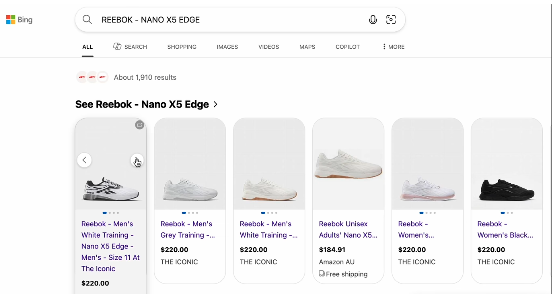
    What’s new. Now, I can include multiple product images in a single Shopping ad, allowing shoppers to preview various angles, styles, or variations directly within the search results. This approach could be a game-changer for advertisers.

    The design is crafted to enhance visual engagement and provide more informative ads. It allows consumers like myself to quickly compare options without the need to leave the results page.

    How it works:

    • I can upload additional images using the optional additional_image_link attribute in the product feed.
    • There is an option to include up to 10 images, which I can separate by commas.
    • The images will appear alongside pricing and retailer information in Shopping results.
    ```json
{
  "alt": "Online shopping results for Reebok Nano X5 Edge sneakers showing various styles and prices.",
  "caption": "Explore a range of Reebok Nano X5 Edge sneakers in different colors, available from multiple retailers at competitive prices.",
  "description": "The image displays online shopping results for Reebok Nano X5 Edge sneakers via a search engine. It showcases multiple sneaker styles, including white, grey, and black versions, with prices ranging from $184.91 to $220.00. Retailers like The Iconic and Amazon AU are highlighted, offering these products with different features, such as free shipping. Keywords: Reebok, Nano X5 Edge, sneakers, online shopping, footwear."
}
```

    Why we care. From my perspective, multi-image ads have the potential to boost engagement and purchase intent by offering a more comprehensive visual representation of a product. More imagery can highlight features, colors, and design elements that a single image might miss.

    Discovery. This feature was initially noticed by digital marketer Arpan Banerjee, who shared it on LinkedIn.

    The bottom line. For retailers like you and me, multi-image Shopping ads provide more creative freedom and give shoppers a richer context immediately. This shift has the potential to enhance ad performance and reshape how products are presented in search results.


    Inspired by this post on Search Engine Land.

    crushpress.ai community screenshot
  • AI Revolutionizes Digital Advertising by 2026: What You Need to Know

    AI Revolutionizes Digital Advertising by 2026: What You Need to Know

    As I look ahead to 2026, Google’s innovative strides in AI are truly reshaping digital advertising and commerce. Thanks to the leadership of Vidhya Srinivasan, VP/GM of Ads & Commerce, AI is significantly enhancing the shopping and advertising landscape, making it more efficient and personalized for everyone involved.

    Key Trends:

    Creators to commerce: In my experience, YouTube is increasingly becoming a go-to platform for discovery, largely because creators act as influential tastemakers. AI plays a pivotal role in pairing the right creators with brands, transforming influence into tangible business outcomes.

    ```json
{
  "alt": "Smartphone displaying a Google search page in AI Mode with a search bar at the bottom.",
  "caption": "Explore the power of AI with this smartphone's innovative Google search interface!",
  "description": "A smartphone screen showing the Google search interface in AI Mode. The top displays the time 09:41, with icons for settings, notes, and user profile. The bottom features a prominent search bar with options for voice input, camera, and search settings. This setup highlights modern smartphone capabilities, emphasizing AI-assisted search functionality and user-friendly design."
}
```

    Search ads evolve: With conversational and visual searches gaining popularity, AI Mode is revolutionizing ads to seamlessly integrate into the user’s discovery process. Innovative formats like sponsored retail listings and Direct Offers are crafted to assist users in their shopping journey while offering brands meaningful conversion opportunities.

    ```json
{
  "alt": "Smartphone displaying a digital note-taking app titled 'Meet AI Mode' with text about a modern rug.",
  "caption": "Exploring AI Mode: A new way to enhance your digital note-taking experience with smart suggestions.",
  "description": "The image shows a smartphone screen featuring a digital note-taking app under the title 'Meet AI Mode'. The app highlights a search for a modern, stylish rug suitable for high-traffic areas, suggesting the user hosts frequent dinner parties. The keyboard is active, and various icons are visible, indicating interactive features and smart suggestions to enhance user experience. This reflects innovative technology in mobile applications, focusing on user-friendly AI integration."
}
```

    Agentic commerce arrives: Through Google’s Universal Commerce Protocol (UCP), AI-driven shopping experiences are becoming standardized. This advancement allows users to browse, purchase, and finalize transactions effortlessly. Early adopters like Etsy and Wayfair have already started using this system, with giants like Shopify, Target, and Walmart soon joining the bandwagon.

    AI-powered creative and performance: I’m thrilled to see how tools powered by Gemini 3 are enhancing creative production and campaign optimization. Generative platforms like Nano Banana and Veo 3 help advertisers produce high-quality assets swiftly, while AI Max boosts reach and performance.

    ```json
{
  "alt": "Man in casual clothing writing on a glass board with a marker",
  "caption": "A man creatively visualizes his ideas, sketching plans on a transparent glass board.",
  "description": "The image depicts a man in casual attire, focused on writing with a marker on a glass board. The board is filled with complex diagrams and notes, suggesting a brainstorming session or planning process. This setting highlights a creative and collaborative work environment. Keywords: brainstorming, planning, teamwork, creativity."
}
```

    Trust as a foundation: It’s reassuring to know that each advancement prioritizes privacy and security. Strong data management practices, alongside transparent ad personalization, are founded on Google’s legacy of trust.

    Why we care: 2026 is poised to be a groundbreaking year, with AI enhancing every facet of the consumer journey. With cutting-edge tools like Gemini 3, Nano Banana, Veo 3, and AI Mode, brands like mine can efficiently create superior content, target the perfect audience, and seamlessly convert interest into purchases during search and discovery.

    The advent of agentic commerce through UCP presents a novel approach, connecting advertisers to consumers at critical purchasing moments, all while preserving trust and transparency.

    The big picture: The year 2026 heralds an expansive era for digital commerce and advertising, where the fusion of speed, personalization, and AI-driven insights eliminates barriers, facilitating smoother transitions from discovery to purchase while keeping trust paramount.

    Dig Deeper: Discover what’s next in digital advertising and commerce by 2026


    Inspired by this post on Search Engine Land.

    crushpress.ai community screenshot
  • How Google Ads Revolutionizes Product Campaign Tracking

    How Google Ads Revolutionizes Product Campaign Tracking

    I’ve just discovered a game-changing update from Google Ads that’s making my life a whole lot easier. Now, Google Ads shows per-product campaign eligibility, which makes spotting gaps and overlaps a breeze.

    With this new feature, I can see exactly which campaigns my products are eligible for, right within the Products section. This has transformed the way I approach campaign tracking.

    How it works. I find the new dashboard in the Products section incredibly useful. It includes:

    • A table that shows product details, status, issues, and priority flags
    • A line graph summarizing campaign status trends
    • Filters that let me segment eligibility views
    • A pop-up panel listing “Eligible” and “Not eligible” campaigns per product

    Why we care. This update helps me quickly identify products that are missing from essential campaigns or unintentionally overlapping, especially in Shopping and Performance Max. It saves me the hassle of bouncing between different campaign views to diagnose issues.

    ```json
{
  "alt": "A dashboard showing a graph and campaign eligibility status for products.",
  "caption": "A snapshot of a product campaign dashboard highlighting eligibility and performance insights over time.",
  "description": "This image displays a product campaign dashboard with a line graph depicting performance trends over time. A pop-up window shows the status of products in multiple campaigns, categorized into 'Eligible' and 'Not eligible'. Below, a table lists products, their eligibility status in various campaigns, and any associated issues. This setup aids in tracking and optimizing product campaigns effectively, providing a clear visual summary for management."
}
```

    The big picture: These changes allow me to swiftly spot products not running in expected campaigns and identify overlap before it’s a budgeting issue, all while minimizing time spent on troubleshooting.

    Between the lines. It’s clear that Google is focusing on giving advertisers like me more precise control over Shopping campaigns, a key factor in product-level optimization and profitability.

    When. The feature is available now in Google Ads.

    First seen. I first learned about this update thanks to Hana Kobzová from PPC News Feed.


    Inspired by this post on Search Engine Land.

    crushpress.ai community screenshot