When I learned about Google’s latest protocol, I realized how significant this new development could be for those of us in ecommerce. Google’s Universal Commerce Protocol (UCP) is here to revolutionize how purchases are made within the Gemini and AI search environments. It allows users to make purchases without ever leaving Google’s interfaces, which changes the game for search conversions.
As Google introduces AI Overviews, AI Mode in Search, and the Gemini ecosystem, a new challenge presents itself: how do users get answers and complete purchases seamlessly within Google’s spaces? That’s where UCP comes in, currently in its beta phase.
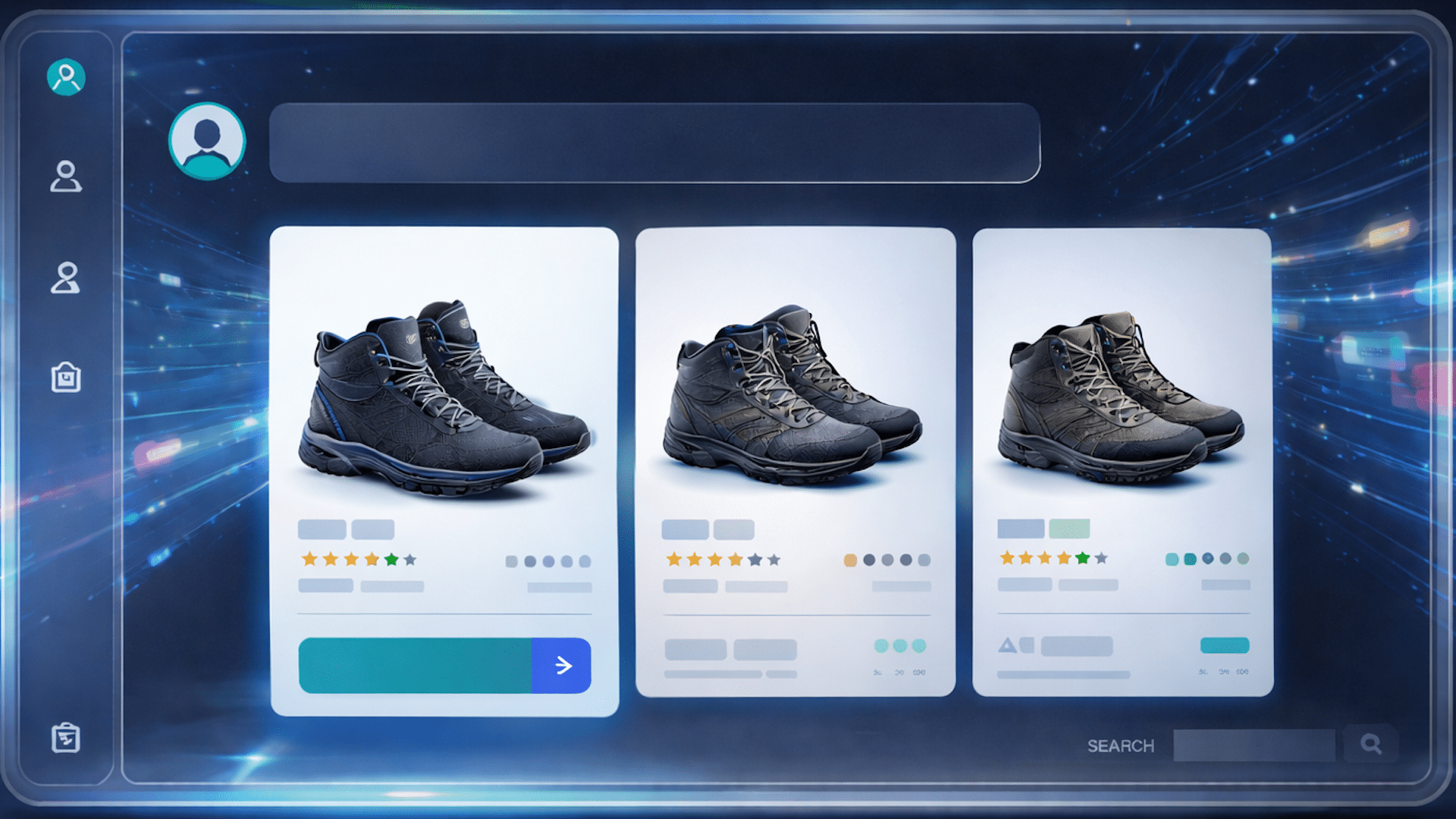
UCP is a tool designed to help brands reach customers directly within the Gemini or Language Learning Model (LLM) environments. It allows consumers to finalize transactions, earning reward points, and completing checkouts, all within the LLM. Imagine telling Gemini, “Find me a highly rated, waterproof hiking boot in size 10 under $200 and buy it,” and watching as UCP makes that transaction happen smoothly.
At its heart, UCP standardizes the communication between consumer AI interfaces and merchant checkout systems. Although Google’s developer documentation might mention terms like “Model Context Protocol (MCP)” and “Agent2Agent (A2A) interoperability,” the process is actually user-friendly:
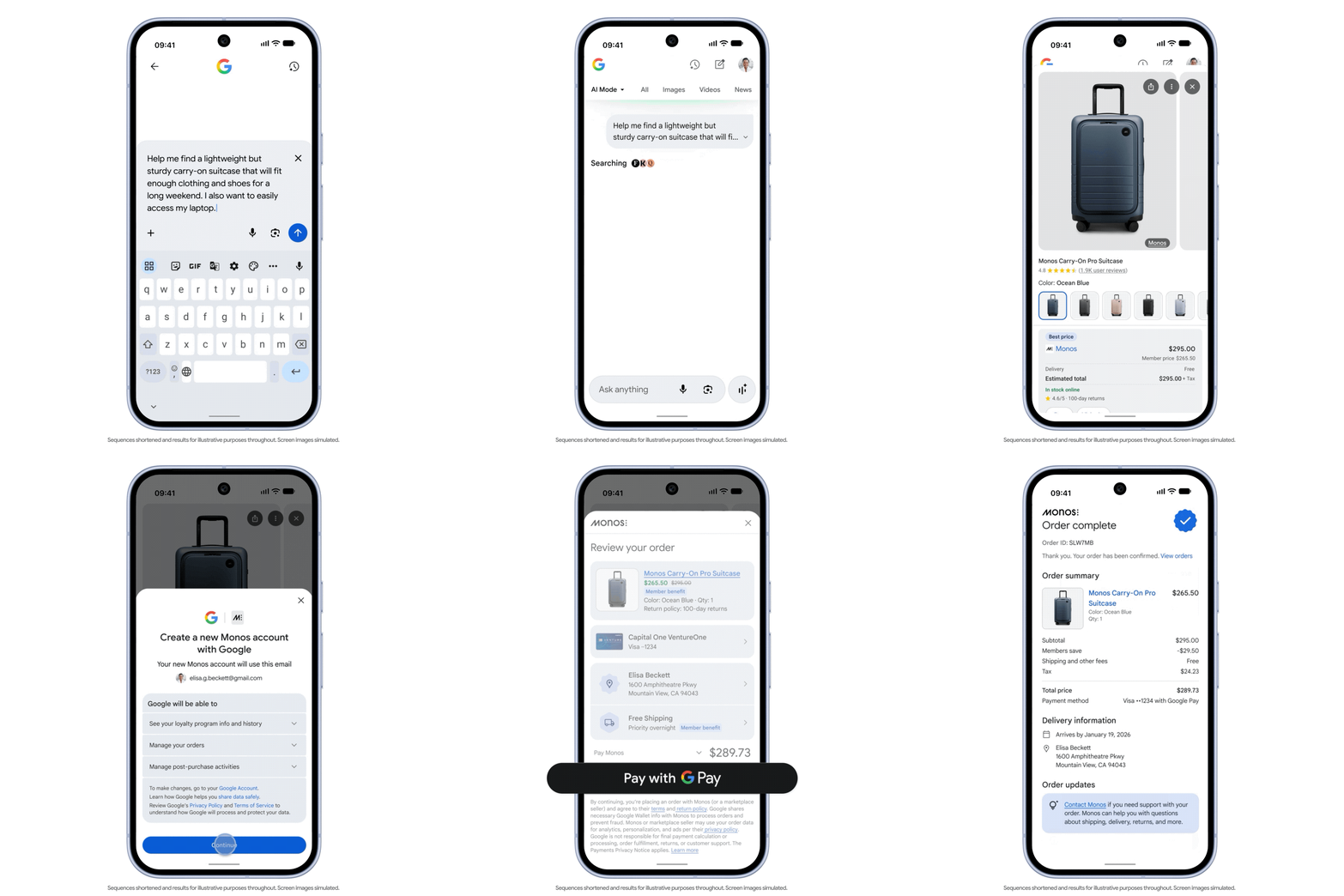
UCP leverages your existing Google Merchant Center shopping feeds. It ensures you remain the merchant of record, thus preserving your customer relationships and data. Plus, by integrating checkout within Google’s AI ecosystem, it minimizes cart abandonment and boosts conversions.
Explore further: How Google’s Universal Commerce Protocol changes ecommerce SEO
Implementing UCP involves enhancing your shopping feed management and staying updated on best practices. Google’s guidelines suggest focusing on feed data hygiene, conveying trust signals, and upgrading your technical infrastructure.

To excel in this new system, it’s crucial to detail your product listings accurately and ensure comprehensive descriptions. Trust and convenience become paramount as AI-driven decisions heighten consumer’s purchasing confidence. Providing data on free shipping, return policies, and reliable pricing can make a difference.
Finally, preparing for UCP means keeping pace with technological updates and future tools. Venture into Google’s pilot programs and explore features like Business Agents or Direct Offers to stay ahead in this evolving landscape.
The evolution of search into a transactional engine within LLMs is undeniable. UCP offers a clearer path from search discovery to purchase conversion, and it’s up to us to adapt and thrive in this shift by ensuring our product data is impeccable.
Inspired by this post on Search Engine Land.

Leave a Reply