JavaScript SEO seems like it should be a cinch by now, doesn’t it? Yet, here we are with persistent challenges that e-commerce sites continuously face. After five years of grappling with issues like crawling, rendering, and indexing, coupled with the complexities of headless builds and AI-powered recommendations, it’s clear we still have a ways to go. However, some top-tier ecommerce sites have cracked the code. Their innovative approaches offer invaluable lessons in maintaining organic visibility while shipping fast, modern JavaScript experiences. Let me share these five insights with you.
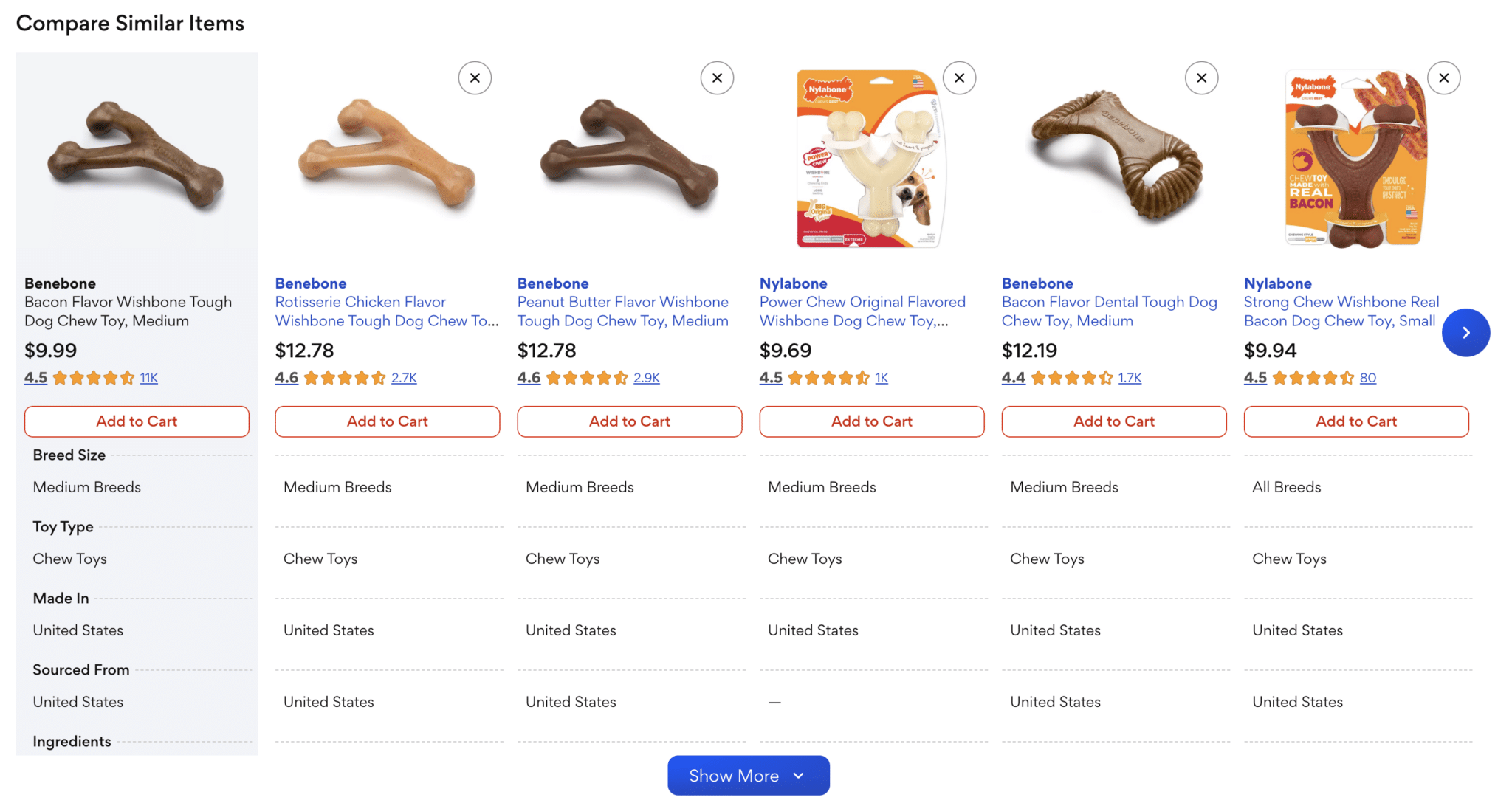
Chewy is a giant in the U.S. pet food and supplies online retail space. They’ve harnessed the power of Next.js, a React framework, to seamlessly integrate server rendering, static generation, and full-stack development into their operations. Imagine visiting a product page like the Benebone Wishbone Chew Toy. Here, everything you need—product title, description, pricing, reviews, Q&A, and breadcrumb navigation—is already embedded in the initial HTML. This means Googlebot can access this information right away, without having to wait for JavaScript to render. This approach reduces the risk of rendering issues, especially significant with the rise of AI chatbots that still don’t handle JavaScript efficiently. While not all content needs to be on the initial load, like the ‘Compare Similar Items’ carousel meant for user engagement, Chewy perfectly balances what’s essential for indexing with user experience enhancements.
Switching gears to Myprotein, this brand masters the art of making navigation easily crawlable. Using Astro, a content-first framework, their site ships zero JavaScript by default and includes components that support React, Vue, or Svelte, making their SEO strategy a prime example to study. By ensuring all navigation links are present in the initial HTML response, Myprotein leverages Astro’s island architecture to hydrate these elements with JavaScript interactively. Crawlers like Googlebot can thus easily discover and process these links since they use proper anchor elements with href attributes. This proactive strategy prevents navigation from being invisible or empty during searches, thereby preserving efficient crawlability.
Harrods, renowned for luxury goods, ensures their structured data delivers in the HTML’s initial response. By embedding structured data using the Product schema within the HTML directly, Harrods guarantees that Google can parse this data right from the first crawl, without waiting for page rendering. This foresight prevents client-side dependencies and ensures Google has immediate access to important data like pricing and availability, which is critical due to frequent updates in product details.
Over at Under Armour, the elegance of their faceted navigation shines. Built on Next.js like Chewy, Under Armour ensures filters on category pages are fast, interactive, and SEO-friendly. When shoppers apply filters, the product grid seamlessly updates without a full reload, leveraging client-side updates while maintaining clean, readable URLs that Google can index effectively. By avoiding hash fragments and bracketed query strings, these URLs become shareable and bookmark-friendly, thus enhancing both user experience and SEO performance.
Finally, Manors Golf demonstrates SEO prowess by efficiently managing third-party scripts on their site. Utilizing Shopify’s Hydrogen framework, they cleverly defer scripts using async attributes, ensuring they don’t block the initial rendering process. This tactic not only protects the Largest Contentful Paint (LCP) metric but also eases Google’s rendering workload, contributing to a robust SEO strategy.
The secret isn’t in using JavaScript itself but in how it’s used. When JavaScript serves to enhance rather than deliver the core functionality and content, it paves the way for an excellent user experience while preserving SEO integrity. These lessons from major e-commerce players are testament to the delicate balance between interactivity and search engine crawlability.
In February 2025, I watched a captivating display as humanoid robots graced the CCTV Chinese New Year stage. Although their steps were shaky, it was still delightful to witness.
A year later, these robots at the Spring Festival Gala had transformed, executing smooth moves, somersaults, and full kung fu routines. This rapid progression felt like a decade’s worth of technological advancement condensed into one year.
The technological leap wasn’t limited to robots. It raised a crucial question for digital marketers targeting the largest web population: How have China’s search trends evolved recently?
A parallel in the Chinese search landscape
We’re seeing early signs of a major shift. AI hasn’t replaced traditional search engines yet. Instead of a single breakthrough, change comes from consistent, subtle advancements.
New language models frequently emerge, each refined for a specific niche. Tech companies in China are increasingly sharing these developments openly, with players like Baidu integrating advanced models like DeepSeek into their platforms.
To understand the current search behaviors in China, we need to grasp the shift from simple link searches to more reasoning-based approaches and adjust our 2026 SEO strategies accordingly.
The great narrative fallacy: Is web search dead in China?
There’s a persistent narrative in marketing circles that traditional search, especially on Baidu, is obsolete — that everything is happening on platforms like WeChat. But how true is this?
The social supremacy argument
Indeed, China’s web is mobile-first and dominated by super-apps. While social media is pivotal, it’s not the sole avenue for B2C brands aiming to thrive amidst such a vast, versatile environment.
For instance, platforms like Xiaohongshu excel in lifestyle research, while Pinduoduo and Douyin are social commerce powerhouses. Meanwhile, WeChat is indispensable for everyday tasks.
The B2B reality check
For B2B sectors, dismissing Baidu is a mistake. Metrics show ongoing engagement and tangible results from Baidu SEO, often outshining Western counterparts in lead quality and conversion rates.
When B2B professionals seek industrial solutions, they prioritize verified websites over endless scrolling on social media apps, indicating an undying need for structured web searches.
Mapping the 2026 landscape: Intent-based specialization
As someone deeply integrated into the Chinese market, I’ve noticed that users select tools based on intent rather than defaulting to search engines. It’s an everyday occurrence here.
While optimizing for Baidu, others in my circle might be using Pinduoduo for deals or Xiaohongshu for travel plans. The right tool for the right task wins their clicks.
1. Traditional web search: The authority tier
Traditional search continues to dominate B2B and high-authority research areas. Baidu, despite narratives of its decline, remains central to mobile and web searches.
Baidu: Dominates mobile search with a vast user base. Though AI-driven, it remains a key player in web search.
Microsoft Bing: Offers a professional experience for a tech-focused audience.
Haosou (360 Search): Known for its security and enterprise-centric approach.
Sogou: Integrates with WeChat, bridging between app-based and traditional searches.
Google: Despite restrictions, it’s accessed by tech-savvy users via VPN for global insights.
2. Social discovery: The inspiration tier
Here, search turns into discovery. Users are led by interests rather than predefined keywords, making SEO a matter of being on the right social platforms at the right time.
WeChat (Weixin): For brand news and internal communications.
Xiaohongshu (RED): Essential for lifestyle and luxury brand discovery.
Douyin: Offers visual insights into product utility.
Kuaishou: Used predominantly in emerging markets for grassroots content.
Weibo: Ideal for real-time trends and news.
Bilibili: Focus on long-form video content and niche interests.
3. Ecommerce: The transactional tier
While Westerners often end their buying journeys on Amazon, Chinese users tend to both start and finish on the same platform, whether for variety or efficiency.
Taobao / Tmall: The prime destination for diverse product offerings.
JD.com: Favored for electronics and efficient logistics.
Pinduoduo: A leader in group-buy and value-driven purchases.
Douyin Mall: Capitalizes on impulse purchases through engaging content.
Xianyu (Goofish): Supports second-hand markets and niche hobbies.
4. Generative AI (LLMs): The reasoning tier
This emerging layer focuses on “thinking” searches where AI synthesizes data into insights rather than mere lists.
Doubao (ByteDance): Popular for casual queries.
DeepSeek (Domestic): Integrated with WeChat for deep logic queries.
Kimi (Moonshot AI): Specializes in handling lengthy documents.
Qwen (Alibaba): Plays a crucial role in business and coding tasks.
Tencent Yuanbao: Focuses on WeChat content.
Wen Xiaoyan (Baidu): Represents the next stage of Baidu’s AI search capabilities.
5. Hyper-local and logistics: The utility tier
This sector addresses immediate, location-driven demands, prioritizing services that cater to “now” and “near me” needs.
Meituan / Dianping: Leading platforms for food and leisure services.
Amap (Gaode) / Baidu Maps: Vital for navigation and local search optimization.
Ctrip (Trip.com) / Railway 12306: Key for travel and transportation booking.
From mapping to maneuvering: The Baidu specialist’s edge
Optimizing Baidu SEO extends beyond ranking web pages; it’s about mastering search landscape intricacies.
The ‘walled garden’ SERP: A decade of distraction
Focusing solely on Google-style tactics might overlook nuances like Baidu’s ad-heavy SERPs and content positions.
The ad-heavy layout: Ads can dominate substantial SERP real estate.
The Baidu monopoly: Prime organic positions often favor Baidu properties.
The portal giants: High-authority contributors also claim space within results.
Riding the Chinese SERP dragon
In this scenario, relying on long-tail strategies often proves more lucrative than targeting head keywords due to the complex Chinese language and diverse user base.
Whether leveraging platform authority or becoming a trusted contributor, it’s essential to adapt upcoming SEO tactics to sustain visibility.
What is changing in Baidu SEO?
The competition among AI models emphasizes versatility over loyalty, making Baidu SEO a nuanced challenge.
The AI-switching reality
Chinese users frequently shift between AI models, seeking superior intelligence or alternatives when certain models falter. This behavior means SEO must account for broader dynamics.
Brainstorming the wisdom platforms
Understanding the foundational platforms for AI development can greatly boost a brand’s presence in AI-dominated searches.
Tencent is invested in Sogou: Hence, Sogou Baike becomes integral for WeChat-based AI queries.
Bytedance owns Baike.com: Engaging here helps brands appear in Doubao’s results.
The neutral giants: Zhihu sits at the intersection of multiple investments, making it a balanced source for varied AI insights.
The new SEO commandment
SEO is now about optimizing for diverse data sources that fuel AI models, across various ecosystems.
In the B2B realm, Baidu remains central. Yet for ecommerce, branching into Alibaba or Doubao ecosystems will expand visibility across key AI systems.
The 2026 China SEO/GEO blueprint: From keywords to semantic saturation
Anticipating a specific SEO guide for AI like DeepSeek or Doubao misses the evolving landscape’s essence. The need is not for singular-model focus but a diversified approach that shifts with frequently changing user and model preferences.
Optimize for citations and not just clicks
Chinese SEO centers around fact density, aiming for content immediately recognizable by AI as authoritative.
The logic: AIs like Kimi and DeepSeek rank content based on factual reliability.
The tactic: Use clear, concise, data-backed writing, enabling rapid fact verification by AI.
Build an entity moat across wisdom platforms
Given that AI models distill and share intelligence, maintaining consistent brand representation across various platforms is crucial.
The goal: Ensure uniformity in brand presentation across Baidu, Sogou, and Baike.com.
The result: Consensus between AI models establishes your authority.
Leverage information gain
AI in China demonstrates a preference for recent data by about 25% compared to traditional search engines.
The tactic: Present unique, timely insights to stand out amidst common knowledge.
The era of the entity architect
We’ve moved past the initial robotic steps of 2025. In 2026, China’s search landscape is a dynamic entity, requiring an intricate understanding of intent fragmentation.
Despite the dominance of super-apps, the real revelation lies in this fractured landscape. My personal experiences echo this as my wife seeks deals on Pinduoduo, and my colleagues navigate Bing for professional resources. Meanwhile, AI enthusiasts cycle through LLMs for varied answers.
As a Baidu specialist, my role has evolved from targeting websites to designing robust entities. Building for the source, not just the bots, ensures your brand is consistently recognized and trusted, no matter which AI models deliver the solutions.
Imagine your brand becoming the celebrated go-to source, regardless of the search model. That’s the ultimate goal for today’s SEO specialists.
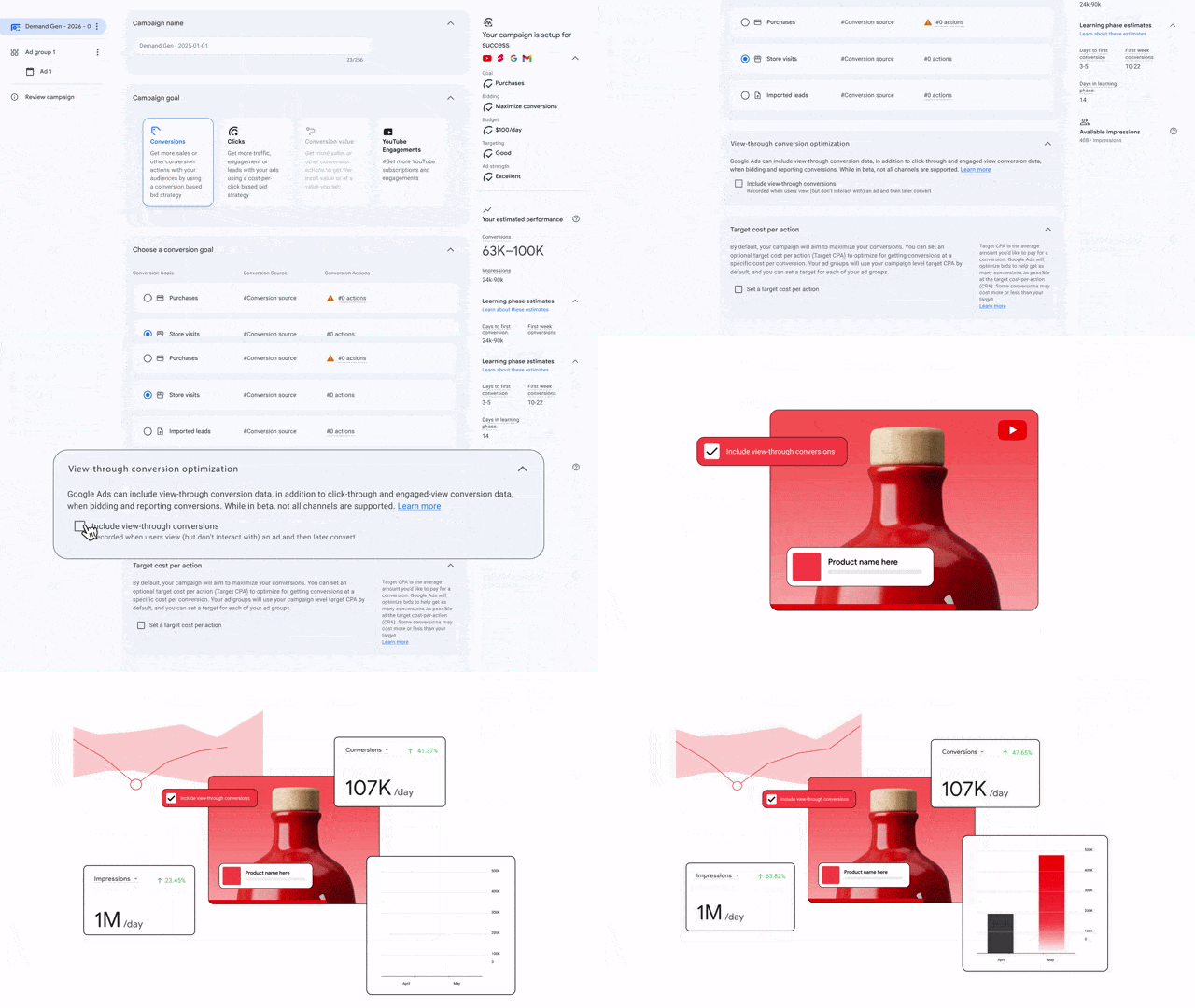
I’ve been following the latest updates from Google, and it’s exciting to see how they’re enhancing Demand Gen tools. These updates are designed to help advertisers like me convert quicker and reach more new customers on platforms like YouTube.
What’s happening. Google has integrated Demand Gen into their Commerce Media Suite. This means I can now leverage retailers’ first-party catalog and conversion data to connect with high-intent shoppers across YouTube, Discover, and Gmail.
The introduction of view-through conversion (VTC) optimization is another great addition. It allows my campaigns to focus on conversions that occur after an ad is viewed—speeding up performance significantly.
Why we care. These updates enhance the effectiveness of Demand Gen by turning views into tangible conversions. By utilizing retailer data and optimizing for view-through activities, I’m able to engage high-intent users, even if they don’t immediately click. This results in faster outcomes and increased customer acquisition.
Between the lines. Google is now focusing beyond clicks, using richer commerce data and view-based attribution to generate results in more passive, discovery-rich environments like YouTube.
What to watch. I expect more exciting announcements about Demand Gen at upcoming events like Google Marketing Live. As YouTube evolves, it’s becoming a comprehensive performance channel.
Bottom line. With these updates, Google has transformed Demand Gen into a robust, data-driven machine for converting high-intent audiences—especially on YouTube.
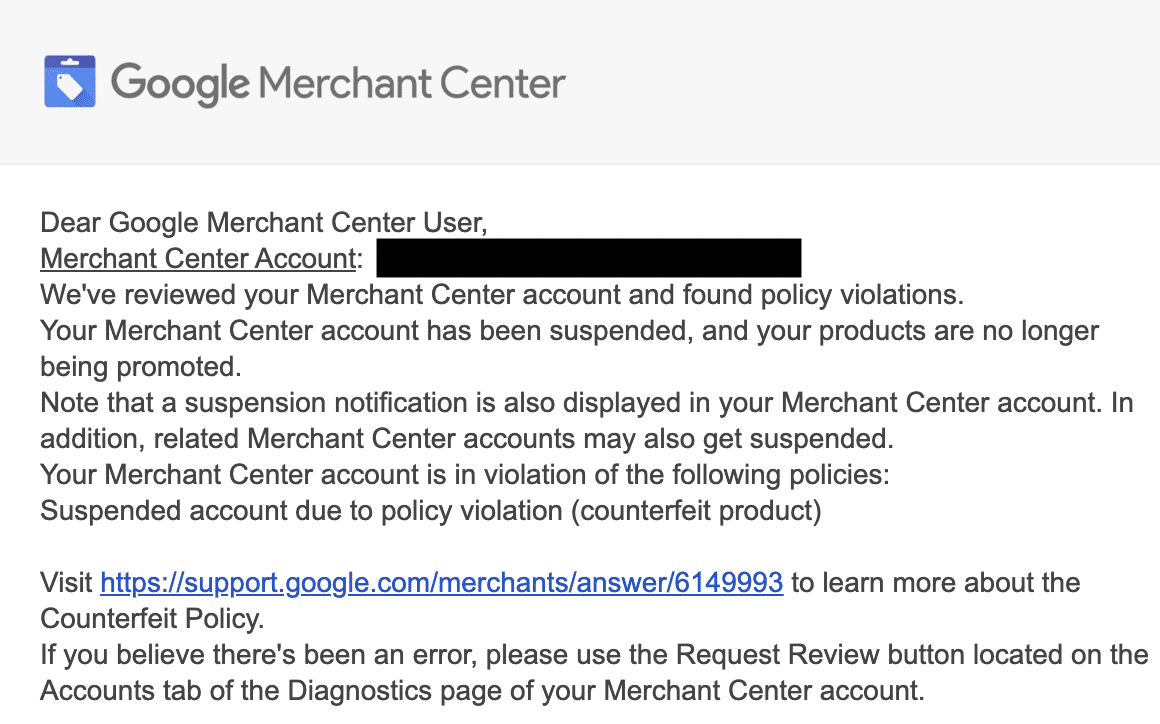
Having my Google Merchant Center account suspended felt like a gut punch. One moment, everything’s running smoothly, and the next, you’ve lost access to Google Shopping and your most lucrative sales channel is cut off. It’s daunting, but here’s how I managed to turn things around.
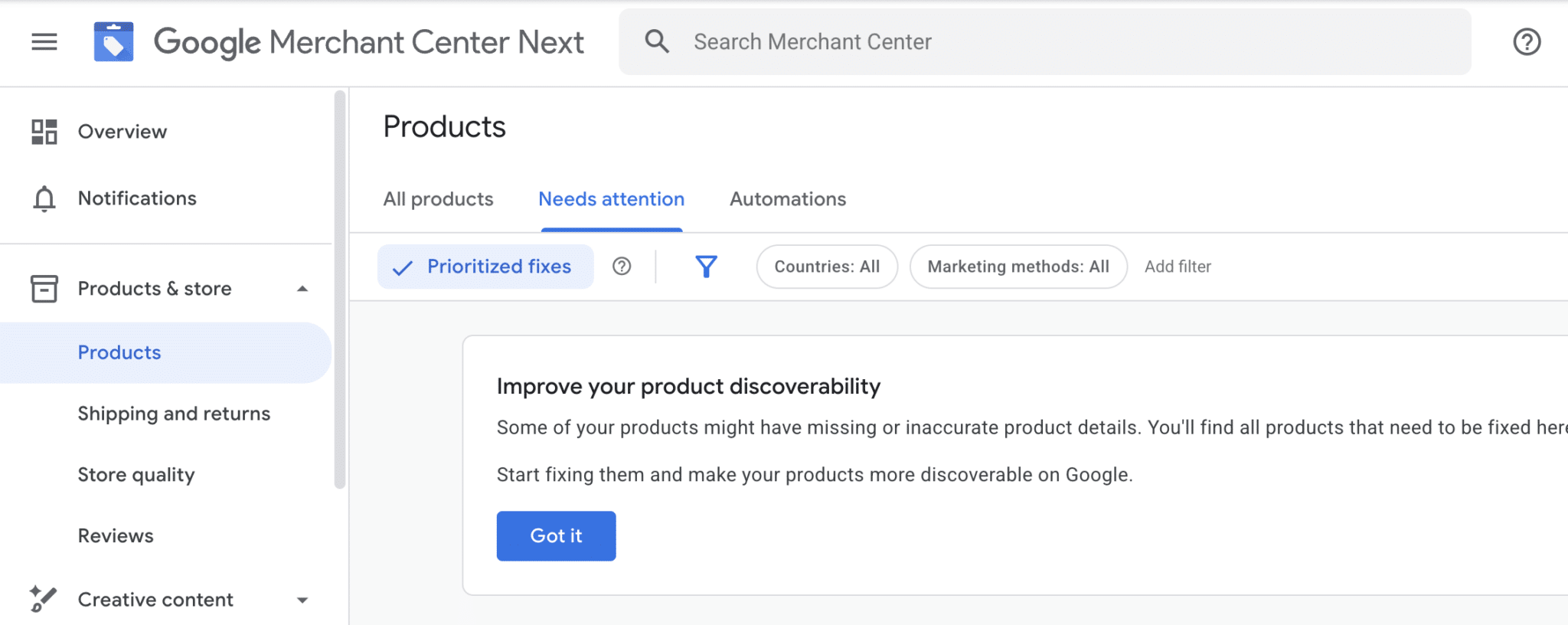
Initially, I needed to understand why my Merchant Center was flagged. It required a comprehensive audit of my site and feed to pinpoint and correct the issues before I could confidently request a review.
Google imposes strict policies for Google Shopping, stricter than its general advertising rules. Any perceived violation can lead straight to suspension. Let me walk you through my experience and offer some heartfelt guidance.
Here’s what I did to fix the suspension and bring my account back online. I learned it’s not just a matter of addressing one big issue; often, it’s a combination of smaller gaps that signal untrustworthiness to Google’s automated systems.
The first step was a complete compliance audit of my website and Merchant Center settings. I discovered that my Contact Us page needed a physical address and professional email. These are small details that Google flags for authenticity.
Next, I addressed policy pages like shipping, returns, and refund policies, ensuring they contained all the necessary details such as cancellation terms and payment methods.
Additionally, I ensured the functionality of my site was up to par. It was essential that Google could crawl my site without issue. I fixed URL structures and ensured product data matched across platforms.
Each change was meticulously documented and prioritized. Once everything was set, I requested a review from Google. It felt rewarding when Google approved the appeal and reinstated my account.
Key takeaway: It’s crucial to understand that reinstatement often requires addressing multiple aspects of your site and data feed. Google evaluates your entire ecosystem, not just isolated elements.
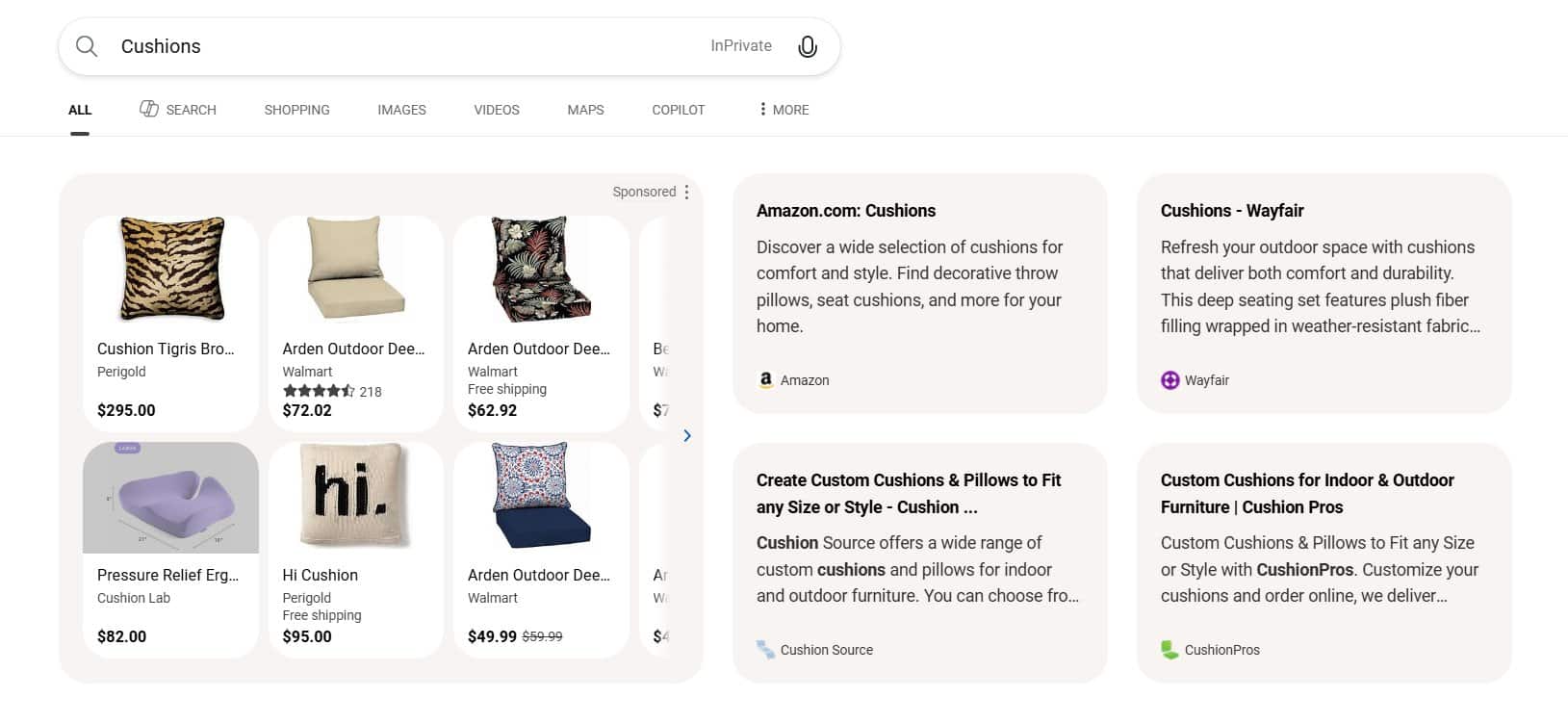
I’ve noticed that Bing is testing a double-rowed sponsored product carousel in its shopping results. As someone who keeps an eye on these updates, this change could offer substantial visibility boosts for Microsoft Shopping advertisers.
The test, first spotted by Digital Marketer Sachin Patel, caught my attention when he noticed the broader layout while searching for cushions on Bing. This new format combines a significant double-rowed sponsored carousel, prominently paired with organic results below.
Why this matters to me: If Bing decides to roll out this format broadly, I foresee a significant increase in screen space dedicated to sponsored products. This extra visibility typically translates to higher click-through rates, especially for those running Microsoft Shopping campaigns. The visually appealing double-row carousel puts Bing’s shopping ads on par with similar offerings by Google Shopping.
Here’s the catch: The test seems to be in its early stages, as not all users, including seasoned industry experts like Mordy Oberstein, are seeing this expanded format. When I checked myself, I noticed a more compact layout, hinting at Bing’s ongoing experimentation.
The takeaway: Bing often experiments with its search engine results pages without officially rolling them out. As a retailer using Microsoft Shopping, it’s crucial for me to stay alert for any increase in product impressions if the format becomes more widespread.
Initially discovered. This testing phase was initially spotted by Sachin Paten, who shared his insights and a screenshot on X.
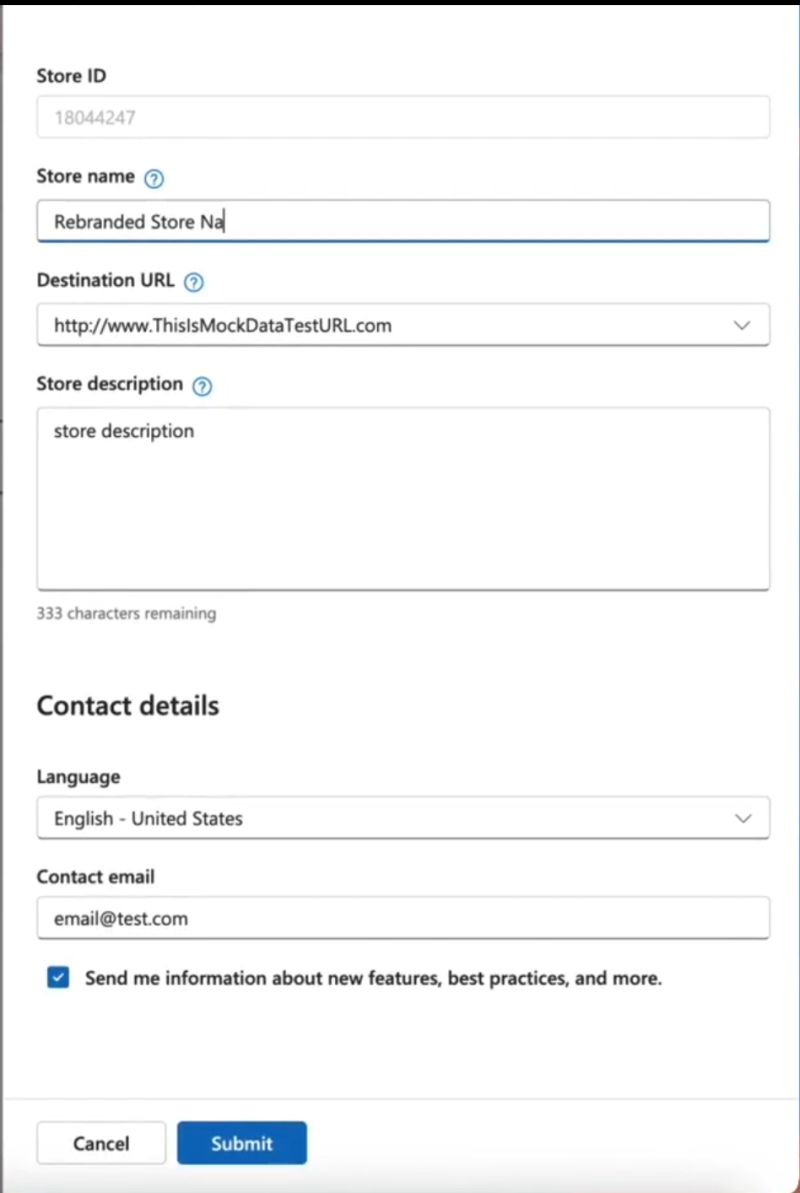
I’ve got some exciting news for those of us using Microsoft Advertising! Now, we can update our Merchant Center store names and domains without the hassle of submitting a support ticket. Everything is streamlined directly through the platform.
Why does this matter? As businesses grow or undergo rebranding, being able to quickly adjust names and URLs is crucial. Previously, I had to go through a cumbersome process, but now I have full control to make these changes seamlessly.
Here’s how it works:
When I want to change my store name, it goes through an editorial review. The best part? My ads continue to run under the old name, so there’s no downtime for my campaigns.
If I decide to switch my domain or URL, verification of the new domain is needed. Meanwhile, my ads still serve on the old domain, keeping my advertising efforts uninterrupted. Once approved, I’ll update product URLs to reflect the new domain.
Reusing store names or domains is perfectly fine as long as everything passes the editorial checks and domain verification. This provides me with flexibility while maintaining quality standards.
The bottom line? This update empowers me with more control over my store settings. It also ensures compliance by having robust checks like editorial reviews and domain verifications in place, safeguarding the quality of my ads.
I’m thrilled to share that Reddit is stepping up its ecommerce game by introducing exciting new shopping ad tools. These include innovative Dynamic Product Ad formats and a seamless Shopify integration, aiming to help retailers connect with Reddit’s ever-growing audience.
Reddit is really making commerce a priority, launching a range of features that let retailers leverage the platform’s powerful purchase influence. It’s fascinating to see this evolution as Reddit plays a more prominent role in the buying process.
Why now. There’s a noticeable surge in shopping discussions, having increased by 40% over the last year. According to Reddit, a whopping 84% of shoppers feel more assured about their purchases after browsing Reddit, yet, surprisingly, it remains the most undervalued media channel, as reported in Fospha’s State of Retail Commerce 2026 study.
What’s new.
Collection Ads — This dynamic ad format pairs enticing lifestyle images with purchasable product tiles in a carousel, brilliantly merging discovery with purchase. Those who’ve embraced these best practices are seeing an impressive 8% boost in ROAS.
Community and Deal overlays — Exclusive Reddit-native labels like “Redditors’ Top Pick” and automated discount alerts provide valuable social proof and price signals without any additional effort from advertisers.
Shopify integration — In its alpha stage, this integration streamlines catalog and pixel setup for new Dynamic Product Ad enthusiasts, facilitating automatic product-user-context matching.
The numbers. In Q4 2025, Reddit’s Dynamic Product Ads delivered an average of 91% higher ROAS compared to the previous year. Notably, Liquid I.V. has seen DPAs constituting 33% of its total platform revenue, significantly outperforming other conversion campaigns by 40%.
Why we care. The introduction of tools like the Shopify integration drastically lowers the barriers for launching Dynamic Product Ads on Reddit. With Reddit still an undervalued channel, it’s a golden opportunity to capitalize on before the market becomes more competitive and costs escalate.
The bottom line. Reddit is seriously enhancing its reputation as a performance channel in ecommerce, and these new tools make it much easier to join the race. For retailers who haven’t yet utilized DPAs on Reddit, this is an excellent moment to experiment with an undervalued inventory and evolving ad formats.
Starting April 16, Google is tightening rules around political content in Shopping ads. If you’re running such ads, you might need to verify your account as an election advertiser. Let me walk you through what’s happening and why it matters to us.
What’s Changing? From mid-April, merchants in nine countries must verify their Google Ads accounts for political Shopping ads. Plus, some political ads will face outright bans in India.
Countries Affected: You’ll need to pay attention if you’re operating in Argentina, Australia, Chile, Israel, Mexico, New Zealand, South Africa, the United Kingdom, or the United States.
Why Does This Matter? This update shows Google’s commitment to election integrity across different platforms, including commerce. If you’re selling political merchandise or campaign items, it’s crucial to act before the deadline.
What Should You Do?
1. Check Google’s updated policy to see if your ads now fall under these new guidelines.
2. If they do, apply for election advertiser verification via Google Ads before April 16 to keep your ads running smoothly.
The Bottom Line:This change might affect a small group of merchants, but missing the deadline could lead to disapproved ads or flagged accounts. If you’re selling politically themed items in the specified regions, verify your eligibility now to avoid hiccups.
When I first heard about Walmart’s experiment with ChatGPT’s Instant Checkout, I was intrigued. But after testing 200,000 items, Walmart discovered that conversions through this method were three times lower compared to their website.
Why This Matters: This experiment highlights an important point: traditional shopping environments still hold the crown when it comes to conversions. Even in a world dominated by AI, guiding users to owned environments proves more effective.
The Experiment Details: Starting last November, Walmart introduced around 200,000 products available for purchase directly inside ChatGPT through OpenAI’s Instant Checkout. The goal was to let users buy items without ever leaving ChatGPT.
Daniel Danker, Walmart’s EVP of Product and Design, revealed that these purchases had a conversion rate one-third lower than similar transactions on their website. He described the experience as “unsatisfying,” which prompted Walmart to reconsider their approach.
Farewell to Instant Checkout: Originally, Instant Checkout aimed to complete transactions within ChatGPT. However, OpenAI recently confirmed plans to phase it out, leaning towards merchant-handled app checkouts.
Changes on the Horizon: Walmart plans to integrate its own chatbot, Sparky, within ChatGPT. This will allow users to log into Walmart’s system, sync their carts across platforms, and finalize purchases seamlessly.
A similar integration with Google Gemini is expected next month, broadening Walmart’s technological reach.
The WIRED Report: For those interested in the comprehensive story, WIRED provides further insights into how Walmart and OpenAI are revolutionizing agentic shopping (subscription required).
Google’s foray into AI Overviews is rapidly transforming the landscape of shopping queries. I’ve discovered that these AI Overviews now appear in 14% of all shopping searches—an impressive leap from just 2.1% in November 2025. This data comes from a comprehensive analysis by Visibility Labs.
Ecommerce brands, which previously seemed shielded from the impact of AI-driven click reductions in search results, are now beginning to feel the heat. This change signifies a shift they can no longer ignore.
Why This Matters to Us. As AI Overviews extend their reach across product searches, the risk for ecommerce brands is escalating. The chance of losing visibility and clicks prior to customers engaging with standard organic or Shopping listings is becoming a real concern.
The Analysis. The Visibility Labs study specifically analyzed product-intent keywords associated with results that included a Shopping box, irrespective of whether they were paid or organic. This included terms like “weighted blanket,” “mushroom coffee,” “protein powder,” and “blue T-shirts.”
Out of this extensive research, involving 20,900,323 shopping-related keywords, 2,919,229 keywords featured an AI Overview. This equates to a 14.0% penetration rate.
Expert Opinion. Jeff Oxford, the founder and CEO of Visibility Labs, emphasizes:
“Focusing on AI SEO is no longer a luxury; it’s becoming a necessity. Ecommerce sites must look beyond traditional SEO tactics and start weaving AI SEO best practices into their search optimization strategies.”