Tag: Growth Strategy

  • Why Accessibility Is an $18 Trillion Marketing Advantage

    Why Accessibility Is an $18 Trillion Marketing Advantage

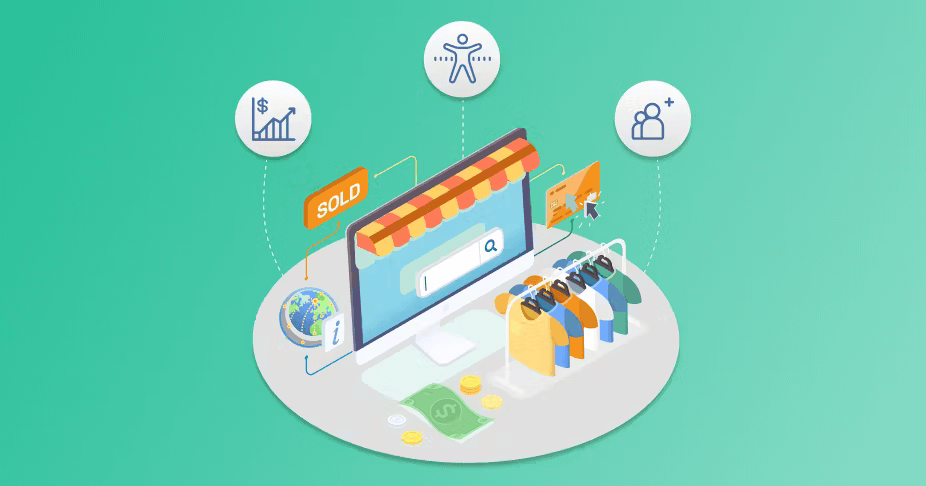
    Illustration of an online storefront against a green background, featuring a digital shop window, clothing items, a sold sign, and icons representing growth, accessibility, and customers.

    Every so often, I see a product launch turn into a marketing lesson bigger than the product itself. Selena Gomez’s Rare Beauty did that with a new fragrance, but it was not only the scent that drew attention. The bottle became the story. Its accessible, easy-to-use packaging sparked conversation, earned praise from accessibility advocates, and reminded me how powerful inclusive design can be when it is built into the product from the start.

    For me, the lesson is clear: accessibility is not a side note. It can become the campaign. One thoughtful design choice created cultural impact that would be hard to buy with media spend alone. It also showed why accessibility can build loyalty, strengthen brand reputation, support compliance, and drive measurable growth.

    Accessibility as a campaign strategy

    I do not see Rare Beauty’s accessibility work as a one-off moment. From packaging to pricing to its ongoing mental health advocacy, the brand has consistently made inclusivity part of its identity. That matters because consumers can usually tell when a brand is chasing attention versus when it is acting from a real strategy. They reward brands that lead with values and follow through.

    Rare Beauty is not alone. I see leading brands across industries using accessibility as a differentiator, not a footnote. Apple often frames accessibility features as part of product innovation. Microsoft has brought inclusive design into mainstream campaigns, including adaptive gaming products that positioned accessibility as a source of creativity and connection. In fashion and retail, brands like Tommy Hilfiger and Unilever have put adaptive design into product launches and brand identity instead of treating it as a niche offering.

    Studies from Edelman and McKinsey show why this shift matters. According to those studies, 73% of Gen Z choose to buy from brands they believe in, and 70% say they try to purchase products from companies they consider ethical. I do not see those as fringe preferences. I see them as mainstream expectations that should change how marketers build trust and growth.

    The $18 trillion market marketers overlook

    More than 1.3 billion people globally live with a disability. Together with their friends and family, they control more than $18 trillion in spending power, according to the Return on Disability Group. I believe marketers should view this as more than a compliance issue. It is a growth opportunity, a reputation opportunity, and a trust-building opportunity with one of the world’s largest and most passionate consumer groups.

    That passion often turns into advocacy. In discussions with AudioEye’s A11iance Team, a group of individuals with disabilities who regularly share feedback on real-world accessibility experiences, one member said, “If I find a website that works and works very well for me, I will always recommend it to friends and family because I want people to have the same experience that I have.”

    Another A11iance Team member, Maxwell Ivey, put it this way: “The cheapest form of advertising is word of mouth, and people with disabilities can have some of the loudest voices when we find people willing to make the effort. Because it’s that sincere effort over time that really counts with us.”

    When accessibility becomes part of the customer experience, I see it create something media budgets cannot easily buy: trust and loyalty that scale through advocacy. But the reverse is also true. In a survey of assistive technology users, 54% said they do not feel eCommerce companies care about earning their business.

    That should get every marketer’s attention. Too many brands are still fighting for the same crowded audience segments while overlooking a major opportunity in plain sight. When they do, they leave loyalty, advocacy, and revenue on the table.

    Here is where I see many brands stumble: accessibility often stops at the shelf. Marketers invest heavily in packaging, store displays, and product design, while digital experiences lag behind. Yet those digital experiences are often the first and most important touchpoints customers have with a brand.

    As accessibility-led design earns more attention, loyalty, and earned media, the gap between physical product innovation and digital experience becomes harder to ignore.

    AudioEye’s 2025 Digital Accessibility Index found an average of 297 accessibility issues per web page detectable by automation alone. Each issue can create friction in the customer journey, cost a conversion, or introduce compliance risk under frameworks such as the Americans with Disabilities Act (ADA) and the European Accessibility Act (EAA).

    I would not launch a campaign without a brand review or a legal check. In the same way, I do not think any digital touchpoint should go live without an accessibility review.

    Four moves marketing leaders can make

    Too often, I see accessibility treated as a risk to manage instead of an advantage to use. The marketers who gain ground will be the ones who change that mindset. I would start with four practical moves.

    1. Make accessibility your campaign hook

    I would not hide accessibility in the fine print. I would lead with it. Brands like Rare Beauty have shown that inclusive design is the story. Build campaigns where accessibility is not an afterthought, but the differentiator that earns attention and loyalty.

    2. Bake it into your brand system

    Accessibility should not sit off to the side. I would make Web Content Accessibility Guidelines (WCAG) alignment part of the brand system, right alongside typography, logos, and tone of voice. When accessibility is documented and expected, it becomes easier to apply across every campaign.

    3. Use data as your proof point

    Marketers are storytellers, but numbers strengthen the story. I would track accessibility improvements such as fewer user-reported barriers, higher accessibility scores, stronger alt text, better color contrast, and more usable forms. Then I would connect those metrics to business outcomes like conversion, reach, and sentiment to show how accessibility drives ROI, not just compliance.

    4. Protect accessibility like brand safety

    I would treat accessibility with the same seriousness as brand safety. Every update, seasonal campaign, and product drop should be monitored for accessibility. Trust and reputation are too valuable to leave exposed.

    The competitive advantage

    Rare Beauty’s fragrance launch proved something important to me: when a brand leads with accessibility, the story can write itself. Loyalty builds more authentically, and momentum feels more natural because the value is real.

    The larger opportunity is that many brands still do not see it. They continue to treat accessibility as a compliance checkbox when it can be a growth strategy.

    For marketers, that is the wake-up call. Accessibility builds loyalty. It strengthens brand reputation. It supports compliance. And it can drive measurable growth across marketing efforts.

    Rare Beauty showed how accessibility can capture attention at the shelf. Now I see the next opportunity clearly: making sure that same accessibility carries through online. When every touchpoint welcomes everyone, every campaign has a better chance to deliver its full impact.


    Inspired by this post on Search Engine Land.


    crushpress.ai community screenshot
  • Unlock Your SEO Success with These Three Critical Questions

    Unlock Your SEO Success with These Three Critical Questions

    When I think about search performance, I understand that rankings and conversions are just the tip of the iceberg. The real test is uncovering how potential buyers come across, evaluate, and eventually choose brands like mine.

    In today’s world, our audience is jumping between search engines, AI assistants, social media, online marketplaces, review sites, and even private communities before making buying decisions. This shift requires me to focus on three key areas: presence, understanding, and growth momentum.

    The first question I ask myself is: Am I present where demand forms? Is my brand showing up at the start of a potential customer’s journey, not just when they’re ready to buy?

    This goes beyond typical metrics like rankings or impression share. It’s about ensuring that my brand is visible when people are exploring and asking the first questions, comparing options, reading reviews, or checking out marketplaces and influencers.

    It’s a common mistake to confuse a lack of presence with poor conversion. From tracking nearly 200 brands for a year, I’ve learned that brands can appear healthy by converting people who already know them, but they lose out where the majority initially explore the category.

    Taking the travel industry as an example, presence is crucial since many plan vacations before choosing a brand. If I’m not there early on, my brand might not even make the list of considerations. The real question is: what share of those discovery moments do I own?

    If branded conversion is strong but unbranded presence is weak, the growth opportunity lies upstream. I need to look at places like review sites, marketplaces, creator content, and long-tail non-brand queries. That’s where the true choice is being made.

    The second question is: Am I being understood? When my brand appears, the next concern is whether people truly understand and trust what they find. A brand’s message needs to align across all channels, from ads and organic results to reviews and AI-generated summaries.

    AI complicates this by compressing answers and shifting details. As someone striving for search visibility, I know it’s not just about getting traffic — it’s about making sure the right people are reading the right message and being nudged towards choosing my brand.

    Data shows that AI-driven search can bring smaller but far more valuable audiences if my brand is accurately portrayed. Our research suggests that AI visibility often correlates differently across industries — in fashion, it positively impacts market share, while in finance, it can be counterproductive.

    The third question, and perhaps the most vital, is: Is anything compounding? Is my brand becoming easier to find and choose over time, showing healthy momentum, or am I perpetually buying each sale?

    Key indicators include whether branded search is growing without massive spending, if direct traffic is increasing, and whether organic content keeps drawing in new visitors. These suggest that my brand’s reputation, trust, and evidence base are growing.

    The opposite scenario is equally telling: paid dependencies rise while organic demand dims, leading to stagnant momentum. I need to assess where my discoverability rank stands relative to actual market share and act accordingly.

    A mismatch between high demand and low discoverability means I’m on borrowed time with favorable numbers. Consistent gaps suggest underlying issues that symbolic fixing, like better media spending, cannot solve alone.

    Ultimately, understanding which constraint — be it presence, understanding, or momentum — is impeding growth allows me to correct course efficiently and effectively.


    Inspired by this post on Search Engine Land.


    crushpress.ai community screenshot