
As I dive into the evolving landscape of search, I’ve noticed a shift from traditional keywords to more conversational prompts. In today’s digital world, searchers are replacing shorter queries with detailed prompts, seeking comprehensive answers rather than a mere list of links.
Until we’re equipped with an AI-specific Google Search Console or Bing Webmaster Tools, understanding our audience’s behavior on AI platforms feels like a guessing game. But fear not, as we can still trace their journey using data proxies. By leveraging these proxies, I can uncover how my audience might be searching and track those prompts with my preferred AI Tracking Tool.

One invaluable tool is the ‘People Also Ask’ feature on search engines. This well-known SERP component can help transition from keywords to questions. Introduced in 2014, it suggests related questions, allowing me to explore queries that echo conversational prompts.

Using platforms like AlsoAsked, I can extract these questions at scale, finding long conversational queries that closely resemble AI prompts.

Another avenue I explore is through Userbots such as ChatGPT-User and Perplexity-User. These bots offer insights into how my content is utilized in AI search, highlighting pages that are frequently cited without needing to guess the relevance of prompts.
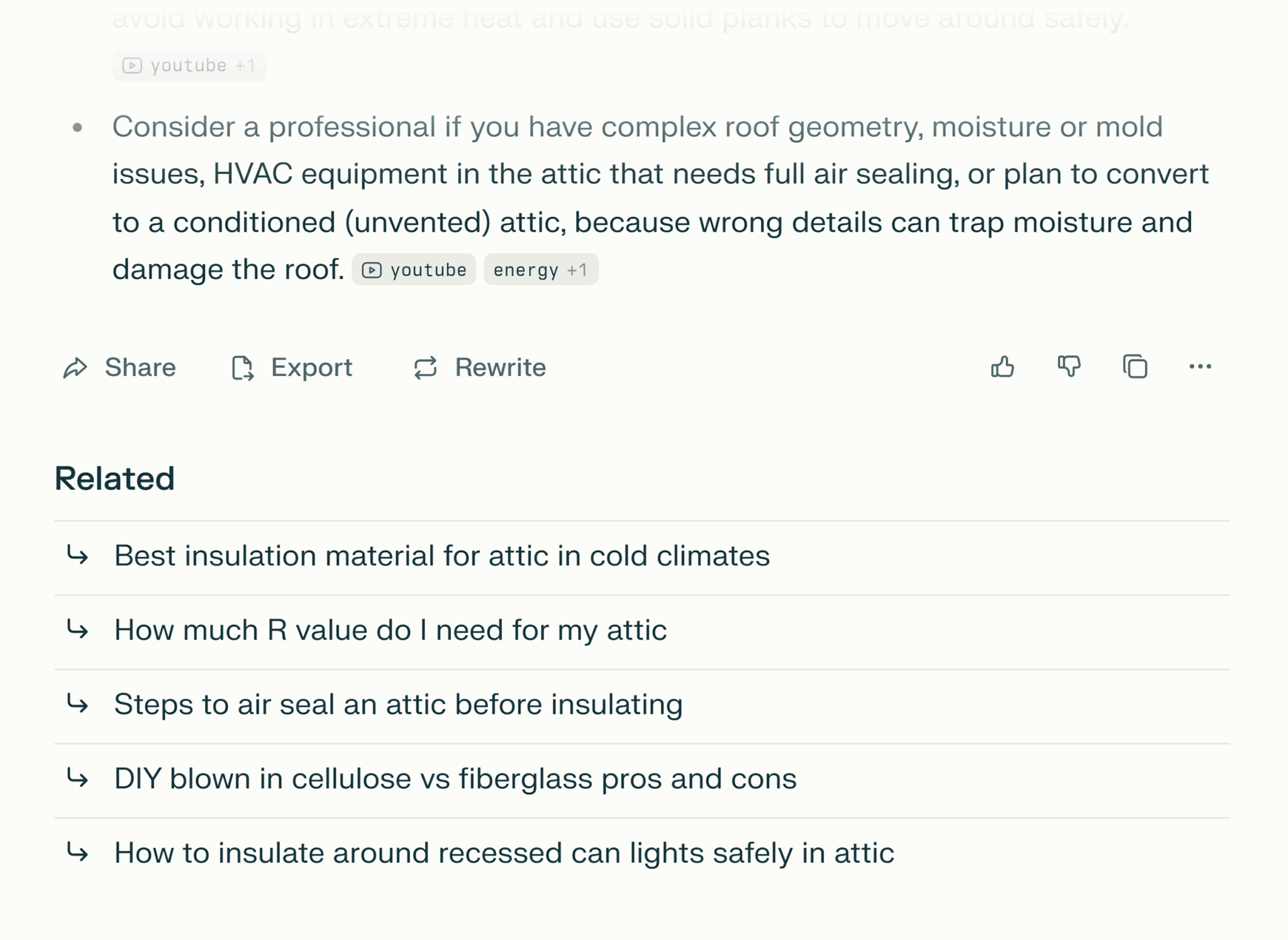
The process, called RAG (Retrieval-Augmented Generation), effectively grounds language models in factual data. It’s fascinating to consider how my content can play a role in shaping user responses, even if it doesn’t result in a direct click.
Gaining insights from long queries through tools like Google Search Console is another method I employ. By utilizing innovative techniques like Ziggy Shtrosberg’s complex regex filters, I can unearth queries that simulate AI search behavior.
It’s essential to approach this data cautiously, as some patterns might stem from automated trackers rather than genuine human interaction. For instance, high-appearance queries with zero clicks could indicate non-human usage.
Engaging with Perplexity AI’s follow-up feature is also enlightening. This feature can hint at how users might prompt AI systems, aiding my understanding of expected human interaction.
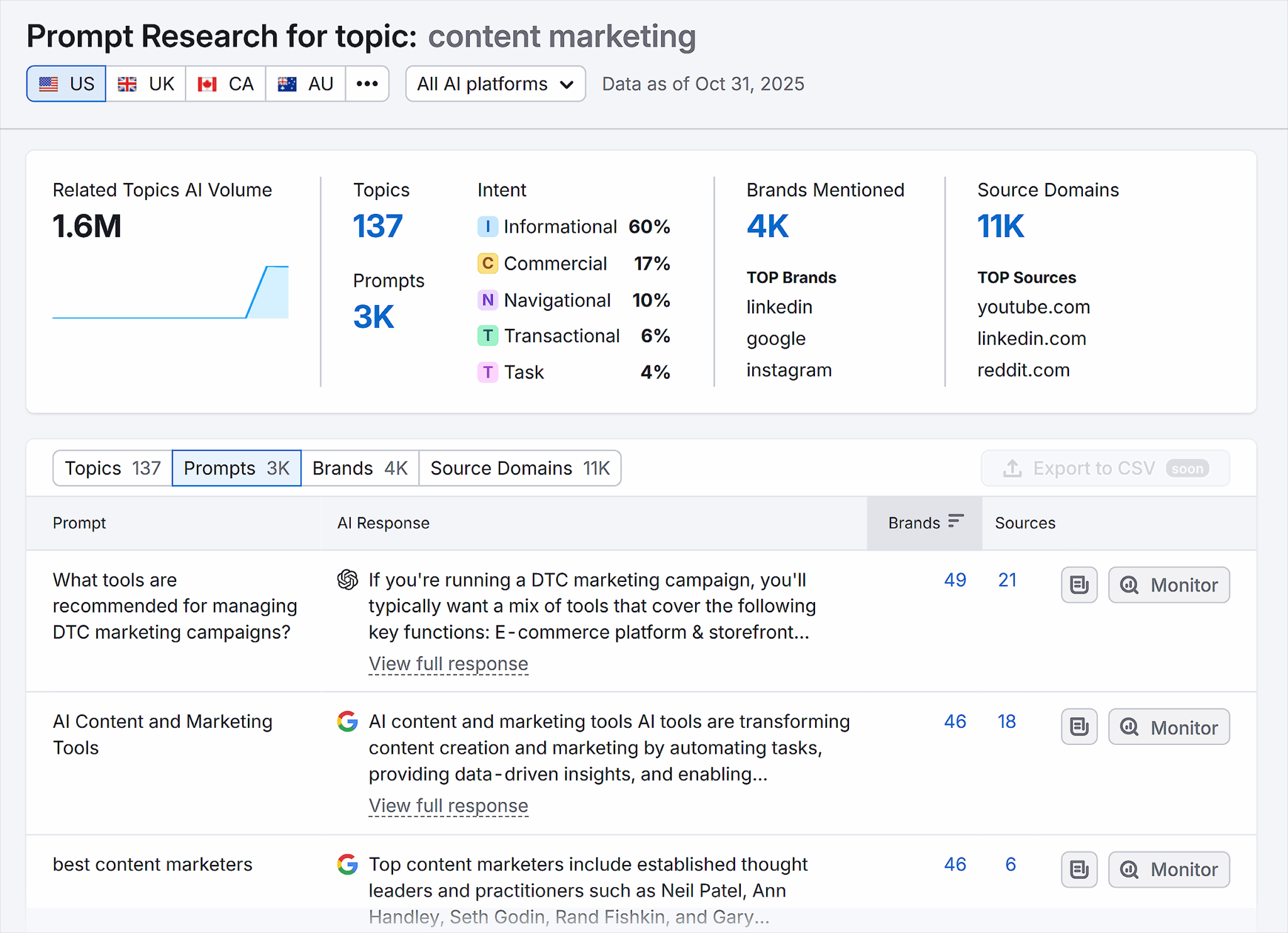
Finally, the Semrush AI Visibility Tool provides an ingenious way to manage the scaling challenge of unique prompts. By merging prompts into broader topics and using AI to distill their meanings, I gain valuable insights into intent and brand mentions across different regions.
In a rapidly changing tech environment, staying grounded in data is vital. Not all prompts engage Retrieval-Augmented Generation (RAG), which means those needing answers already in training data may bypass linking to new page sources.
However, when users seek recommendations (for example, dining options or attractions), page visibility within AI-generated answers can still convert offline interactions, benefiting brand exposure.
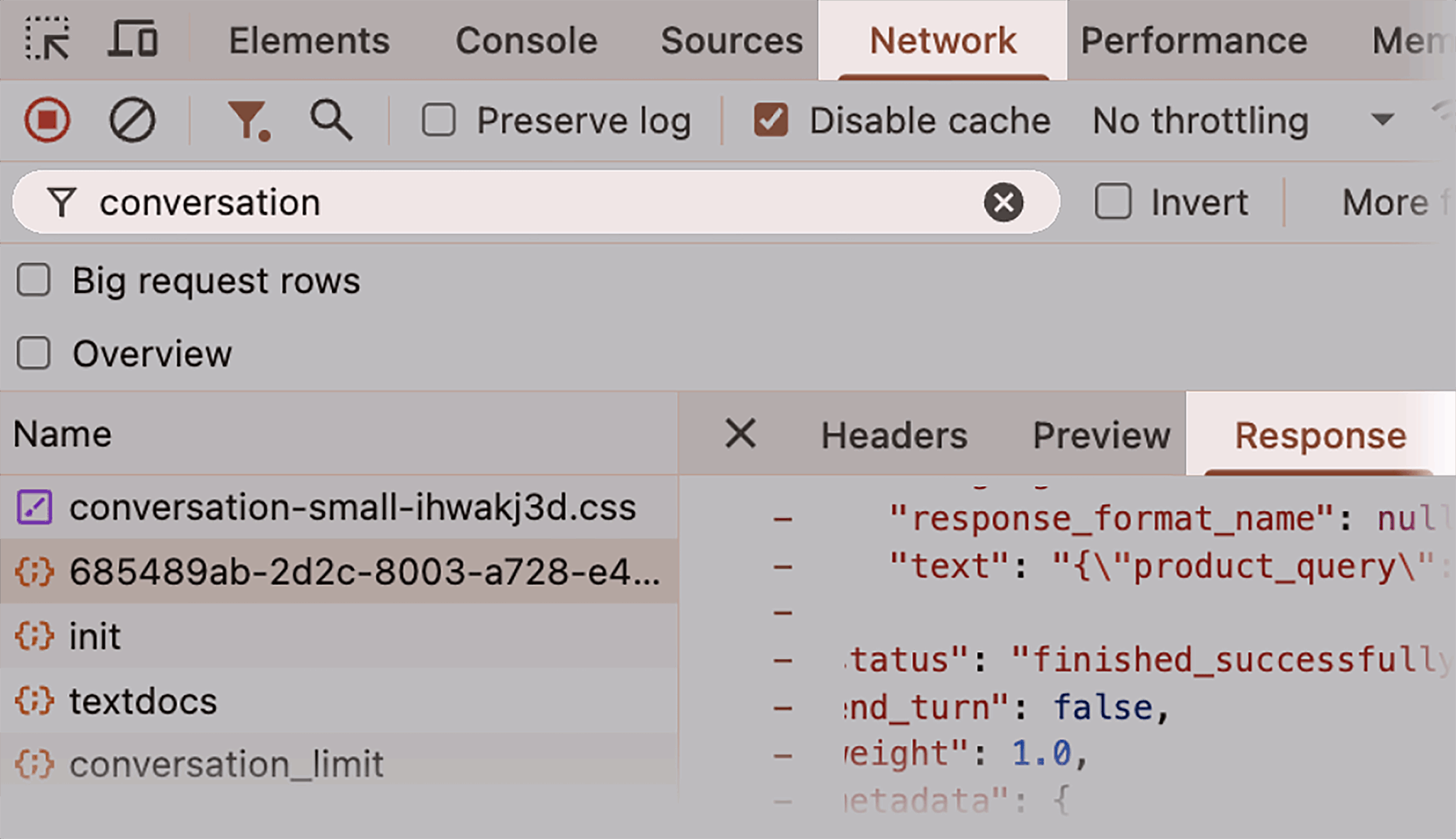
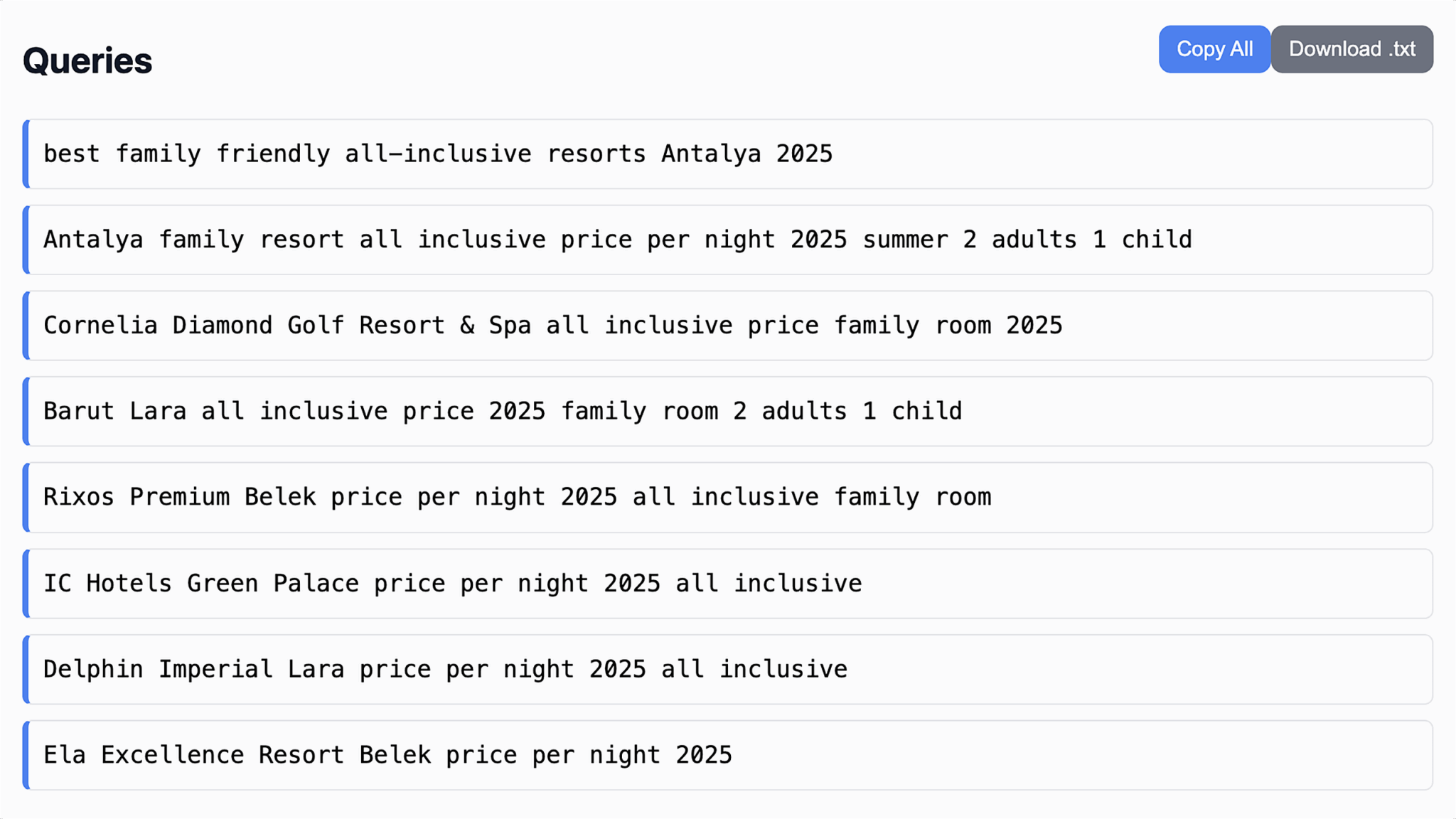
Checking the background operations of ChatGPT reveals search prompts within Chrome Dev Tools. By identifying searches and their relevancy to RAG, I can strategize to optimize this invisible layer of search behavior.
The quest to master AI search dynamics is ongoing. New AI models and evolving user behaviors necessitate continuous adaptation to comprehend and leverage audience interactions effectively.
Inspired by this post on Search Engine Land.

Leave a Reply