-
Google’s Local Inventory Ads Default: What to Check
Read more: Google’s Local Inventory Ads Default: What to CheckEligible Shopping campaigns may begin serving local inventory by default, making channel filters an important check for advertisers with separate store and online budgets.
-

Google AI Mode Connects Instacart, Canva and YouTube Music
Read more: Google AI Mode Connects Instacart, Canva and YouTube MusicGoogle’s connected apps let U.S. AI Mode users begin shopping, design and music tasks while raising new questions about brand visibility.
-

What Practices Should Know About Virtual Medical Assistants
Read more: What Practices Should Know About Virtual Medical AssistantsA practical look at embedded virtual medical assistants, candidate fit, onboarding, and the operational bottlenecks practices should assess before hiring.
-

How Whisper Outdoor Connects Customer Experience to Growth
Read more: How Whisper Outdoor Connects Customer Experience to GrowthDave Hatley’s customer-experience strategy shows how direct sales, unified showrooms, and post-purchase accountability can turn lifestyle products into lasting relationships.
-

A Practical Framework for Auditing Local AI Visibility
Read more: A Practical Framework for Auditing Local AI VisibilityLearn how to benchmark local AI mentions, factual accuracy, citations, and competitor visibility before choosing technical, trust, or content improvements.
-
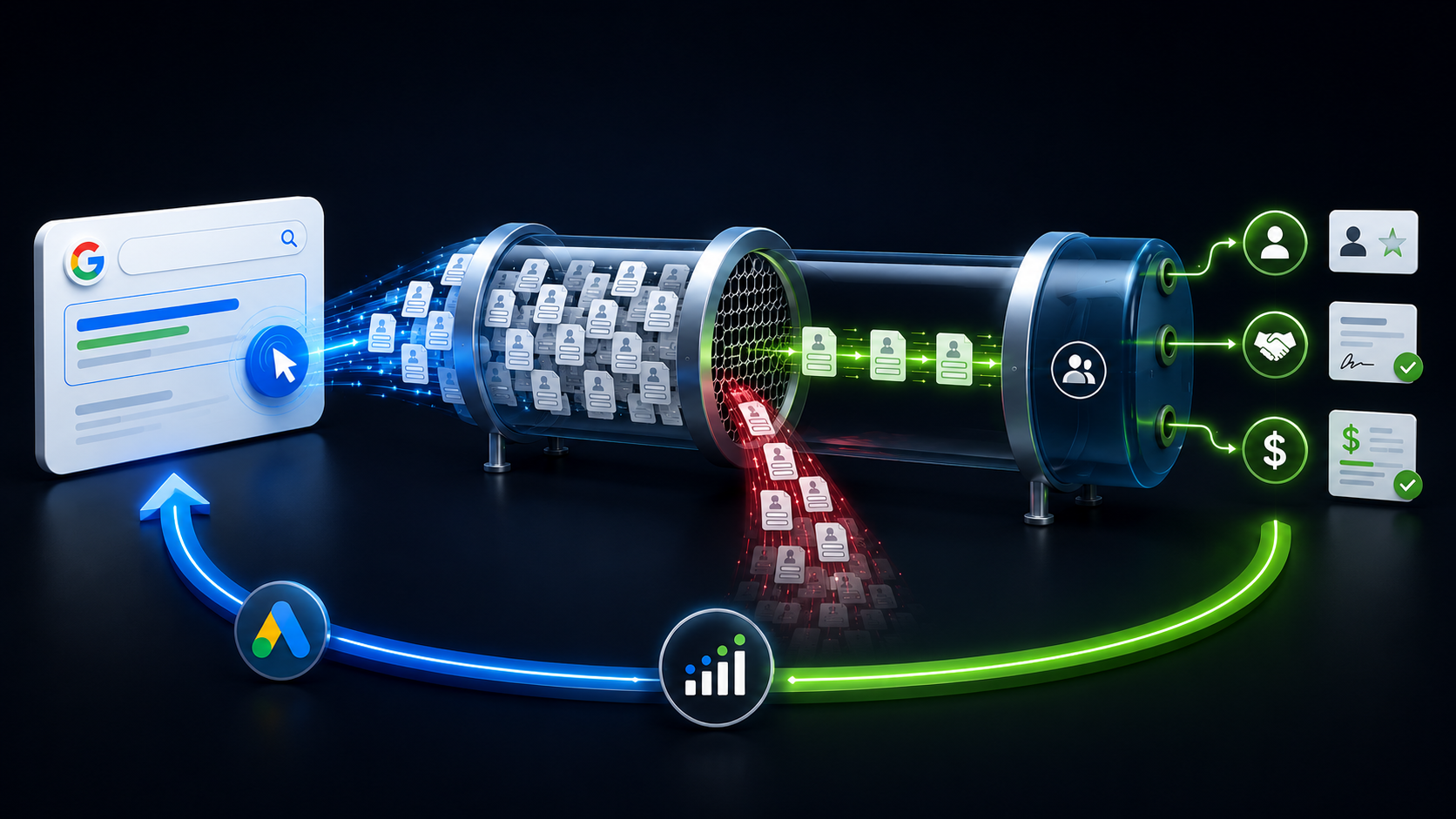
B2B PPC Measurement: From Lead Counts to Revenue Signals
Read more: B2B PPC Measurement: From Lead Counts to Revenue SignalsA practical framework for connecting B2B paid search leads to CRM qualification, sales opportunities, revenue, and stronger Google Ads signals.
-

Diagnose Content Decay Before You Rewrite a Page
Read more: Diagnose Content Decay Before You Rewrite a PageUse Search Console signals and live SERP checks to distinguish ranking losses, zero-click capture, intent drift, and declining demand before updating content.
-
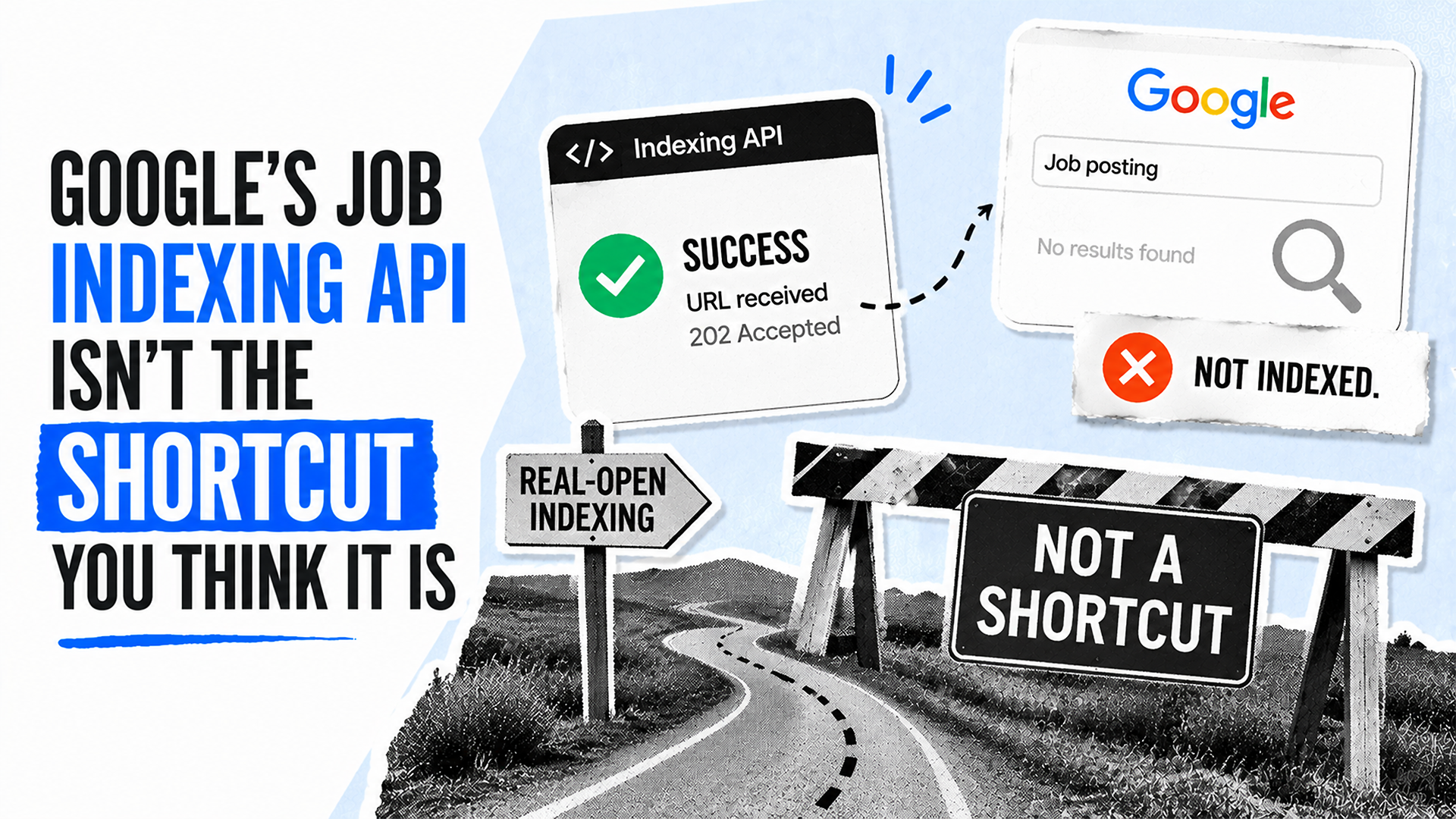
What Google’s Indexing API Really Tells Job Boards
Read more: What Google’s Indexing API Really Tells Job BoardsLearn what Google’s Indexing API responses prove, where access and metadata can mislead, and how job boards should verify actual search outcomes.
-

Web Push Advertising in 2026: A Shift Toward Quality
Read more: Web Push Advertising in 2026: A Shift Toward QualityWeb push is entering a slower-growth phase in which compliance, subscriber quality, and sustainable campaign performance matter more than sheer notification volume.
-

AI Agent Website Accessibility: A Practical Framework
Read more: AI Agent Website Accessibility: A Practical FrameworkThis practical framework shows how to make pricing and product facts easier for AI agents to retrieve, interpret, cite, and keep on first-party pages.
-

What a Potential EU Google Search Ruling Could Change
Read more: What a Potential EU Google Search Ruling Could ChangeAn expected EU decision may reshape Google’s specialized search displays, rival visibility, data access, and treatment of third-party AI providers.
-

Performance Max Placement Controls Enter an Early Alpha
Read more: Performance Max Placement Controls Enter an Early AlphaAn early Performance Max alpha may allow network exclusions, creating a new way to test inventory boundaries without replacing campaign automation.