
A traffic decline is a warning, not a diagnosis. Before rewriting an underperforming page, teams need to determine whether the page lost rankings, stopped matching search intent, encountered more zero-click results, or serves a topic with shrinking demand.
This framework uses Search Console trends and a live results-page review to connect each pattern with an appropriate response.
Start with the decision, not the refresh
Content decay is a sustained reduction in organic performance, rather than an isolated weekly fluctuation. Search Engine Land identifies four distinct causes. Only ranking decay is consistently suited to a conventional content refresh.
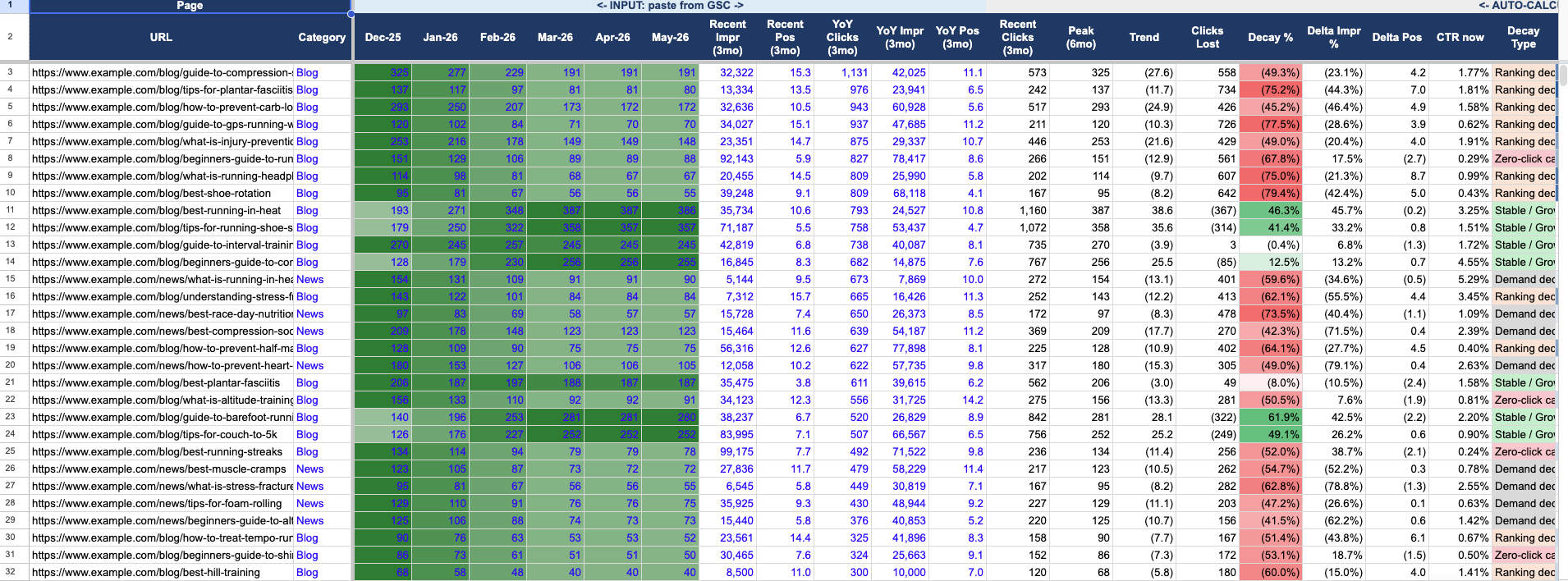
- Ranking decay: The page has lost visibility to competitors, become outdated, lost links, or begun competing with another page on the same site.
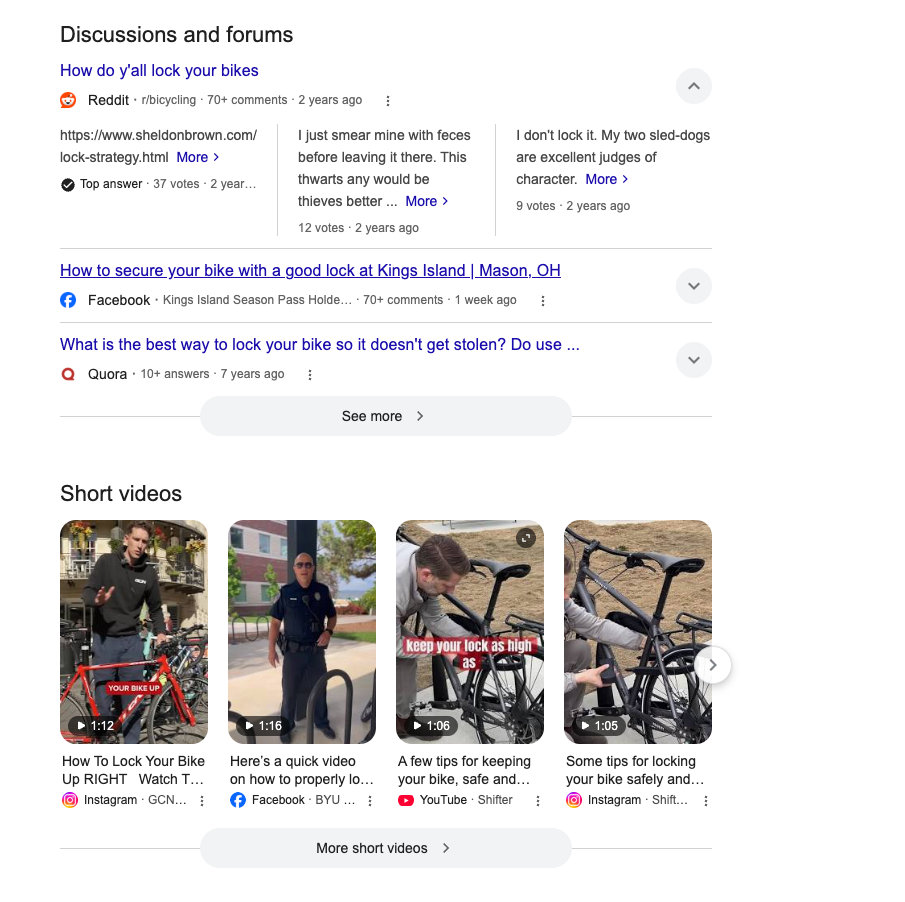
- Zero-click capture: The page remains visible, but an AI Overview, featured snippet, or another search feature satisfies more users without a visit.
- Intent drift: Google now favors a different type of result, such as a video, product page, forum discussion, or comparison table.
- Demand decay: The page still performs competitively, but fewer people search for its subject.
A fifth pattern sits outside this framework: a date-aligned, site-wide decline may indicate an algorithm-related issue requiring broader investigation.
Read the combined Search Console signals
Clicks reveal that performance changed, but impressions and average position help explain why. The source recommends reviewing six months of monthly clicks for the trend, then comparing three months year over year for clicks, impressions, and position. This reduces short-term noise while accounting for seasonality.
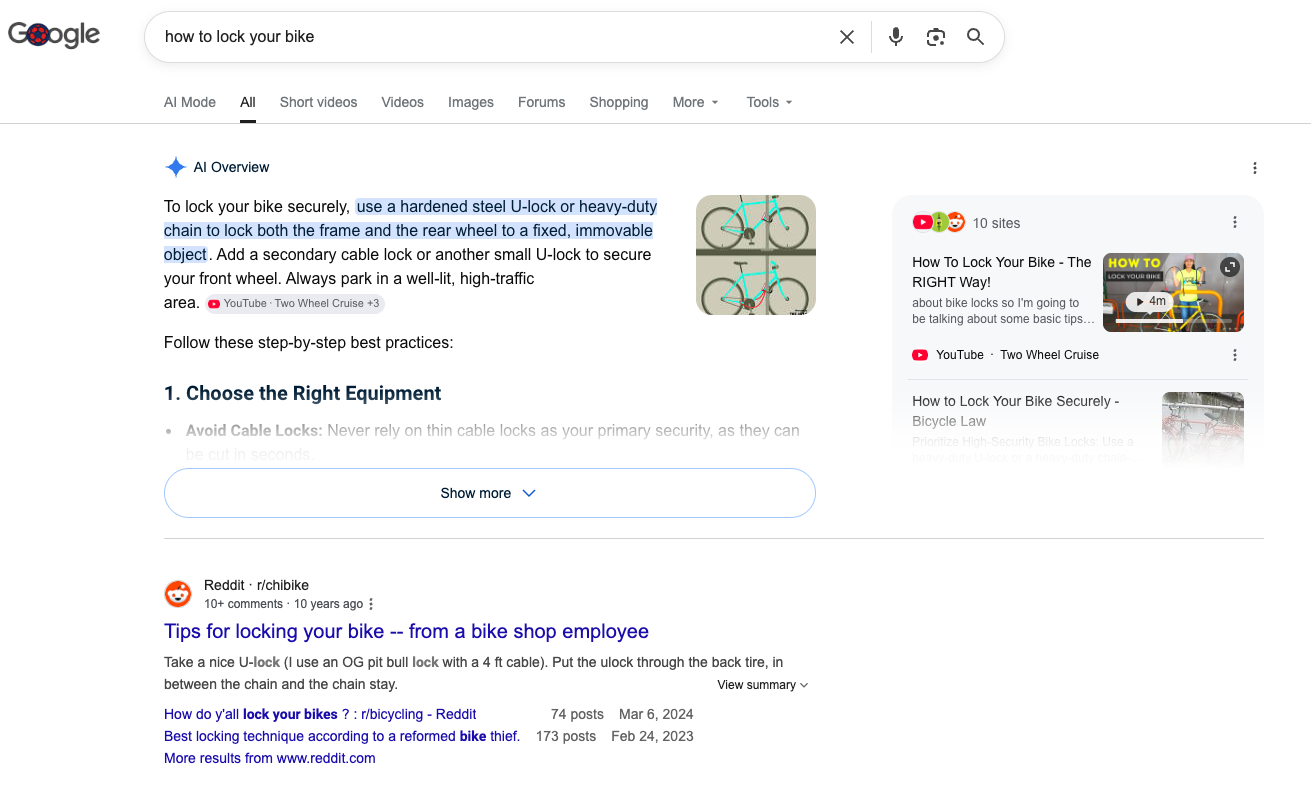
| Clicks | Impressions | Average position | Likely diagnosis |
|---|---|---|---|
| Down | Down | Worse | Ranking decay |
| Down | Flat or up | Stable or better | Zero-click capture |
| Down | Down | Stable or better | Demand decay |
| Down | Varies | Holding, but results changed | Intent drift |
Intent drift cannot be confirmed from exported metrics alone. Search the main queries manually and inspect which formats, features, and source types now occupy prominent positions.
Match the intervention to the cause
Rebuild pages with genuine ranking losses
A ranking-decay refresh should add substance rather than merely change the publication date. Useful interventions include original testing, proprietary information, missing answers, stronger internal links, and consolidation of competing URLs. Competitor analysis should also consider whether Google now prefers a different source type.
Create value that a search summary cannot replace
Zero-click capture calls for assets that reward a visit: calculators, tools, original data, or a defensible perspective. Clear organization and unique evidence may also make a page more suitable for citation by answer systems. If the query no longer produces meaningful visits, resources may be better directed toward comparison, service, or other conversion-oriented pages.
Change the format or retire the topic
For intent drift, preserve the established URL when practical but reshape the experience around the format users now receive. For confirmed demand decay, first check whether attention moved to forums, video, social search, or AI assistants. If the audience has genuinely disappeared, consolidation, redirection, or pruning is more rational than rewriting.

Rule out measurement and editing problems
Before assigning any decay type, compare the decline date with the page’s revision history. If performance fell immediately after an edit, restoring the previous version provides a cleaner test than adding another rewrite.
Historical impression data also needs caution. Search Engine Land reports that Google’s removal of the num=100 parameter in September 2025 reduced bot-inflated counts. The source also notes that Google disclosed a logging error that had inflated impressions from May 2025 and corrected it without repairing the historical figures; clicks were reportedly unaffected. A pattern that resembles lost demand should therefore be checked against the live results page, especially when position is stable or improving.
Turn diagnosis into a quarterly operating habit
A practical review sorts declining pages by decay type, recoverable traffic, and business value. GA4 conversion or revenue data can improve prioritization, while rank-tracking and search-feature data can help evaluate zero-click exposure at scale.
Key takeaways
- Use clicks, impressions, and average position together before deciding to refresh.
- Confirm intent changes and ambiguous zero-click patterns on the live results page.
- Reserve rewrites for pages where better content can address the diagnosed cause.
- Redirect effort when demand has disappeared or the search result no longer produces valuable visits.
The strongest content-maintenance program is selective. Its advantage comes from recognizing when editing can recover value and when another decision will produce a better return.
Inspired by this post on Search Engine Land.

Leave a Reply