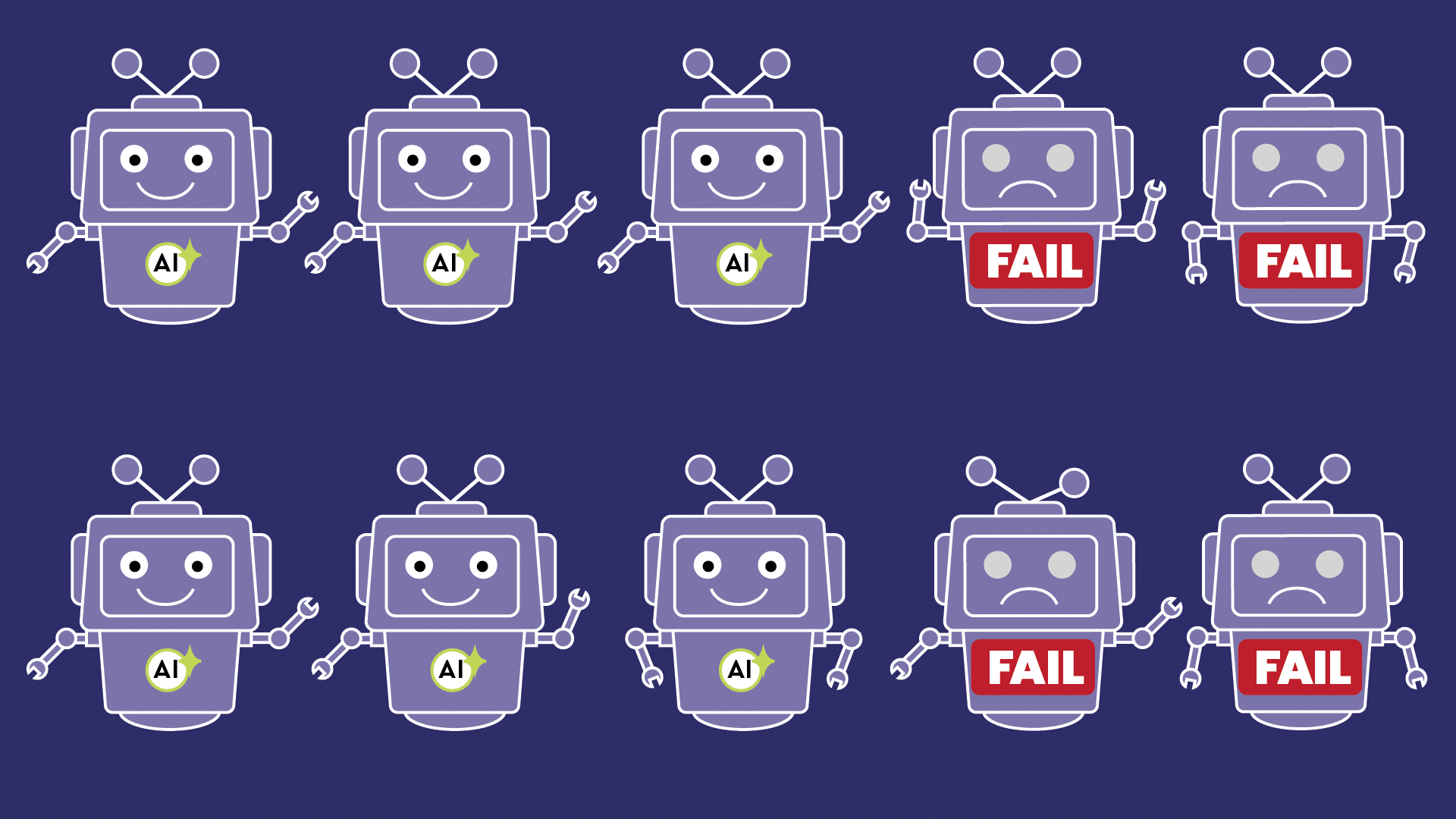
In exploring the world of agentic AI, I’ve come across a startling prediction from Gartner: by the end of 2027, more than 40% of these projects will have been canceled. This isn’t due to the technology being insufficient; it’s because of the human factors involved. The real issue lies not with the tech, but with our deployment strategies and the absence of essential human insights.
Gartner’s research, involving over 3,400 organizations that are currently investing in agentic AI, makes it clear that the downfall isn’t in the capabilities of AI itself. It’s in the decisions we, as humans, are making. Anushree Verma from Gartner notes that most of these AI projects are merely hype-driven experiments, lacking in strategic direction and governance.
This brings a critical reminder for those of us in marketing: agentic AI can optimize and scale tasks exponentially, yet without a knowledgeable human behind it, the technology is as good as the strategy guiding it. We need agents that can handle audience selection, content generation, and journey orchestration effectively, but we must steer these agents with insight and responsibility.
If we’re spurred by fear of missing out (FOMO), we might find ourselves hastily deploying AI solutions. This rush can lead to poorly constructed workflows and inadequate data strategies, resulting in agents implementing erroneous actions at inappropriate times. FOMO isn’t a sustainable strategy; it’s a costly oversight.
Another pitfall presented by Gartner is what’s termed ‘agent washing.’ This is where existing chatbots are disguised as agentic AI without delivering authentic autonomous functionality. As marketing teams, if we invest in these disguised solutions, we’re essentially falling for dressed-up automation without real AI benefits.
Deploying AI prematurely can be damaging. Gartner anticipates that by 2026, many companies might harm their customer relationships through misguided AI applications, leading to eroded trust and damaged brand reputations. Our role as marketers should be to prioritize strategy and judgment alongside technological advancements.
One of the gravest challenges we face is the potential erosion of critical thinking brought about by reliance on AI. Gartner predicts half of the organizations will need to reassess competencies, ensuring that our human ability to question and evaluate AI outputs remains sharp and undiminished.
In this rapidly evolving landscape, the successful marketer will be one who integrates AI while maintaining a leadership role. This encompasses being a multidisciplinary thinker who utilizes AI to transcend traditional roles, driving strategy and ensuring that AI recommendations align with our brand’s vision and values.
As we embrace the agentic era, it’s imperative that we balance technological advancements with human insights. We shouldn’t slow down but rather be deliberate—ensuring that our AI endeavors are guided by robust human judgment to harness true value, protect customer trust, and avoid costly missteps.
Inspired by this post on Search Engine Land.

Leave a Reply