

I embarked on an SEO audit exploring how platforms like ChatGPT, Claude, and Perplexity leverage technical optimization, content, and conversions to scale their operations.
Generative search engines, such as ChatGPT, have cleverly woven SEO into their growth strategies. Despite claims to the contrary, these platforms have not abandoned this vital marketing channel.
I was curious to learn how well ChatGPT, Perplexity, and Claude are doing in the SEO realm, and what makes ChatGPT’s dedication to this strategy so effective.
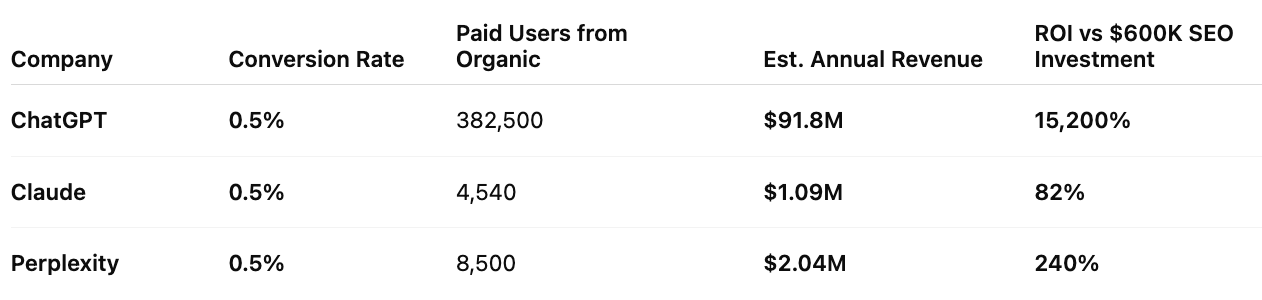
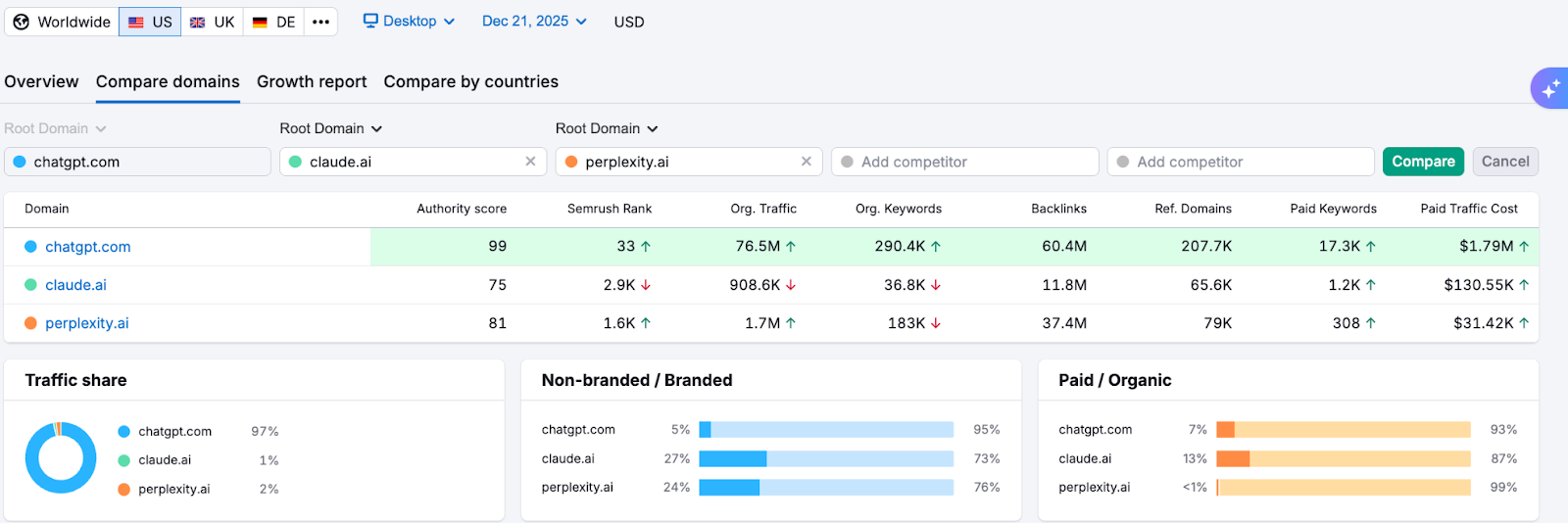
ChatGPT’s annual investment in SEO, estimated at $600,000, is yielding significant returns for generative AI platforms. With Semrush data showing ChatGPT’s monthly organic traffic at 76.5 million visits, and with a conservative conversion rate of 0.5% at a $20/month entry price, I foresee a potential annual revenue of around $92 million (a remarkable 15,200% ROI) for ChatGPT.
Both Claude and Perplexity also showcase positive returns, albeit more modestly, ranging from 82% to 240% ROI, highlighting the persuasive potential of SEO investment.

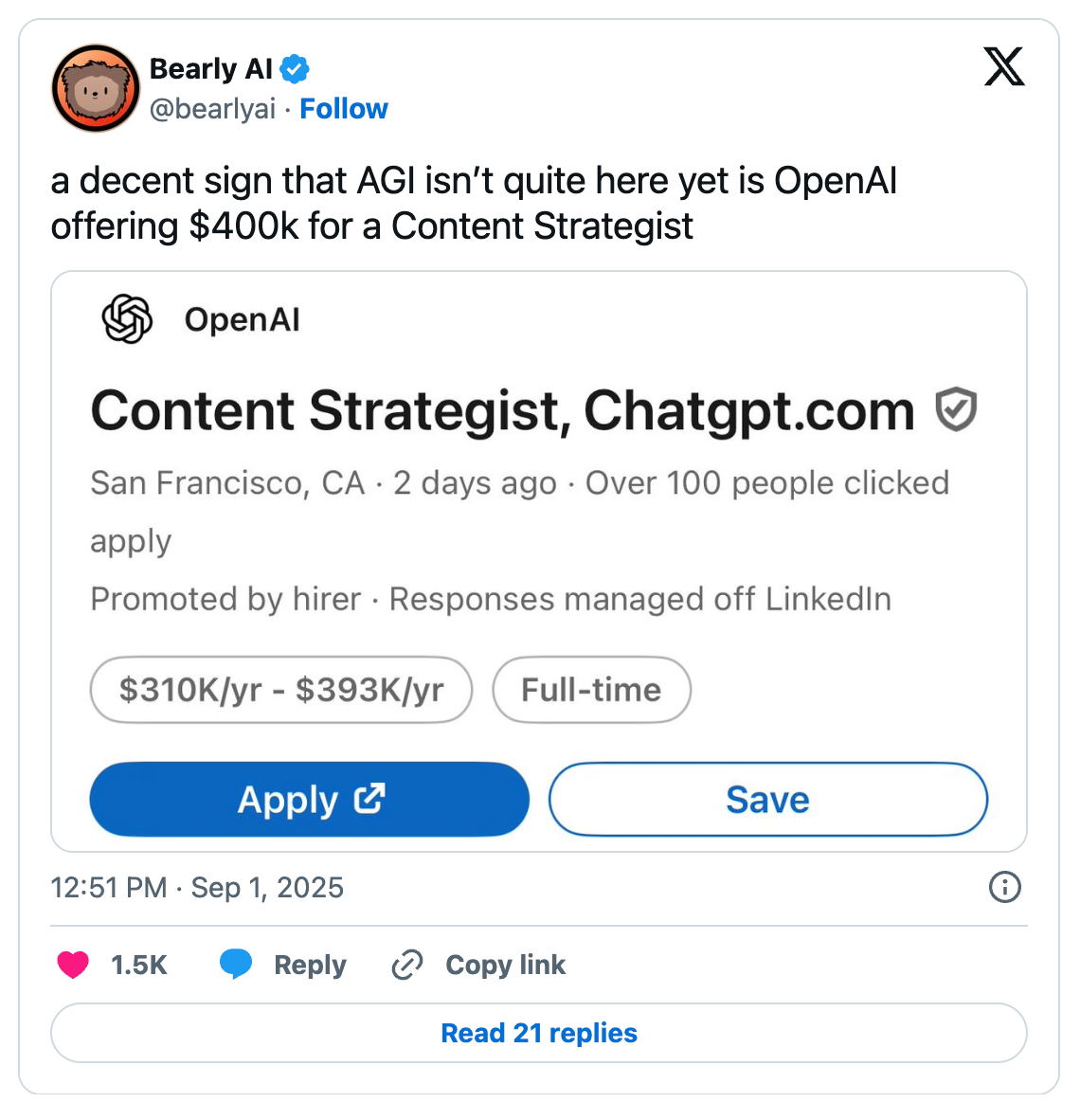
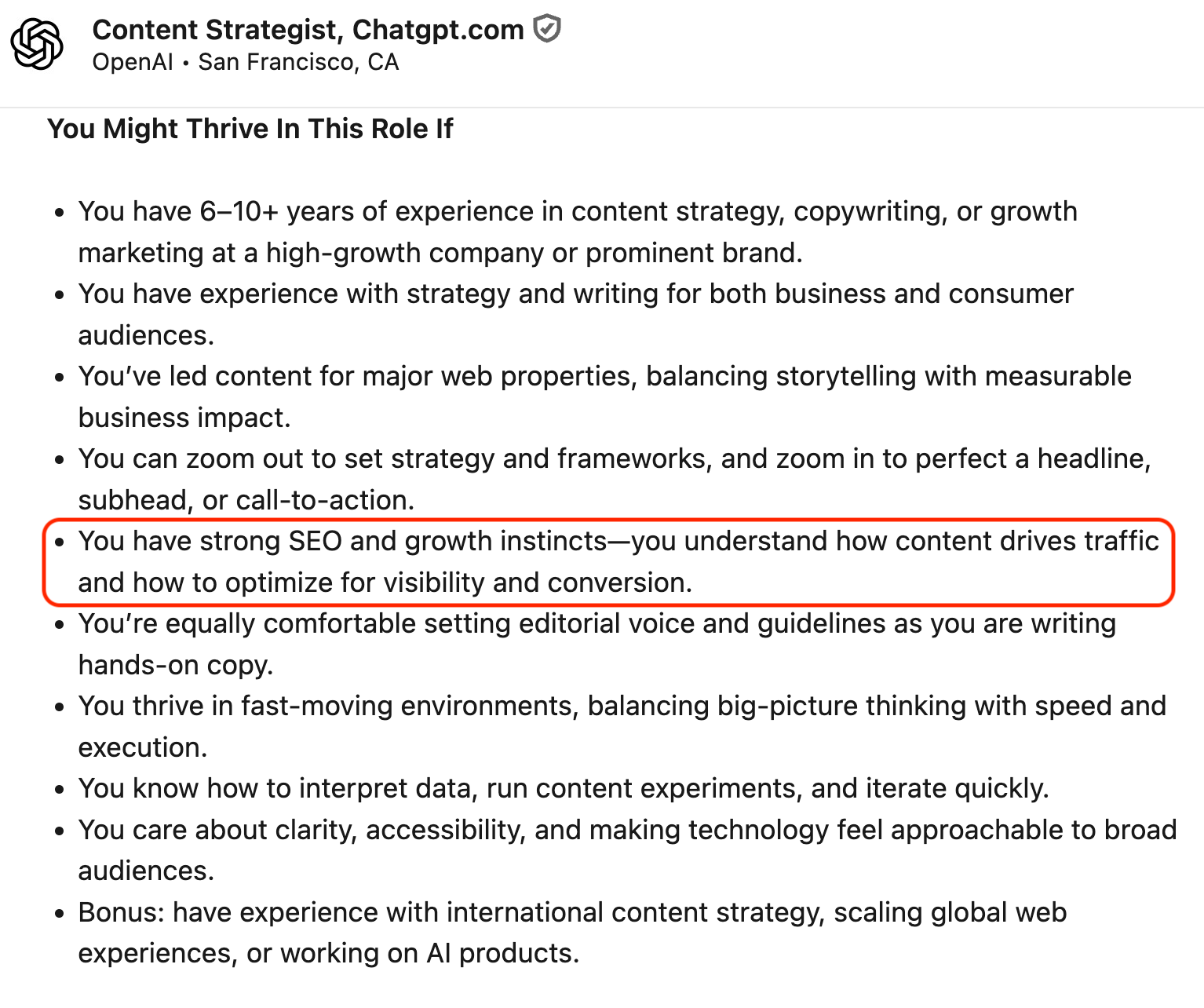
OpenAI has shown great foresight by investing heavily in SEO and content, offering up to $393,000 annually for an SEO-savvy content strategist. This significant investment underscores how seriously OpenAI takes the role of SEO in its growth strategy.
Additionally, they’ve pursued roles centered on growth, SEO, CRO, and web strategy, offering salaries between $410,000 and $600,000 for two essential roles, excluding benefits and other costs. Their commitment to SEO showcases the profound belief in its capacity to act as a cornerstone for expansion.
SEO, a tool as versatile as it is durable, taps into human behavior — a fundamental necessity for survival instincts like searching for food or shelter. By extension, search engines elevate this natural behavior.

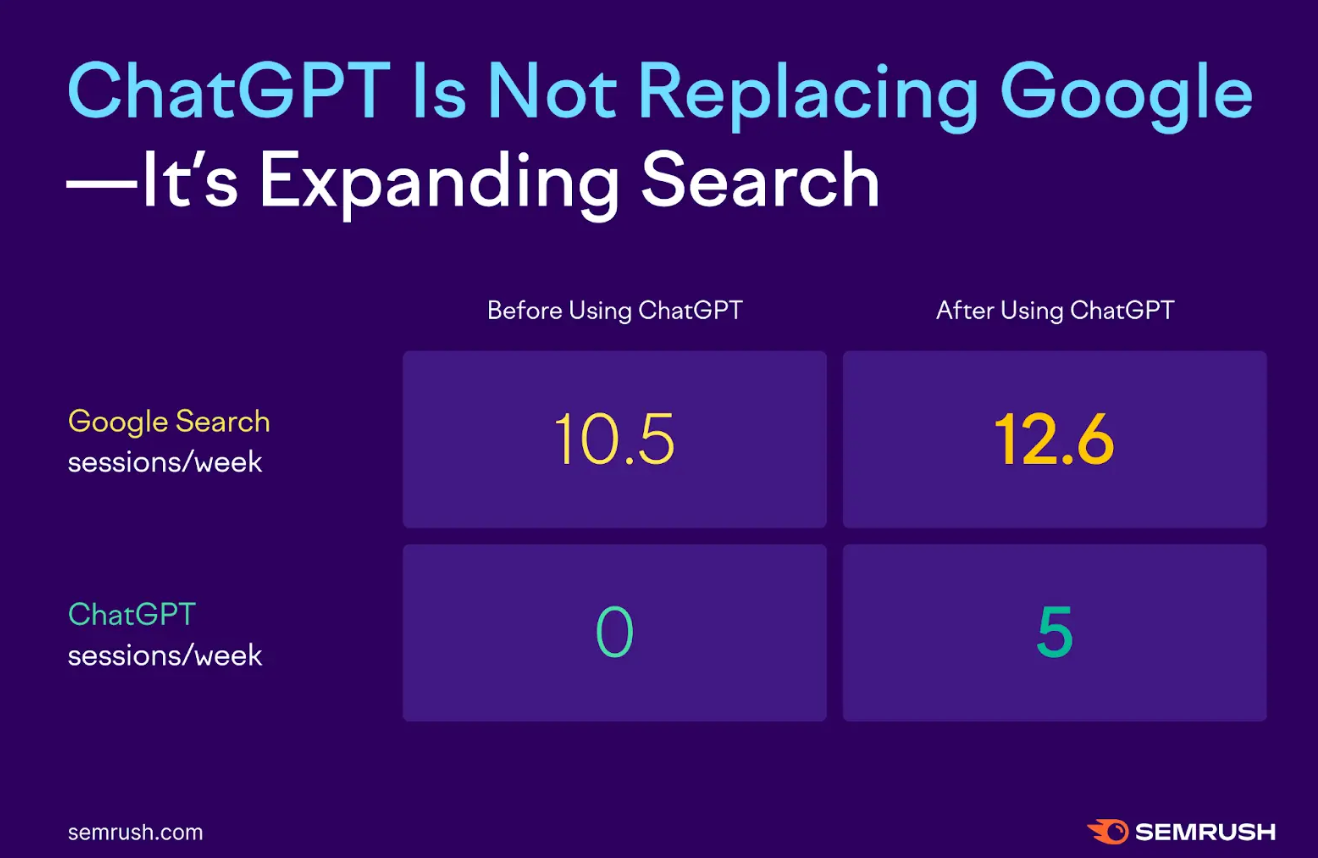
ChatGPT is expanding search behavior, amplifying the amount of Google searches within select contexts. Despite a 20% decrease in Google’s search volume from 2024 to 2025, it’s clear visibility is increasingly crucial.
The OpenAI team is acutely aware of this evolution and has decisively incorporated SEO into the architecture of ChatGPT.
Inspired by the insights from a competitive keyword analysis via Semrush, I delved into the authority, keyword distribution, and rankings across ChatGPT, Perplexity, and Claude. ChatGPT leads with a formidable authority score of 99, far ahead of Perplexity (81) and Claude (75), setting a benchmark for deriving authority through robust public relations and strategic media visibility.
The journey through the keywords and paid versus organic strategies highlights an under-recognized opportunity: integrating search strategies could optimize conversions and reduce PPC acquisition costs, significantly boosting brand presence.
Gleaning Key Insights:
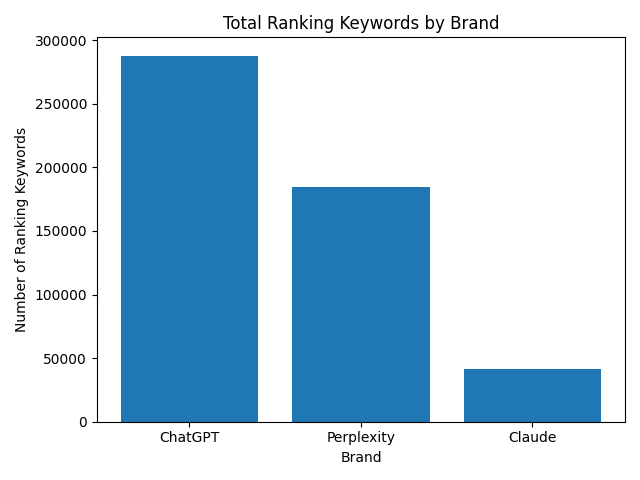
- ChatGPT indexes approximately 287,800 keywords.
- Perplexity follows with around 184,800 keywords.
- Claude trails with about 36,000 keywords.
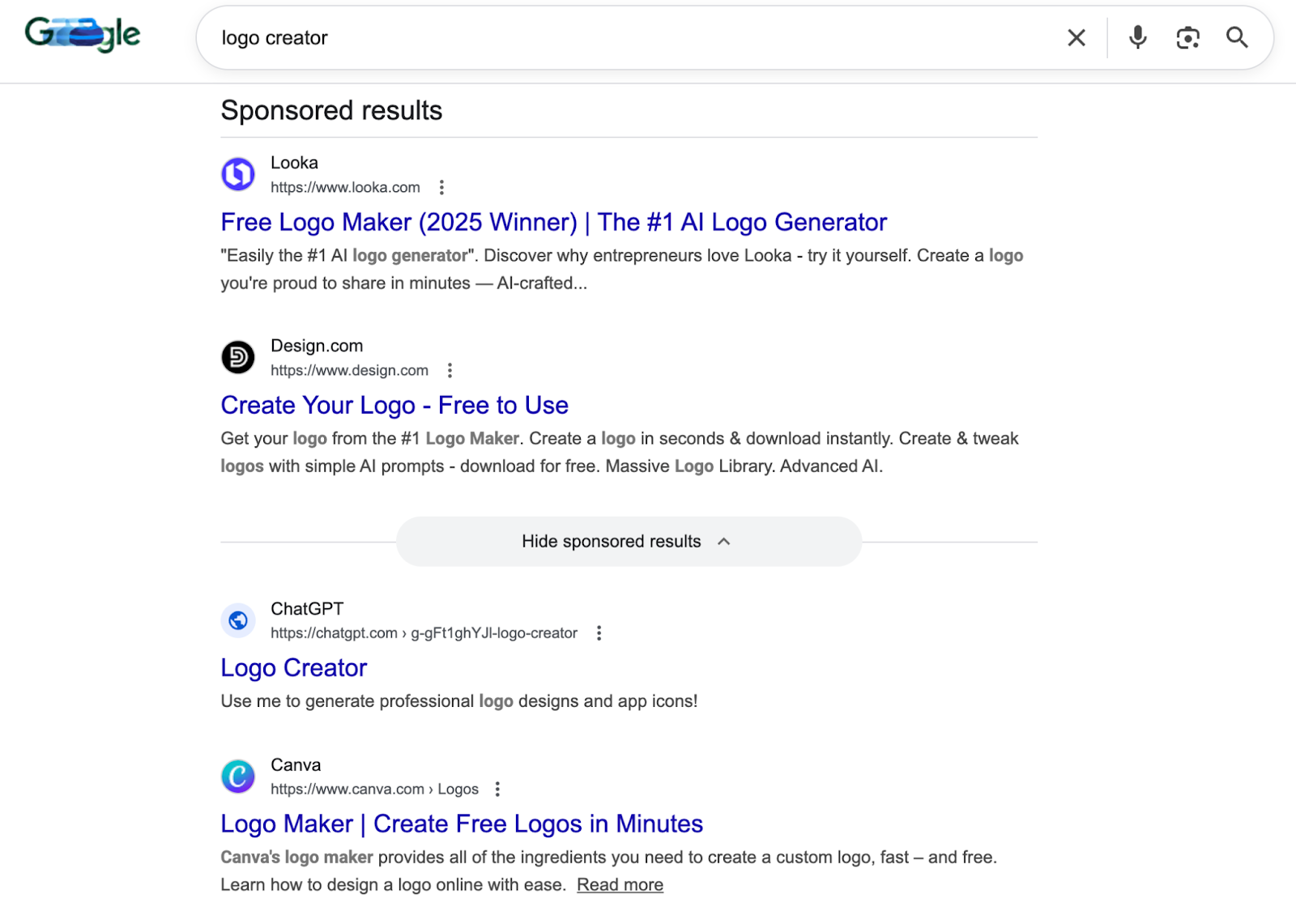
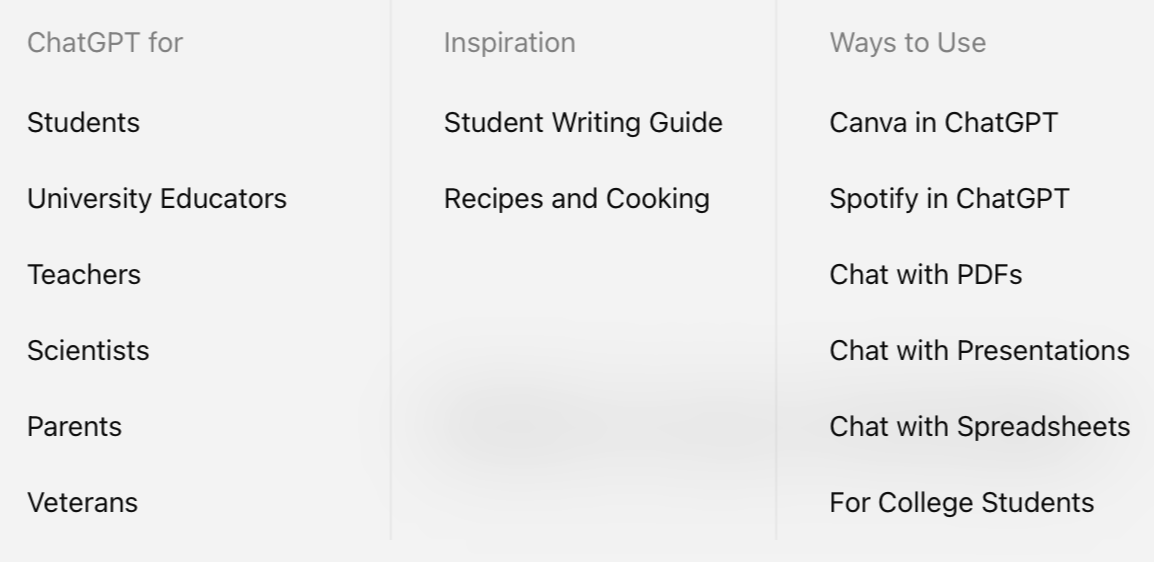
ChatGPT capitalizes on user-generated content, while Perplexity and Claude focus on niche, high-intent professional content. However, ChatGPT stands distinguished due to its alignment of strong branding and robust SEO.
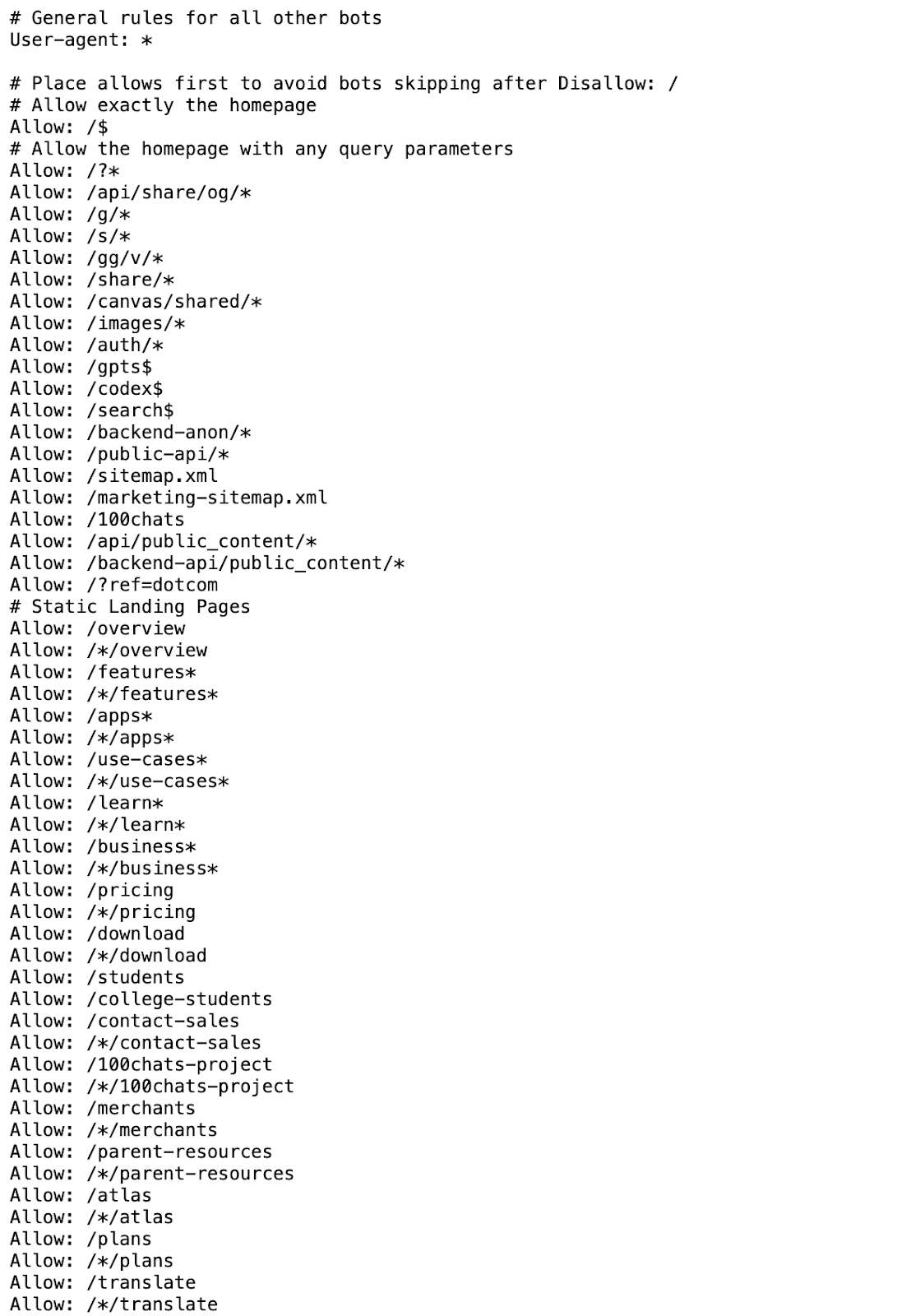
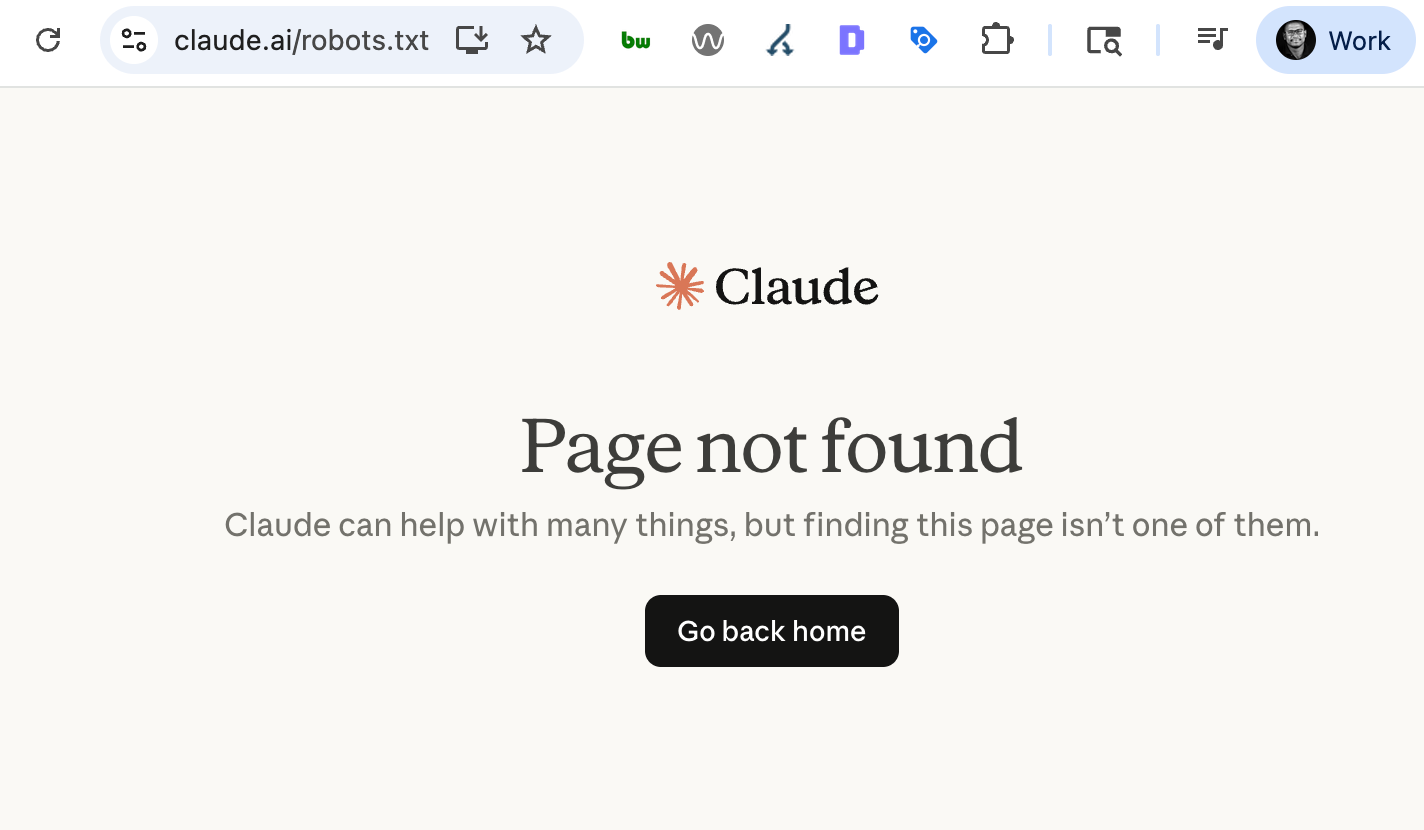
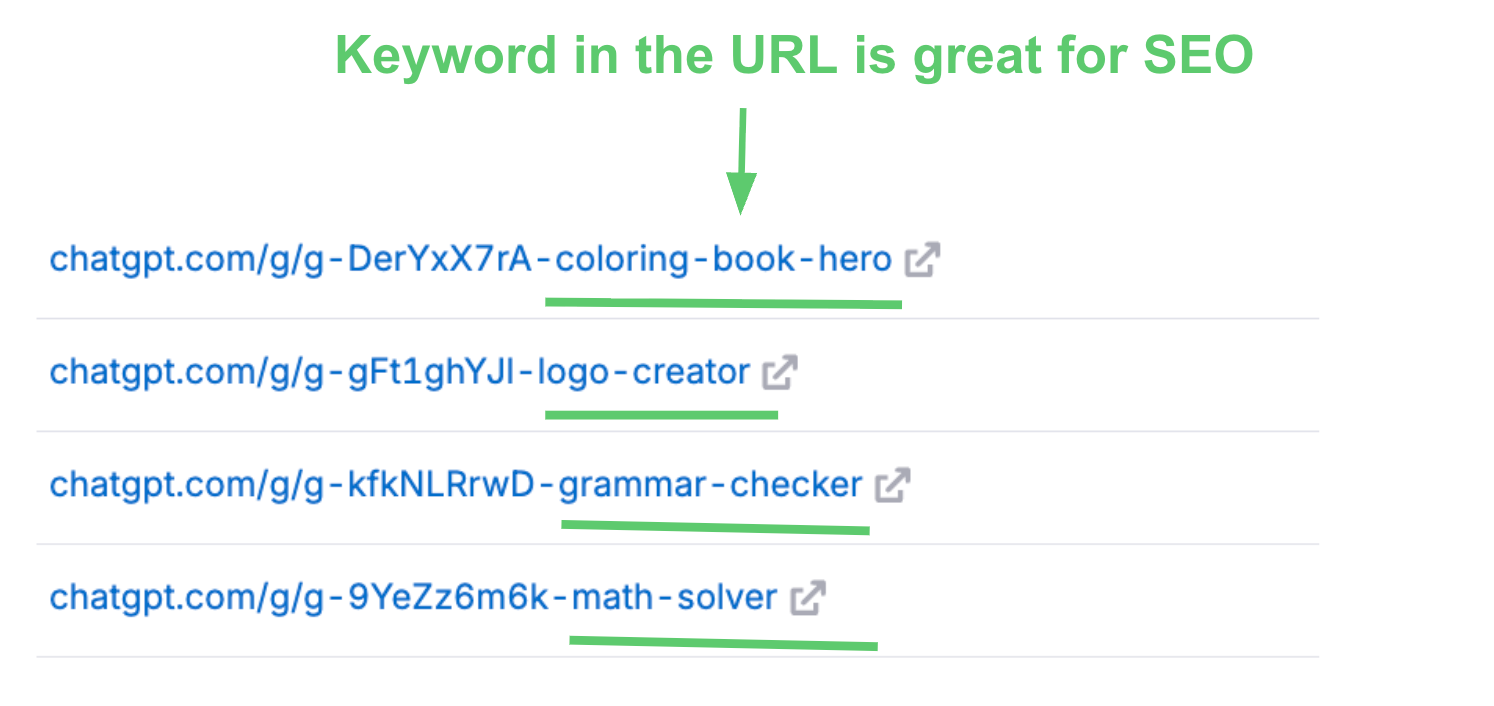
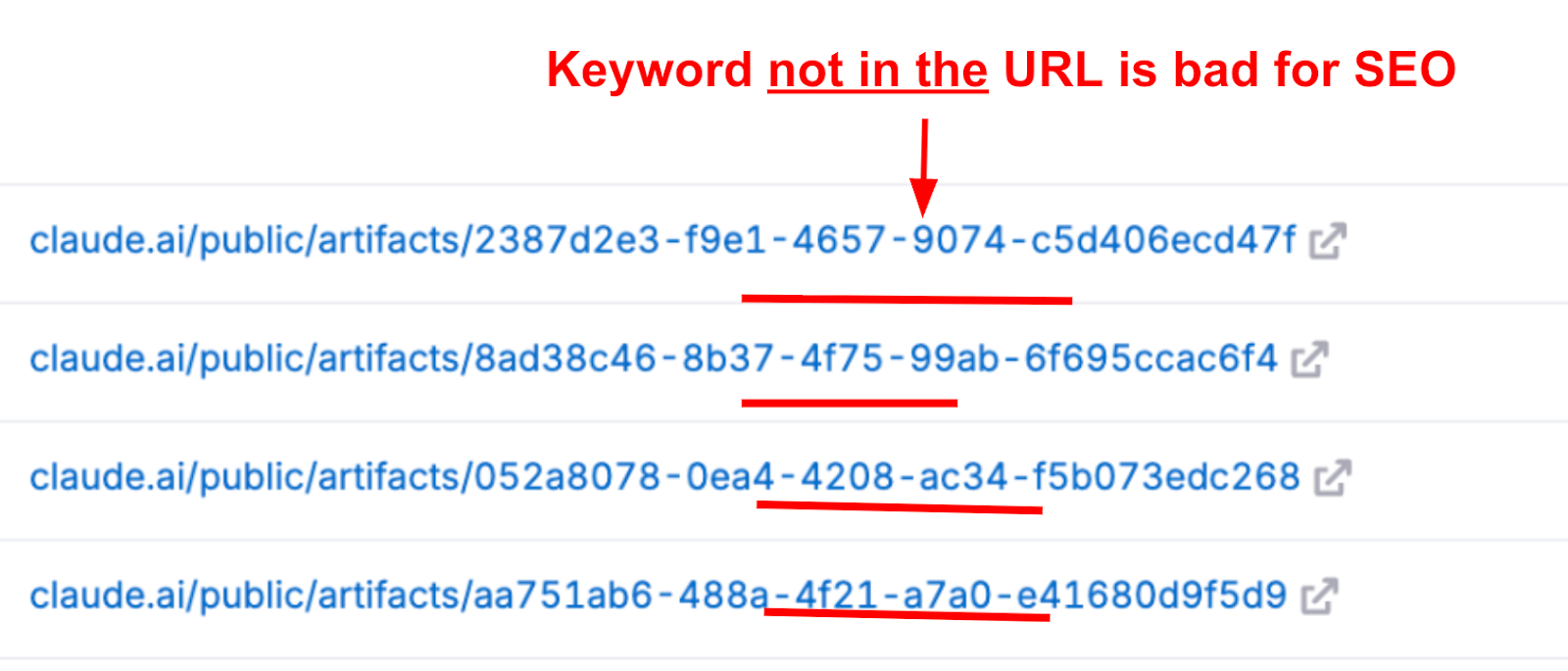
Using our agency’s 3Cs SEO and AI optimization framework — code, content strategy, and conversions — I emphasize the importance of optimizing key technical components like the robots.txt file and URL structures that significantly influence search rankings.
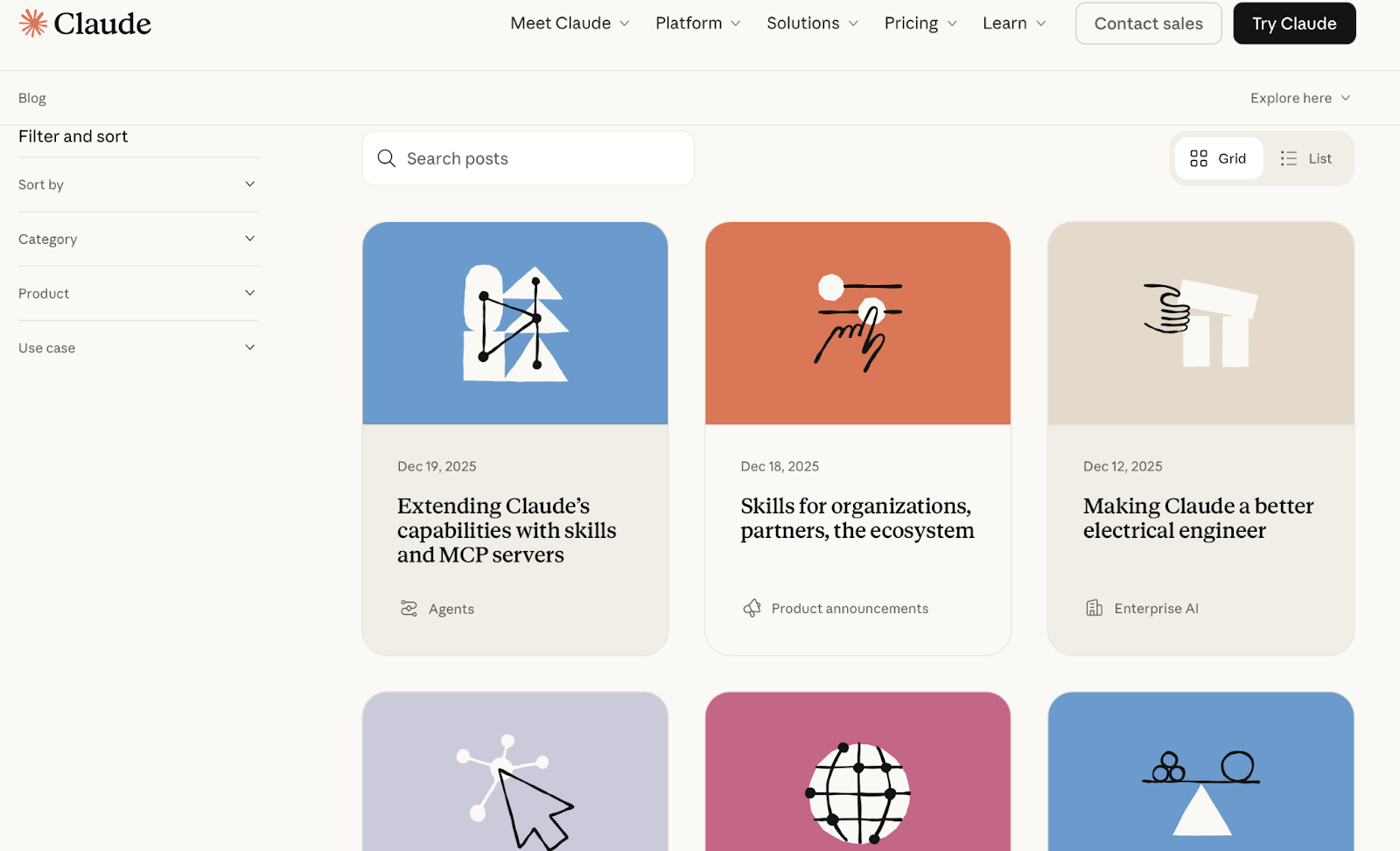
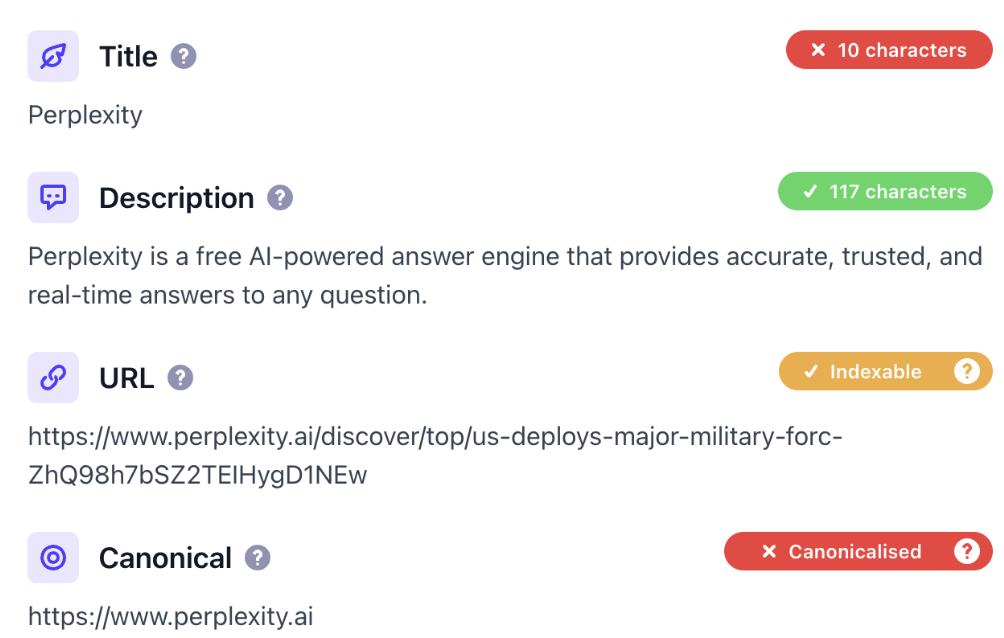
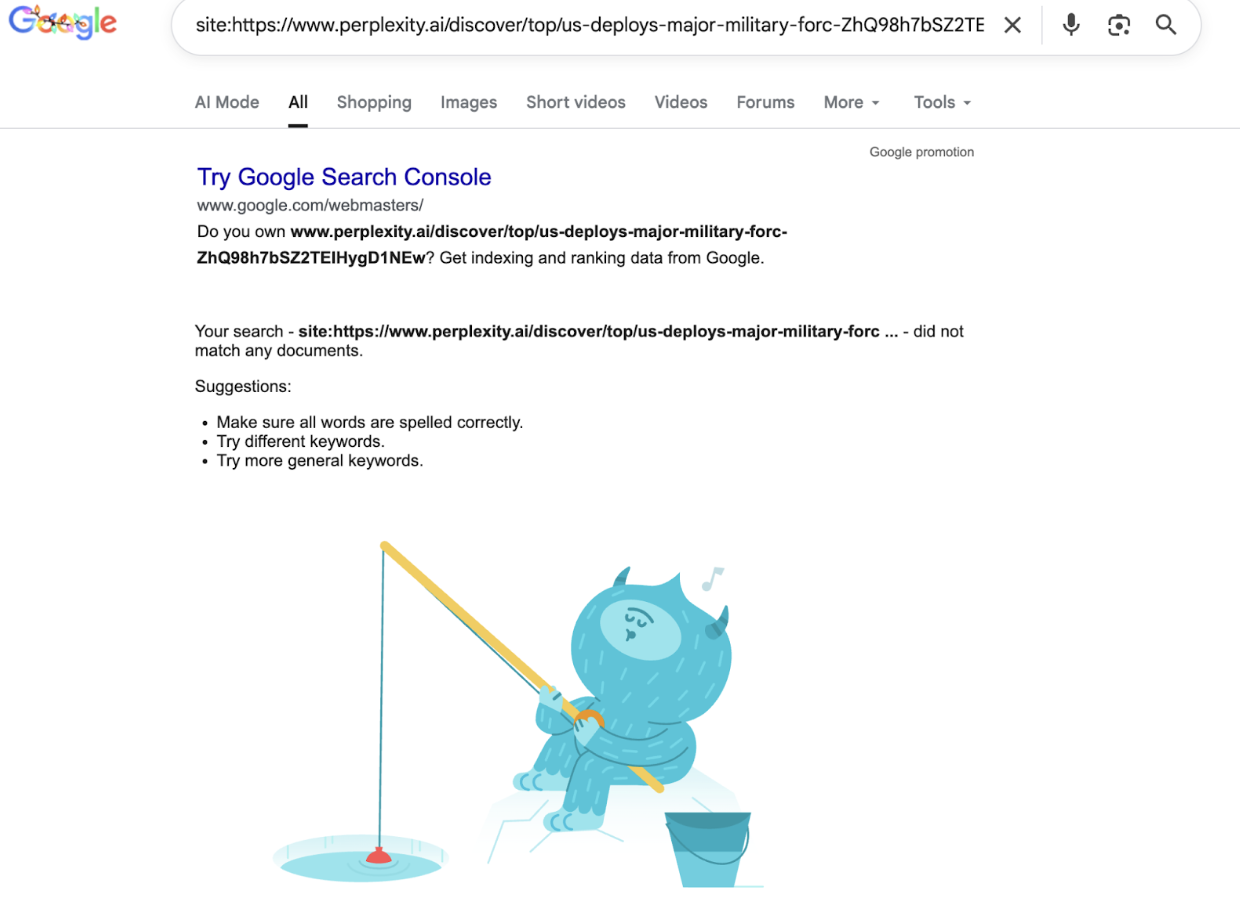
In examining content, there’s a considerable gap in SEO optimization on pages from Perplexity and Claude, evident in their oversight of meta titles, descriptions, URLs, and tag optimizations, leading to some not even being indexed by Google.

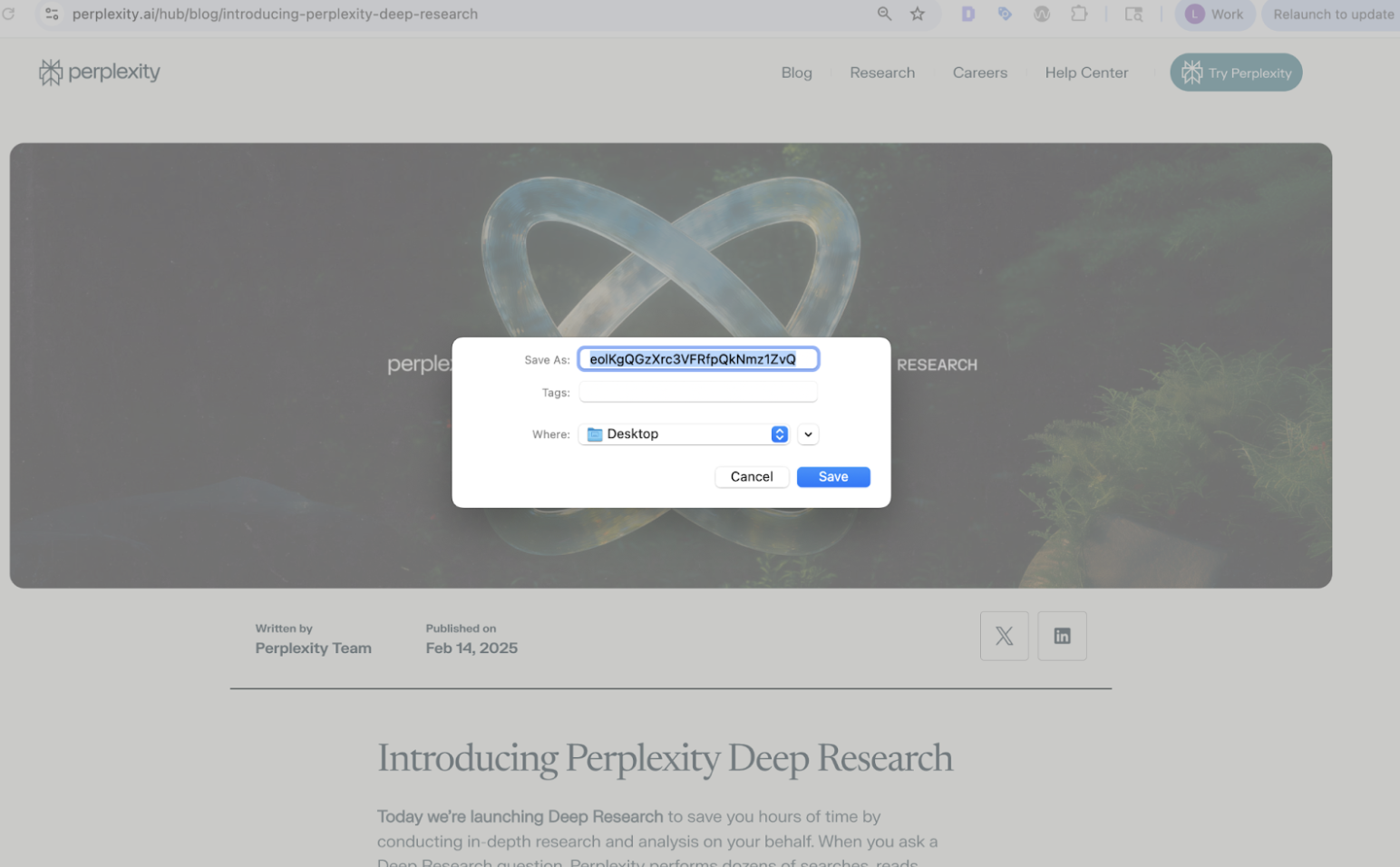
Leveraging descriptive image names and integrating user-generated content could further bolster search engine performance, as demonstrated by ChatGPT’s steady keyword ranking growth.
Understanding conversions’ role, I see that these platforms seamlessly convert trial users into paying customers by offering trial access before prompting a commitment.
The Road Forward: Optimization remains a never-ending journey. By aligning with OpenAI’s successful model, businesses can bet on SEO as a dynamic component of growth strategies. As the landscape evolves, so should our tactics to ensure visibility and conversion remain at the forefront.
Inspired by this post on Search Engine Land.

Leave a Reply