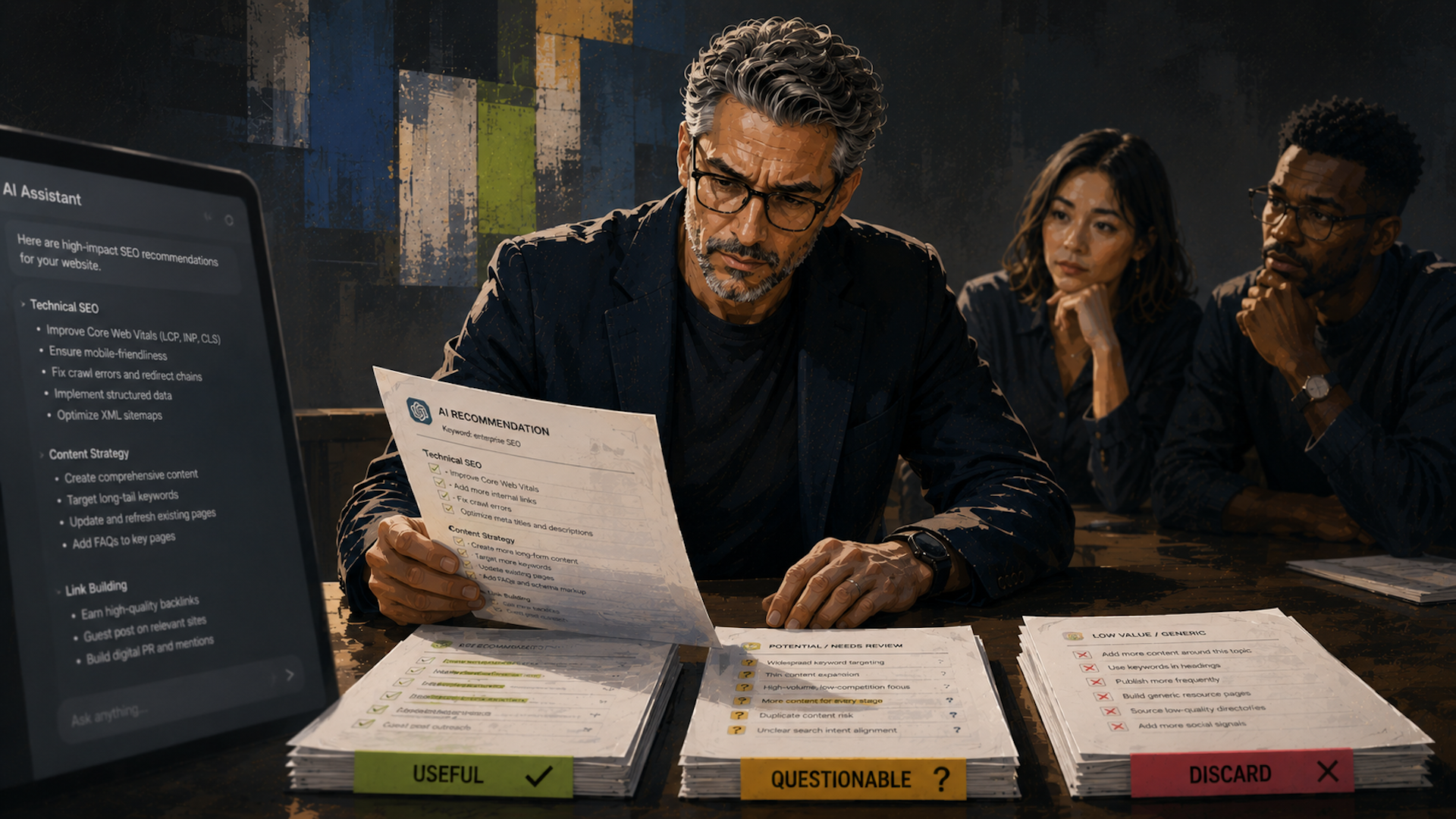
When I receive emails like, “Hi Frank, I had ChatGPT look at our SEO and it has a bunch of recommendations. Can you take care of this for us?” I know I’m not alone. Many of us are facing similar queries from clients and managers.
The challenge lies in responding effectively without appearing defensive. We need to guide through what’s pertinent, what’s generic, and what’s simply off the mark.
Mastering SEO is one thing; communicating about AI-generated insights is another. Here’s how I’ve learned to handle AI suggestions tactfully.
Resist the Urge to Simply State, ‘ChatGPT is Wrong’
Although it might be tempting to outright dismiss the AI output, doing so can often backfire, leading to perceptions of being territorial instead of collaborative.

Rather than debating the AI, I focus on demonstrating my ability to assess AI output objectively and effectively.
My first step always involves acknowledging the effort behind the suggestions before diving into their evaluation.
Validate the Effort
I start with gratitude: thanking them for their input. It’s crucial to remember that these suggestions are usually a genuine attempt to contribute.

Rushing to critique AI recommendations can make them feel their effort is undervalued.
For instance, recently, my response was:
“Hi Dr. _______, thanks for sending this over. There are a few ideas worth considering. I also have thoughts on enhancing the model’s context with additional data. I’ll dive into it and update you.”

This approach shows appreciation, signifying my willingness to consider their suggestions earnestly.
Follow Up with What’s Worth Exploring
Begin by identifying the suggestions that hold potential value. This demonstrates a balanced view rather than outright rejection.
I often find value in AI suggestions, which can serve as a starting point for deeper analysis and refinement.
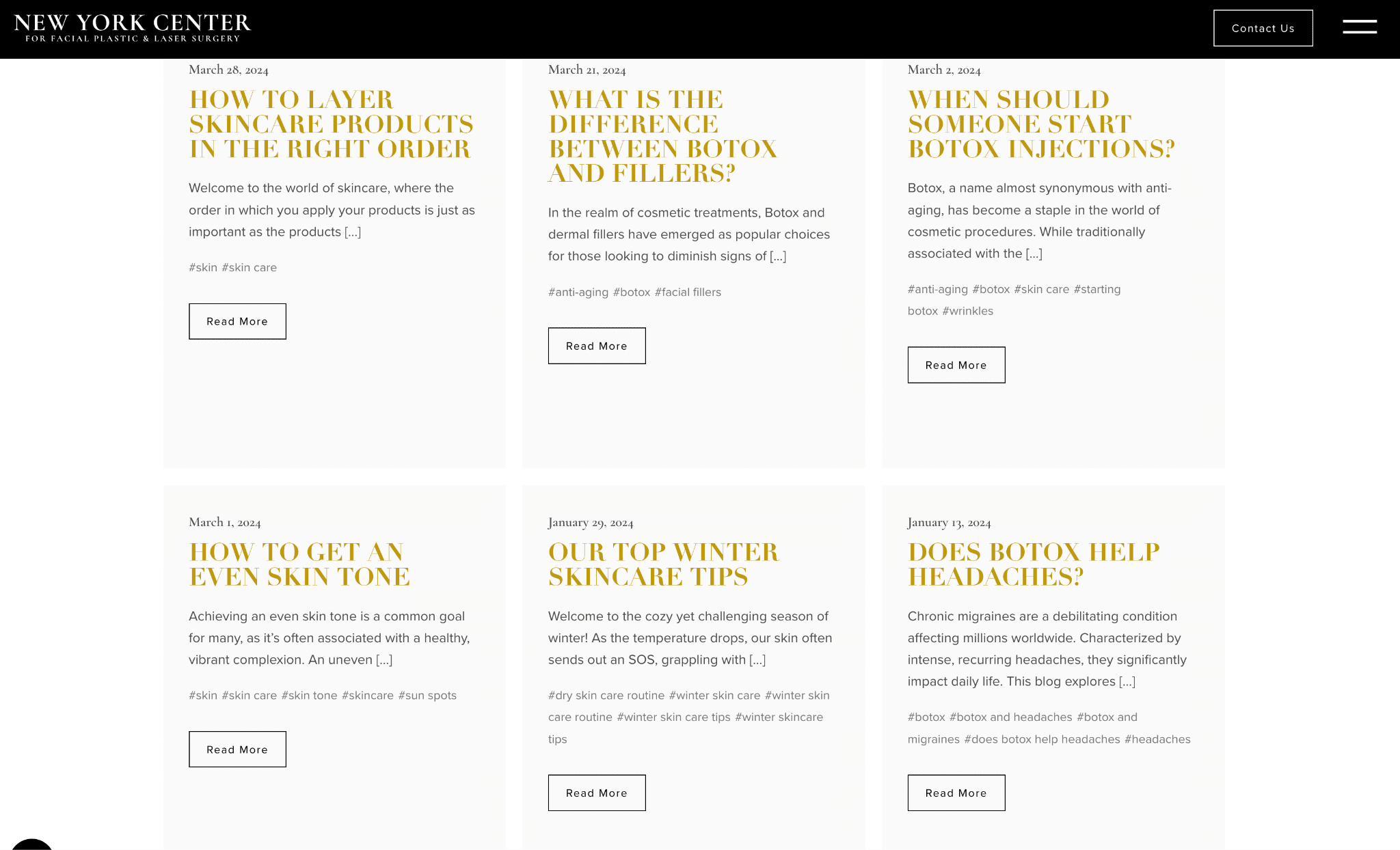
For example, if I receive AI feedback on page content, I review it to identify enhancements while ensuring alignment with our goals.
Let Them Realize When ChatGPT is Off
After exploring valuable insights, I walk clients through weaker points, encouraging them to understand the discrepancies independently.
We once had a client misled by AI into thinking competitors focused solely on one procedure. Through analysis, we revealed they covered diverse topics, allowing the client to recognize AI’s oversights.

Improve the Analysis, Don’t Debate Output
I explain that AI outputs reflect the input quality. When context or guidance is lacking, AI’s conclusions can be skewed.
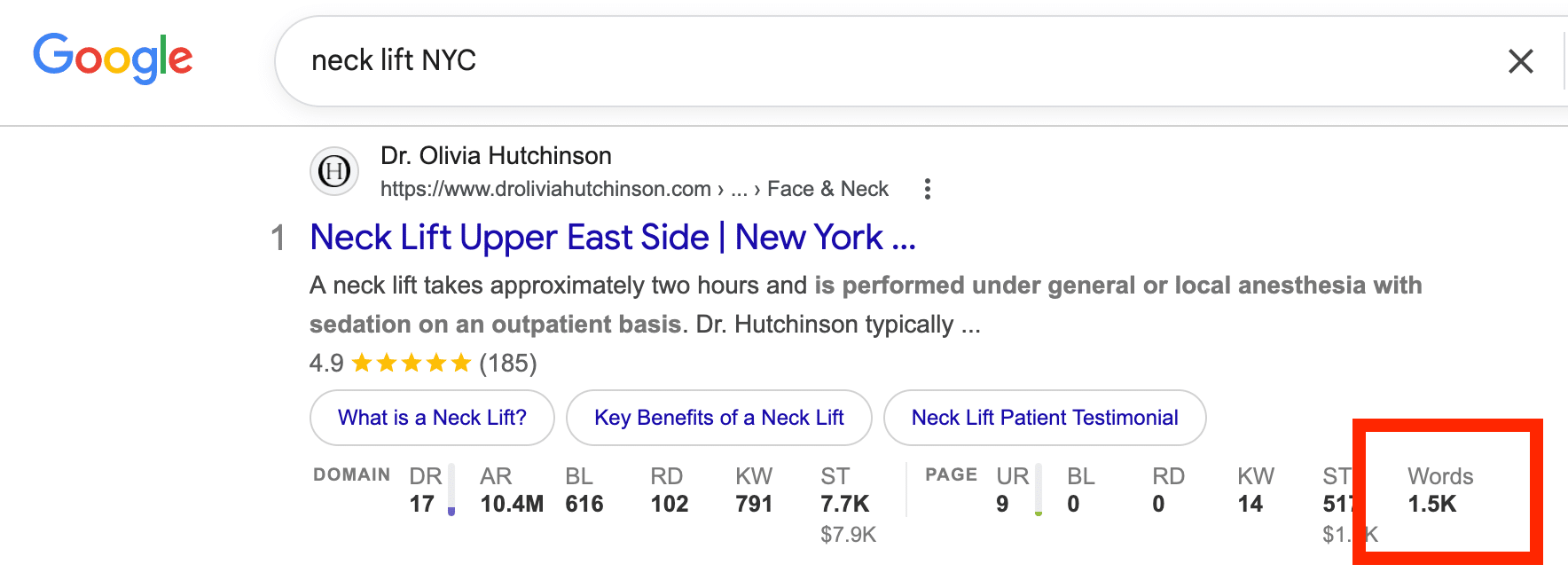
For example, AI suggested 3,000+ word procedure pages. However, top-ranking pages were shorter, affirming my experience that word count alone doesn’t influence rankings.
Thus, refining prompts, not necessarily dismissing AI, is where the focus should be.
Embrace and Master AI-Related Emails
Such emails are inevitable, and learning to address them efficiently strengthens our role as marketing leaders.
Mastering this skill means keeping clients engaged, bolstering our expertise, and managing time efficiently.
The next time you’re on the receiving end, remember to blend professionalism with collaboration and expertise.
Inspired by this post on Search Engine Land.

Leave a Reply