Tag: Client Relationships

  • Responding Gracefully: Handling AI-Driven SEO Suggestions

    Responding Gracefully: Handling AI-Driven SEO Suggestions

    When I receive emails like, “Hi Frank, I had ChatGPT look at our SEO and it has a bunch of recommendations. Can you take care of this for us?” I know I’m not alone. Many of us are facing similar queries from clients and managers.

    The challenge lies in responding effectively without appearing defensive. We need to guide through what’s pertinent, what’s generic, and what’s simply off the mark.

    Mastering SEO is one thing; communicating about AI-generated insights is another. Here’s how I’ve learned to handle AI suggestions tactfully.

    Resist the Urge to Simply State, ‘ChatGPT is Wrong’

    Although it might be tempting to outright dismiss the AI output, doing so can often backfire, leading to perceptions of being territorial instead of collaborative.

    ```json
{
  "alt": "The CapmatchOne logo with a gradient circle and bold text.",
  "caption": "Discover innovation with the CapmatchOne logo, featuring sleek typography and a modern gradient circle.",
  "description": "The CapmatchOne logo features bold, modern typography coupled with a gradient circle, symbolizing connection and innovation. The sleek design conveys a sense of progress and creativity. This image can be used for branding or promotional purposes, appealing to audiences interested in innovative solutions and forward-thinking designs."
}
```

    Rather than debating the AI, I focus on demonstrating my ability to assess AI output objectively and effectively.

    My first step always involves acknowledging the effort behind the suggestions before diving into their evaluation.

    Validate the Effort

    I start with gratitude: thanking them for their input. It’s crucial to remember that these suggestions are usually a genuine attempt to contribute.

    ```json
{
  "alt": "Highlighted text discussing Philadelphia relevance issue in SEO content.",
  "caption": "Exploring the SEO challenges of establishing Philadelphia relevance for localized content.",
  "description": "An analysis document highlights a priority issue regarding Philadelphia's relevance in SEO strategy. The text discusses targeting Philadelphia for search queries, but notes that the visible contact address, Bryn Mawr, PA, may weaken the intended geographical focus. Key insights are provided on enhancing local relevance to align better with search engine requirements, suggesting improvements for content and address listing configurations."
}
```

    Rushing to critique AI recommendations can make them feel their effort is undervalued.

    For instance, recently, my response was:

    “Hi Dr. _______, thanks for sending this over. There are a few ideas worth considering. I also have thoughts on enhancing the model’s context with additional data. I’ll dive into it and update you.”

    ```json
{
  "alt": "Text highlighting surgeons who specialize in specific facelift procedures, such as deep plane facelift and couture facelift stitches.",
  "caption": "Discover how top surgeons specialize in unique facelift procedures, each establishing a clear identity and enhancing their SEO presence.",
  "description": "The image presents text detailing how specific surgeons excel in particular facelift procedures. Examples include Jacono, known for vertical deep plane facelifts and being a facelift authority; Alemi, a deep plane facelift specialist; and Timberlake, noted for couture facelift stitches. They all build a strong identity and optimize their SEO around facelift surgery."
}
```

    This approach shows appreciation, signifying my willingness to consider their suggestions earnestly.

    Follow Up with What’s Worth Exploring

    Begin by identifying the suggestions that hold potential value. This demonstrates a balanced view rather than outright rejection.

    I often find value in AI suggestions, which can serve as a starting point for deeper analysis and refinement.

    ```json
{
  "alt": "Website page from New York Center for Facial Plastic & Laser Surgery featuring blog post titles about skincare and Botox.",
  "caption": "Discover insights from the New York Center for Facial Plastic & Laser Surgery's latest blog, covering topics from skincare tips to Botox benefits.",
  "description": "This webpage from the New York Center for Facial Plastic & Laser Surgery displays six recent blog post titles with brief excerpts. Topics include layering skincare products, differences between Botox and fillers, when to start Botox injections, achieving even skin tone, top winter skincare tips, and whether Botox helps headaches. The posts are dated from January to March 2024 and feature hashtags like #skincare, #botox, and #anti-aging for improved searchability."
}
```

    For example, if I receive AI feedback on page content, I review it to identify enhancements while ensuring alignment with our goals.

    Let Them Realize When ChatGPT is Off

    After exploring valuable insights, I walk clients through weaker points, encouraging them to understand the discrepancies independently.

    We once had a client misled by AI into thinking competitors focused solely on one procedure. Through analysis, we revealed they covered diverse topics, allowing the client to recognize AI’s oversights.

    ```json
{
  "alt": "Steps for building a patient population with cornerstone pages and articles.",
  "caption": "Strategize your patient reach by curating cornerstone pages and educational articles for effective audience engagement.",
  "description": "The image outlines a strategy to build a patient population through content development. Step 1 involves creating 10 cornerstone pages on topics like facelifts and lip lifts, each exceeding 3000 words. Step 2 focuses on launching 50 educational articles. This structured plan aims to enhance SEO and audience engagement, especially in the NYC healthcare sector."
}
```

    Improve the Analysis, Don’t Debate Output

    I explain that AI outputs reflect the input quality. When context or guidance is lacking, AI’s conclusions can be skewed.

    For example, AI suggested 3,000+ word procedure pages. However, top-ranking pages were shorter, affirming my experience that word count alone doesn’t influence rankings.

    Thus, refining prompts, not necessarily dismissing AI, is where the focus should be.

    ```json
{
  "alt": "Google search result for neck lift in NYC with Dr. Olivia Hutchinson's website ranked first.",
  "caption": "Discover top-ranked neck lift services in NYC, featuring Dr. Olivia Hutchinson. A trusted choice for professional and caring procedures.",
  "description": "Screenshot of a Google search result for 'neck lift NYC,' showing Dr. Olivia Hutchinson's website as the top result. The entry highlights neck lift procedures on the Upper East Side, outlines the procedure duration, anesthesia details, and features a 4.9 star rating from 185 reviews. It includes additional statistical data such as domain ranking and page metrics, making it a detailed and informative snippet for interested patients."
}
```

    Embrace and Master AI-Related Emails

    Such emails are inevitable, and learning to address them efficiently strengthens our role as marketing leaders.

    Mastering this skill means keeping clients engaged, bolstering our expertise, and managing time efficiently.

    The next time you’re on the receiving end, remember to blend professionalism with collaboration and expertise.


    Inspired by this post on Search Engine Land.


    crushpress.ai community screenshot
  • Mastering the Art of Delivering Tough SEO News to Executives

    Mastering the Art of Delivering Tough SEO News to Executives

    I’ve learned that executives don’t crave SEO jargon. What they need is clarity, honesty, and a clear path forward. Here’s how I deliver just that when faced with disappointing results.

    Traditional SEO metrics haven’t been reassuring, and while more studies could affirm this, the existing data already does. Organic traffic is dropping for many of my clients, with studies like Seer Interactive’s showing a 61% drop in CTR for queries with AI Overviews. Executives notice these downward trends on their dashboards, often for extended periods.

    Many consultants I’ve spoken with find themselves unprepared for these tough conversations. Diagnosing the traffic drop is one thing, but sitting across from a CMO and explaining not just what’s happened, but why it happened and what you propose to do about it, requires a whole different skill set. This skill is crucial, yet often overlooked.

    Having spent 13 years in SEO and the last six managing an agency, where I personally lead strategy and present to senior executives, I’ve discovered five key lessons on breaking bad news in what I consider one of the most challenging times to be an SEO consultant.

    1. Executives are more predictable than you think

    A while back, a client expressed concerns after isolating our SEO work from the rest of their site’s organic traffic. Our reported overall numbers looked fine, but the performance of our specific work hadn’t improved over eight months.

    Upon reviewing, I found my team indeed avoided acknowledging the underperformance, opting instead to present only the numbers that looked good. No one wants to admit failure in a meeting, yet concealing it often proves more damaging.

    The client eventually finds out, and it’s not the underperformance that breaches trust, but the omission. Revealing issues early allows us to address what executives value most: problem-solving capability, diagnosis, and a strategic plan for recovery.

    This experience transformed our client engagement approach. We now rigorously separate and analyze our work’s performance, ensuring any underperformance is flagged early along with a proposed solution. Every executive I’ve met has been burned by vendors hiding results; they value the rare consultant who promptly addresses and plans for solutions.

    2. Diagnose before you communicate

    A prospect once approached me about a traffic decline, assuming AI Overviews were to blame. Instead of presuming, I thoroughly diagnosed the issue. My investigation revealed a PR-induced traffic spike had skewed the comparison, and once adjusted, current performance was actually solid growth.

    This diagnosis turned the discussion from a crisis into a positive affirmation of growth—within minutes. Conversely, I’ve also encountered genuine issues. For example, technical errors causing crawl waste impacted a client’s performance. Recognizing the pattern from past experience, I proposed a tried-and-tested solution.

    Executives don’t need to understand every technical detail; they need assurance of a diagnosed problem and a plan. Confidence stems from the quality of diagnosis and the specificity of the corrective plan, not the delivery itself.

    ```json
{
  "alt": "The CapmatchOne logo with a gradient circle and bold text.",
  "caption": "Discover innovation with the CapmatchOne logo, featuring sleek typography and a modern gradient circle.",
  "description": "The CapmatchOne logo features bold, modern typography coupled with a gradient circle, symbolizing connection and innovation. The sleek design conveys a sense of progress and creativity. This image can be used for branding or promotional purposes, appealing to audiences interested in innovative solutions and forward-thinking designs."
}
```

    3. Surprise bad news and failed experiments are different conversations

    Surprises

    The worst kind of bad news, surprises arise from work done without strategic anchoring. Without a defined plan, diagnosing a traffic dip becomes impossible, as no hypotheses were being tested—only tasks executed.

    Failed experiments

    In contrast, a failed experiment implies a deliberate strategy and defined expectations. While outcomes may disappoint, assessing performance and proposing informed next steps provides clarity and direction.

    Organizing work into structured cycles with specific bets and outcomes avoids surprise dips, fostering a culture of planned experiments. Clients are then prepared for any result, seeing it as a learning opportunity rather than an unexpected issue.

    4. Never arrive without a recommendation

    When clients ask, “What’s next?” after receiving bad news, an immediate, concrete recommendation is crucial. Lack of one heightens the perceived severity of issues. A seamless answer shows preparedness and instills confidence.

    I ensure thorough diagnostic and recommend two realistic paths, helping clients choose solutions rather than dwell on problems. This proactive approach shifts focus to resolution rather than dissatisfaction with setbacks.

    5. The tough conversation builds the relationship

    Strong client relationships often stem from overcoming difficulties, demonstrating capability under pressure. Being upfront and strategic when challenges arise consolidates trust more than perpetual smooth sailing.

    Clients appreciate honest, smart communication over avoiding tough topics. I’ve found that taking ownership of mistakes, providing diagnoses, and recommending solutions earns more respect and confidence.

    The conversation is part of the work

    As SEO becomes more challenging and results fluctuate, my conversations with clients have grown in importance. Providing clear diagnoses, backed by actionable plans, ensures we manage setbacks effectively.

    Clients now assess not just outcomes, but how I handle them, emphasizing the role of strategic, honest communication as an indispensable element of effective SEO consultancy.


    Inspired by this post on Search Engine Land.


    crushpress.ai community screenshot
  • Mastering Data Storytelling: The Three-Act Structure

    Mastering Data Storytelling: The Three-Act Structure

    How to use the three-act structure for data storytelling

    When I first analyzed my client’s website, I collected all performance data, pinpointed the successes, identified areas for improvement, and laid out my recommendations. However, transitioning this data into a compelling and trustworthy presentation required more than just numbers—it needed a narrative.

    Storytelling proved to be the key. It is not solely for entertainment but is a fundamental tool for making sense of data, making it indispensable for effectively presenting insights.

    One framework I found remarkably effective is the classic three-act structure, famously applied in everything from Aristotle’s Poetics to modern blockbusters like Star Wars.

    This three-act structure allows me to guide my client’s journey from initial insights to actionable conclusions, positioning them as the story’s hero who overcomes challenges.

    It’s similar to a narrative arc, but segregated neatly into three parts: the setup, the confrontation, and the resolution.

    Act 1 sets the stage, spotlighting the status quo and the emerging challenge—the antagonist to our protagonist, the client.

    Act 2 introduces rising action as conflicts and obstacles emerge, demanding strategies to navigate them.

    Act 3 brings the climax and resolution, depicting how the applied strategies overcome obstacles and pave the path for future success.

    ```json
{
  "alt": "The CapmatchOne logo with a gradient circle and bold text.",
  "caption": "Discover innovation with the CapmatchOne logo, featuring sleek typography and a modern gradient circle.",
  "description": "The CapmatchOne logo features bold, modern typography coupled with a gradient circle, symbolizing connection and innovation. The sleek design conveys a sense of progress and creativity. This image can be used for branding or promotional purposes, appealing to audiences interested in innovative solutions and forward-thinking designs."
}
```

    This method offers a deeper understanding of data and transforms mere analysis into a strategic journey that places the client at its heart.

    In essence, embracing the three-act structure for data storytelling fosters transparency and cooperation, aligning our goals with those of our clients for mutual success.

    Step 1 involves revisiting past strategies and successes to establish the baseline of Act 1.

    Step 2 follows suit by dissecting current challenges, mirroring the conflict escalation of Act 2.

    Finally, Step 3 proposes solutions that serve as the resolution in Act 3, captaining the client’s progression towards their goals.

    Imagine carving the path of this narrative like charting a hero’s journey. With every data set unfolds a chapter where I play the guide, bridging insights with impactful actions.

    But just as with any story, reaching our conclusion doesn’t signify the end. It marks the dawn of new strategies, fresh collaborations, and continued growth.

    This is how I not only deliver insights but foster trust and clarity in my partnerships, ensuring that both the successes and challenges of data transform into a compelling narrative.


    Inspired by this post on Search Engine Land.


    crushpress.ai community screenshot
  • Transform Your SEO with AI: 20 Practical Applications

    Transform Your SEO with AI: 20 Practical Applications

    20 practical ways to use AI in SEO

    After almost two decades in digital marketing, AI significantly impacted how I work. It’s been a game-changer by saving time, cutting down on repetitive tasks, and speeding up challenging ones.

    However, AI doesn’t operate as a magic wand. It won’t do the entire job for you or transform everything overnight. In the hands-on world of SEO, armed with real clients and deadlines, AI serves as a handy tool to ease workloads but doesn’t eliminate the necessity of hard work.

    Below are 20 ways I’ve integrated AI into my SEO strategies. Some are specific to SEO, while others benefit anyone in the industry. Each usage is practical, tested, and transparent about its constraints.

    Content creation and copywriting

    1. Writing first drafts

    The best way to leverage AI in content is to see it as a rapid first-draft creator rather than expecting it to deliver polished, ready-to-publish pieces. Provide it with your brief, target keywords, audience, and angle to get a structured draft.

    Focus on rewriting this draft in your voice by injecting your unique expertise. Enhance AI-generated content with personal stories, case studies, stats, and your professional insights.

    AI helps avoid the daunting starting point of a blank page, saving valuable time.

    2. Generating meta title and description variations

    Provide your target keyword, page topic, and character limits to Claude or ChatGPT, and request 10 variations for your meta titles and descriptions. You might choose one or mix two for the best effect, reducing creation time from 20 minutes to just two!

    Many tools will let you upload CSVs, add AI-generated suggestions, and download them for review. However, always ensure a human review for optimal results.

    3. Refreshing underperforming content

    If a page or blog post is underperforming, paste it into an AI tool to get feedback on missing elements, extensible parts, and outdated information. Although not always perfect, it offers a fresh perspective without needing to reread everything yourself.

    Detailed prompts with context yield better results than simply pasting content cold.

    4. Generating FAQ sections

    Ask AI to generate the top 10 questions around your target keywords and check them against ‘People Also Ask’ and your research. By providing well-crafted answers, you get an FAQ section, potential featured snippets, and a content gap analysis in around 10 minutes.

    5. Writing alt text at scale

    Crafting alt text for numerous images can be a tedious task. Describe the image, its page context, and include the target keyword for AI to generate appropriate alt text descriptions. While not glamorous, it’s essential and much faster.

    Running a site through Screaming Frog, exporting it, and using AI to write alt text can quicken the process if file names are descriptive. Human oversight remains a necessity, focusing on speed rather than full automation.

    Dig deeper: How to use AI for SEO without losing your brand voice

    Technical SEO

    6. Understanding error messages and log files

    AI proves invaluable for those without a developer background by translating technical error messages, interpreting server logs, and identifying why a page isn’t being indexed. Paste in your output, ask for explanations and recommended fixes, verifying the insights before implementation.

    7. Writing schema markup

    Schema markup can be tedious. Provide AI with page content descriptions and schema type (like FAQ or Article), and let it generate the JSON-LD code. Always verify it with Google’s Rich Results Test to ensure correctness. The process now takes me only five minutes per page type!

    8. Creating regex for Google Search Console

    If you’re utilizing regex in GSC filters and aren’t an expert, AI can lend a hand. Describe what you need to filter and request the regex string. It usually gets it right and can even explain the logic for your understanding.

    9. Analyzing crawl data with prompts

    Export crawls from Screaming Frog or Sitebulb. If you’re uncertain what to prioritize, input the data into an AI tool and receive guidance on the highest-priority issues for site goals. It’s a great assistance when diagnosing plenty of issues under tight timings.

    Dig deeper: 6 tactical ways to responsibly use AI for everyday SEO

    Reporting and analysis

    10. Writing the narrative around the numbers

    One underrated AI use in SEO work involves creating narratives around the data. You have the facts, but forming a coherent narrative explaining fluctuations and future expectations takes effort. Share your key metrics, contextual events, and have AI draft the narrative for you to refine and enhance.

    This method helps blend information from multiple sources. I save hours monthly while compiling reports.

    ```json
{
  "alt": "The CapmatchOne logo with a gradient circle and bold text.",
  "caption": "Discover innovation with the CapmatchOne logo, featuring sleek typography and a modern gradient circle.",
  "description": "The CapmatchOne logo features bold, modern typography coupled with a gradient circle, symbolizing connection and innovation. The sleek design conveys a sense of progress and creativity. This image can be used for branding or promotional purposes, appealing to audiences interested in innovative solutions and forward-thinking designs."
}
```

    11. Summarizing long reports for clients

    Not every client wishes to examine a 12-page report. Task AI with summarizing it into an executive five-bullet summary for better engagement. The comprehensive report remains optional for those who seek details.

    Providing a simple, easy-to-understand executive summary bridges understanding gaps for clients not familiar with SEO intricacies.

    12. Identifying anomalies in data

    Input your keyword rankings or traffic data and let AI detect unusual trends or patterns that deviate from expectations, such as drops or unexplained gains.

    While it won’t replace comprehensive analysis, it is beneficial for a preliminary review when overwhelmed by data.

    Dig deeper: How to build AI confidence inside your SEO team

    Research and competitor analysis

    13. Conducting competitor content gap analysis

    List your top competitors and yourself, asking AI to identify potential content gaps based on competitors’ strategies and positioning.

    Use AI-generated insights to guide targeted keyword research, starting the manual process with hypothesis-generating edge.

    14. Understanding a new industry quickly

    For unfamiliar industries, rely on AI to guide you with key terminology, major players, buying cycles, search habits, and common pain points. This approach saves you time on initial discovery calls.

    15. Identifying search intent mismatches

    Ask AI to categorize your target keywords by search intent, then check for disparities in your current page targeting approach. It’s straightforward yet tedious when dealing with numerous keywords.

    Dig deeper: How to use AI response patterns to build better content

    Client communication and account management

    16. Drafting difficult client emails

    AI eases the burden of crafting challenging emails, whether explaining dropped rankings or missed deadlines. Provide situation details, needed actions, and let AI draft a professional message to edit and send, saving emotional energy.

    17. Writing SOPs and process documentation

    To document processes, verbalize or note down rough steps and let AI turn them into structured SOPs. This approach helps overcome procrastination, offering a framework to refine further.

    18. Preparing for client calls

    Before client calls, recap recent report data, outstanding issues, and planned agenda with AI assistance for structuring and anticipating potential client queries. This primes you for a well-prepared meeting experience.

    Productivity and admin

    19. Processing your own thinking

    I frequently turn to AI when grappling with strategic or creativity blocks. I discuss challenges aloud and AI helps clarify thoughts, aiding in quicker and easier decision-making processes.

    Ask AI for honest feedback to bypass mere agreement, ensuring you receive pertinent, challenging insights.

    20. Building prompts you actually reuse

    The greatest productivity surge from AI arises by crafting a repository of tailored prompts for your workflow. Save successful prompts to establish a library, avoiding the need to reinvent each time. Consistent reuse of effective prompts compounds productivity gains over time.

    Top tip: Many premium AI tools permit project creation with specified instructions, saving time spent repeatedly inputting detailed information for prompts.

    Dig deeper: Why SEO teams need to ask ‘should we use AI?’ not just ‘can we?’

    What these use cases don’t replace

    These AI tips augment, but do not replace, the expertise and relationships crucial to excellent SEO practice. AI lacks nuanced understanding of business intricacies, account histories, and client relationships.

    By lessening time spent on monotonous tasks, AI allows more room for expert work. Always employ AI as a tool, remain cautious of the hype, and ensure to personally review content before presenting to a client.

    Dig deeper: Could AI eventually make SEO obsolete?


    Inspired by this post on Search Engine Land.


    crushpress.ai community screenshot
  • Mastering Google Ads: Avoid Costly Pitfalls & Optimize Performance

    Mastering Google Ads: Avoid Costly Pitfalls & Optimize Performance

    I recently had an enlightening chat with Chloe Varnfield, a seasoned digital marketer from Atelier Studios with nearly eight years of PPC experience. She shared invaluable insights on avoiding hidden Google Ads settings, steering clear of Friday mishaps, and the dangers of following Google rep advice blindly. These hard-learned lessons resonated with me deeply.

    One of Chloe’s early eye-openers involved Google’s elusive account-level automated assets setting. It’s tucked away so deeply that I didn’t even realize it existed until I got an unexpected client message questioning a bizarre headline in their ad. It turns out Google had generated it automatically. This experience taught me the importance of auditing account-level settings and being proactive about Google updates.

    Another lesson Chloe swears by is to never implement significant changes on a Friday. Once, she adjusted a campaign’s geographic targeting mid-conversation, only to accidentally exclude the UK. Recovery took three bewildering days. The rule I learned? Avoid major changes on a Friday and promptly audit your campaigns when things go awry.

    Chloe’s most costly mistake unfolded when she followed a Google rep’s suggestion to switch bid strategies. What seemed like solid advice plummeted her campaign’s performance. It was a stark reminder of the high stakes involved in altering bid strategies, especially for businesses not hitting conversion volume thresholds. Patience and trusting my judgment emerged as crucial takeaways.

    While auditing inherited accounts, Chloe often finds recurring issues like broken conversion tracking and brand-broad match campaigns—challenges that skew performance data and waste precious budget. These insights made me acutely aware of consistently vigilant account management.

    Transparency in client relationships plays a pivotal role in Chloe’s success. Honest communication—explaining issues, solutions, and next steps—has shielded her from losing client trust. Her advice? Stay calm, be kind to yourself, and remember every problem offers a chance for growth.

    Lastly, Chloe emphatically warns against over-relying on AI for generating ad copy without thorough review. AI should be a tool to enhance speed, not replace meaningful human oversight. It reinforced my commitment to always infuse my unique voice and critical review into AI outputs.


    Inspired by this post on Search Engine Land.


    crushpress.ai community screenshot
  • Surviving the Loss: Lessons from Letting Go of a Major Client

    Surviving the Loss: Lessons from Letting Go of a Major Client

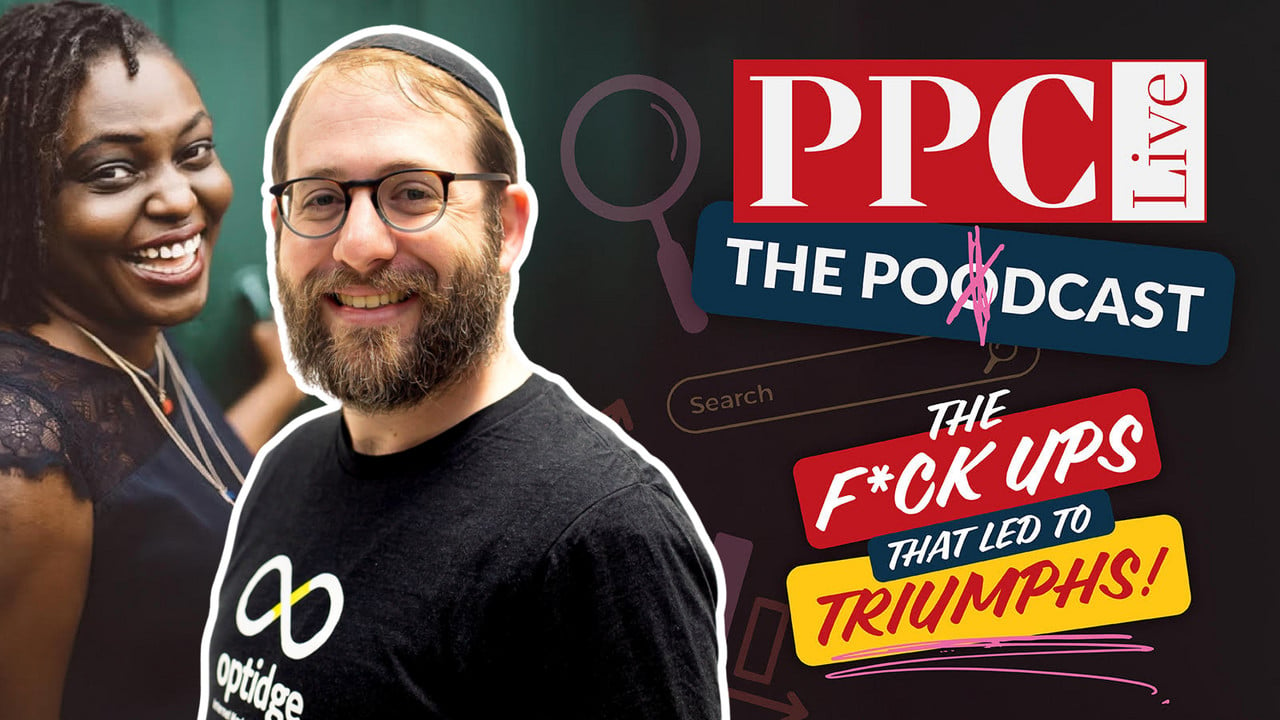
    In a recent episode of PPC Live The Podcast, I got the chance to sit down with Emina Demiri Watson, the Head of Digital at Vixen Digital based in Brighton. She opened up about one of the more challenging experiences an agency can face: choosing to let go of a client who made up a significant portion of their revenue. Imagine a client that accounts for 70% of your income, and then having to say goodbye. This is what Emina bravely tackled.

    Over approximately three months, it became clear that the relationship with this client was worsening. It wasn’t an overnight decision; it evolved from a once-healthy dynamic to something toxic. The leadership team at Vixen made the tough call to prioritize their company culture over the immediate financial gain provided by this client. It was a decision not driven by a difficult client but by a deteriorating relationship that impacted the entire team.

    When they finally analyzed the situation, the reality hit hard. Vixen discovered they had a serious issue with client concentration — one client dominated their revenue structure. This wasn’t apparent until they examined the figures closely, underscoring the importance of having well-organized financial tracking systems.

    Emina also highlighted several red flags agencies should watch for in client relationships. It’s not just about declining campaign performance; watch for shifts within the client’s business, such as restructuring, team changes, or security breaches that can impact lead conversions. It’s crucial to understand what’s happening on the client’s end to maintain a healthy partnership.

    The road to recovery for Vixen Digital involved three key strategies: properly monitoring client concentration, adhering to their core values, and being patient with rebuilding revenue. Losing the client allowed them to re-focus on pitching new business and reconnecting with the industry, activities that had previously been sidelined.

    In discussing mistakes observed during account audits, Emina noted common issues such as using broad match without adequate audience safeguards and neglecting negative keyword lists. These errors often lead to ineffective targeting, especially problematic for businesses targeting niche, high-value audiences.

    Emina’s view on AI is refreshingly realistic: the key misstep is overhyping it. In the PPC world, we’ve been navigating automation for years, which positions us well to question AI’s supposed magic. Her advice to the team is to use AI tools like Claude for preliminary research but never to replace critical thinking.

    If you’re grappling with the idea of ending a deteriorating client relationship, Emina’s straightforward advice is to return to your values. Prioritize commercial goals if that aligns with your mission, but if preserving company culture and team morale are paramount, it may be time to let go.


    Inspired by this post on Search Engine Land.


    crushpress.ai community screenshot
  • Transforming Client Pressure into Growth: Insights from Andrea Cruz

    Transforming Client Pressure into Growth: Insights from Andrea Cruz

    On episode 341 of PPC Live The Podcast, I had the pleasure of chatting with Andrea Cruz, Head of B2B at Tinuiti. We delved into a challenge that many senior marketers face: the struggle of providing immediate answers when clients press for details without prior notice.

    We explored how missteps in communication can amplify client stress, and how adopting a proactive mindset can turn these challenges into pivotal moments of growth in one’s career.

    As Cruz progressed from a hands-on marketer to leading entire teams, she encountered the challenge of advocating for projects she wasn’t directly managing daily. This shift brought new struggles, especially when clients questioned campaign performance or outcomes.

    In those moments, freezing or delaying responses can damage trust. Cruz realized that senior leaders must offer clear direction, even without knowing every detail, to maintain confidence in discussions.

    Through her experiences and mentorship, Cruz honed a technique for buying time without losing trust: asking thoughtful questions. This strategy not only buys time but also ensures that the responses are precise and address the core of the client’s concerns.

    Her method includes asking clients to clarify expectations, requesting additional context, and confirming their understanding. This approach is crucial, especially in emotionally charged situations, and, for Cruz, it allowed her to manage complex conversations effectively despite being a non-native English speaker.

    At Tinuiti, the focus is on a solutions-driven culture over assigning blame. By addressing ‘Where are we now?’ and ‘How do we get where we want to be?’, teams foster a safe space to discuss errors and learn from them. Cruz believes that leaders should set the standard by openly sharing their own mistakes.

    Cruz advocates for proactive communication, urging teams to address issues before clients notice. Tailoring communication styles to client preferences fosters stronger relationships and transforms agencies into strategic partners.

    Common mistakes in B2B advertising include spreading budgets too thin and underfunding campaigns. Cruz emphasizes that it’s better to focus on fewer channels with adequate resources to avoid ineffective outcomes.

    Regarding AI, Cruz warns against limiting its use to basic tasks and shares how her team is leveraging AI for advanced operations, enhancing strategic execution.

    Cruz’s message is clear: growth requires preparation and a willingness to adapt. By anticipating client needs and embracing experimentation, marketers can turn pressure into golden opportunities.


    Inspired by this post on Search Engine Land.


    crushpress.ai community screenshot
  • How AI Highlights the Vital Role of Human Connections in Agencies

    How AI Highlights the Vital Role of Human Connections in Agencies

    Working as an office manager in my early 20s, I discovered Dale Carnegie’s “How to Win Friends and Influence People.”

    The timeless principles in that book have been my guiding compass through various career shifts. I’ve realized that success in most professions hinges on how we interact with others—be they clients or colleagues.

    For many years, combining human touch with technical skills has been a winning formula for digital marketers. It was this ability to demystify complex machines coupled with strong relationship-building that allowed agencies to retain clients.

    But now, this model is under scrutiny as AI becomes integral to PPC platforms, raising a pertinent question: why shouldn’t clients dive into an entirely AI-driven approach?

    What agencies have an edge on is their relational strength—their ability to communicate effectively and understand what business owners genuinely need.

    1. Ask questions

    I’ve learned that one of the most effective ways to understand people and what makes them tick is by asking questions. Though it seems straightforward, communication often becomes lost in translation or obscured by assumptions.

    Whenever I walk into a sales call, I arm myself with a list of questions. How much can I uncover about this potential client in a brief half-hour conversation?

    Similarly, during strategy discussions, I prepare a comprehensive set of queries—some for myself, and some for the client. What are they aiming to achieve? What aspects of their current strategy need refinement? How can we enhance it?

    To this day, AI can’t fulfill this role—not yet, at least. Our exchanges with AI remain predominantly one-sided.

    AI doesn’t actively seek to understand us as individuals or identify our unique challenges. These discoveries only come from asking questions and actively listening, which leads to the next point.

    Dig deeper: 6 tips to build PPC client relationships

    2. Talk less, listen more

    How often do I find myself in conversations, impatiently waiting for a pause to insert my thoughts? I’m guilty of this, but I’ve found that clients crave the opportunity to be heard.

    Allow them to express themselves fully, encourage them with more clarifying questions, and just keep listening. It’s remarkable what you can learn about someone when you enter a conversation with no other agenda but to understand the other person.

    Fill the silences only if they become awkward, and if you have valuable agenda points to address based on what you’ve learned. This approach fosters collaboration and generates ideas more swiftly than dominating the conversation could. It solidifies agreement, which is foundational in building relationships.

    Dig deeper: 8 questions to ask your new PPC clients

    3. Find common ground

    Whenever possible, I aim to discover commonalities between myself and new acquaintances. By doing so, I build rapport, enriching both personal and professional relationships.

    Being personal and specific, whether dealing with a friend or a client, is key. I love recalling little details about people and bringing them up in future conversations. People appreciate being remembered and valued.

    Though AI is beginning to develop memory, finding shared experiences with others is a uniquely human skill that, fortunately, remains beyond AI’s reach.

    Dig deeper: When and how to fire PPC clients

    4. Smile, be less serious (when it’s appropriate)

    In the fast-paced marketing realm, it’s easy to succumb to the all-consuming cycle of data analysis and testing. Remember, though, not to take ourselves too seriously.

    After all, this profession is relatively new, and its evolution is unpredictable. Let’s not forget why we ventured into marketing—to help and connect with people. Let’s embrace opportunities to be less serious and inject humor when it fits.

    We’re human, and it’s vital for those we work for to recognize this humanity as an integral part of any relationship.

    Dig deeper: How to set and manage PPC expectations for teams and stakeholders

    What differentiates a partner from an algorithm

    In a world increasingly dominated by AI, the focus is shifting from technical prowess to personal connection. AI excels at data and analysis, available at a moment’s notice, but knowledge alone isn’t sufficient anymore.

    Empathy, shared experiences, and true rapport are beyond AI’s capability to replicate. These human principles, combined with expertise, are what enabled agencies to decode machines for clients and nurture enduring relationships.

    By returning to relational basics—posing insightful questions, practicing active listening, and establishing common ground—agencies can affirm their indispensable value.

    These relational skills are vital in distinguishing a partner from an algorithm, ensuring that the work of agencies remains not just relevant but essential.


    Inspired by this post on Search Engine Land.


    crushpress.ai community screenshot