
For years, I’ve been told to stick to a set of guidelines: always use top-notch creatives, maintain a polished brand, follow scripts, and adhere to platform-recommended formats.
Lately, while navigating ad accounts or simply scrolling through feeds, I’ve noticed something intriguing. The ads that grab my attention often defy these rules. They’re less polished, scrappier, and sometimes referred to as ‘ugly ads.’ What’s fascinating is that they’re outperforming the traditional, polished ones.
More brands are deliberately breaking so-called best practices to stand out. It’s important to remember that these practices represent an average of what worked for others in the past. By the time a strategy becomes a platform-recommended rule, it might have already lost its edge.
This is why defying best practices can lead to success — but only if you understand the reasons behind them.
Why Breaking Best Practices Enhances Ad Performance
Before diving into what to change, it’s crucial to understand the rationale behind existing rules. Platforms like Meta and TikTok have dual objectives:
- They aim for you to spend money on ads.
- They want to keep users engaged on their platforms.
The best practices they promote are designed to ensure a seamless experience, encouraging ads to resemble others. The issue is that familiarity eventually breeds invisibility. When I adhere too closely to the rules, my ads risk blending into the background noise, overlooked by users.
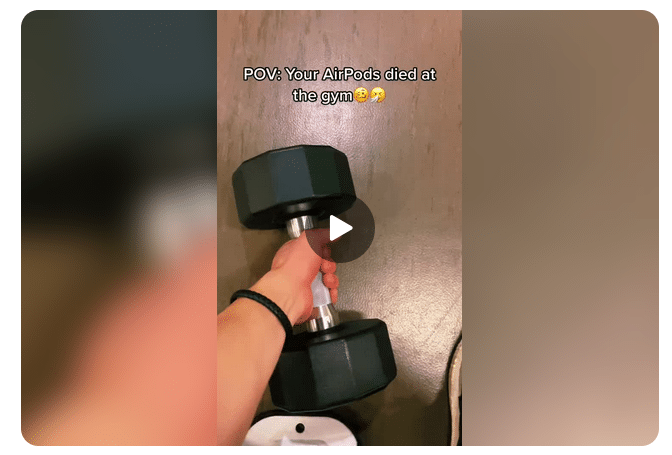
Highly-produced ads often scream ‘this is an ad,’ prompting users to skip them before my message hits home. In contrast, when my ad resembles something a friend might share, users’ defenses remain down longer, potentially transforming a scroll into a conversion.
This is why many top-performing ads today don’t appear traditionally polished or on-brand. They break patterns instead. Consider:
- Grainy phone footage.
- Notes app screenshots.
- Green-screened reactions or commentary videos.
- Other lo-fi formats that outperform studio-quality creatives.

To implement this, I started intentionally reducing my production value and experimented with formats like point-of-view (POV) shots tailored to various personas.
Dig deeper: TikTok ad creative has a shorter shelf life. Here’s how to keep up
Founder-Led Ads: Reviving the Human Touch
Many brands have adopted guidelines that make them seem faceless and untouchable. They refrain from showing a messy office, an unpolished founder, or anything that challenges their corporate script. However, others are discarding that playbook, embracing founder-led ads that deviate from the polished executive version.

There’s a catch.
Breaking the rules works only when it’s genuine. I’ve learned that faking authenticity is easy to spot and can backfire. This was evident in a viral series of videos where McDonald’s CEO appeared to present a new burger, but his execution was criticized for being stiff and unconvincing.
As shown in a Dineline video, his performance appeared staged. Contrarily, Burger King’s president presented their burger with no hesitation, offering a genuine and relatable moment.
The distinction was evident: One was a product pitch, and the other felt authentic.
If my leadership doesn’t genuinely believe in the product, neither will my customers. Rule-breaking should allow us to be real, rather than simply appear unpolished.


The Comment Hook Hijack
You’ve probably encountered video hook best practices like ‘show the product in the first two seconds and state the value prop clearly.’ Sound familiar?
Imagine my ad starting with a screenshot of a negative comment, like one for a skincare product stating, ‘This probably smells like old socks, and does it even work?’ My ad would then show the founder confidently disproving this in an unscripted manner, applying the product.
Though this breaks the positive-association rule, it leverages viewers’ curiosity about digital conflicts. By the time they realize it’s an ad, they might already be engaged.

The Rebel’s Safety Net
I learned not to abandon all polished assets just yet.
Rule-breaking is strategic, and often misunderstood when the ’80/20 rule’ is ignored.
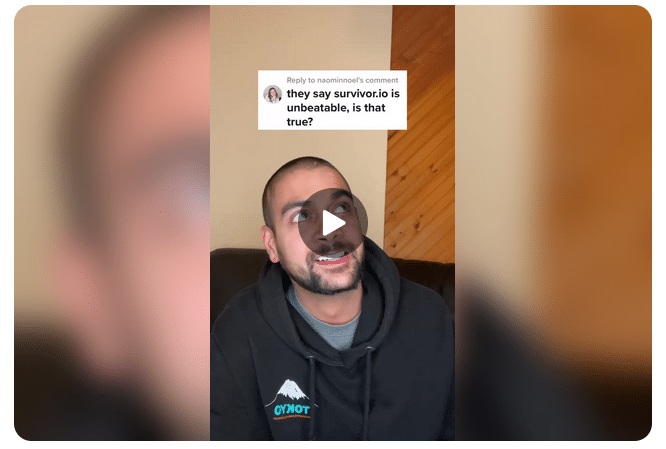
Switching completely to shaky phone footage isn’t wise. Keeping 80% of the budget in traditional ads while using 20% for testing unconventional ones can be effective.
Next testing campaign, I plan to try:
- The silent test: Running a silent ad with bold captions to stand out in a noisy feed.
- The UI ghost: Using static images resembling platform notifications to pause scrolling.
- The algorithmic trust fall: Disabling auto-optimizations in a campaign to test creative performance without constraints.
Don’t Follow the Rules; Understand Them
Best practices are a guide, not a strategy. To move beyond them, I do it systematically.
I start by questioning the rule’s existence, evaluating its current relevance, and testing its opposite in a structured manner. Comparing traditional and lo-fi approaches helps me understand user engagement better.
In an environment where brands play it safe, those who understand and strategically break the rules will capture attention and conversions. My goal is to learn faster than the competition, skipping guesswork.
Inspired by this post on Search Engine Land.

Leave a Reply