
When I first heard about Performance Max, I was skeptical. It seemed like an unfinished product, but over the past 18 months, Google has made significant improvements in transparency and control. If you haven’t revisited Performance Max since its early days, now is the perfect time to take another look.
As I learned from Mike Ryan at SMX Next, the advancements are worthy of attention.
Taking a Fresh Look at Performance Max
Performance Max evolved from Smart Shopping campaigns, introduced with much excitement in 2019. Yet, industry experts quickly pointed out issues with transparency and control, which Google is only now beginning to address.

Smart Shopping took away vital controls critical for managing campaigns effectively. Essential features like promotional controls and search term reporting vanished, leaving many of us feeling limited.
Fortunately, Performance Max reintroduces much-needed functionality, enhancing what was once lacking.
Understanding Performance Max Search Terms

In my experience, search terms are crucial for understanding the effectiveness of our campaigns. With Performance Max, Google has added a unique match type that brings detailed and scriptable data, allowing us to optimize with precision.
Search Term Insights vs. Campaign Search Term View
Initially, Google introduced search term insights, grouping queries into categories. Unfortunately, these lacked depth as they didn’t provide essential cost data.

The game-changer, though, is the new campaign-level search term view, offering access to more metrics and clearer visibility on performance.
While these insights are only available at the search network level, they offer significant improvement over past limitations.
Search Theme Reporting
Through Performance Max, I’ve realized search themes act as a positive targeting method. By checking conversion data and the source of traffic, I can ascertain the value of search themes, identifying whether they contribute effectively or remain underutilized.
Search Term Controls and Optimization
Negative Keywords
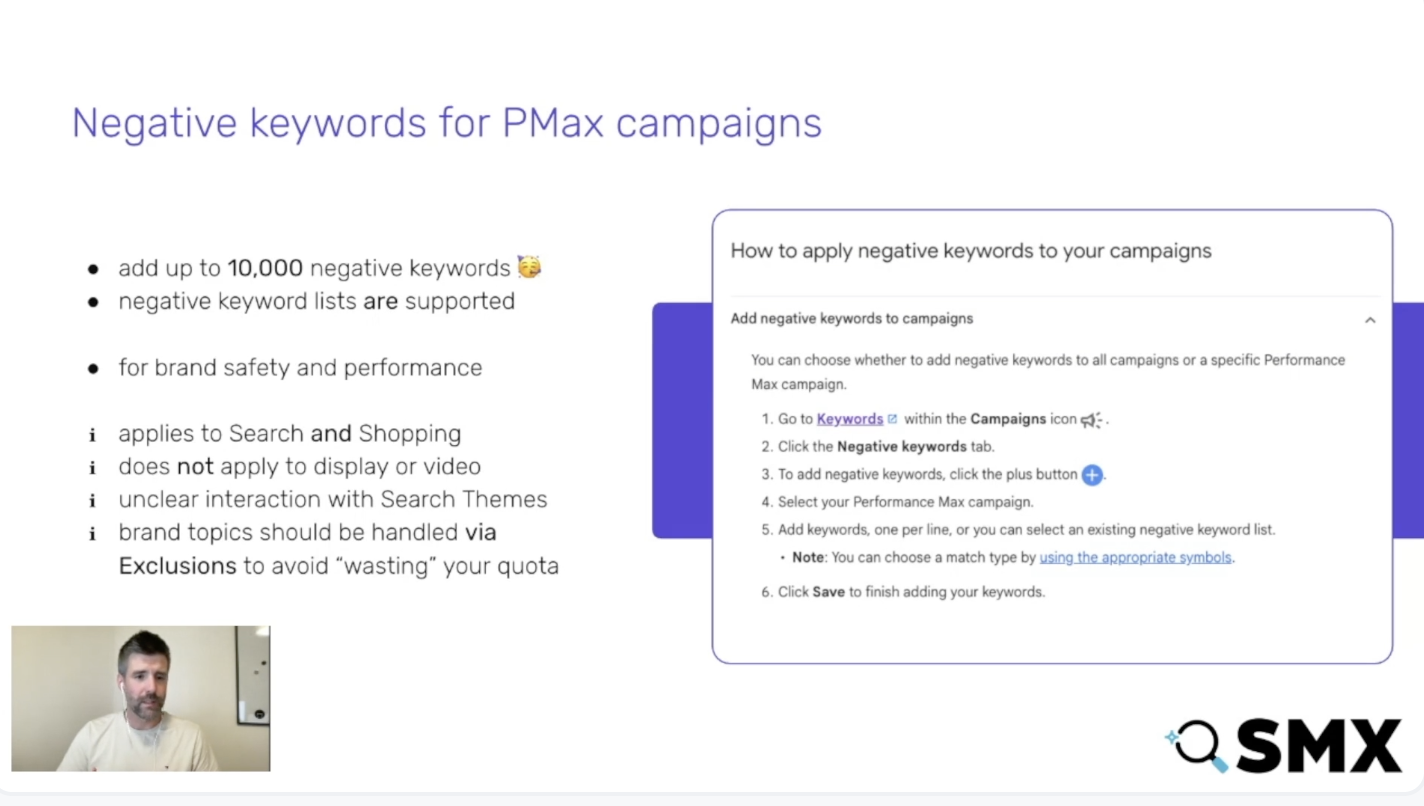
At first, negative keywords in Performance Max were limited, which was frustrating. But now, they are fully supported and much more robust, giving me the control I need to fine-tune performance.
Brand Exclusions
While Performance Max tends to favor brand queries because of their high intent, I’ve noticed that using negative keywords provides a stronger solution for ensuring optimal performance without leakage.
Optimization Strategy
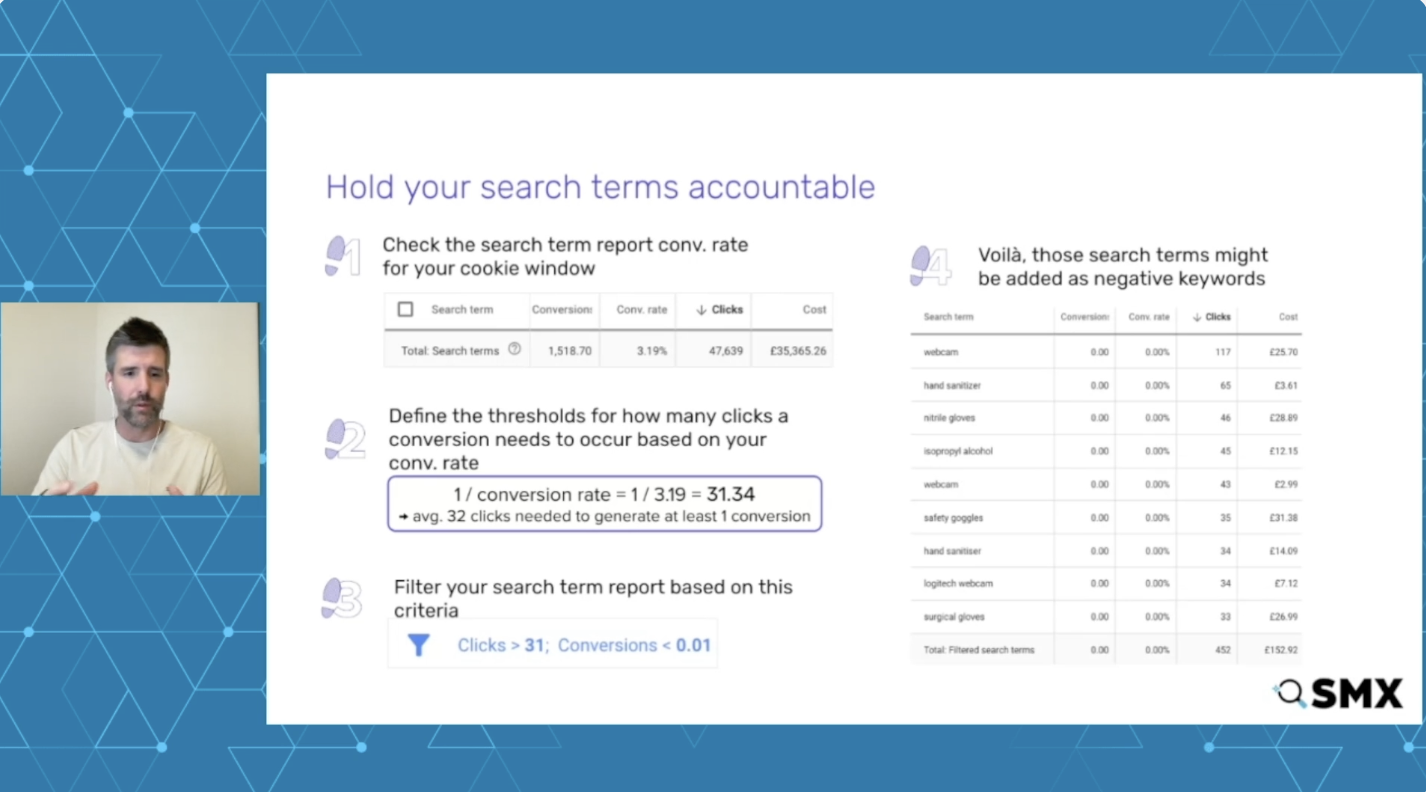
My strategy involves identifying non-performing search terms with higher-than-average clicks but zero conversions, making them strong candidates for exclusion. This approach prevents overcorrection while maintaining a focus on impactful terms.
Modern Optimization Approaches

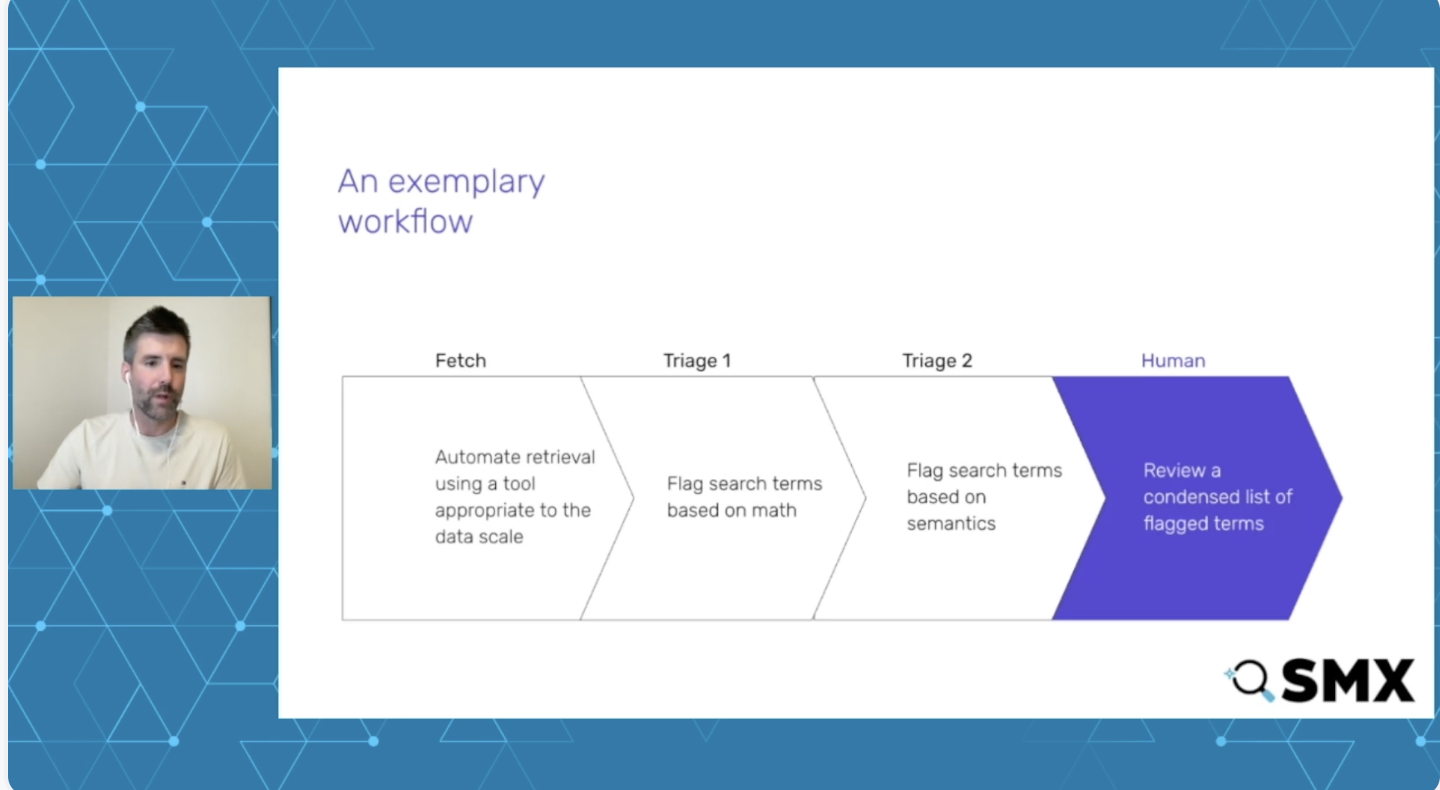
Instead of spending countless hours manually reviewing search terms, I leverage automation. Using the API for high-volume accounts and scripts for mid-range volumes significantly optimizes my workflow.
Channels and Placements Reporting
Channel Performance Report

One of the tools I now rely on is the channel performance report, offering insights across different networks like Discover and Display. Though interpreting some diagrams can be tricky, it provides valuable data on how different channels perform.
Channel and Placement Controls
Placement Exclusions

Through API and Report Editor data, I focus on excluding specific placements that seem irrelevant or pose risks, particularly in sensitive content areas like politics and children’s videos on YouTube.
Tools for Placement Review
For reviews, especially in other languages, I’ve found that using Google Sheets’ translation function is effective. It helps me quickly determine the relevance of YouTube placements without relying on external systems.
Search Partner Network
The inability to opt out of the Search Partner Network can be frustrating. However, I mitigate this by prioritizing exclusions where performance is subpar compared to the Google Search Network.
Device Reporting and Targeting
Device Analysis
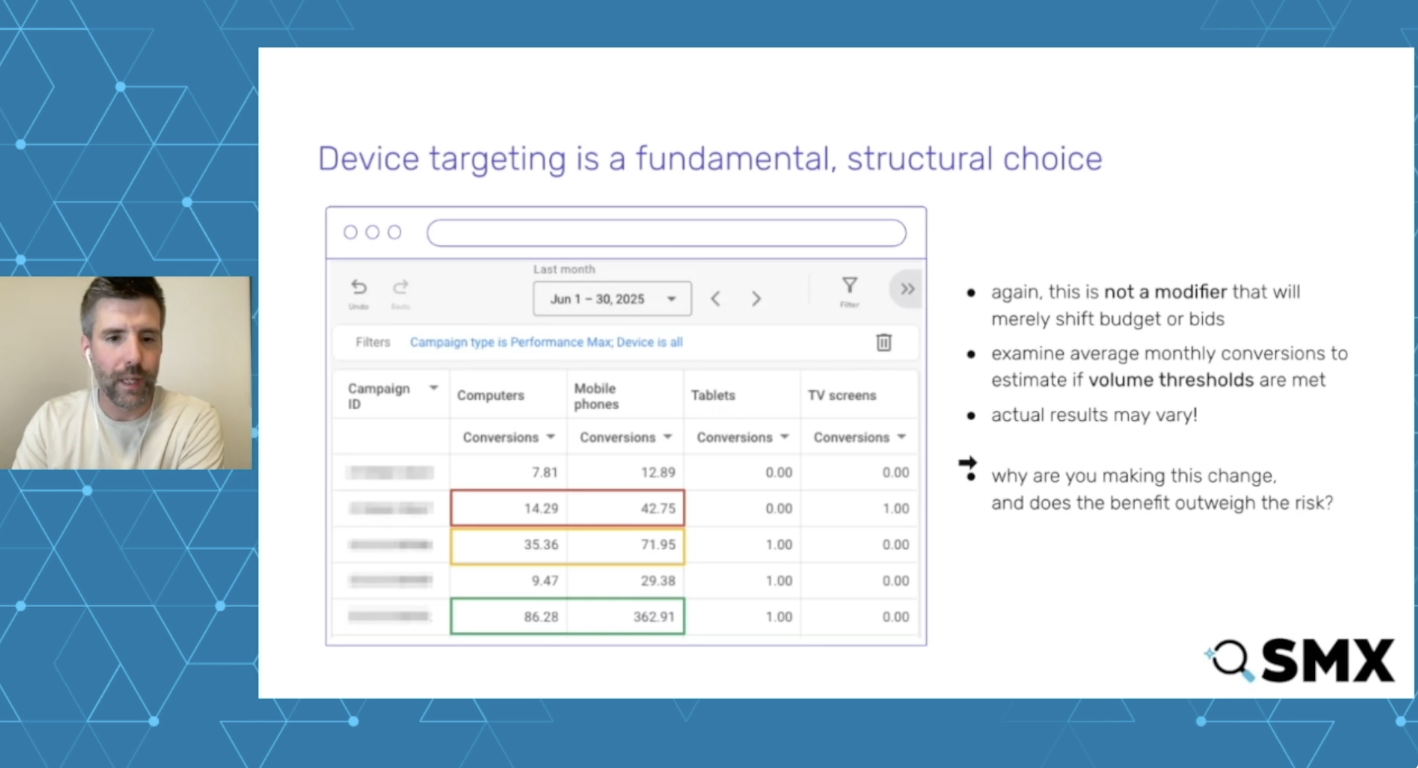
Analyzing device performance provides deeper insights into how specific products perform across different devices. This often reveals advantages or challenges when compared to competitors.
Device Targeting Considerations
Splitting campaigns by device can hurt data volume, impacting machine learning effectiveness. It’s crucial to weigh the benefits of splitting against the potential for data fragmentation.
Conclusion
Reflecting on Performance Max’s evolution, it’s evident that Google has made impressive strides in offering advertisers like myself more control and transparency. While it’s not without flaws, it’s a far more effective tool for ecommerce success now than ever before.
The key lies in understanding available data, using modern tools to streamline processes, and applying performance insights strategically to achieve the best results.
Inspired by this post on Search Engine Land.

Leave a Reply