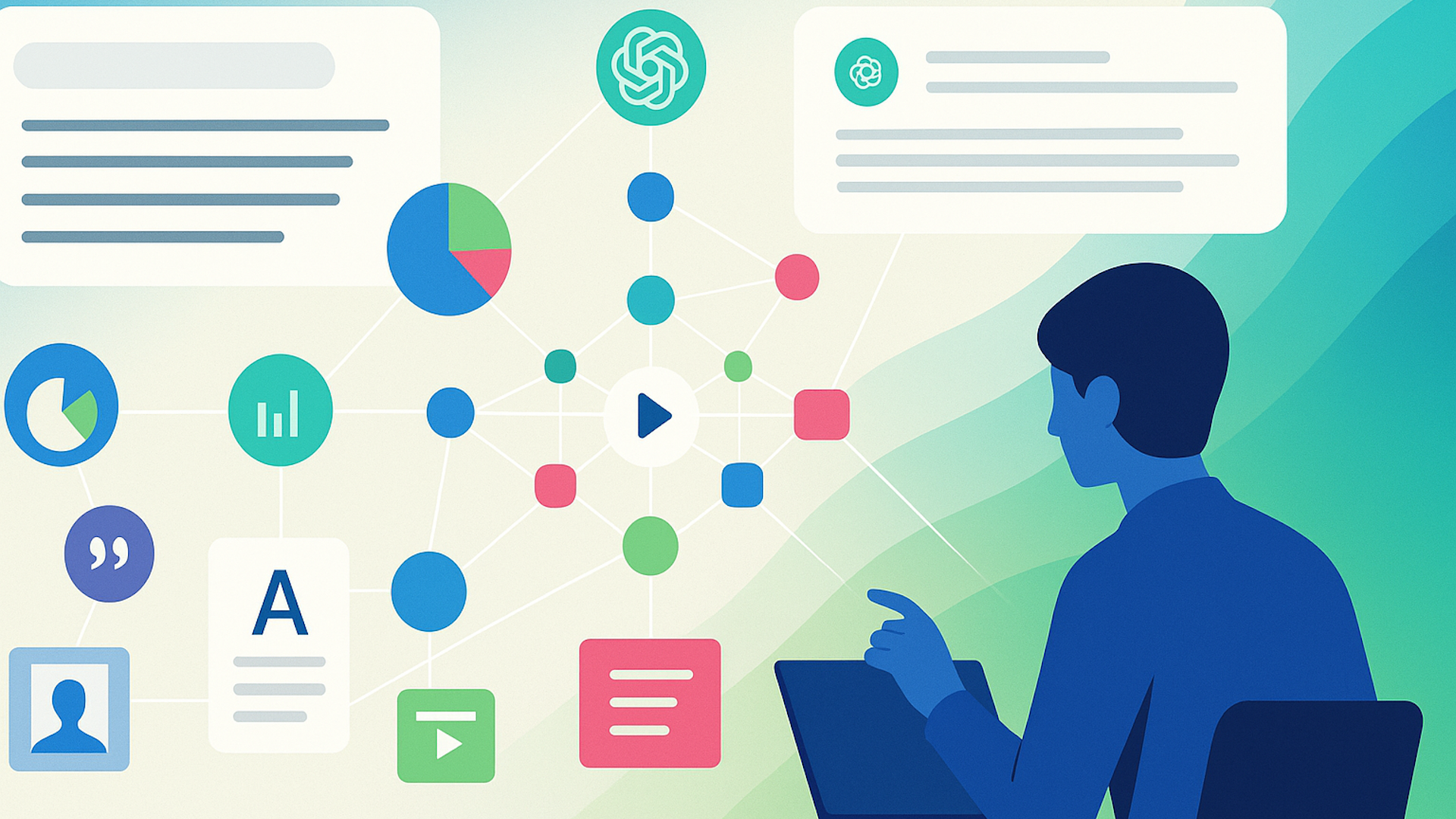
Every week, I sift through fresh data that showcases both the common ground and the differences in effective organic search techniques. These insights span traditional SEO methods on Google SERPs and newer practices like GEO for platforms such as ChatGPT and AI-driven overviews.
It can feel overwhelming. One moment, we read how traditional SEO methods suit ChatGPT; the next, discussions highlight how one platform favors Reddit while another favors a different approach.
As this landscape rapidly evolves, I’m eager to share the approach, process, and resources my team is utilizing to craft content for 2026.
Our strategy stretches beyond a mere content calendar. It involves merging insights about our audience with the dynamics of organic platforms, alongside our brand’s unique perspective, to create a content system that truly adds value.
The goal is to create high-quality content that stands out. E-E-A-T principles remain core to our strategy, applicable to both AI search discoverability and traditional SEO.
Understanding the audience is the foundation of strong content creation. I constantly ask myself: Who are they? What do they need? What type of content will guide them?
Content, like any product or service, requires identifying a need and addressing it, understanding the involved emotions, and demonstrating credentials through third-party brand mentions, a leading factor in AI search visibility.
For content to be effective in both Google and LLM search realms, it should be crafted as an authoritative source with structured data, prioritizing clarity, depth, and a consistent brand voice AI models will quote.
In a world teeming with AI content, what sets us apart are original insights and data. Therefore, our content systems incorporate a step for “original proof” like data, interviews, or unique commentary.
I’m also focusing on how our content fits into AI experiences, placing value on summaries, bullet points, and explainers that address complexity effectively.
Optimizing for retrieval and credibility rather than just ranking is critical. This approach ensures our content is impactfully represented by AI systems through schema, structured data, and a consistent brand voice.
The content strategy process I recommend starts with empathy, acknowledging the audience’s problem, and providing objective solutions, thus establishing trust. The goal is to transform this understanding into a modular engine, creating multiple media forms aligned to a central theme.
Adaptation is crucial, and my team utilizes a range of resources to achieve a detailed, audience-focused content strategy. This includes qualitative interviews and audience analysis from AI tools, helping shape informed structural decisions.
Social media platforms are instrumental for real-time audience insights and increasing brand mentions, signaling relevance to AI platforms.
Competitor analysis has shifted focus too, evaluating content depth and originality, and identifying opportunities to showcase the expertise our brand brings to the table.
Our KPIs must now reflect the evolution in search, weighing brand mentions alongside traditional metrics to capture content’s full impact on conversions and cross-channel engagement.
In the end, continually adapting to trends ensures we don’t rest on past successes. The real-time changes in user behavior driven by ChatGPT and similar platforms require us to stay vigilant and prepared.
Inspired by this post on Search Engine Land.

Leave a Reply