Almost two years ago, when the Digital Markets Act (DMA) came into effect, I was hopeful. But today, it’s clear that the user experience has worsened, business metrics have plummeted, and Google’s monopoly is as strong as ever.
As an SEO professional, I’ve joined countless others in agreeing that Google has long abused its dominant position in search to favor its own services over others. The DMA was supposed to be the solution—a regulation promising to level the playing fields in the digital world.
The European Union was hailed for finally taking steps against tech giants with the 2022 passage of the DMA, which came into force in March 2024, aiming to balance competition. Headlines were optimistic, signaling a fair and promising digital era.
Back in 2024, my perspective was captured in an article where I wrote about this legislation being a ‘much-needed piece.’ Fast forward two years, the DMA is doing more harm than good and this is not just speculation—it’s supported by concrete evidence.
The DMA was born from understandable frustration over Google’s well-documented abuses, where it would promote its own services like Google Shopping, often at the cost of others with better offerings.
Years of watching Google rank its own products first while burying competitors ignited the creation of this act, attempting to enforce fairness by having tech giants, the gatekeepers, treat all services equally.
For those like me, who have seen clients lose traffic to Google’s products despite providing superior content, the promise of algorithmic neutrality and fairness was nothing short of intoxicating.
But, as a comprehensive assessment reveals, the reality is different. Findings from a recent survey of 5,000 European consumers indicate that users find the online experience more cumbersome since the DMA was enacted.
It’s disconcerting when users, who previously received services for free, express willingness to pay to regain their prior experiences.
In professional circles, we have to acknowledge a truth: many users favored the integrated Google experience that we spent years criticizing. Now, users must jump through more hoops—and they aren’t pleased with this supposed ‘fair’ competition landscape.
The business implications have also been damaging. Metrics reveal declines in click-through rates and a drop in direct bookings, highlighting a disconnect between DMA’s objectives and real-world outcomes.
The issue of enforcement is daunting. Without addressing the core monopoly, any attempts to fine or regulate Google amounts to levying cost of doing business fees for them, rather than ushering in real change.
Long term, it raises a pivotal question for regulators: is it time to consider breaking monopolies to genuinely foster competition? Or continue to enforce rules that fail to address the underlying problem?
We need to create conditions that truly allow emerging companies to compete, not just manage monopoly symptoms with ineffective regulations. The DMA had the right intent, but it’s the wrong solution to this complex problem.
With Google referrals declining and LLM usage on the rise, I’ve discovered that successful discoverability now hinges on metrics, structure, and authority—not just rankings.
If your organic traffic is decreasing while impressions rise, AI might be citing your content without generating clicks. If both metrics are down, it’s likely your content is being overlooked. Either way, the conventional search behavior that shaped your marketing strategy has transformed, and merely waiting for traffic to rebound is not a viable strategy.
The year 2026 presents a new reality. According to KEO Marketing, 73% of B2B websites faced significant traffic declines between 2024 and 2025, averaging a 34% year-over-year drop.
These drops aren’t uniform. Websites with predominantly informational content have been more adversely affected, experiencing declines between 15% and 64% since AI Overviews emerged.
News publishers, in particular, have been vulnerable, with Google referrals decreasing globally by 33% in the year leading up to November 2025.
These aren’t typical fluctuations; they signify a fundamental shift in how information is discovered online, posing a threat to business models reliant on site traffic.
Organic clicks are diminishing due to two intersecting reasons, each necessitating a different approach:
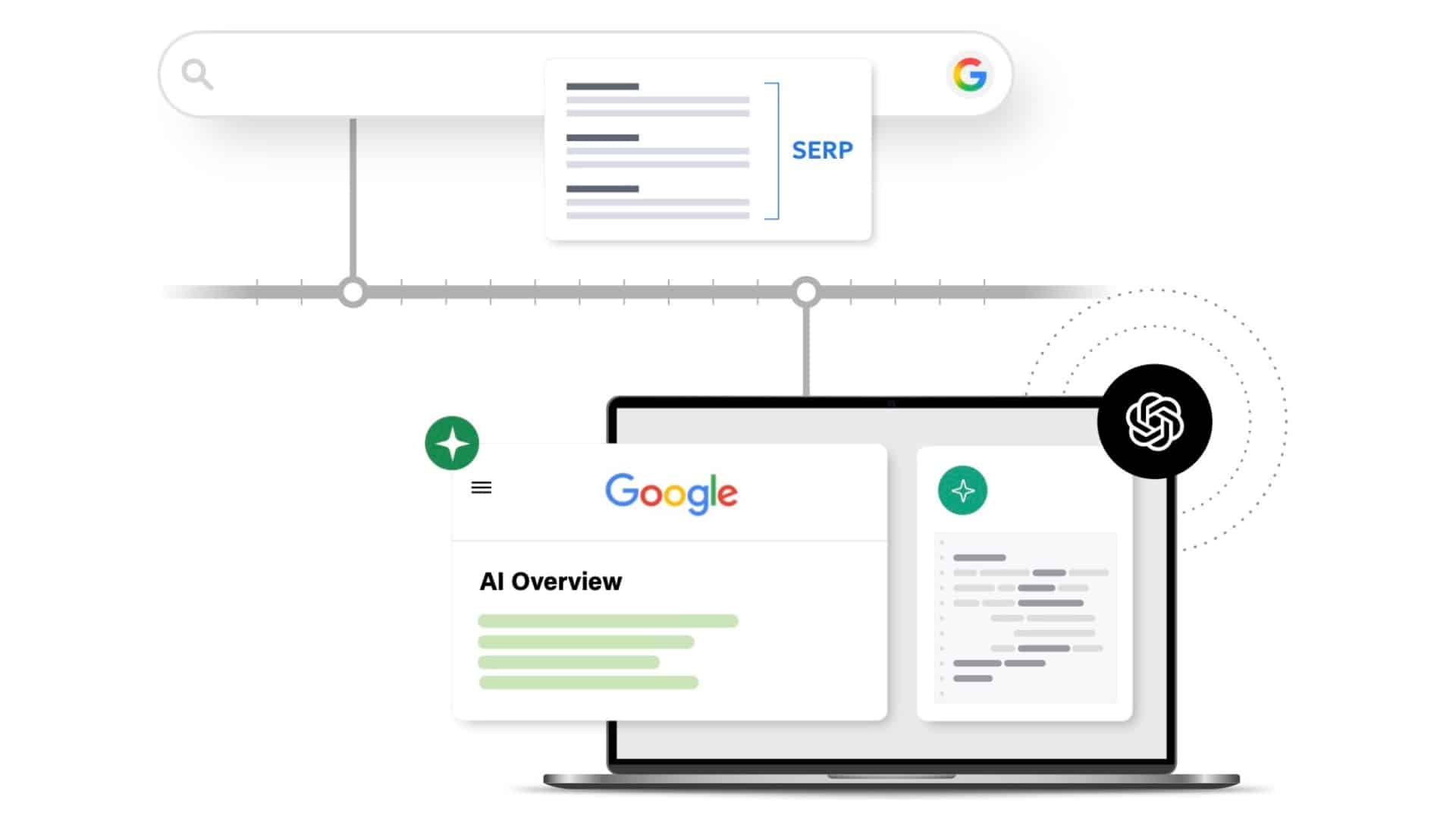
Google has fostered zero-click behavior through features like featured snippets and knowledge panels. These provide answers directly on the search results page, often eliminating the need to click on search results. While 25% of searches concluded without clicks ten years ago, today it’s over 65%. This trend has rapidly accelerated with AI Overviews, now found in about 16% of desktop searches and 41% of mobile searches.
On top of that, a growing number of users are bypassing traditional searches entirely. Nearly 52% of U.S. adults now frequently use AI tools, and approximately 28% of employed Americans incorporate AI at work. When they seek answers from ChatGPT or other LLMs, they often get responses without visiting any websites. While your content might contribute to that answer, it doesn’t translate to traffic or attribution.
Traditional metrics such as impressions, clicks, and page views no longer accurately reflect discoverability. They measure site behavior without informing how your brand performs in AI-mediated interactions, impacting upstream traffic.
Here are the five key metrics for AI visibility:
Citations in AI responses indicate how often your content is directly referenced when an LLM responds to a query. A citation suggests your content is valuable, well-structured for AI parsing, and authoritative.
Brand mentions differ from citations. LLMs may mention your brand without citing your content, often pulling data from review sites, forums, and third-party articles. A mention absent a citation implies your brand is recognized but not sourced from your content, guiding where to focus investments.
Share of voice measures your frequency of citations and mentions relative to competitors within specific categories.
Brand sentiment evaluates whether AI-generated responses portray your brand positively, neutrally, or negatively.
AI-influenced traffic gauges the proportion of traffic generated from LLM referrals. Initial data indicates this traffic has a conversion rate 3-5 times higher than other sources, making it valuable to track even if minor in volume.
Modern tools can track these metrics at scale, eliminating the necessity for manual LLM prompts. However, even conducting basic benchmarks by querying major LLMs with your target questions and tracking mentions is advantageous over not measuring at all.
Achieving visibility in AI-driven search doesn’t involve rewriting your content strategy but instead requires shedding ineffective practices and pivoting towards lasting principles.
Experience, Expertise, Authoritativeness, and Trustworthiness (E-E-A-T) continue to form the foundation of content credibility. LLMs give precedence to sources that demonstrate real expertise and are trusted by authoritative figures.
By earning citations from reputable sites, producing content authored by subject matter experts, and delving into topics thoroughly, you can outshine content that fails to meet these criteria, regardless of optimization efforts for other factors.
Structure and clarity are essential because LLMs extract content by pinpointing passages that effectively answer questions. Structuring content around clear questions and answers, utilizing bullet point summaries, and avoiding dense paragraphs enhance retrievability over embedding answers in narrative prose.
Your information architecture should be comprehensible to both human readers and LLM systems. Introducing a Q&A section or reorganizing posts around clear question-and-answer pairs provides significant improvements.
Human-written, human-led content has a distinct advantage. After Google’s recent core update, AI-generated content saw an 87% drop in rankings and citation frequency, with keyword-optimized content seeing a 63% fall. LLMs are becoming adept at detecting AI-created content and rank it lower.
The 2025 demand for AI-produced content has highlighted a quality issue now evident in performance data. Prioritizing quality over quantity is essential. Use AI for drafting and editing, but not for generating final content. Implement a review process to catch generic phrasing or a synthetic tone, either through AI-detection tools or human editors.
Recency is crucial for AI citations. AI systems consider both the publication and update dates when selecting sources. A high-quality piece from 2022 can be dismissed for a newer version from 2025.
Audit your high-traffic pages and key assets for outdated data, refreshing them with recent examples and data. It’s a quick yet often overlooked strategy.
Promotional language will not get cited. If your writing appears too commercial—emphasizing product claims and brand-forward language—answer engines may deprioritize it over more neutral sources.
This doesn’t mean you should avoid mentioning your product; rather, write about it like an impartial party by acknowledging trade-offs, providing context, and letting facts speak for themselves. Listicles and comparison articles excel here.
LLMs respond best to organized, objective comparisons—even when one option is clearly preferred.
If my presence is limited to my own blog, I’m at a disadvantage against a brand with less expressive assets but more robust third-party coverage.
That is why cultivating an external content ecosystem is critical. Reviews on sites like G2, Capterra, and Google are frequently used in AI curation. User-generated content on forums like Reddit is heavily indexed. Third-party articles, tutorial videos, and newsletter mentions build the multi-source consensus essential for AI citations.
Content partnerships also deserve focused effort. Sponsoring articles or placing newsletters in relevant publications not only drives referral traffic but also earns trusted, external citations that elevate AI visibility. With a growing readership, newsletters — offering curated, human-authored content — are vital, with YouTube citations becoming increasingly influential. ChatGPT favors authoritative video creators for citations.
The goal isn’t to merely generate mentions but to consistently express your brand’s narrative through credible external sources so LLMs consistently recognize that narrative. Consistency across partners, review platforms, and third-party content strengthens your AI share of voice.
With organic traffic plummeting by 30% or more, the visitors arriving at your site are more deliberate and valuable than before, making conversion optimization on landing pages crucial.
Focus on simplicity: one offer, one message, minimal text.
Each landing page should focus on a single call to action and a singular argument. If there are multiple conversion goals, develop separate landing pages rather than a single page attempting everything.
Ensure the header conveys the full value proposition succinctly, with supporting points kept brief. Visitors should instantly grasp the offer and know how to act without needing to scroll.
This approach contrasts with blog and thought leadership content, which should be detailed, well-sourced, and designed for LLM retrieval. Each serves different objectives and requires varied standards. Conversion-centric landing pages are not the place for nuance or elaborate prose.
The decline in traffic isn’t a temporary issue that will resolve itself. Users increasingly get answers directly from AI, bypassing websites, and this trend will only intensify. A strategy focused solely on ranking for clicks is now insufficient.
The new strategy involves a dual focus: optimizing for citations by AI answer engines and cultivating an external brand presence that offers LLMs compelling reasons to consistently mention you. These objectives align with longstanding best practices: crafting clear, authoritative content grounded in expertise.
AI-driven discovery favors brands excelling in the fundamentals: building real credibility, securing trusted external mentions, and writing for audiences rather than algorithms.
This approach was always the best, and now AI search makes it essential.
Have you ever faced the daunting question from leadership: “Why isn’t our marketing achieving more?” As a marketer, I find this question challenging but vital.
To answer this, let’s dive into a scenario with a fictional location analytics company we call Acme Area Analytics.
At Acme, our reports suggested that everything was functioning correctly. Campaigns were running, leads were coming in, and performance metrics seemed stable. Yet, our sales weren’t gaining momentum, and pinpointing the reason was difficult.
Insights were scattered across different platforms like site analytics, brand monitoring, SEO tools, CRM systems, and paid media dashboards. Each told part of the story, but none revealed the entire narrative.
This disconnection illustrates how well-meaning “data-driven decisions” can mislead. Let’s explore how we at Acme, and you, can resolve this issue.
When Data Leads You Astray
With global, multi-channel campaigns like Acme’s, the toughest times come when everything seems right, yet sales stall without any clear indication of what to change next.
Subtle signs of trouble surfaced—non-brand CPCs increased, and a competitor named Spotter Intelligence became more visible in branded searches.
As part of Acme’s marketing team, we revisited our reports with the burning question: Which tactic is faltering?
Delving into the data, we concluded: our remarketing for the API seemed weaker, conversion rates slightly dropped, and efficiency slipped. It appeared logical to reduce spending to match demand due to audience fatigue.
Yet, limiting spend without the right questioning could lead us astray. Was demand truly decreasing, or were we falling short in generating new upstream interest?
The reality became evident once we evaluated data across systems. Our industry still possessed growth potential, but our product wasn’t engaging new, interested audiences despite the potential interest indicated by site analytics and Search Console data.
We shifted our approach towards engaging awareness, emphasizing trust-building and relevance through additional campaign layers. Initial results didn’t surface immediately, but our confidence persisted due to monitoring early signs of progress.
This holistic approach taught us the importance of strategic patience and broader insight from integrated data to identify true momentum beyond dashboard narratives.
In my journey, discovering significant marketing insights hinges on understanding how various data points connect.
Removing data silos is less about proving causality and more about acting on emerging opportunities and realizing which metrics quietly indicate building demand.
The victorious teams excel in sensing and capitalizing on emerging momentum, shaping their strategy before visible metrics catch up and validate their approach.
If I hear “always be testing” one more time, I might just scream. It was excellent advice back in 2016, but in 2026, it’s more like watching your budget go up in flames.
Back then, with flexible budgets and forgiving platforms, chaotic testing methods were all the rage. Launching multiple audience tests at once or swapping several creative variables was the norm. Why not, right?
But times have changed. We’re dealing with tighter budgets, longer learning phases, and fragmented signals. Now, a poorly structured test can distort results for weeks, compounding your performance issues rapidly.
Modern experimentation has become both costly and risky. Instead of sticking with outdated practices, why not leverage agentic AI? I’m not talking about using AI as a quick fix to churn out more ad variants—that’s just burning budgets faster.
Instead, it’s time to employ agentic AI to craft smarter experimentation systems.
The Real Cost of Unstructured Testing
In the “always be testing” era, launching random tests was as common as Oprah giving away cars or Taylor Swift packing stadiums. We’d throw ideas around at the start of the week, hoping for a pleasant surprise by Friday.
These days, the costs are astronomical. Algorithms thrive on stability. Research shows that ad sets stuck in learning phases have CPAs 20-40% higher than stable ones.
Every significant change in creative, audience, or budget risks resetting this learning. Run overlapping tests that each cause resets? You’re essentially imposing a volatility tax on all your media spend.
Then there’s the issue of waste. Most A/B tests yield no significant lift. If you’re not discerning about what tests to run, you’re wasting resources to confirm that most ideas are inconsequential. Without proper guardrails, “always be testing” spirals into “always be destabilizing.”
From Random Tests to a Real Experimentation Engine
We’re shifting focus now. It’s no longer about “AI, write me 10 new headlines.” It’s about “AI, craft the most efficient next experiment within our budget, considering our risk tolerance and current learning status.”
This transition from just generating creatives to configuring a comprehensive experimentation framework is where the real advantage lies.
Here’s a seven-step guide to evolve testing from a mere habit to a strategic powerhouse.
Step 1: Set Hard Guardrails (Humans Draw the Lines)
Before integrating AI into your testing strategy, establish constraints. Without these, AI has no context. With them, it becomes a disciplined strategic ally.
Define and document five key constraints.
Budget allocation: Dedicate a fixed percentage, like 10%, exclusively for testing.
Maximum volatility: “Ensure no test increases CPA by more than 15% over five days.”
Learning phase sensitivity: Tailor reset criteria for each platform.
Leading indicators: Use early signals (CTR, engagement drops) to terminate underperforming tests before they impact significantly.
Brand risk: Define untested areas (like avoiding discount-heavy strategies in upscale markets).
Maintain these in a single document (e.g., experimentation-guardrails.md) to guide AI in ensuring test viability. Your AI agent must refer to this before suggesting any tests.
Step 2: Let AI Audit Your Experiment History
Most teams have amassed data over time but don’t utilize it effectively. Feed your last six months of test results into an AI system to analyze changes, duration, performance shifts, statistical relevance, and platform resets.
Have it spot patterns like:
Over-tested variables: Testing CTA buttons multiple times with negligible results? That’s not a useful variable.
False failures: Tests often fail due to lack of statistical significance. AI can verify statistical power and highlight inconclusive outcomes.
Volatility patterns: Your highest CPA weeks might not be market shifts or poor ads but the result of multiple simultaneous tests.
This is the essence of AI as your analytical partner.
Step 3: Write Real Hypotheses
Instead of jumping straight from concept to launch, let AI enforce hypothesis discipline.
Weak: “Let’s test a new headline.”
Strong: “Emphasizing ‘faster time-to-value’ over ‘ease of use’ could boost demo requests by 10-15% among mid-market companies, as analysis shows speed is crucial for them.”
Documenting hypotheses builds institutional knowledge. Later, when someone suggests retesting “speed messaging,” you’ll know past results and reasoning.
Step 4: Risk-Score Every Proposed Test
Budget and algorithm stability are limited. Your AI agent should evaluate proposed tests on five criteria, assigning a risk score.
Budget impact (e.g., less than 5% vs over 15%).
Algorithm disruption level (minor update vs new campaign).
Audience overlap.
Brand sensitivity.
Learning value.
High risk with low learning potential? Drop it. Low risk with high potential? Proceed.
Example: Testing a new positioning statement is risky in a paid campaign. Your AI might suggest verifying it with organic LinkedIn posts first. Low risk. High insight.
Step 5: Pre-test With Synthetic Audiences
This under-utilized AI application can simulate how varied personas might respond to messaging, saving real-world testing costs.
Research by Stanford and Google DeepMind has shown digital agents match human survey responses with 85% accuracy and mimic social behavior with 98% accuracy.
While not a replacement for actual data, synthetic audiences serve as a cost-effective early test.
Define demographic archetypes such as the Skeptical CMO, Growth-focused VP, and margin-driven CFO, and test their responses to messaging.
For example, you may find that phrases like “All-in-One” are seen negatively, prompting a shift to terms like ‘Integrated’.
Step 6: Sequence Tests, Don’t Stack Them
Tweaking audience, creative, and landing pages simultaneously teaches you nothing. Your AI should monitor campaigns to avoid conflicts and recommend proper test sequencing.
A sensible approach is to:
Weeks 1-2: Audience testing.
Weeks 3-4: Creative tests with the proven audience.
When unavoidable, establish clear control groups to maintain data integrity.
Step 7: Build A Living Knowledge Base
Treating tests as one-off experiments overlooks their value. Have AI summarize each test by assessing:
Success reasons.
The audience impacted.
Lift durability.
Variable interaction.
Over time, this database can provide unmatched advantages. Anyone can access the same audience targeting, but few have a database of 100+ customer insights.
The Bigger Shift: From Activity to Architecture
“Always be testing” may have worked in a growth-centric era, but in 2026, success comes from “always be compounding intelligence.”
Instead of maximizing tests, build a competitive edge through structured, risk-aware experiments that maintain algorithm stability and tie directly to revenue.
When asked why you’re not testing more, show your testing architecture and confidently say, “We’re building an intelligence engine, not just running experiments.”
For two decades, I’ve witnessed the web operate on a simple transaction: create content to fulfill needs, secure a high search ranking, attract traffic, and then monetize through various channels like products, services, or ads.
However, zero-click answers and AI search are redefining this dynamic. The key question now is whether AI acknowledges you as a source and if that recognition translates into revenue.
In my quest to understand this shift, I conducted over 200 AI visibility audits spanning ten industries.
What I discovered was a pattern: most websites are easily scanned but rarely referenced. Surprisingly, those industries that depend most on organic traffic inadvertently make themselves the hardest to access.
How I Conducted the Audit
I executed 201 audits using a consistent rubric, generating an overall AI visibility score plus four detailed subscores:
Freshness.
Structure.
Authority and evidence.
Extractability.
Spanning ten industries:
Coupons.
Affiliate reviews.
Travel booking.
Local directories.
Personal finance comparison.
Health information.
Legal directories.
Online courses.
Job boards.
Recipes.
The dataset leaned heavily toward homepages, which are often more marketing-driven and less substantiated by concrete evidence.
I also monitored access issues, finding that 38 of the 201 audits (18.9%) returned errors, indicating AI systems were obstructed or couldn’t reliably retrieve content.
Eight more audits scored zero due to missing subscores, pointing to poor content extraction or problematic rendering styles that hinder accessibility.
When analyzing score distributions, I focused on successful audits (163 sites) to differentiate between “unreachable” and “low quality.” Each industry’s error rate acted as a signal of whether AI systems could consistently use a site as a source.
Where Industries Stand in AI Visibility
The table below displays industry performance based on the audits conducted:
Rank
Industry
Error rate
Median overall
Median authority
Median extractability
At risk
1
Travel booking and trip planning
33.3%
45.5
31.0
52.0
High
2
Job boards and career marketplaces
40.0%
64.0
44.0
74.0
High
3
Legal directories and lead gen
35.0%
63.0
44.0
74.0
High
4
Coupons and deals
20.0%
62.0
36.0
74.0
High
5
Local directories and lead gen
5.3%
64.0
38.0
74.0
Medium
6
Online courses and learning marketplaces
30.0%
67.5
46.5
80.0
Medium
7
Health info and symptom lookups
15.0%
69.0
52.0
80.0
Low
8
Personal finance comparison
5.0%
67.0
52.0
78.0
Low
9
Affiliate product reviews
0.0%
69.5
54.0
74.0
Low
10
Recipes and cooking content
5.0%
75.0
55.5
81.5
Low
What the Audits Actually Revealed
The findings illuminated that very few websites were consistently citation-friendly. Here are the critical insights:
Access Issues Are Bigger Than Most Teams Realize
A significant 18.9% of websites experienced access errors. In certain sectors, the issue intensified markedly: job boards (40%), legal directories (35%), travel booking (33%), and course marketplaces (30%).
Therefore, a substantial section of these markets is essentially inaccessible to AI by default.
Most Sites Are Caught in the Middle
Looking at the 163 successful audits:
Average overall score: 61.6
Median overall score: 66
70.6% fell into “Inconsistent visibility” (60 to 79)
Only 4.9% achieved “Strong foundation” (80 to 94)
0% reached “Exceptional” (95 plus)
Conclusion: Most brands aren’t constructed for predictable use and citation.
The Gap Lies in Proof, Not Formatting
Median sub-scores across the audits revealed:
Structure: 92
Extractability: 74
Authority and evidence: 48
Freshness: 45
While pages are easily parsed, fewer justify citation. Key issues included:
114 instances lacked a “last modified header,” demonstrating missing freshness.
Citations or outbound links were rare, appearing only 13 times.
Rather than fearing traffic loss, the larger risk is exclusion from AI’s consideration set.
Industries disappear for specific reasons, fitting three failure modes:
1. Access Failure: AI Can’t Reliably Reach Your Content
If AI agents can’t consistently access your material, they may bypass you, compensating with data from alternative sources.
What access failure entails:
Strict bot protections or WAF rules treating agents as hostile entities.
App-like rendering prevents critical information from loading with initial HTML.
Barriers like popups or scripts impede content access.
How this causes vanishing:
AI’s inability to extract makes citation impossible.
Other sources or AI-native solutions satisfy the user’s query instead.
2. Trust Failure: AI Can Read You, But Can’t Justify Citing You
Trust failure is subtle: your page is understandable, yet lacks authoritative proof for AI to source it.
This was a common trend. In simple terms, the content reads well, but lacks defensibility.
A telling observation compares page types:
Articles’ median authority score: 76
Homepages’ median authority score: 45
A crisp homepage isn’t proof of authority. Citable proof resides in articles, policy pages, and similar in-depth resources.
3. Utility Failure: Even If You’re Visible, the Click May Not Happen
Utility failure is frustrating. You’re visible, potentially cited, but if your value is purely informative, AI creates an answer and the user never visits.
Visibility dictates your role in discussions, but utility affects revenue realization.
An applicable perception:
If your page answers the question, AI can replace it.
Where your product or service completes a user’s need, AI still requires you.
Access issues leave you ignored, trust issues mean you’re bypassed, and utility failures get your content summarized.
Why Certain Industries Are Vulnerable
Examining access, trust, and utility together reveals why some industries appear particularly exposed.
Categories repeatedly showing high risk in my findings shared three characteristics:
Inconsistent access due to blocking and extraction issues.
Content easily condensed into a single-answer format.
Limited business progression after the user obtains an answer.
This is why travel booking, job boards, legal directories, and coupons emerged as the most exposed in my analysis.
The larger implication is that while your business might thrive, your website might inadvertently be structured for exclusion.
This transformation impacts some industries more than others. Websites sustained by high-volume searches face heightened zero-click risks. However, even in these realms, a singular focus on information is perilous.
The misstep lies in equating AI search changes with ranking shifts; it’s truly an economic shift. From the audits, I realized:
Many industries render themselves inaccessible, ensuring models circumvent them.
Even when models interpret a page, lacking proof often prevents mentioning it.
The danger is becoming invisible. Triumph doesn’t come from concealment; it comes from proving your worth and offering something indispensable post-answer.
Trust combined with utility forms the new moat. Anything else remains outdated strategy.
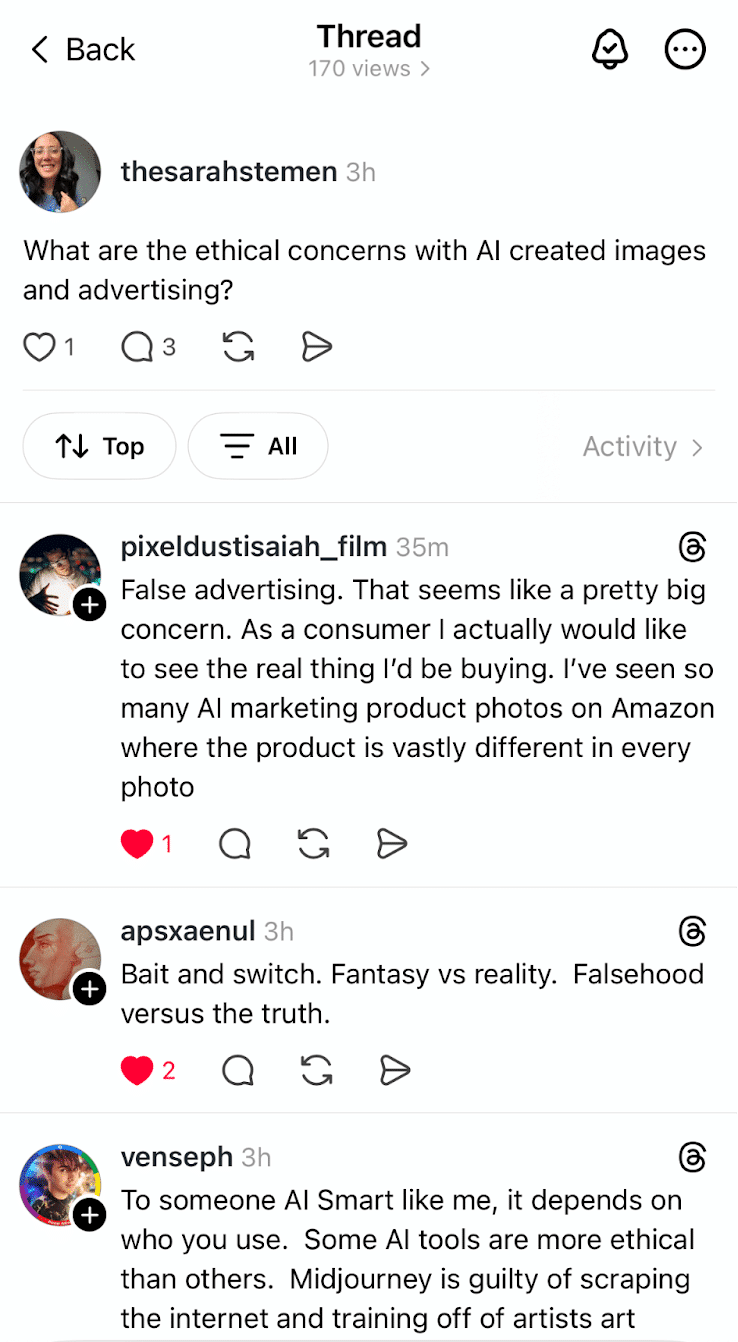
As someone deeply involved in PPC advertising, I often wonder about the authenticity of our ads in this era dominated by AI creativity. With AI now capable of generating endless ad variations, the ethical landscape has dramatically shifted.
PPC platforms today are hungry for assets. What used to be basic text ads and keyword bids has transformed into an AI-powered ecosystem. Tools in Google Ads can now remove backgrounds, create lifestyle scenes, and even generate synthetic humans within minutes. However, just because technology permits these capabilities doesn’t mean every brand should fully adopt them.
These advancements force us, as PPC advertisers, to confront some tough questions:
Do we compromise authenticity for the sake of efficiency?
What should be the extent of AI’s role in our brand’s operations?
Would our clients maintain trust in us if they were aware of how we use AI in our processes?
To navigate these decisions, a brand integrity hierarchy can be valuable. This four-level framework helps gauge how much AI manipulation your brand, industry, and audience can accept.
Why PPC Demands Its Own AI Ethics Framework
Current AI ethics guidelines don’t take into account the unique dynamics of paid search. PPC isn’t merely a brand storytelling channel; it’s a high-volume, fast-paced system requiring constant image production across various audiences, formats, and placements.
I face the challenge of creating fresh lifestyle images at a pace that traditional creative workflows simply can’t match. Simultaneously, platforms like Google and Bing enforce strict policies around accurate product representation, especially within Merchant Center, where even minor visual inaccuracies can lead to disapprovals or account risks.
The pressure from platforms is immense. Google Ads, for instance, has introduced tools like Nano Banana Pro, making Asset Studio an AI co-creation environment. While these tools are promoted as ways to enhance performance, they also push us toward using AI-generated backgrounds and lifestyle images.
Most brands can’t afford the necessary photoshoots to keep up with such demand, yet the constant need for images across channels is unavoidable if you want to remain competitive. This mix of policy risk, creative pressure, and platform-pushed tools is distinct to PPC, underscoring why the industry needs its own AI ethics framework.
From Video Partners to Search, fraud exposure is anything but uniform. Discover where invalid clicks tend to spike and how you can transition your efforts toward traffic with higher intent.
I’ve always considered Google Ads as the it-place for ad spending when stacked against social platforms. Yet, the sheer scale doesn’t make it bulletproof. Click fraud is a stubborn adversary, threatening the efficiency of our budgets based on ad placement.
Google Ads provide a vast reach, but not all campaigns face equal risks. Some are more vulnerable to malicious activities. To safeguard our margins, grasping what constitutes click fraud, its origins, and shielding our campaigns is essential.
What are invalid clicks?
Invalid clicks are false interactions lacking genuine consumer intent. They’re not driven by real human interest; thus, they skew performance data and drain budgets without potential for conversion. They mainly arise from these sources:
Botnets: Hijacked devices under a “botmaster” generate immense automated traffic mirroring human behavior to inflate metrics or initiate DDoS attacks.
Click farms: Low-paid workers or scripts manually clicking ads create a façade of engagement, misleading brands on campaign effectiveness.
Ad injection and malware: Malicious software injects unauthorized ads or forcibly redirects users, hijacking legitimate revenue and eroding trust.
Pixel stuffing and ad stacking: Ads served but unseen. Pixel stuffing compresses ads into invisible pixels; stacking layers ads in one slot, resulting in paid impressions without exposure.
Fraud Blocker recently determined the average invalid click rate across Google Ads at 11.4%, and it keeps growing.
To illustrate, in 2010, the rate was 5.9%, jumping to 12.3% by 2024. This doubling points to AI-powered bots and malware that skillfully bypass basic security.
Invalid click rates fluctuate depending on campaign setup, driven by:
Industry competition: High CPC fields like legal and insurance are prime targets for adversaries exhausting budgets through clicks.
Targeting parameters: Broader keywords or regions high in bot activity can flood “junk” traffic.
Refinement tools: Negative keywords and audience exclusions form a barrier against unwanted clicks.
Campaign hierarchy: Which are the biggest violators?
Risk levels vary significantly across Google Ads inventory. Here’s how different campaign types rank in exposure:
The biggest risk: Google Video Partners
Invalid traffic in Video Partners is notably high, extending beyond YouTube to third-party sites.
Many sites provide little control, resulting in views from bots or insignificant placements.
Display campaigns: Highly vulnerable
Display ads often face low-quality or AI-created sites.
Sometimes, over half the clicks on a site prove invalid.
Major publishers are more secure, but there’s variability in network risk.
Shopping and Demand Gen: The automation tax
Automation leads to clicks from price-tools and bots.
These clicks, although not always malicious, distort optimization data.
Performance Max: Hidden exposure
Spreads risk across Google’s ecosystem.
Identifying traffic sources is challenging, leading to unnoticed invalid clicks.
Search: The safest bet
Search campaigns are most secure.
Simulating genuine search behavior is difficult for bots.
Yet, even in safe realms, a 2% fraud rate can hurt financially, especially in high CPC arenas.
How to mitigate the risks
In helping clients across various industries, identifying fraud onset patterns tailored to sectors remains vital. Our approach is proactive. Shifting from broad settings to a focused, high-intent strategy is key.
Here’s a table highlighting patterns we monitor to curtail invalid click rates:
Factor
Higher risk (Aggressive)
Lower risk (Strict)
Location
Global or “Presence or Interest”
“Presence Only” (User is physically there)
Keywords
Broad match / Generic terms
Exact match / Long-tail phrases
Networks
Including “Search Partners” and “Display”
Google Search Network only
Exclusions
No negative keywords or placement lists
Robust negative lists and app exclusions
Scheduling
24/7 (Bots often spike at night)
Custom schedules aligned with business hours
To cut down fraud exposure effectively, here’s what we can do:
Audit placement data: Regularly review ad placements to exclude sites or apps with high click rate but low conversion.
Limit AI Max reliance: While automation offers power, a “set and forget” approach invites wasted spend. Maintain manual oversight.
Review refunds: Google may refund for detected fraud, but subtle cases can slip through. Compare internally logged data with Google’s to find inconsistencies.
Google is far from a monolith. Its vast ecosystem houses diverse environments where fraud risk varies immensely.
Focusing on quality traffic threats improves data integrity, optimization precision, and acquisition costs. In today’s market, the strategic campaign structure is vital to success.
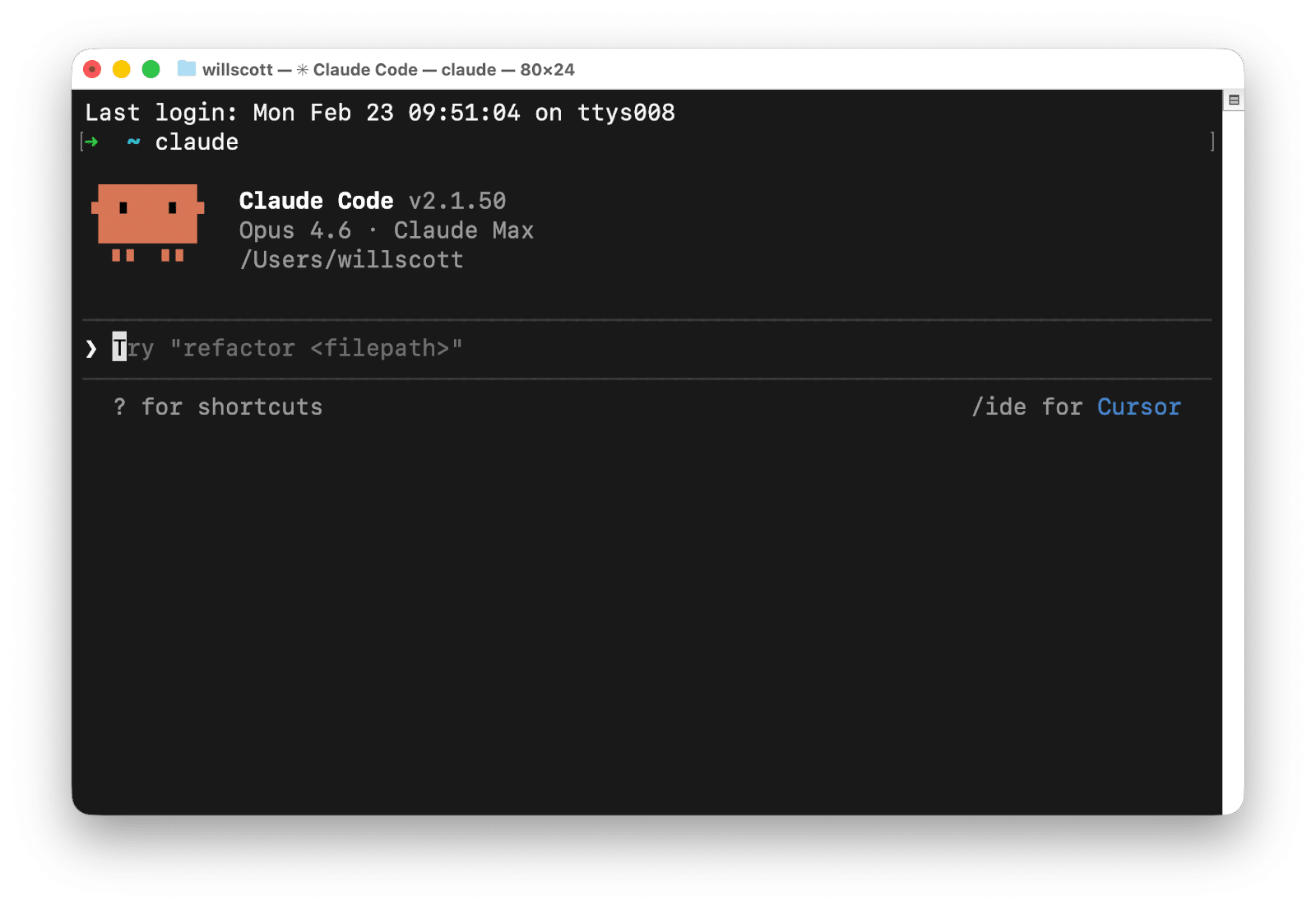
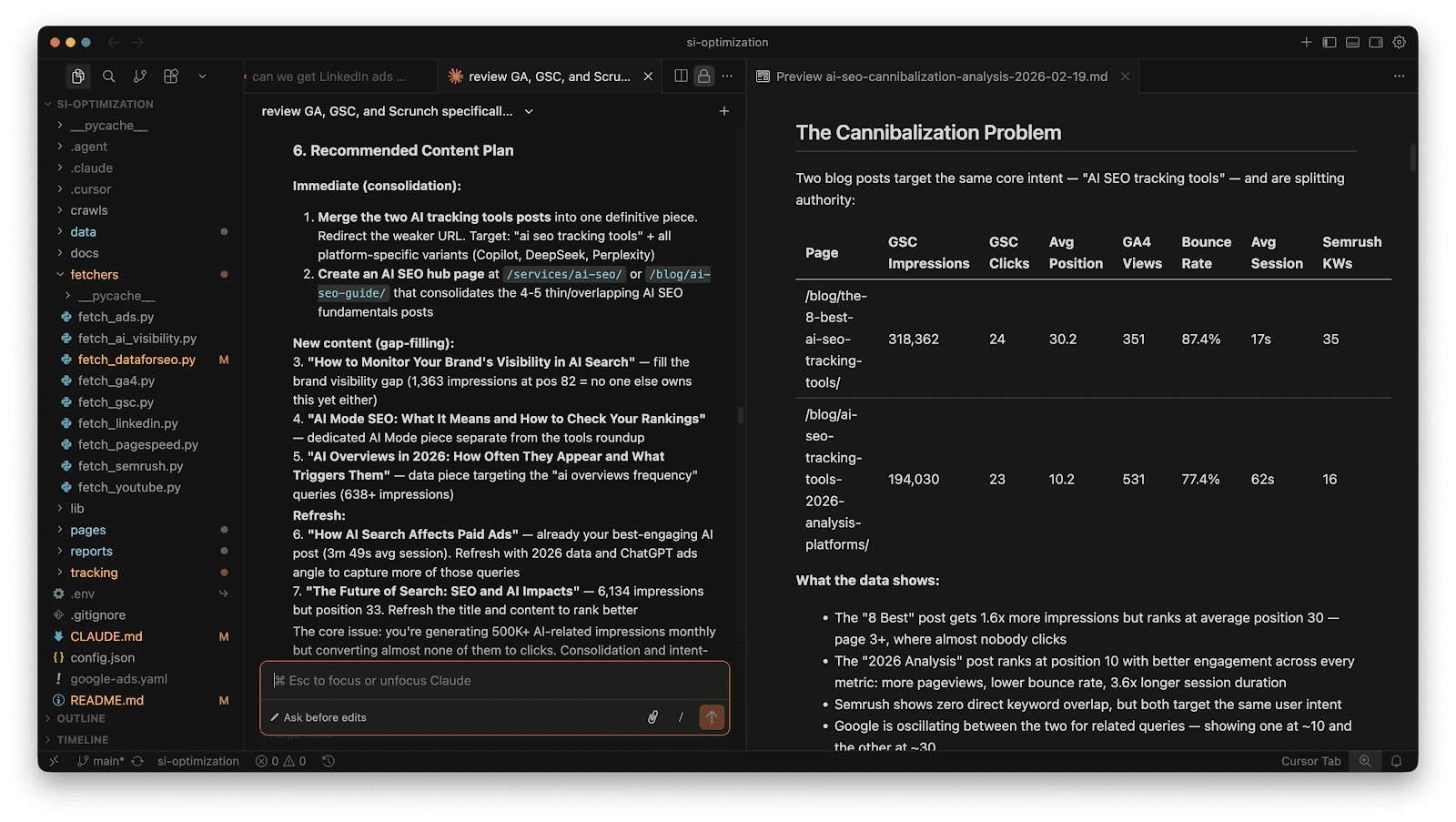
Recently, I’ve found myself immersed in Claude Code, especially within Cursor. I’m not a coder by trade; I run a digital marketing agency. But using Claude Code through Cursor has dramatically sped up how I handle critical tasks such as data extraction and analysis from Google Search Console, GA4, and Google Ads.
Setting up this system takes about an hour, but once it’s done, asking questions like “Which keywords am I overpaying for that I already rank for organically?” becomes a breeze. It provides answers in seconds, eliminating the need for tedious hours spent on spreadsheets.
Let me share the step-by-step process I developed for our agency clients. If any of this seems too intricate, simply paste this article’s URL into Claude, and ask it to guide you through the steps.
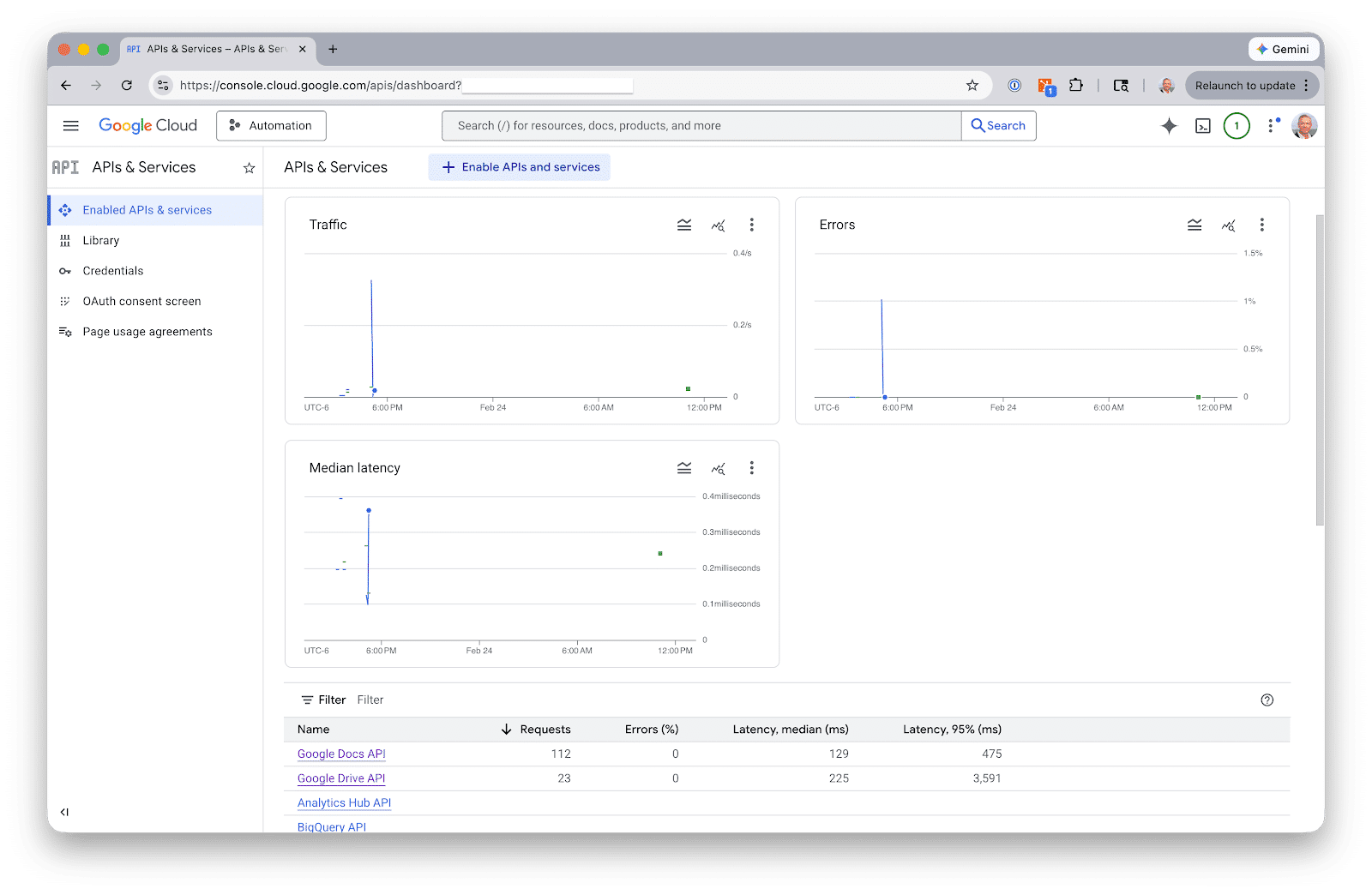
Ultimately, you’ll build a project directory where Claude Code can access Python scripts that pull live data from your Google APIs. The data is fetched, stored in JSON files, and you’re free to interact with it without the need for dashboards or complex templates.
seo-project/
├── config.json               # Client details + API property IDs
├── fetchers/
│   ├── fetch_gsc.py         # Google Search Console
│   ├── fetch_ga4.py         # Google Analytics 4
│   ├── fetch_ads.py         # Google Ads search terms
│   └── fetch_ai_visibility.py  # AI Search data
├── data/
│   ├── gsc/                 # Query + page performance
│   ├── ga4/                 # Traffic by channel, top pages
│   ├── ads/                 # Search terms, spend, conversions
│   └── ai-visibility/       # AI citation data
└── reports/                 # Generated analysis
Begin by setting up Google API authentication. This step requires a Google Cloud service account, which covers GSC and GA4. Google Ads, however, requires its own OAuth setup.
Next, you’ll move on to building the data fetchers. Each fetcher is a Python script that authenticates, pulls data, and saves it in JSON format. You won’t need to dive into API documentation either; Claude Code can write the scripts based on simple descriptions of what you want to achieve.
Once you’ve got your data, Claude Code can answer cross-source questions, such as spotting keywords with paid and organic gaps, or analyzing content performance across platforms.
For AI visibility tracking, consider tools like Scrunch or Semrush. Export your data as CSV or JSON to further enhance your insights through Claude Code.
Overall, this workflow takes about thirty-five minutes for a new client and reduces monthly refresh times to about twenty minutes. It saves you from the hassle of manually managing and deciphering data across multiple platforms.
Claude Code enhances your data analysis capabilities, but it’s not a replacement for strategic insight. Remember to verify results just as you would scrutinize work from a new team member.
When I first dove into the complexities of AI recommendations, the process seemed daunting. But understanding the AI engine pipeline and its 10 gates offers incredible opportunities to optimize brand visibility and gain a competitive edge.
AI engine pipelines, from discovery to the final winning moment, are intricate systems where small adjustments can yield significant results. By embracing the entire pipeline, from upstream disciplines to structural shifts, we can profoundly influence how AI recommends our content.
Every piece of digital content navigates through a 10-gate journey before becoming an AI recommendation. I refer to this progression as the AI engine pipeline, or DSCRI-ARGDW, encompassing these crucial stages:
Discovered: The bot becomes aware of your existence.
Selected: The bot opts to further investigate your content.
Crawled: The bot fetches your material.
Rendered: The bot comprehends the content it has gathered.
Indexed: Your content is committed to the algorithm’s memory.
Annotated: The algorithm classifies the meaning of your content.
Recruited: Your content is integrated for use by the algorithm.
Grounded: The system verifies your content’s credibility.
Displayed: The user is presented with your content.
Won: You’ve secured the prime spot in the AI decision-making process.
The journey through these gates determines the strength of your AI recommendation. After securing a ‘win,’ the eleventh gate, which focuses on how your brand serves post-decision, plays a crucial role in reinforcing or diminishing ongoing AI confidence.
It’s essential to create a seamless path that bots can easily navigate (DSCRI) and outperform your competitors during the stages of recruitment, grounding, and display (ARGDW).
As the AI engine progresses through each gate, it evaluates your content against checkpoints and standards. Skipping gates by using structured feeds or direct data pushes can give you a strategic advantage by circumventing traditional path constraints.
Ultimately, understanding and optimizing for each gate in the AI engine pipeline not only enhances your brand’s digital footprint but also helps secure long-term recommendations consistently. Join me as we unravel how to enhance our content throughout this AI landscape and ensure it stands out at every step.
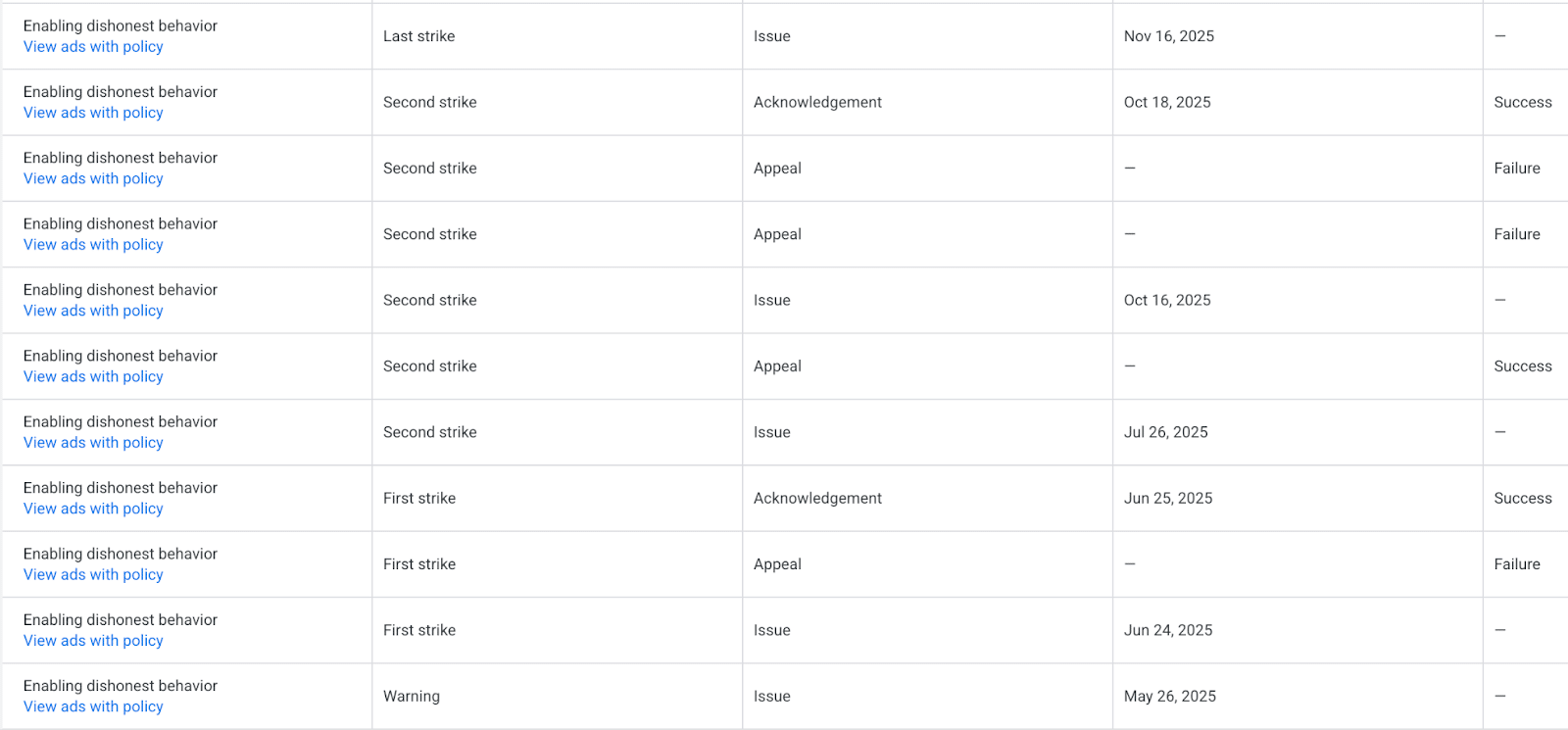
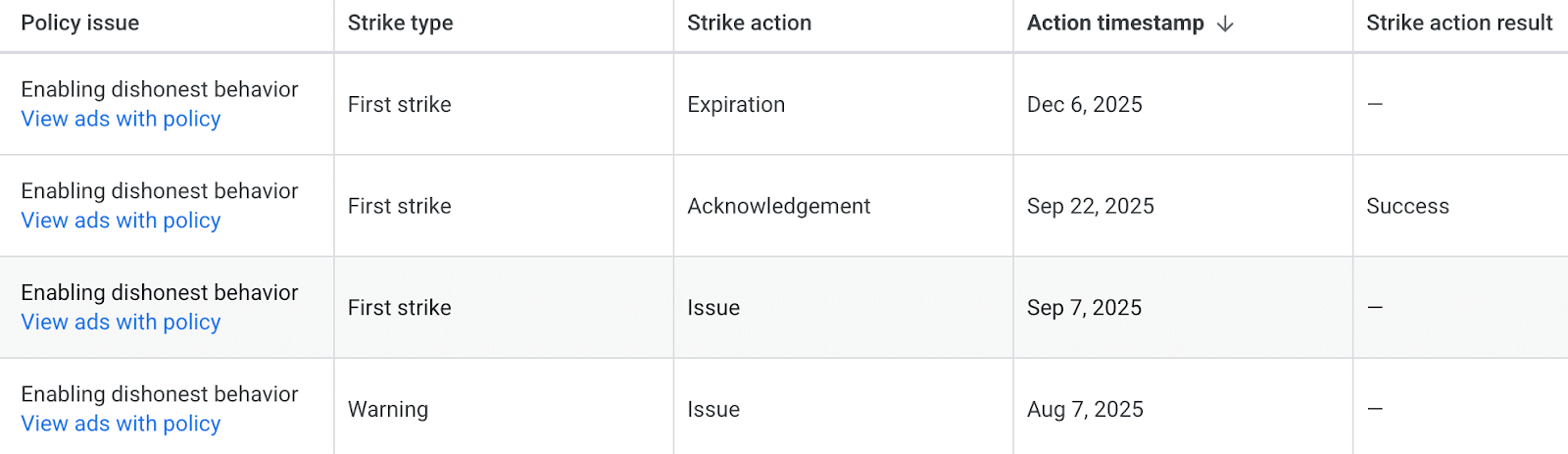
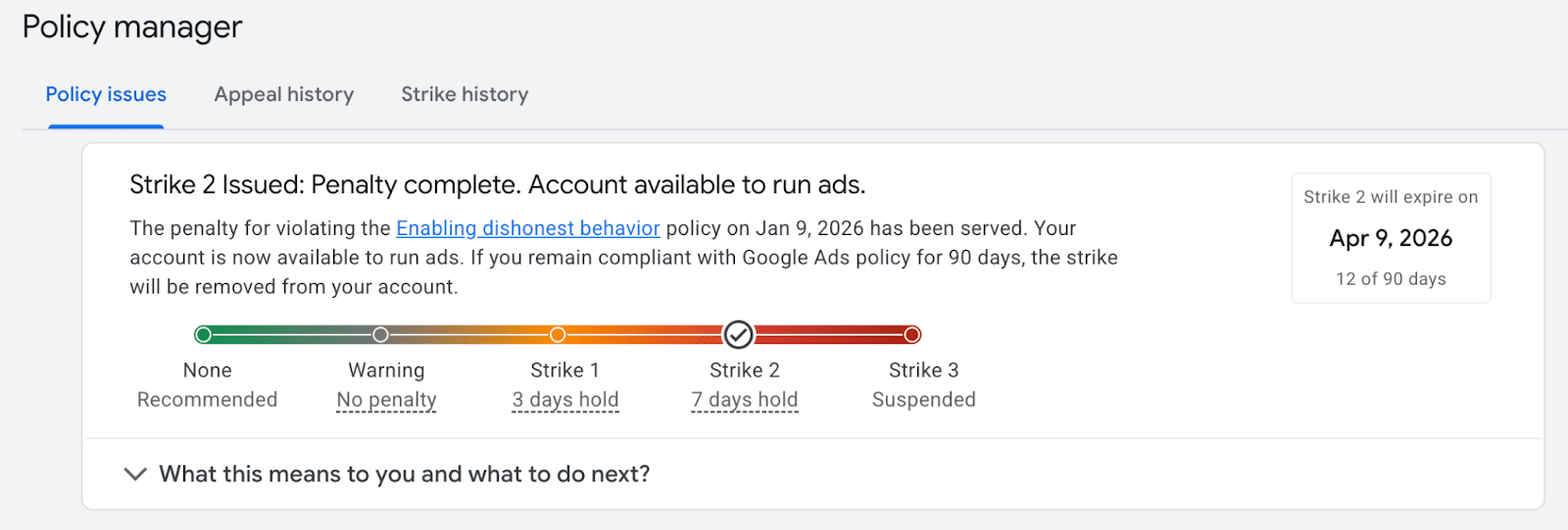
Google has a system to manage advertisement policy compliance known as the ‘three-strikes system.’ In my experience, your Google Ads account can face suspension after accumulating three policy violations within 90 days. Let me guide you through understanding this process and how you can maintain the smooth sailing of your campaigns.
Every year, Google suspends millions of accounts because of advertising policy violations. One misunderstood policy that often trips up advertisers like myself is Google’s three-strikes system.
In essence, if your account is caught repeatedly violating any of Google’s 15 specific advertising policies, it risks suspension. Understanding this system can help you ensure that a single mistake doesn’t lead to your account being shut down.
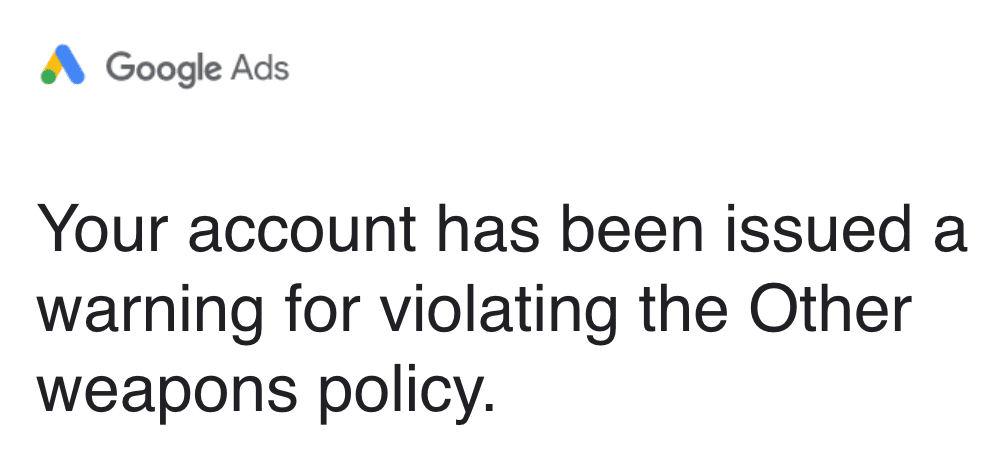
Over the years, I’ve assisted many advertisers in navigating Google’s policies. A recent case involved a business that sells ceremonial swords, which interestingly was flagged by Google’s ‘Other Weapons’ policy. Although ceremonial swords are allowed, the misinterpretation led to a warning, and later a strike.
Despite this misunderstanding, the journey taught me the importance of patience and persistence in appealing against wrongful strikes. Hard work paid off when the business could continue without any further policy issues, proving that even if strikes occur incorrectly, they can be resolved.
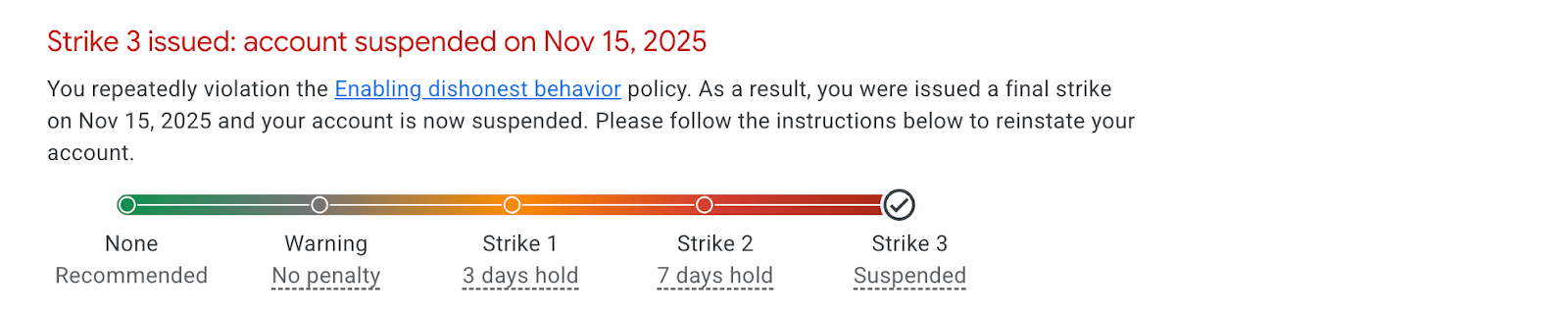
Successfully navigating Google’s three-strikes system begins with recognizing what each step involves. The first step is always a warning – a chance to rectify issues without penalties yet.
Once you receive a warning, take it seriously! Make sure to address and correct the violation immediately or appeal if you believe Google is mistaken.
If a violation is believed to persist, a first strike follows, temporarily pausing your ads for three days. Here, the choice is to acknowledge the strike and remove any violations, or appeal if you’re certain you’ve complied with policies.
The second strike sees ads paused for seven days, indicating another violation or unresolved first strike, leaving the same choices for action.
If a third strike occurs, your account faces suspension, and appeals become your sole recourse, though challenging and often uncertain.
Remember, even if you appeal successfully, Google might not reset the 90-day clock, so monitor it closely and take proactive steps to avoid potential infractions.
Keep your account strike-free by understanding the policies, addressing issues promptly, and adding disclaimers to your site to clarify compliance.
Ultimately, knowing Google’s policies inside out and being prepared to address any concerns quickly are crucial steps to ensure a healthy Google Ads account.