Authenticity in PPC: Navigating AI-Driven Ad Creativity

```json
{
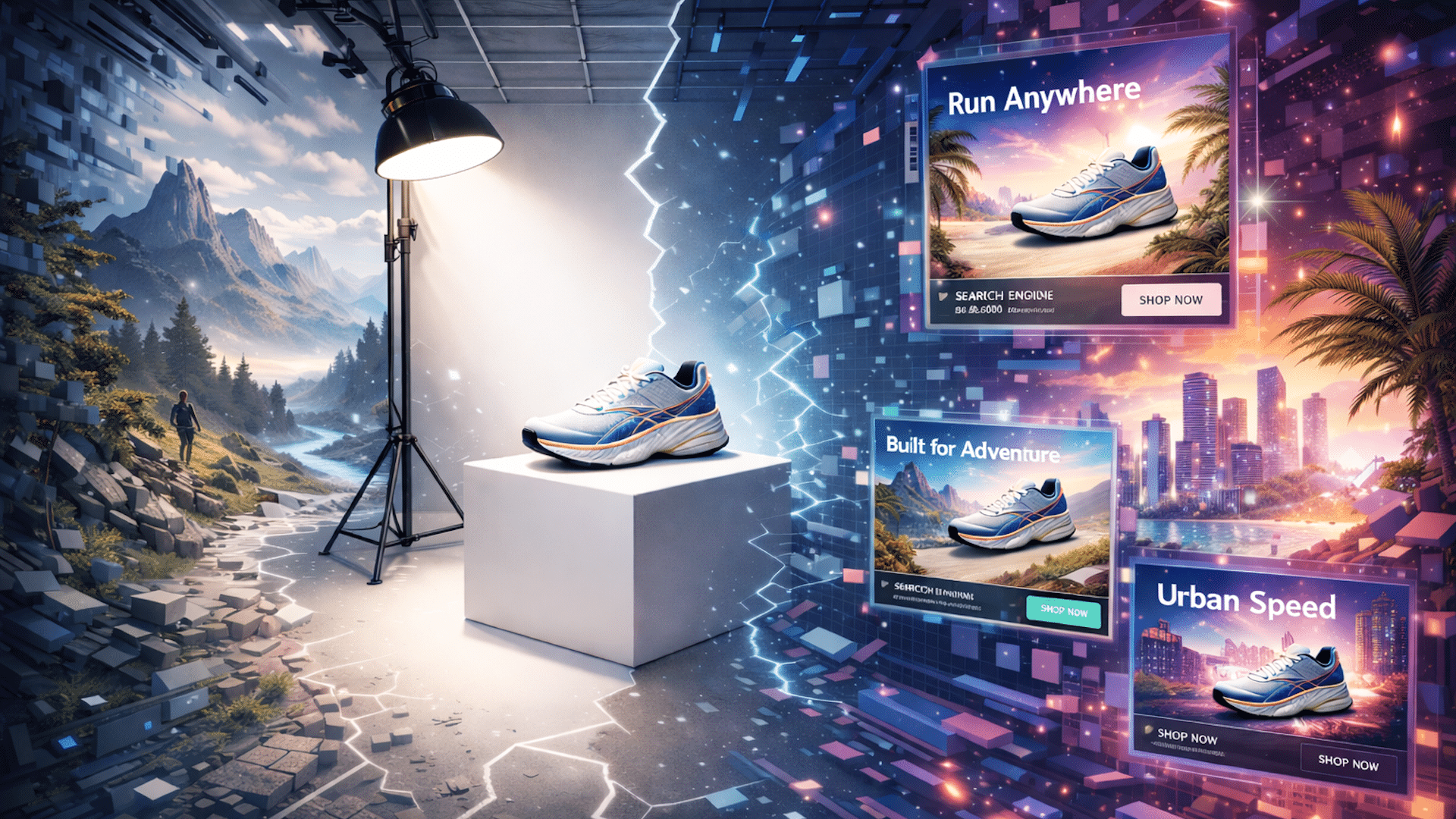
  "alt": "Trail running shoe displayed in a studio with a scenic mountainous background and digital cityscapes.",
  "caption": "Step into a world of possibilities with this versatile running shoe, perfect for every adventure, whether on rugged trails or urban streets.",
  "description": "This dynamic image showcases a single trail running shoe on a pedestal in a creatively lit studio. The backdrop is split between a picturesque mountain landscape, symbolizing adventure, and digital cityscapes representing urban speed. Three framed images hover to the right, each emphasizing the shoe's adaptability with slogans like 'Run Anywhere' and 'Built for Adventure'. Ideal for digital ad campaigns, this image merges the natural and virtual world, creating a visually captivating contrast."
}
```

As someone deeply involved in PPC advertising, I often wonder about the authenticity of our ads in this era dominated by AI creativity. With AI now capable of generating endless ad variations, the ethical landscape has dramatically shifted.

PPC platforms today are hungry for assets. What used to be basic text ads and keyword bids has transformed into an AI-powered ecosystem. Tools in Google Ads can now remove backgrounds, create lifestyle scenes, and even generate synthetic humans within minutes. However, just because technology permits these capabilities doesn’t mean every brand should fully adopt them.

These advancements force us, as PPC advertisers, to confront some tough questions:

  • Do we compromise authenticity for the sake of efficiency?
  • What should be the extent of AI’s role in our brand’s operations?
  • Would our clients maintain trust in us if they were aware of how we use AI in our processes?
  • ```json
{
  "alt": "The CapmatchOne logo with a gradient circle and bold text.",
  "caption": "Discover innovation with the CapmatchOne logo, featuring sleek typography and a modern gradient circle.",
  "description": "The CapmatchOne logo features bold, modern typography coupled with a gradient circle, symbolizing connection and innovation. The sleek design conveys a sense of progress and creativity. This image can be used for branding or promotional purposes, appealing to audiences interested in innovative solutions and forward-thinking designs."
}
```

    To navigate these decisions, a brand integrity hierarchy can be valuable. This four-level framework helps gauge how much AI manipulation your brand, industry, and audience can accept.

    Why PPC Demands Its Own AI Ethics Framework

    Current AI ethics guidelines don’t take into account the unique dynamics of paid search. PPC isn’t merely a brand storytelling channel; it’s a high-volume, fast-paced system requiring constant image production across various audiences, formats, and placements.
    ```json
{
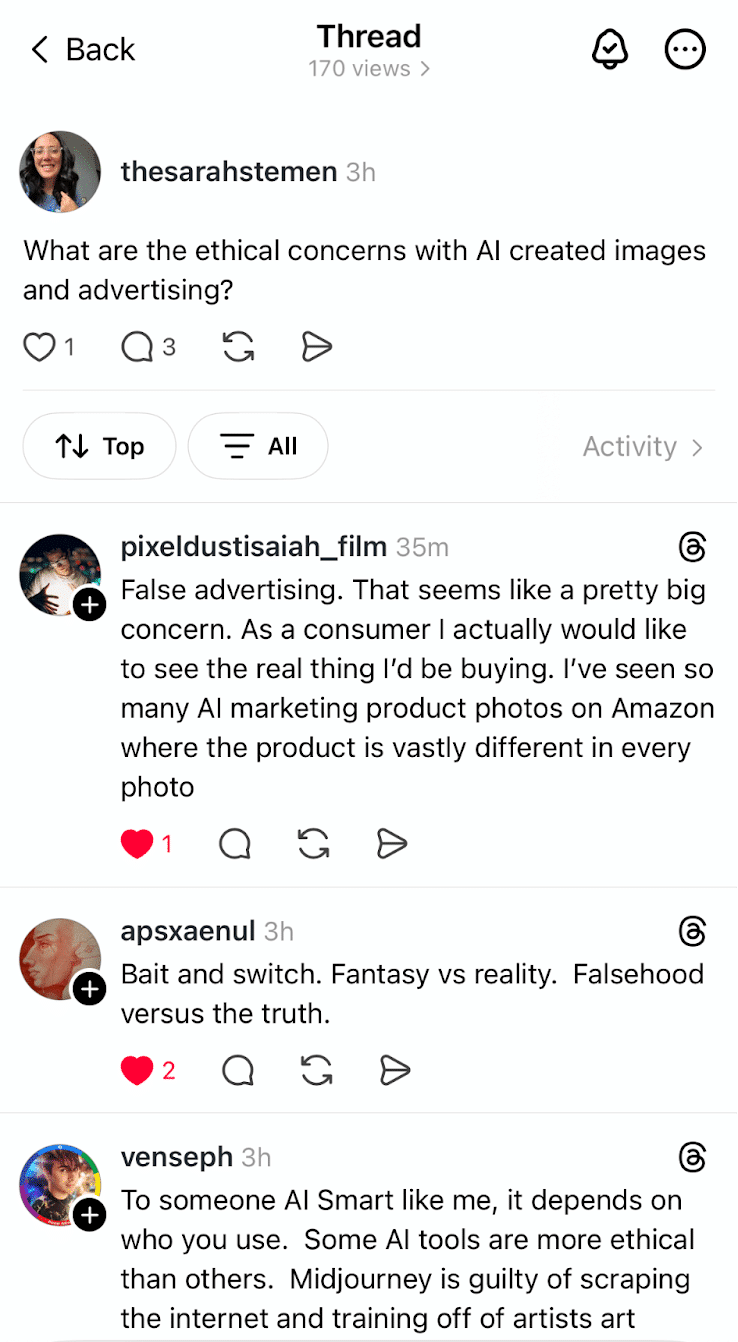
  "alt": "Social media thread discussing ethical concerns of AI in advertising with various user comments.",
  "caption": "A lively discussion unfolds on social media about the ethical implications of AI in advertising, highlighting concerns over false advertising and the authenticity of AI-generated images.",
  "description": "This image shows a social media thread where users engage in a discussion about the ethical concerns surrounding AI-created images in advertising. The original post questions the potential issues, such as false advertising, with AI-generated visuals. User comments include concerns over the difference between fantasy and reality, and the ethical practices of AI tools, particularly Midjourney. The thread emphasizes the impact of AI on consumer trust and advertising practices."
}
```

    I face the challenge of creating fresh lifestyle images at a pace that traditional creative workflows simply can’t match. Simultaneously, platforms like Google and Bing enforce strict policies around accurate product representation, especially within Merchant Center, where even minor visual inaccuracies can lead to disapprovals or account risks.

    The pressure from platforms is immense. Google Ads, for instance, has introduced tools like Nano Banana Pro, making Asset Studio an AI co-creation environment. While these tools are promoted as ways to enhance performance, they also push us toward using AI-generated backgrounds and lifestyle images.

    Most brands can’t afford the necessary photoshoots to keep up with such demand, yet the constant need for images across channels is unavoidable if you want to remain competitive. This mix of policy risk, creative pressure, and platform-pushed tools is distinct to PPC, underscoring why the industry needs its own AI ethics framework.


    Inspired by this post on Search Engine Land.


    crushpress.ai community screenshot

    FAQs

    Why does PPC need its own AI ethics framework?

    PPC is a high-volume, fast-paced system that requires constant image production across audiences, formats, and placements. The post argues that general AI ethics guidance does not fully account for paid search pressures, platform policies, and the risks of inaccurate product representation.

    How is AI changing PPC ad creativity?

    AI tools can now generate many ad variations, remove backgrounds, create lifestyle scenes, and produce synthetic humans quickly. The article notes that these capabilities increase creative speed but also raise questions about authenticity and client trust.

    What authenticity questions should PPC advertisers ask before using AI?

    Advertisers should ask whether efficiency is worth compromising authenticity, how large AI’s role should be in brand operations, and whether clients would maintain trust if they knew how AI was used. These questions help frame ethical decisions before publishing AI-assisted ads.

    What is the brand integrity hierarchy mentioned in the article?

    The post describes a four-level framework for judging how much AI manipulation a brand, industry, and audience can accept. It is presented as a way to navigate decisions about ethical image use in PPC.

    Why can AI-generated PPC visuals create policy risk?

    The article points to strict Google and Bing policies around accurate product representation, especially in Merchant Center. Even small visual inaccuracies may lead to disapprovals or account risks.

    Why do brands feel pressure to use AI-generated images in ads?

    Most brands cannot afford enough photoshoots to satisfy the constant demand for fresh images across channels. Platform tools that promote AI-generated backgrounds and lifestyle images add to that pressure while promising performance benefits.

    Comments

    Leave a Reply

    Your email address will not be published. Required fields are marked *