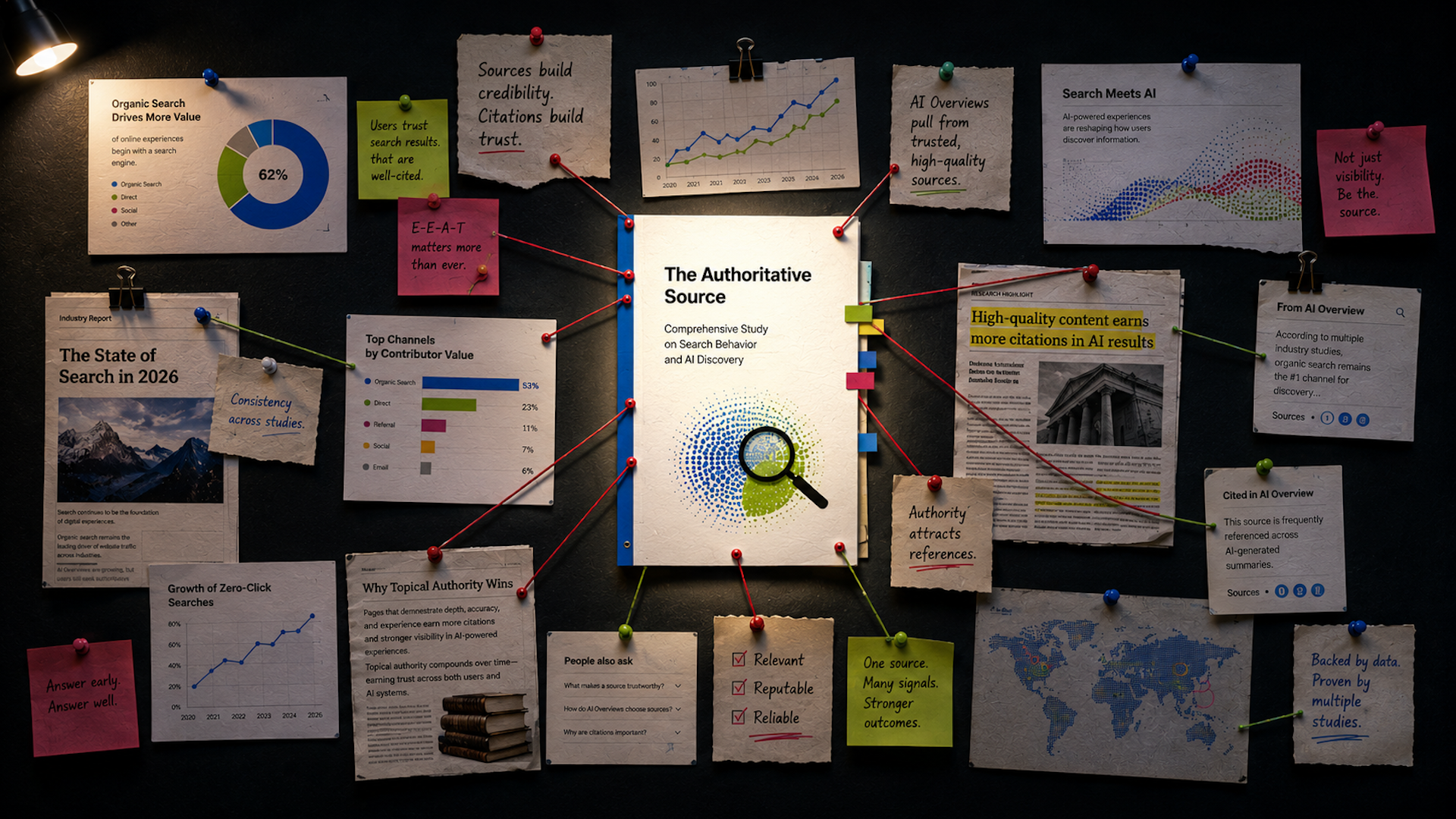
I often realize that linking intent—combining excellent content with strategic outreach—is crucial for building links, referral traffic, and visibility in AI-driven searches.
The importance of establishing authority through link building is more significant as search landscapes expand into language models.
Today, my content competes with multiple sources, including AI-generated content and search engine results pages powered by AI.
Despite these changes, backlinks remain key signals of authority for Google and language models, serving as indicators of my brand’s trustworthiness and relevance.
Having been in SEO for quite some time, I frequently get LinkedIn messages from agencies promising a set number of links, which often misses the mark.
The most effective strategy involves creating content that people genuinely want to reference and share—what I call writing with link intent.
The Philosophy Behind Link Intent Content
Link building should be seamlessly integrated with content creation, although, in my experience, it’s often not.
Instead of treating it as a separate task, I consider who in my community cares about my writing and why.
This mindset leads to content that naturally accrues links and builds traditional and AI search clout over time.
When content is genuinely useful and relevant, it compels people to share it naturally, without resorting to spammy tactics.
Where Strategic Outreach Fits
Strategic outreach becomes most effective after ensuring content relevance. I identify journalists and creators who cover my topics and show them why my perspective adds unique value.
Opportunities often arise from content related to topics like statistics or industry reports.
If operating in silos, teams may focus on:
- Targeting specific link numbers.
- Requesting link swaps.
- Promoting content without evaluating its true usefulness.
Such an approach ignores whether content genuinely benefits the brand, contrary to what good content should achieve.

Content providing genuine value naturally attracts those looking for credible sources.
Producing high-quality content can lead to attracting links and being recognized by Google and AI like ChatGPT and Claude for its relevance.
From what I’ve gathered, language models prefer content treated as definitive references, emphasizing depth over volume.
The Business Impact of Link Intent
For LLM visibility, I focus on crafting high-value, authoritative pieces instead of spreading content thinly.
I’ve secured numerous clients thanks to my well-crafted content. Many B2B businesses might share similar success stories.
Quality content naturally attracts links and SEO equity over time, creating a snowball effect.
By reducing time on outreach, it helps create relationships with related sites, driving ongoing referral traffic.
Considerations for Building Link Intent
Creating content on news-related topics can offer fresh perspectives on industry developments.
Weigh the pros and cons between news-focused and evergreen topics, as evergreen continues gaining citations over time.
Specificity and timing can enhance citation potential even for evergreen topics, increasing its attractiveness.
Honing in on Intent-Driven Link Building
Take Todoist’s unique presentation of productivity methods as an example. It’s helped them boost their referring domains significantly.
I’m encountering more SEOs who de-emphasize link building, not because it’s less important, but due to outdated tactics.
An approach that blends strong content with outreach is efficient, evergreen, and reinforces brand reputation.
Inspired by this post on Search Engine Land.

Leave a Reply