AI has infiltrated nearly every industry, becoming an integral part of apps, company processes, and even daily life. As someone who’s been navigating the local SEO landscape since its inception, I’m witnessing a significant change in user search behavior and the types of responses they receive.
Back in the day, a local business could achieve high rankings simply by optimizing its website, polishing up the Google Business Profile, securing around 50 citations, and soliciting customer reviews. However, in today’s AI-driven search world, these efforts are just foundational.
To succeed in AI-driven local searches, it’s crucial to influence what the wider web communicates about your business, or in simpler terms, build brand awareness.
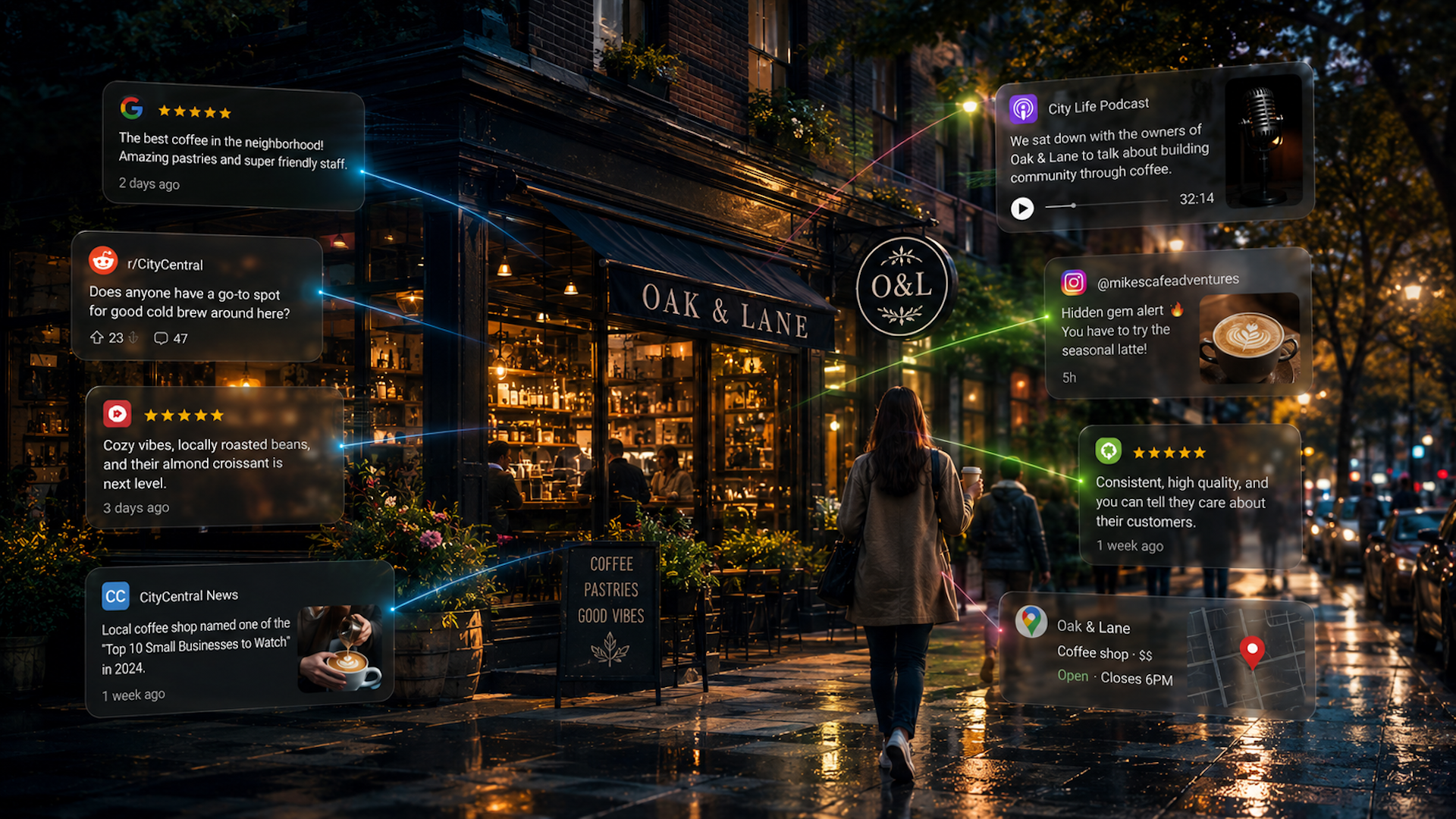
Consider local search as a form of digital word-of-mouth.
These questions are at the core of what AI systems evaluate when users request local business recommendations. Here’s how I work on shaping the reputation signals these advanced search engines rely on.
How to Conduct Competitor Research for AI Visibility
One initial step in developing an AI search strategy is figuring out which brands large language models (LLMs) recommend most frequently and understanding their strategies.
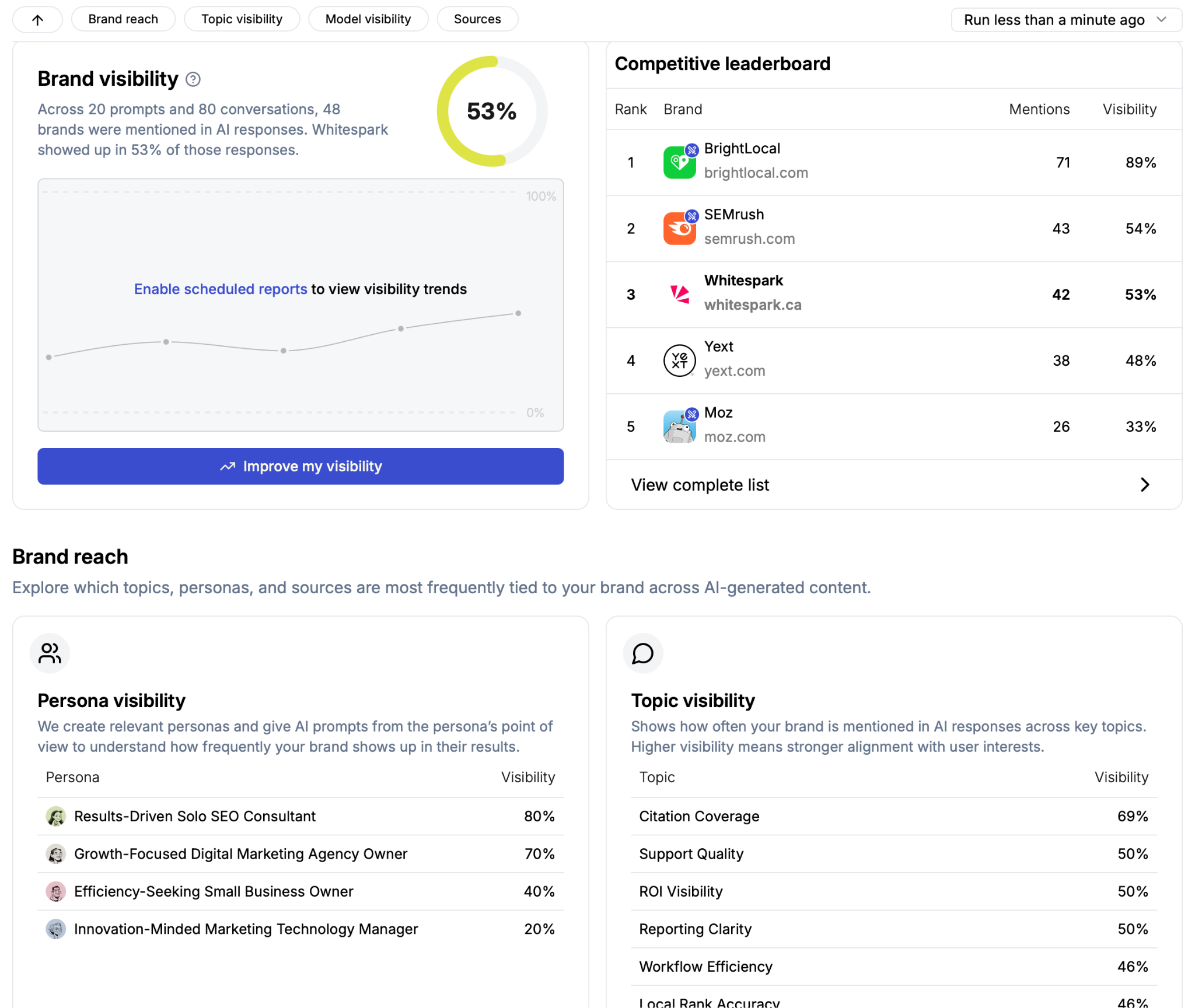
Identify Businesses Frequently Mentioned in AI Responses
Since AI responses change frequently, I found it essential to run the same query multiple times to discern patterns.
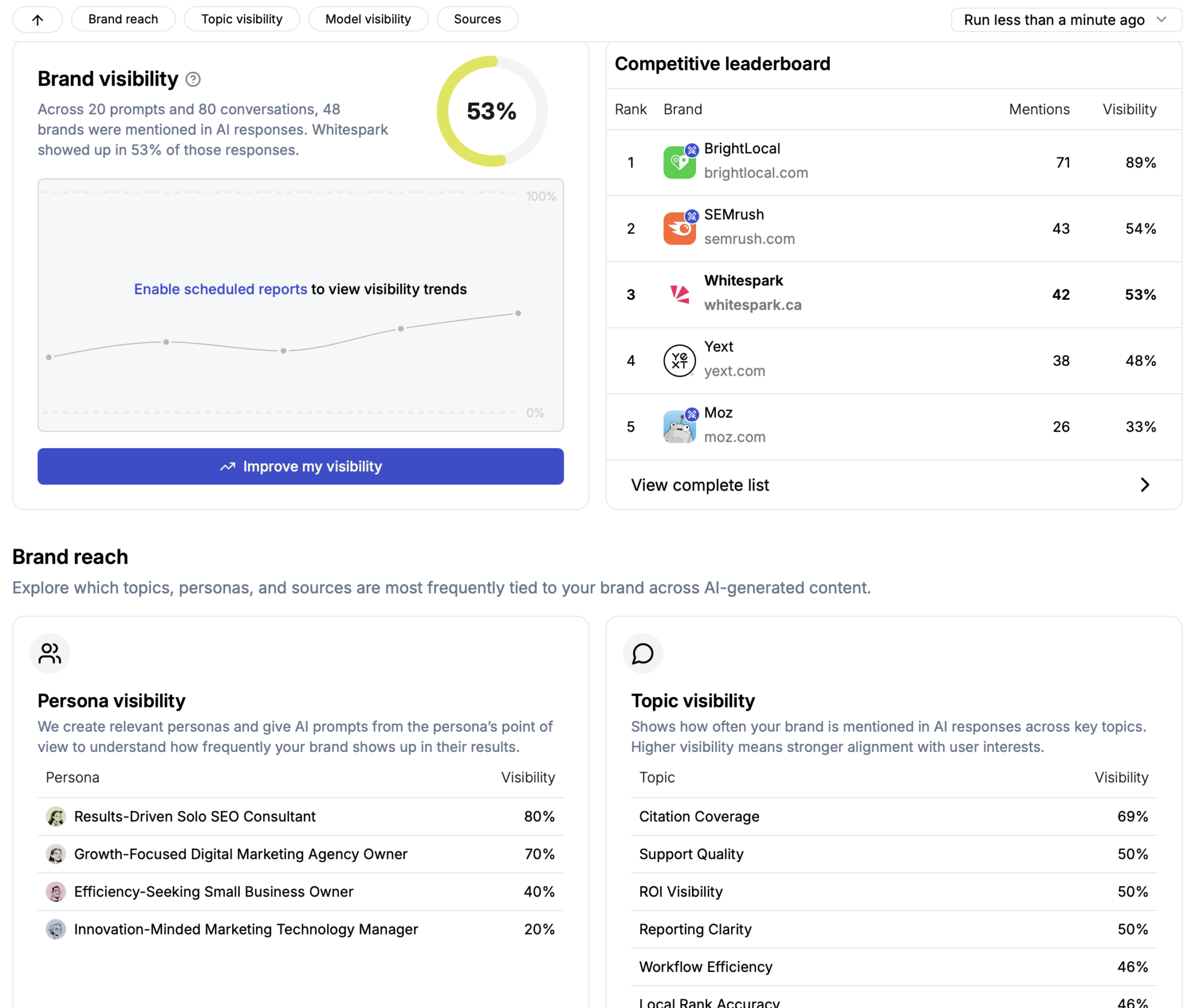
I run the most common brand-related searches at least 20 times in my chosen LLM. Whether you do this manually or employ software like Gumshoe or Waikay, these tools can help synthesize prompts based on your business details and indicate how often your brand appears.
Pinpoint the Sites AI Cites Most Often
After identifying competitors, I turn my attention to the sources LLMs tap into. Analyzing results can be done manually or with the aforementioned tools.
Getting Your Brand Mentioned on Key Sites
Armed with a list of essential sites, I strive to have my brand featured there.
If blogs are primary AI sources, I offer to contribute expert content. For mentions in podcasts or on YouTube, I seek opportunities to guest feature. The ultimate aim is brand amplification.
Building Reviews for AI Consideration
For years, Google has dominated as the primary channel for discovery, leading businesses, like mine, to focus primarily on garnering Google reviews. However, to excel in AI outcomes, reviews across multiple platforms are vital.
Diversify Your Review Collection Strategy
I recommend seeking reviews on various platforms such as Yelp, BBB, Facebook, and others pertinent to your industry. Regular reviews on multiple sites can bolster your brand’s visibility and enhance rankings in traditional search results.
Refine Your Approach to Requesting Reviews
Generic review requests are ineffective. Providing clear direction enhances the quality of feedback, steering customers toward experiences or product aspects AI models might query.
For instance, if you run a plumbing service, a polished review request could resemble this:
Hi [Name],

Thank you for choosing us for your hot water tank repair. If you could take a moment, please leave a review on [Link to Platform] and share how we met your needs:

— What plumbing issue did we resolve?
— Was our service up to your expectations?
— Did our plumber arrive punctually and display professionalism?
— Was the cost justifiable for the service quality?

Your review is invaluable to us and beneficial for others seeking quality plumbing services.

Thank you!
[Your Name]
AI systems directly reference review content, so securing detailed feedback is crucial.
Always Respond to Reviews
If you haven’t started responding to reviews, now’s the time. AI systems evaluate the content in review responses.
Establish an Everywhere Presence
AI systems scour the web for even rare mentions of your business. Thus, maintaining a presence across multiple platforms is essential, including:
- YouTube.
- Reddit.
- Industry forums.
- Social media, especially LinkedIn.
- Industry publications.
- Local and hyperlocal blogs.
- Local news sites.
- Local and industry podcasts and video channels.
- Best-of lists in your city or industry.
- Press releases.
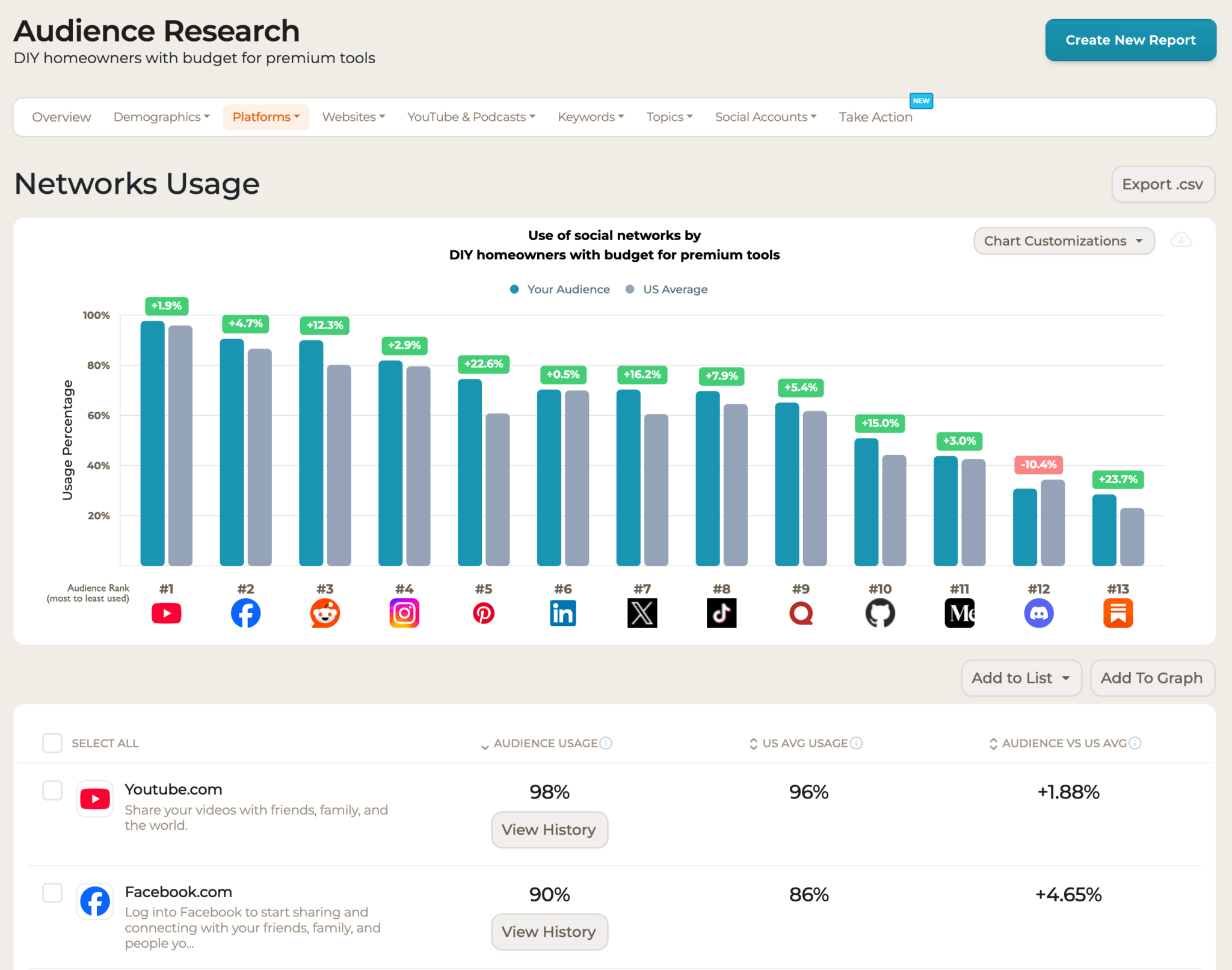
Engage actively on platforms that resonate with your audience. Tools like Sparktoro can help identify where your audience is most active, enabling focused efforts.

Creating AI-Optimized Content That Stands Out
Today’s content strategies must cater to both humans and machines, demanding alterations in content structuring.
Research by Dan Petrovic into Google’s “grounding snippets” reveals that Google prioritizes sentences closely aligned semantically with the query and those positioned early in the text.
Deliver Key Information Promptly
While humans might savor a thoughtfully crafted introduction, LLMs laser focus on specific answers.
To cater to this, I ensure that my crucial points shine in the opening paragraphs, with the rest of the content bolstering these points.
Addressing the Right Questions
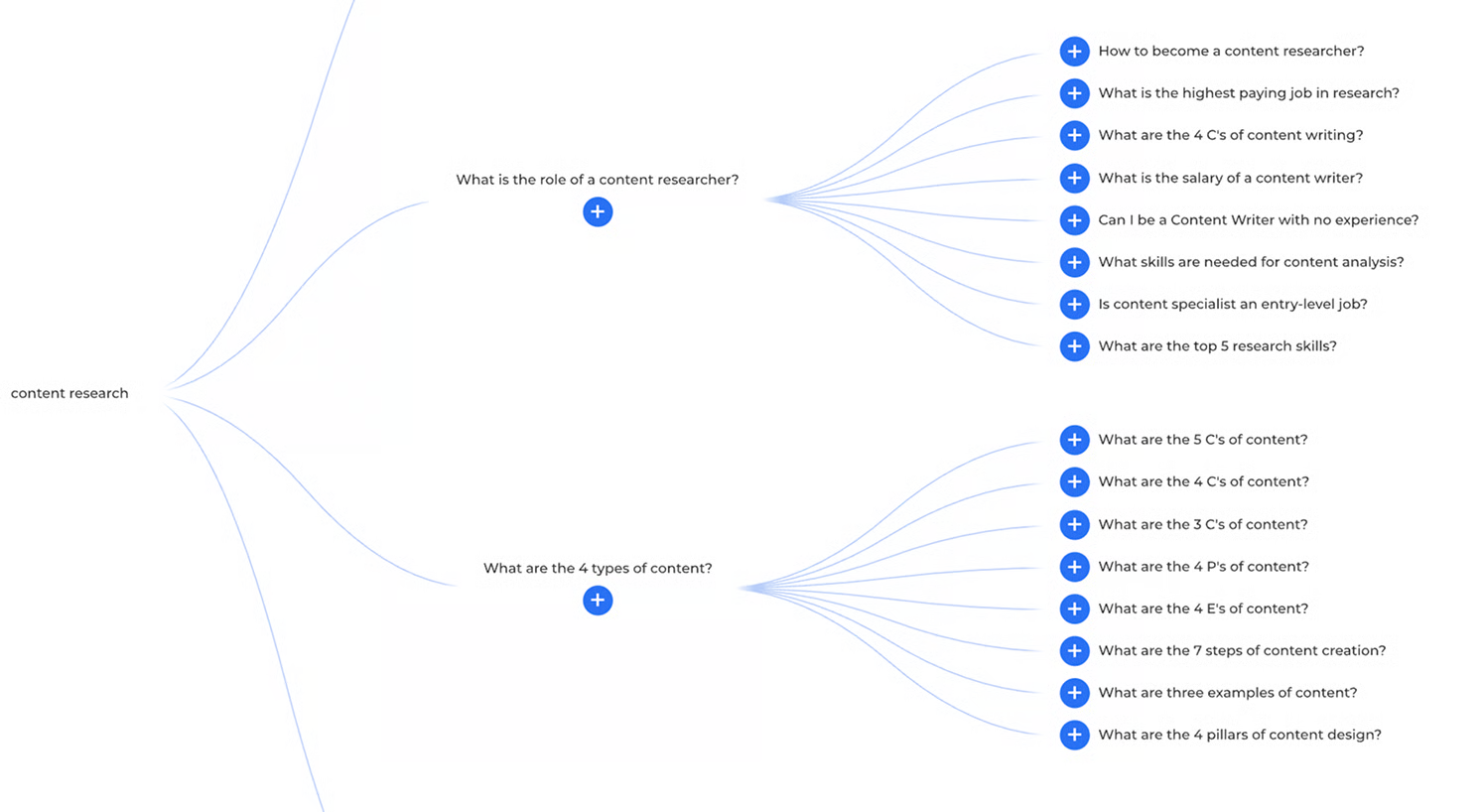
This revolves around keyword research and understanding query fan-out. It’s about pinpointing what queries bring visitors to my business and ensuring my site acts as an answer hub for these inquiries.
For local outfits, essential questions might include:
- What do you do?
- What services or products are available?
- Who is your target audience?
- What problems do you address?
- Where are you located?
- Which neighborhoods or cities do you serve?
- Is service delivery on-site, or do clients visit your premises?
- What are your business hours?
- Do you provide emergency or immediate services?
- Do you operate during weekends and holidays?
- How can clients contact you?
- What’s the booking procedure?
- Do you provide quotes or consultations?
- Is it appointment-only, or do you allow walk-ins?
- Why should someone opt for your services?
- What differentiates you from the competition?
- Do you hold any awards or certifications?
- Are you renowned for a specific product or service?
- What are the costs involved?
- Are there discounts or packages available?
- What do other clients say about you?
- Can you share reviews and testimonials?
- Do you provide case studies or before-and-after visuals?
- Answers to common queries.
- Demonstrating authority and expertise:
- What’s your process like?
- Do you impart knowledge through tips, guides, or blog posts?
Incorporating tools like AlsoAsked can enhance this question discovery process.
Once addressed on your site, ensure consistency of answers across the web, including citations, guest posts, and press releases.
Craft Machine-Friendly Content Structures
Local businesses often list their services as follows: “Services include: plumbing, drain cleaning, pipe repair, etc.”
To improve, I utilize semantic triples for better machine comprehension.
A semantic triple comprises:
- [Subject] + [predicate] + [object]
The subject pertains to what’s being defined, the predicate explains its relation to the object, and the object elaborates on the subject.
For instance:
- [Rescue Plumbing] [is] [a plumbing company in Denver].
- [Rescue Plumbing] [offers] [drain cleaning services].
Swapping out “we” with the brand name provides machines the unambiguous signals they need, improving clarity about your services.
Introduce Fresh Perspectives
AI searches rely heavily on information gain. Thus, I ensure my content contributes new insights rather than restating existing details.
LLMs are drawn to articles that expand their understanding of your brand, industry, and locality.
I leverage personal and vocational expertise to answer niche questions and share unique job experiences, ensuring I rank for AI searches where my competitors don’t feature.
AI Visibility Checklist
Enhancing AI visibility requires more than focusing on your website and Google Business Profile. This checklist covers reviews, citations, content, and brand signals crucial for AI evaluation.
- Revamp your local SEO strategy. Continue refining your website and Google Business Profile while enhancing brand visibility online.
- Identify and analyze your competitors’ content and citation methodologies.
- Find sources LLMs cite within your niche and location; ensure your brand features on these platforms.
- Seek reviews across varied platforms, optimize your review requests, and respond to all feedback.
- Boost your presence on blogs, social media, forums, YouTube channels, podcasts, and in the press.
- Offer unique, informative, and comprehensive content on your website and across web platforms. Use semantic triples to deliver essential information concisely.
This exploration of localized AI search can be far more expansive, but I hope I’ve held your interest. Ensure you check back for upcoming discussions!
Inspired by this post on Search Engine Land.

Leave a Reply