When I think about how much AI search has evolved, I’m amazed by how it’s deeply rooted in years-old patents. These historical blueprints are the architects of AEO, GEO, and our modern SEO strategies.
It’s fascinating to me that whenever a new large language model (LLM) is released or Google makes an AI update, the SEO community seems to panic. We tend to overlook that the features we’re scrambling to optimize for were often designed in the patent offices a decade ago. Our focus on the present and future blinds us to the wisdom of the past.
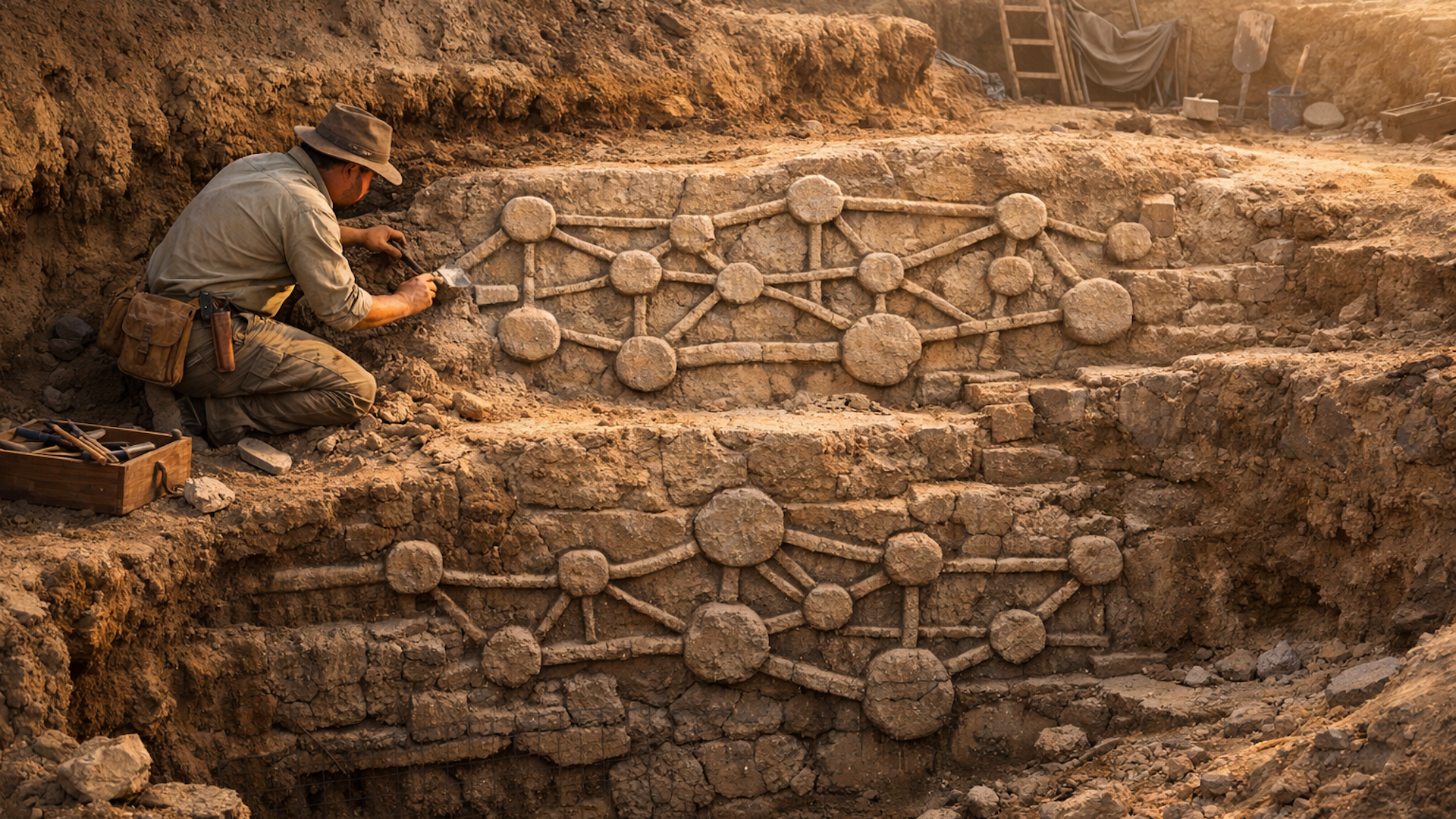
If we want to stay ahead in 2026, we need to shift from being futurists to becoming archaeologists.
To truly serve our clients, a balanced research framework is essential. By revisiting foundational patents, we can grasp the core rules, while also keeping an eye on how current AI developments breathe life into those regulations.
There’s a myth that understanding AI search requires being a prompt engineer or diving into every research paper from OpenAI. In reality, many of the algorithms powering today’s innovations were penned in mathematical language over a decade ago.
I deeply respect Bill Slawski, the late, great SEO archaeologist, who spent over 20 years unearthing insights from dry, technical patent filings to forecast the present we are experiencing now.
Looking back, his method of analyzing history certainly proved its relevance.
The SEO algorithms aren’t mysterious; they’re mathematical. Many features introduced today are based on blueprints filed between 2007 and 2016. To succeed, it’s vital to dive into historical documentation.

Understanding strategy versus mechanics is crucial. We need to categorize our learning as either strategic or mechanical. The transition from ‘strings to things’, or entities, required verification to distinguish real from fabricated.
It’s crucial to separate AEO from GEO, as they demand distinctive content architectures and fulfill different objectives. AEO targets direct answers, while GEO requires synthesis and demonstrates the interplay between concepts.
Dig deeper: SEO, GEO, or ASO? What to call the new era of brand visibility in AI [Research]
It’s easy to neglect basic SEO fundamentals amidst the influx of AI developments. The essentials, like technical SEO, remain pivotal.
The persistence of technical debt exposes how the tolerance for neglecting foundational SEO tasks has vanished.
The technical backend of our websites, whether using traditional CMS or modern headless architectures, requires careful attention to succeed in AEO and GEO.
To become a proactive SEO architect rather than a reactive time traveler, we must integrate verified facts and trusted source connections into our strategic framework.
Inspired by this post on Search Engine Land.

Leave a Reply