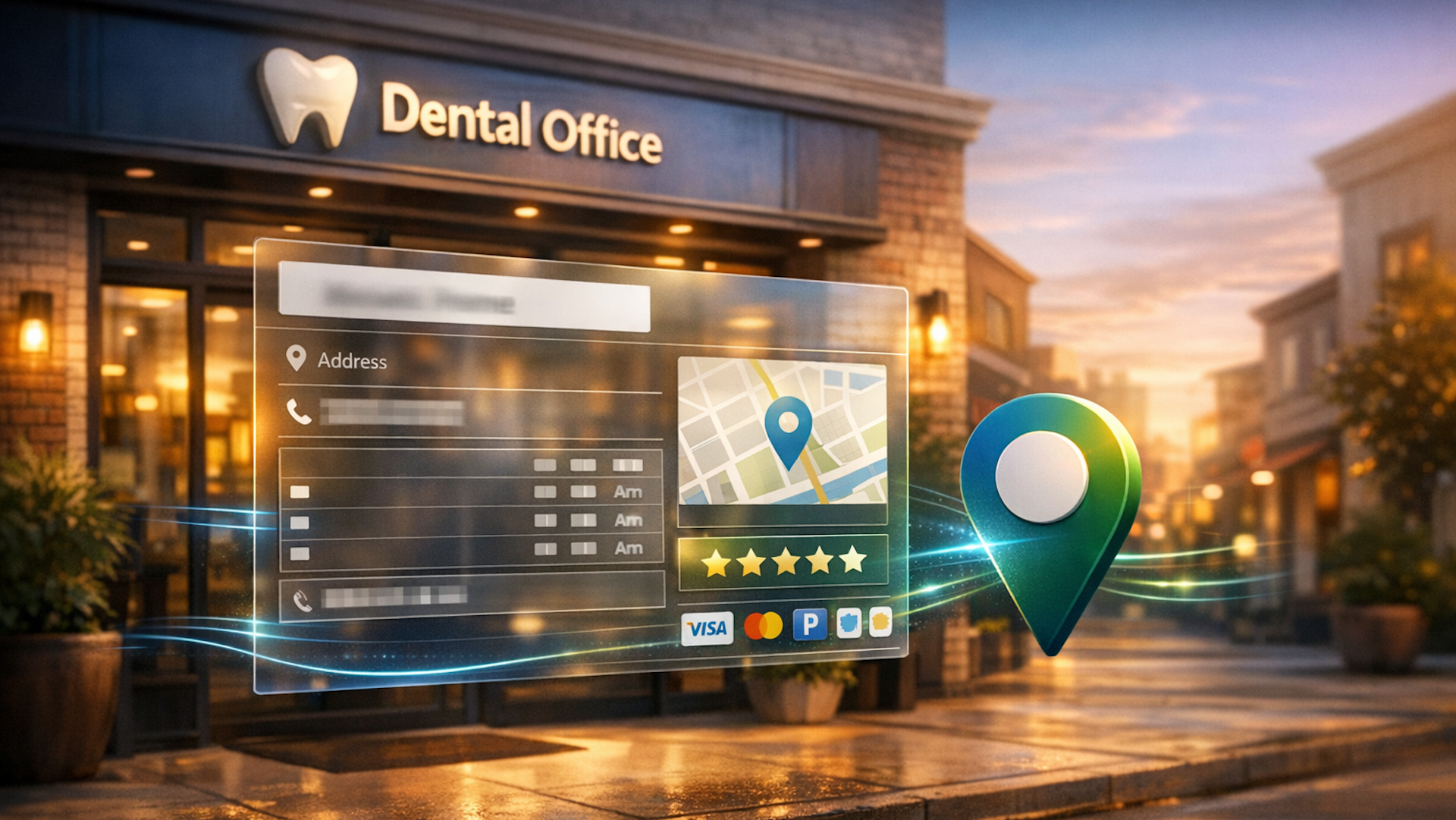

When I first heard the term “contact page,” my mind immediately envisioned a simple space filled with contact info and a form. However, it turns out that this is a major oversight from a local SEO standpoint. Let me guide you on crafting a contact page that not only elevates your Google prominence but also converts more leads.
Google pays special attention to your contact page
Joel Headley, the former head of Google Business Profile Support, once shared with me that Google actively crawls and interprets your contact page to extract details about your business. This revelation illuminated the common inadequacy of contact pages that simply display a business’s name, address, and phone number (NAP), coupled with a basic contact form.
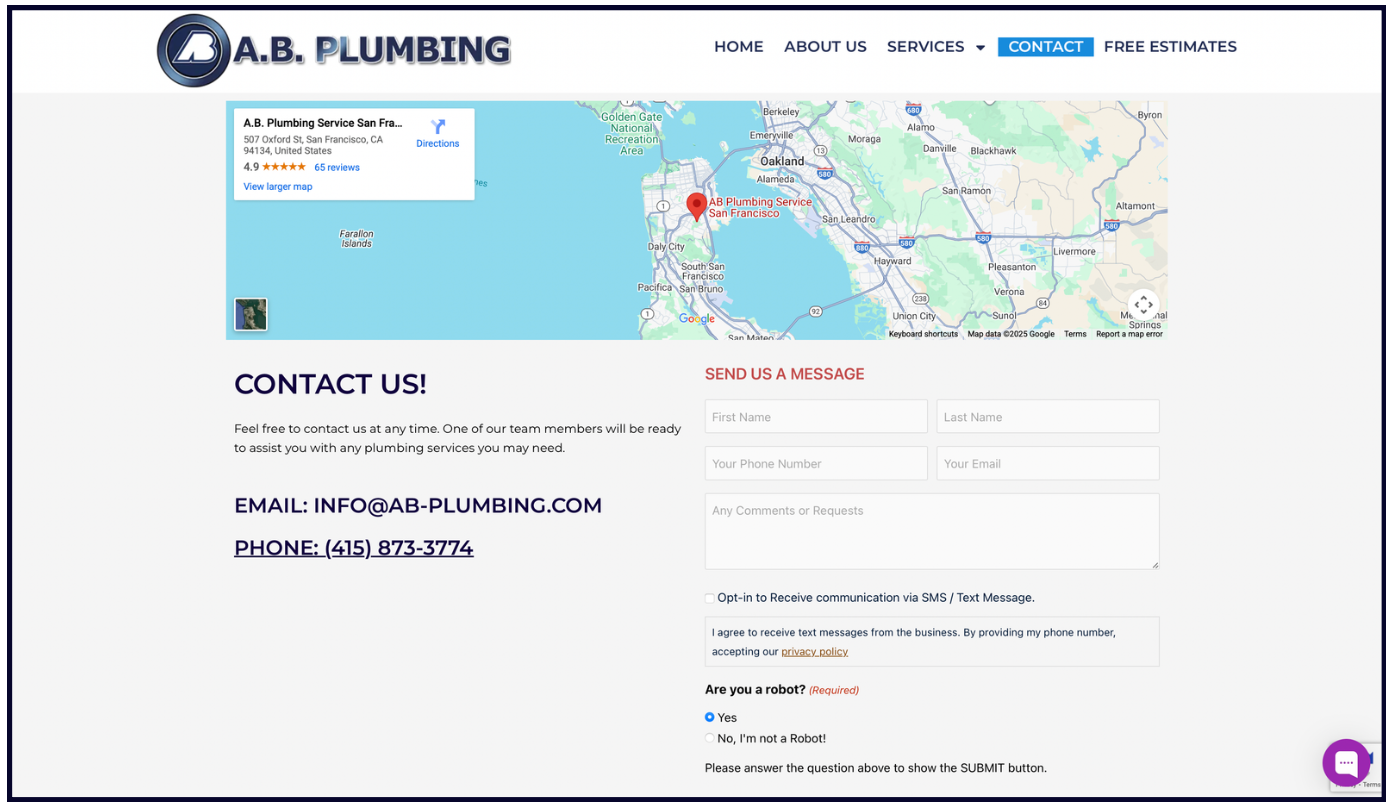
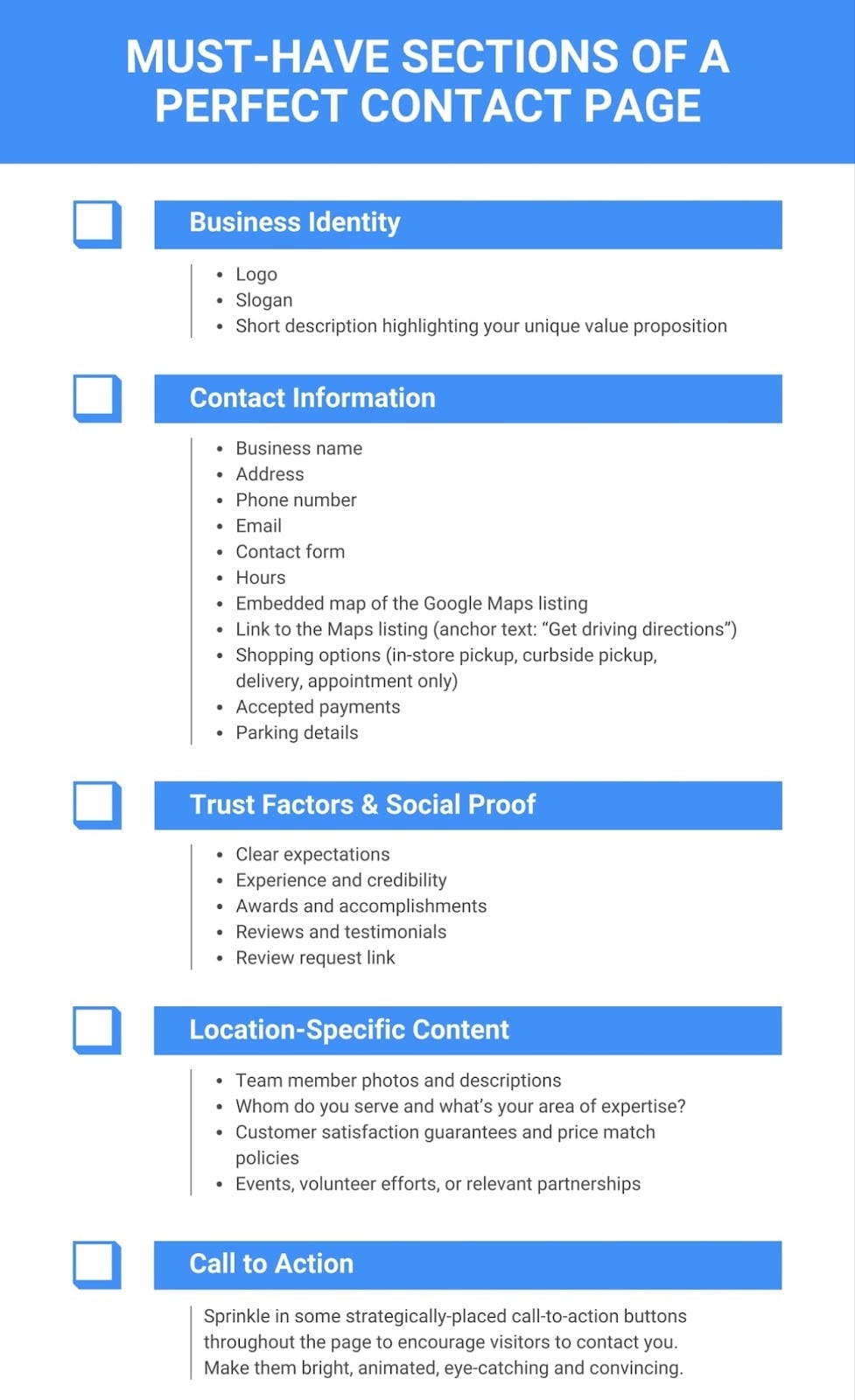
Google is essentially requesting, “Provide me with your business data,” while you might be responding, “No data for you.” Instead, I encourage you to treat your contact page with the same importance as a multi-location landing page. Here’s what your contact page needs to transform visitors into paying clients:
- Business identity.
- Contact information.
- Trust factors and social proof.
- Location-specific content.
- Amenities.
- Call to action.
1. Business identity
Your contact page should be a reflection of your brand, just like every other page on your site. Here’s what to include:

- Your business logo, matching all marketing materials and signage.
- Your slogan, with potential keywords for SEO enhancement.
- A concise introduction detailing your business’s function, location, and unique value proposition (UVP).
Dig deeper: The local SEO gatekeeper: How Google defines your entity
2. Complete contact information
Surprisingly, many businesses overlook adding complete contact details on their contact page. Here’s what’s essential:
- Full business name.
- A contact form and a corresponding email address.
- Complete address.
- Phone and text numbers.
- Social media links.
- Operational hours, including special or holiday variations.
- Shopping options like in-store pickup, curbside pickup, delivery, or appointment-only.
- Embedded Google Map to your business (not just your address).
- A link to your Google Maps listing.
- Accepted payment methods.
- Parking information.
Providing detailed business info not only facilitates customer contact and visits but also signals search engines that your business is credible.
Bonus tips for your contact form:
- Include a strong call to action, potentially the same throughout your page.
- Implement form conversion tracking.
- Combat spam with reCAPTCHA, plugins, double opt-ins, and obfuscated email formatting.
- Ensure your contact section mirrors your Google Business Profile for legitimacy.
Dig deeper: Local SEO sprints: A 90-day plan for service businesses in 2026
3. Trust factors and social proof
Your contact page isn’t just about providing contact avenues; it should convince visitors of their decision’s wisdom before they reach out.
Clear expectations
Clearly communicate what a customer can expect post-contact to solidify their choice to connect with you:
- Expected response times.
- Upcoming steps and confirmations from your team.
- Additional useful information about your team, location, or differentiators.
Experience and credentials
Boost trust and conversion rates by displaying involvement in:
- Industry associations, locally and nationally.
- Chamber of commerce groups.
- Professional organizations.
- Meetup and neighborhood associations.
- Better Business Bureau ratings.
Tip: Link association names to your business listing on their sites.
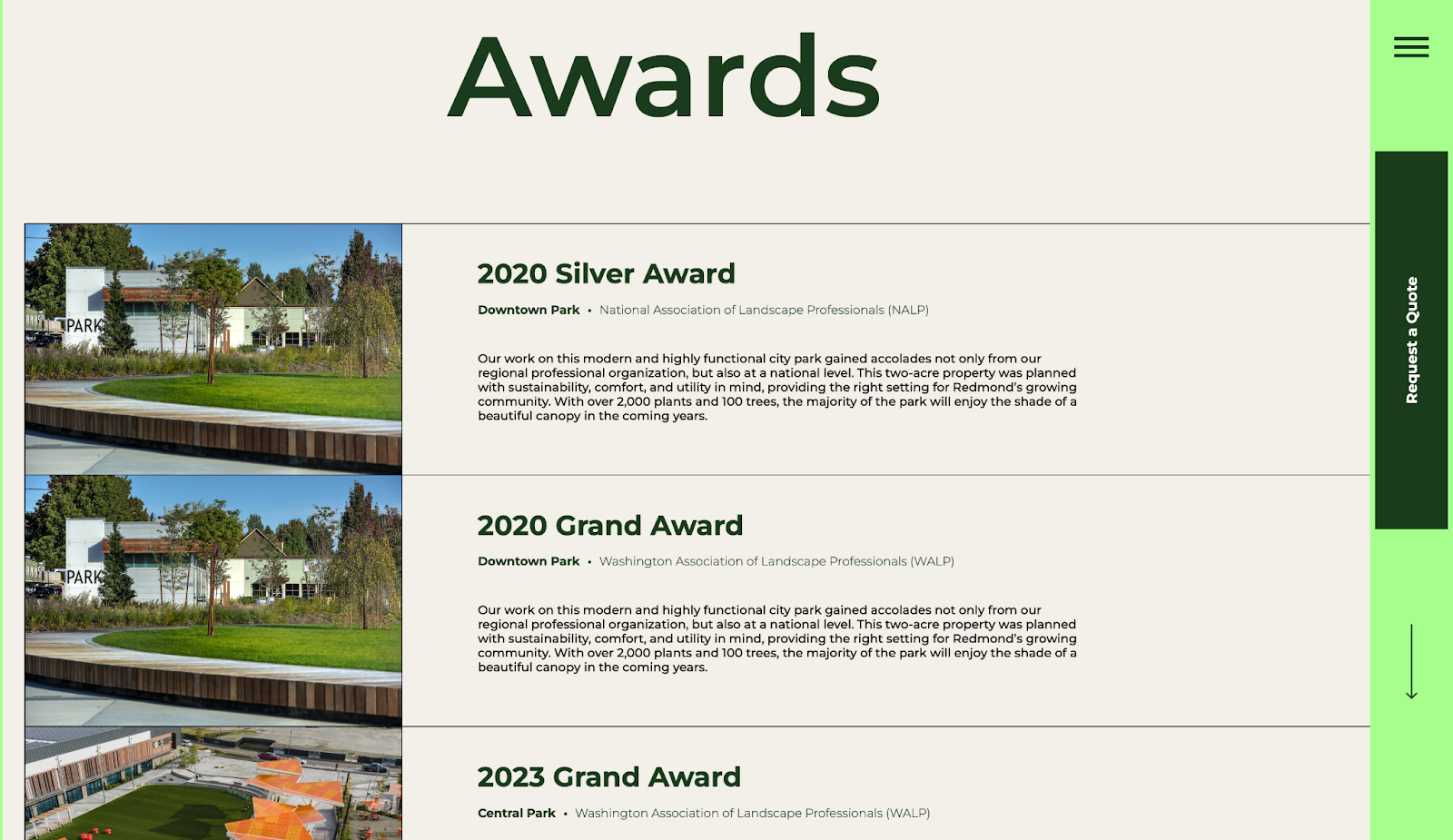
Awards and accomplishments
Include any awards and press mentions, with links to the relevant articles or sites. If there are many, consider a dedicated media section.
Reviews and testimonials
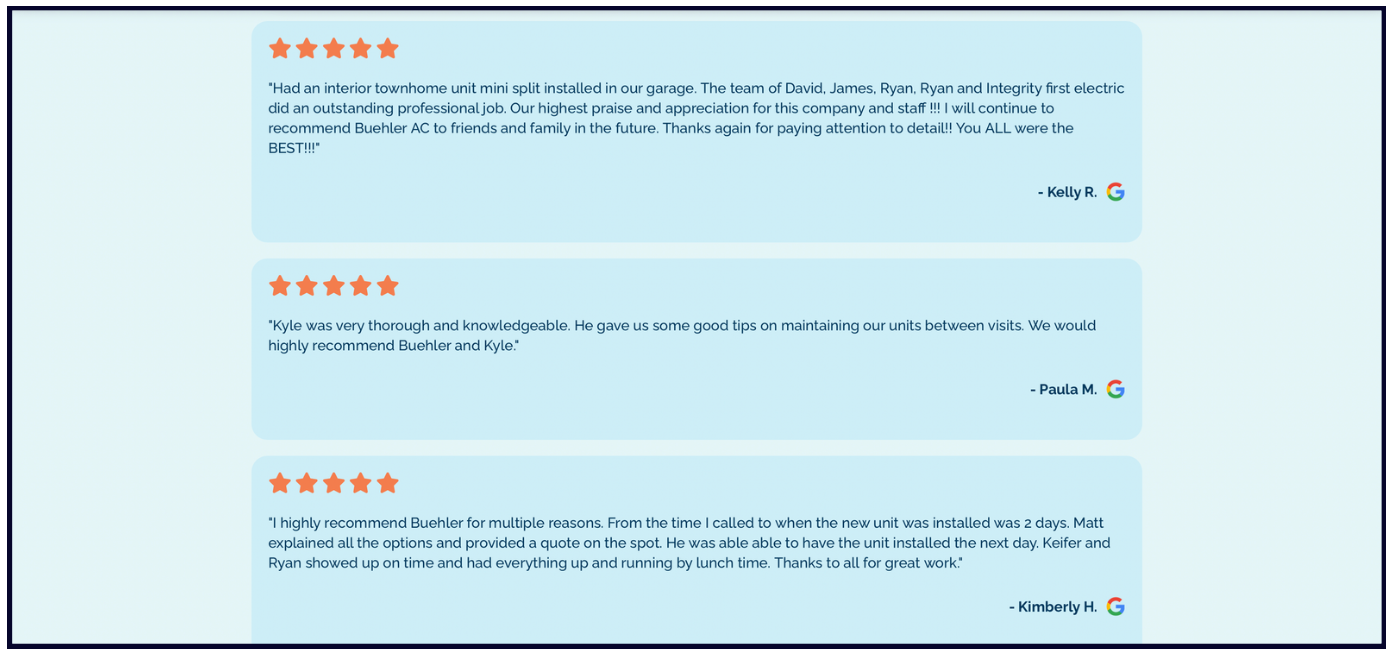
Embed external reviews and include testimonials to enhance trust. Enhance authenticity by showing reviewer photos, names, cities, and profiles.
Your review section is also an excellent place to request additional Google reviews, especially from repeat customers, using a link and call to action.
Dig deeper: 7 local SEO wins you get from keyword-rich Google reviews
4. Location-specific content
Tailor content to highlight local relevance, and clearly convey your business’s offerings, locations, and reasons to choose you. Suggestions include:
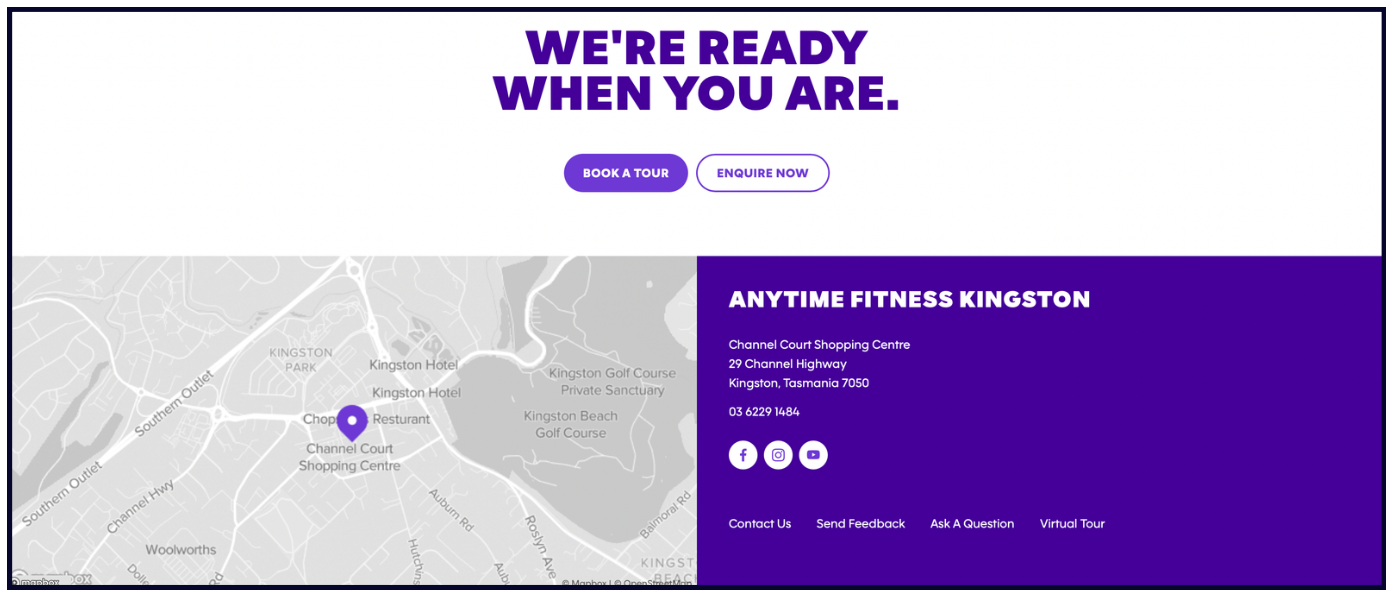
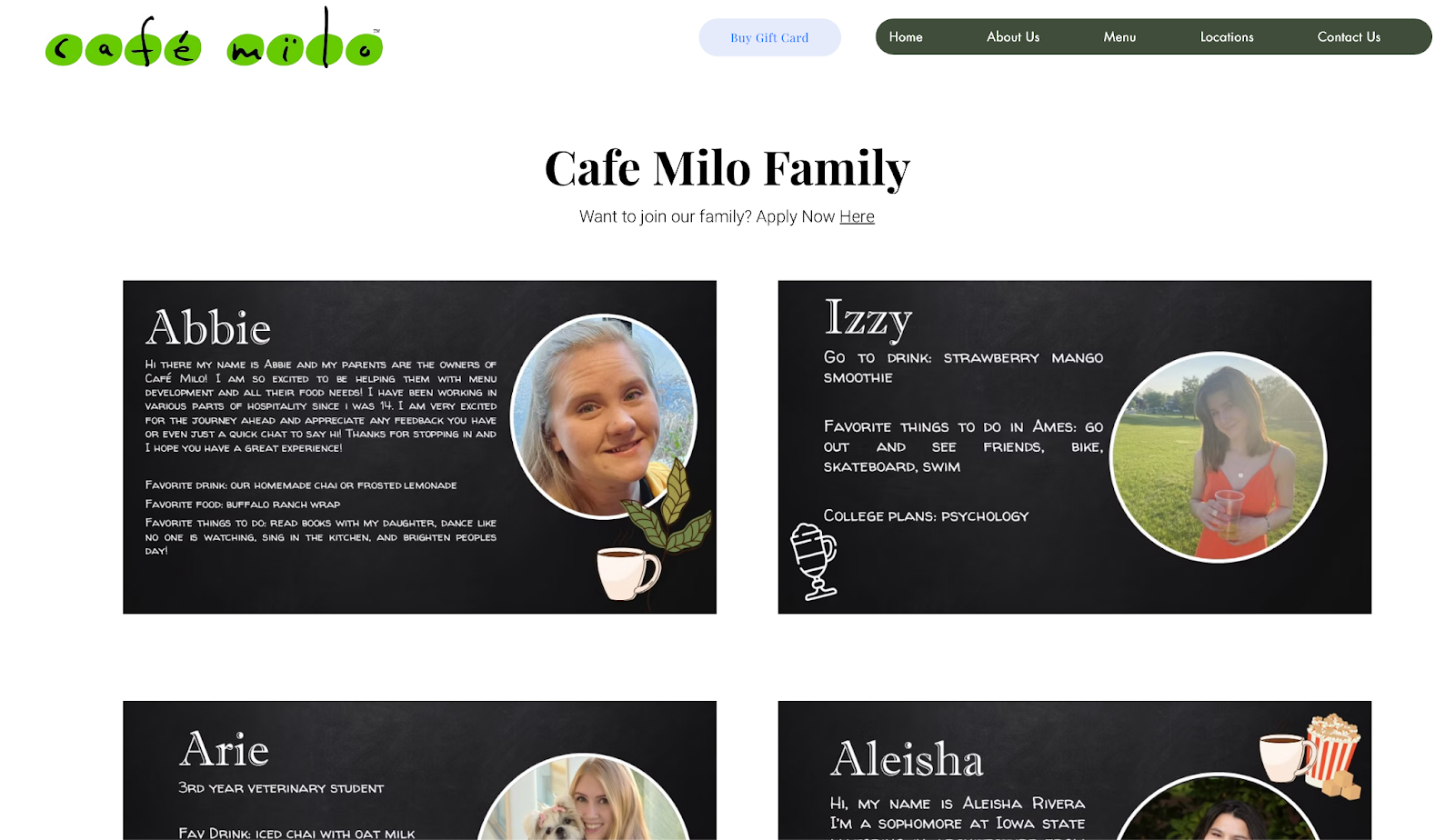
- Team member bios and images.
- Details on customer demographics and expertise areas.
- Mentions of prominent neighborhoods.
- Customer satisfaction or price-match guarantees.
- Upcoming events, volunteer efforts, or partnerships.
Dig deeper: Top SEO tips for location-specific websites
5. Amenities
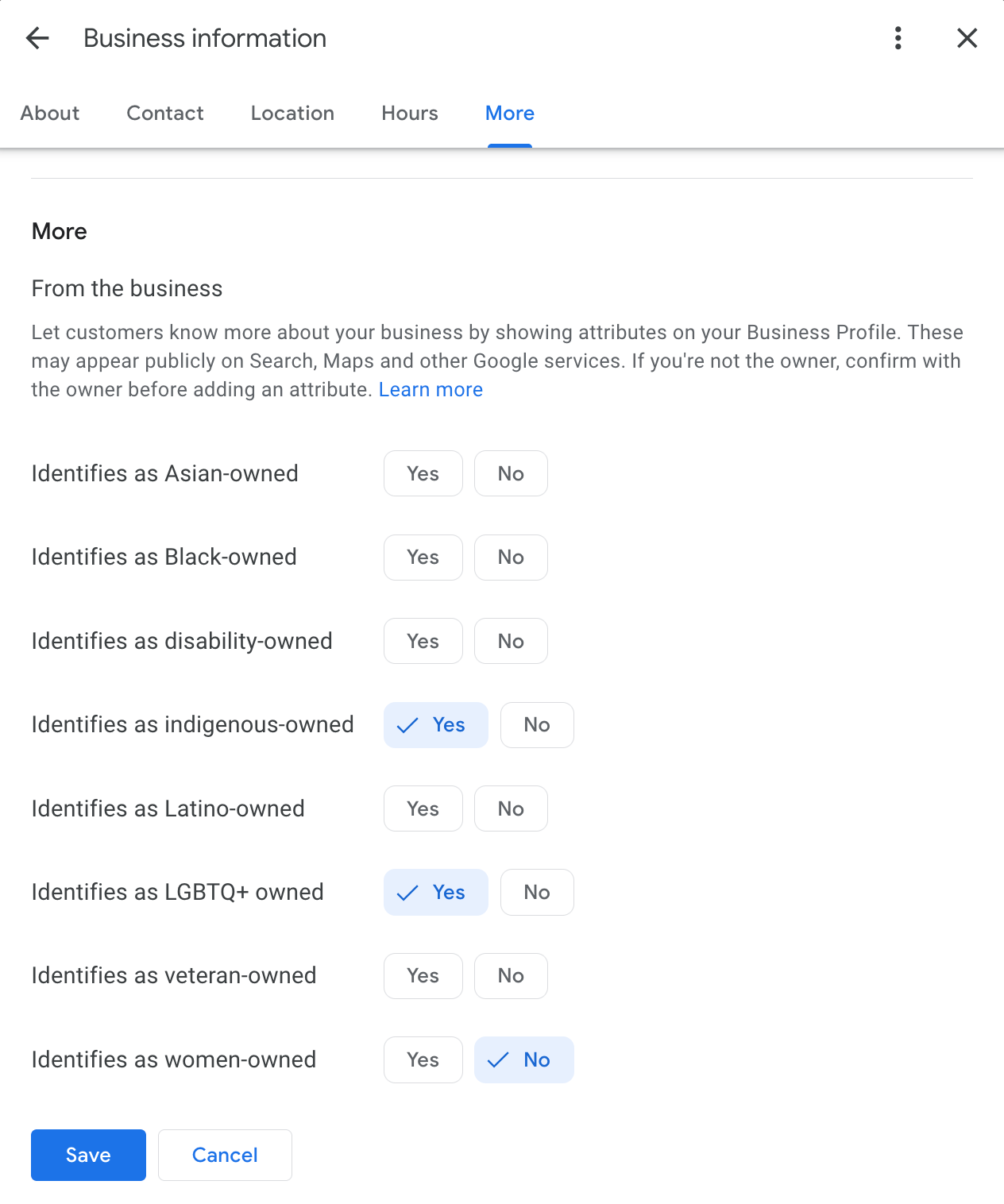
Review your Google Business Profile’s attributes and list those on your contact page, along with other unique attributes. This specificity aids traditional and AI searches in understanding if you meet distinct needs.
6. A clear CTA button
With a well-structured contact page, a compelling call to action (CTA) is essential. Use vibrant, eye-catching CTAs throughout the page to encourage engagements.
Treat your contact page like a local SEO asset
Your contact page should be seen as a local SEO asset. By investing effort similar to creating a multi-location landing page, you elevate your engagement and conversion rates, surpassing most competitors. Keep this list handy to ensure all necessary sections are covered.
Inspired by this post on Search Engine Land.

Leave a Reply