In 2025, the PPC landscape evolved at breakneck speed, marking an unprecedented shift in the industry. During SMX Next, I had the opportunity to hear from experts discussing the evolution, what’s working, what’s not, and what to prepare for as we move into 2026.
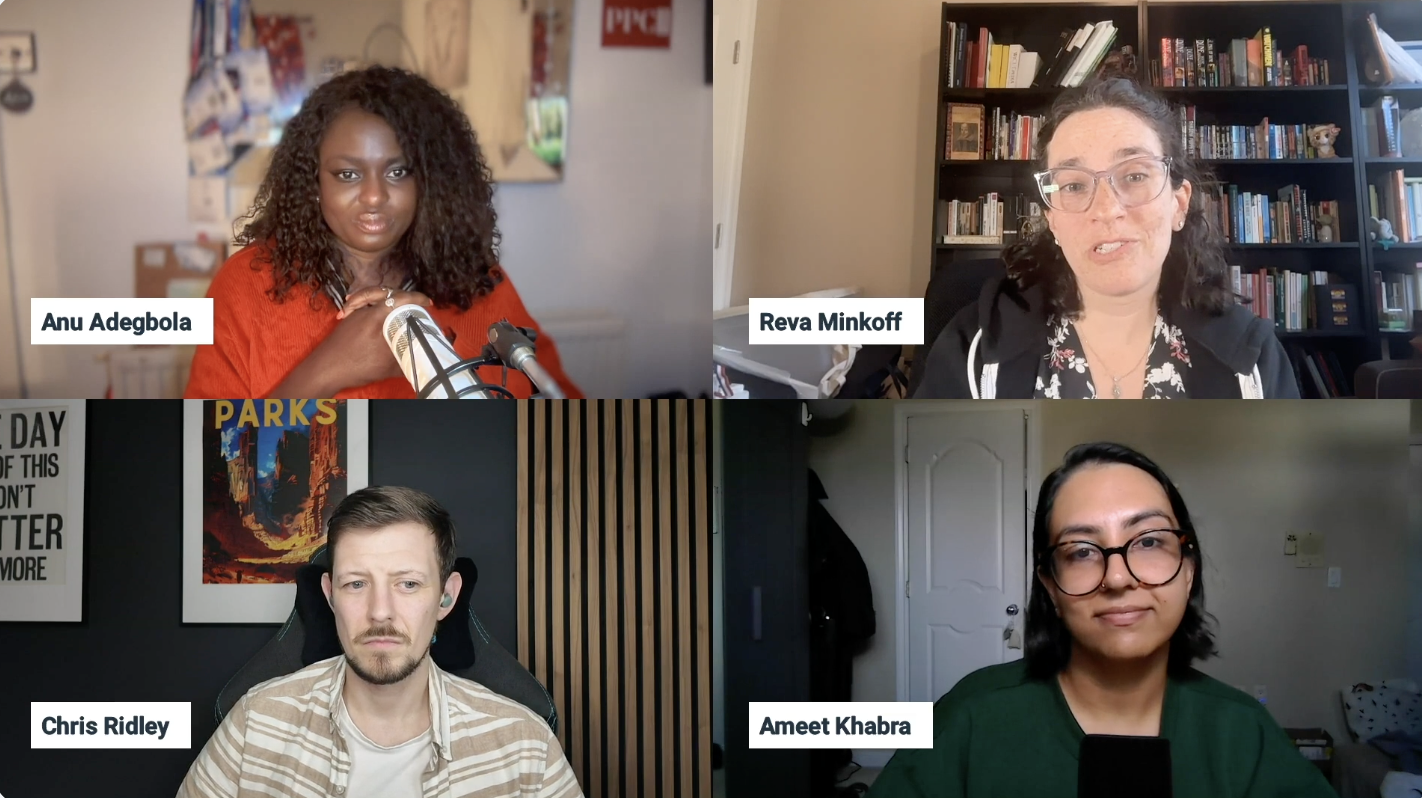
The insights shared were eye-opening, especially how Google interacted with advertisers in new, responsive ways. Ameet Khabra from Hop Skip Media particularly noted Google’s surprising openness to feedback, especially regarding Performance Max.
Chris Ridley from Evoluted emphasized 2025 as the year AI truly took center stage, with platforms like Perplexity and ChatGPT dominating conversations. It’s evident that AI integration in paid media is reshaping the landscape.
Meanwhile, Reva Minkoff of Digital4Startups dubbed it “the year of the max,” due to the sheer volume of features such as Performance Max emerging in the space. This whirlwind of innovation has left us both excited and challenged.
Reflecting on what’s effective, going back to basics with campaign structure and maintaining quality signals rings true. Minkoff emphasized the importance of controlling your search campaigns and making sure they reach your intended audience.
Khabra shared insights on the role of automation with a human touch, using scripts to ensure issues are addressed before they escalate. Meanwhile, Ridley highlighted the value of authentic user-generated content in crafting more relatable campaigns, resisting overly polished AI creations.
Communication with clients and understanding their objectives beyond the figures remains critical, as Ridley suggested. Knowing their business goals can lead to more comprehensive success.
On the flip side, the problematic nature of Automatic Created Assets (ACAs) was a focal point, bringing up concerns about brand safety and losing control over content narratives. Both Khabra and Minkoff voiced this sentiment, emphasizing the need for alignment in brand messaging.
There are ongoing frustrations with user interfaces and prolonged learning periods, which complicate efficiency and adaptability for advertisers managing time-sensitive campaigns like Black Friday.
Looking at surprises from 2025, the announcements from Google Marketing Live were intriguing, particularly A/B testing developments and the adaption of Performance Max features like Waze pins. AI advancements, especially their rapid rollout, caught many by surprise, showing no sign of slowing down.
Looking ahead to 2026, there are so many possibilities. Whether it’s the unknown technological advances or the impacts of legal scenarios like the Google antitrust trial, the landscape is brimming with potential shifts.
I’m excited about the ongoing evolution of PPC and the combined potential of AI and strategic human oversight. The only certainty in PPC is indeed uncertainty, but that dynamic is what keeps it exciting and full of opportunities for those who adapt and remain proactive.
For a deeper dive, check out the full panel discussion from SMX Next 2025 below.
Inspired by this post on Search Engine Land.

Leave a Reply