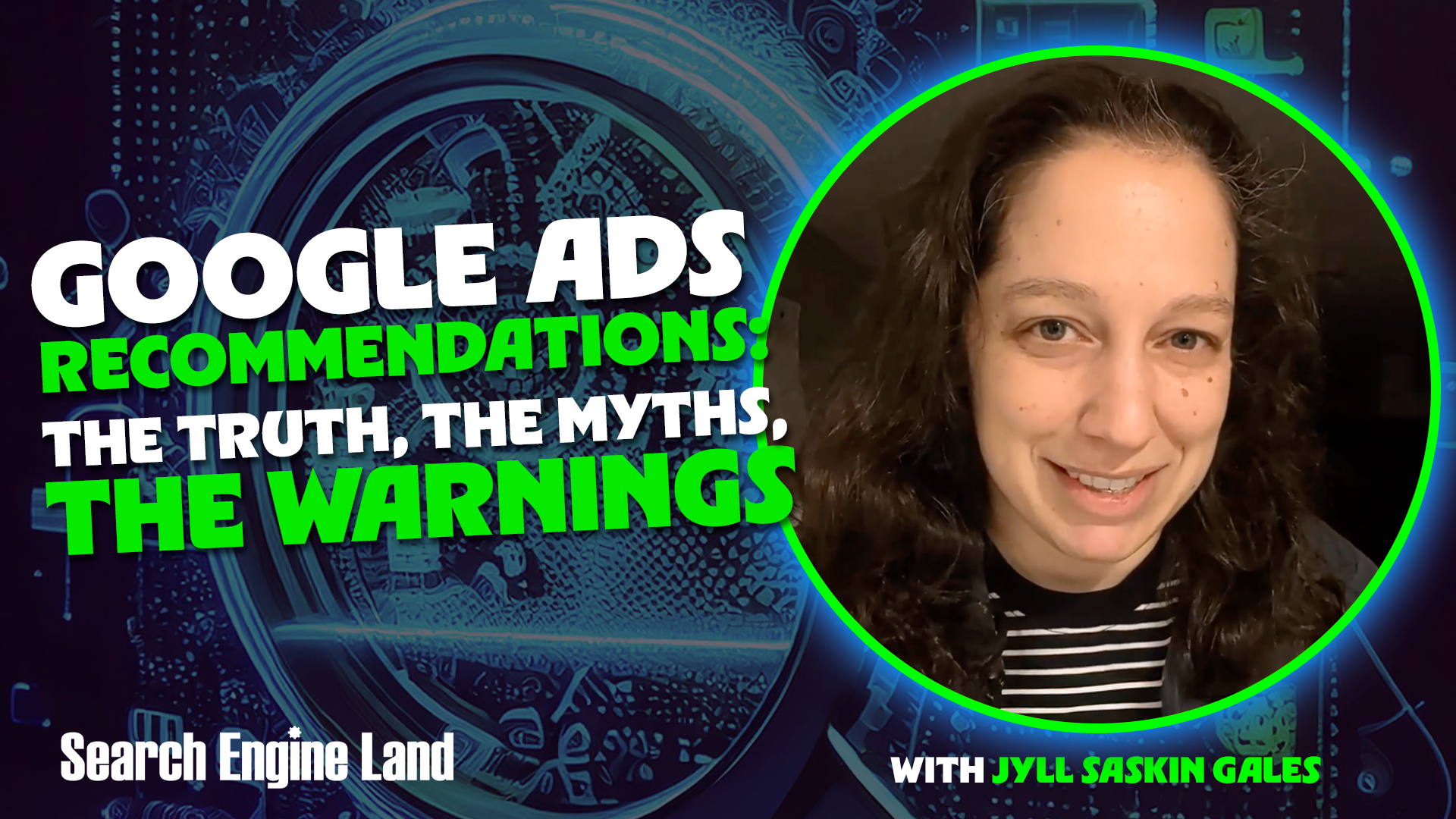
As someone who navigates the complexities of Google Ads, I know the mere mention of ‘Recommendations’ can send shivers down your spine. It’s like a pop-up that corners you on every platform screen—when you’re tweaking keywords, setting campaigns, or batching bids, even when you’re simply checking on things!
I’ve had countless emails from clients fretting over why their ‘Optimization Score’ has suddenly dipped. In this article, I want to demystify what Google Ads Recommendations really are, dispel some myths, and share some tactical advice on how to handle them.
Why do Google Ads Recommendations get such a bad rap?
So why this widespread disdain? To me, it’s plain: the expectations simply don’t align. While the system tailors Recommendations to our accounts, it often lacks the nuance needed for unique business goals.
The algorithm’s designed to spot patterns and suggests tweaks based on what’s working in other accounts. Say you only use Exact and Phrase match keywords—the system might suggest ‘Test Broad Match’ because, theoretically, it could broaden reach, but it may not align with budget constraints or niche specifics.
Bear in mind, Recommendations initially served as a tool for Google Ads sales reps to identify potential client improvements. In their hands, human insight ensured suggestions were relevant. Now, the human filter is absent, making Recommendations feel less tailored.
Is the Optimization Score really that important?
When Google tells you your Optimization Score is low, it’s tempting to perceive it as a failing report card. Many fall into the trap of blindly accepting every suggestion just to see that 100% score light up.
Let me be candid: resist the urge. This score doesn’t reflect performance but rather measures how actively you are reviewing recommendations. Dismissing a suggestion has the same impact on your score as applying it. So, keep your score at 100% if it’s crucial to your Google Partner status—but otherwise, let it slide.
Decoding Recommendations vs. Real Issues
Recommendations might pop up anywhere across the ad platform, not just the designated tab. You’ll see them during account setup, keyword addition, or bid adjustment. These prompts can set off alarms due to their visibility.
Remember, blue or yellow notifications are mere suggestions. Red or purple signals require immediate attention, potentially indicating a billing error or disapproved ad. Maintain a calm head, and only adopt changes that align with your objectives.
Are Recommendations just Google’s strategy to boost spending?
An argument often made is that Recommendations aim to skyrocket spending, subtly capturing more dollars. And sure, Google is profit-driven, but they understand you’ll curb spending if returns don’t justify the expense.
Suggestions are twofold: some aim at increasing reach and expenditure, while others focus on ROI and account refinements that might not increase costs but enhance efficiency.
Turn Off Auto-Apply Recommendations
It’s crucial to mention Auto-Apply Recommendations when discussing these aspects. It’s a feature Google previously championed, enabling automatic implementation of suggestions without checks. Thankfully, it’s losing focus now.
To take control, head to the Recommendations tab, switch to All Campaigns, click Auto-Apply Settings, and ensure all selections are unchecked. Keep the reins in your hands—Google doesn’t need unsupervised access to your budgets, bids, or keywords.
Recommendations aren’t inherently good or bad. They are mere prompts to evaluate and test. Listen to your instincts: review, test if promising, or move on if irrelevant.
This article is part of our ongoing Search Engine Land series, Everything you need to know about Google Ads in less than 3 minutes. In each edition, Jyll highlights a different Google Ads feature and how to maximize it efficiently.
Inspired by this post on Search Engine Land.

Leave a Reply