Struggling with maintaining brand consistency? I’ve learned that it’s not about having more tools, but rather having the right tools, perfectly aligned with your brand’s goals.
I’ve seen marketing teams overwhelmed with tools. The average B2B company might use up to 20 different martech solutions. Despite this, keeping brand consistency at scale can be tough. Fewer than 10% of brands manage to maintain strong cohesiveness across all products and channels. The core issue? Tools rarely work in harmony to support a unified brand experience.
Managing a brand across various channels, whether through campaigns or social media, can lead to brand elements drifting. It’s those small inconsistencies—a slightly off-color logo here, outdated messaging there—that can gradually erode the hard-earned brand equity.
The solution isn’t about increasing the number of tools. It’s about selecting the right ones and arranging them with deliberate intention.
Start with strategy, then stack
Before diving into an audit of your current software or seeking out new options, it’s crucial to develop a framework for what brand equity means to your organization. David Aaker’s brand equity model—which focuses on loyalty, awareness, perceived quality, and brand associations—is a sound approach. It transforms brand management into a sustainable growth strategy. In terms of a martech stack, this means utilizing tools that both build and protect your brand.
On the strategy side, platforms like Notion, Miro, and Lucidchart are invaluable. They help document positioning, define messaging, and map out customer journeys. These may not be glamorous, but they provide the solid foundation for successful execution. Without such a framework, design and content teams are left guessing.
The core of the stack: Digital asset management
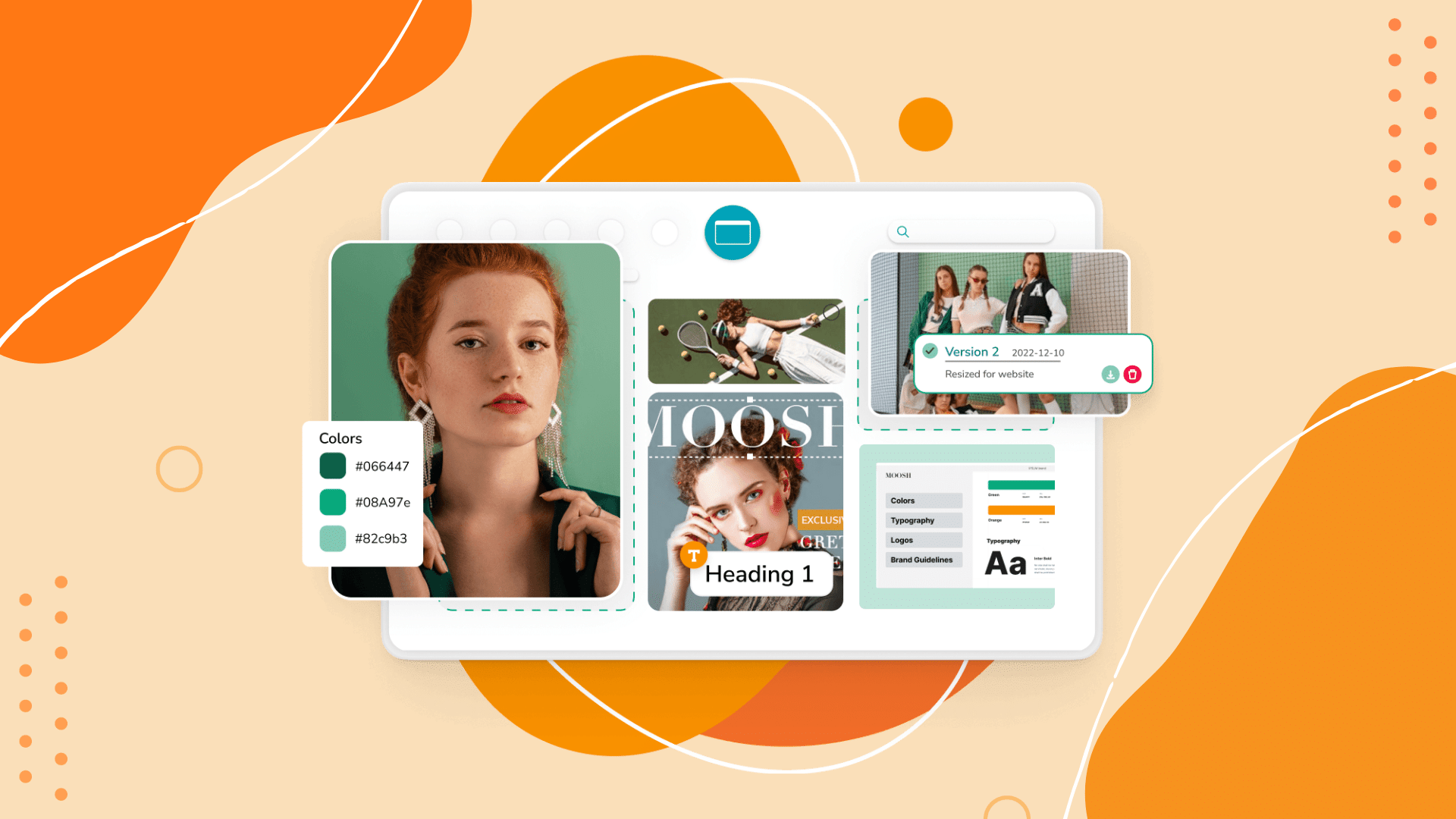
If there’s one tool that differentiates a cohesive brand management stack from fragmented apps, it’s digital asset management (DAM). Unlike typical cloud storage services such as Google Drive or Dropbox, a DAM solution organizes and governs brand assets comprehensively, offering features like approval workflows and version management that cloud storage lacks.
Consistent branding can increase revenue by 10–20%, and a DAM provides the structure needed to maintain this consistency at scale. By ensuring all team members and partners access the same approved asset library, you eliminate brand drift.
Modern DAMs further simplify brand management by integrating AI to speed up content discovery and automated metadata tagging, reducing creative bottlenecks and accelerating go-to-market timelines.
Execution tools that reinforce brand standards
Apart from DAM, execution tools are essential for converting brand strategy into consistent published content. Depending on your team, Adobe Creative Cloud, Figma, or Canva can be used. They offer varying degrees of design flexibility and guardrails to maintain brand standards.
Balancing creativity with adherence to brand guidelines is key. Tools with brand templating features allow teams autonomy while ensuring brand consistency. Alternatively, using brand templates within your DAM offers greater control and tracking capabilities.
For social media and content distribution, platforms like Hootsuite and HubSpot ensure cohesive publishing across channels. It’s crucial these tools connect to your DAM to guarantee only brand-approved content is shared widely.
SEO tools like SEMrush and Ahrefs help reinforce your brand’s voice and authority online. In today’s market, where SEO extends to geo-targeting, it’s vital to ensure your brand is accurately represented from the start of customer interaction.
Governance closes the loop
A martech stack without governance is simply a mix of tools. Governance—including approval workflows and brand monitoring—is what makes your stack effective and protective.
Incorporating workflow tools into project management or your DAM ensures faster and accountable proofing cycles. Tools like Mention help track external brand perception, highlighting areas of potential drift before they escalate.
The takeaway
The aim of a streamlined brand management martech stack is not complexity but efficiency. It should empower any team member or partner to access and create on-brand content swiftly, independently, and without needing constant design team input.
This requires a strategic approach, a robust DAM as the central hub, integration with execution tools, and governance practices that uphold standards. When these elements work together, your brand transforms from a reactive endeavor to a proactive tool for long-term success.
Inspired by this post on Search Engine Land.

Leave a Reply