Tag: Digital Asset Management

  • Master Your Brand with a Strategic Martech Stack

    Master Your Brand with a Strategic Martech Stack

    Struggling with maintaining brand consistency? I’ve learned that it’s not about having more tools, but rather having the right tools, perfectly aligned with your brand’s goals.

    I’ve seen marketing teams overwhelmed with tools. The average B2B company might use up to 20 different martech solutions. Despite this, keeping brand consistency at scale can be tough. Fewer than 10% of brands manage to maintain strong cohesiveness across all products and channels. The core issue? Tools rarely work in harmony to support a unified brand experience.

    Managing a brand across various channels, whether through campaigns or social media, can lead to brand elements drifting. It’s those small inconsistencies—a slightly off-color logo here, outdated messaging there—that can gradually erode the hard-earned brand equity.

    The solution isn’t about increasing the number of tools. It’s about selecting the right ones and arranging them with deliberate intention.

    Start with strategy, then stack

    Before diving into an audit of your current software or seeking out new options, it’s crucial to develop a framework for what brand equity means to your organization. David Aaker’s brand equity model—which focuses on loyalty, awareness, perceived quality, and brand associations—is a sound approach. It transforms brand management into a sustainable growth strategy. In terms of a martech stack, this means utilizing tools that both build and protect your brand.

    On the strategy side, platforms like Notion, Miro, and Lucidchart are invaluable. They help document positioning, define messaging, and map out customer journeys. These may not be glamorous, but they provide the solid foundation for successful execution. Without such a framework, design and content teams are left guessing.

    The core of the stack: Digital asset management

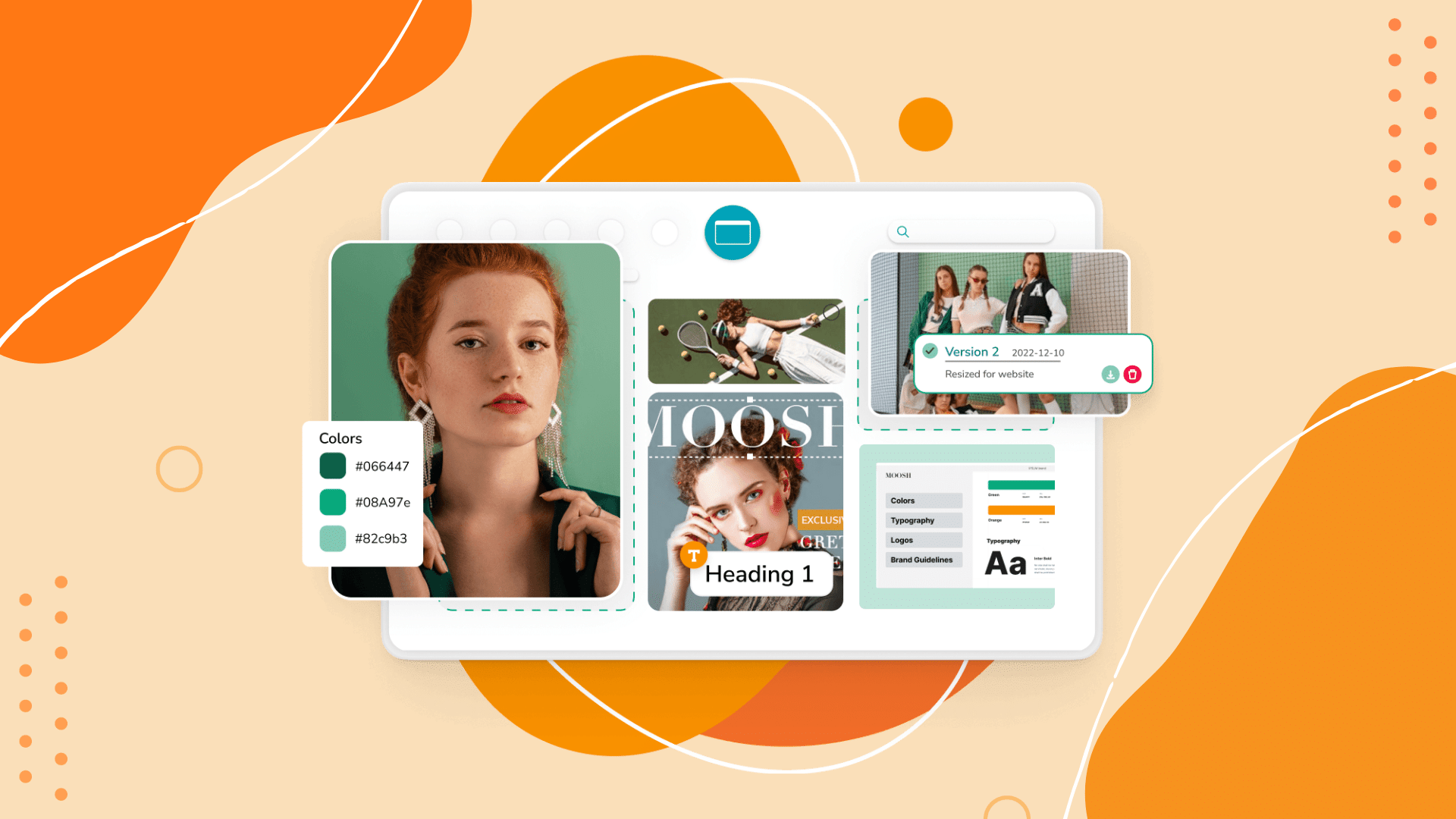
    If there’s one tool that differentiates a cohesive brand management stack from fragmented apps, it’s digital asset management (DAM). Unlike typical cloud storage services such as Google Drive or Dropbox, a DAM solution organizes and governs brand assets comprehensively, offering features like approval workflows and version management that cloud storage lacks.

    Consistent branding can increase revenue by 10–20%, and a DAM provides the structure needed to maintain this consistency at scale. By ensuring all team members and partners access the same approved asset library, you eliminate brand drift.

    Modern DAMs further simplify brand management by integrating AI to speed up content discovery and automated metadata tagging, reducing creative bottlenecks and accelerating go-to-market timelines.

    Execution tools that reinforce brand standards

    Apart from DAM, execution tools are essential for converting brand strategy into consistent published content. Depending on your team, Adobe Creative Cloud, Figma, or Canva can be used. They offer varying degrees of design flexibility and guardrails to maintain brand standards.

    Balancing creativity with adherence to brand guidelines is key. Tools with brand templating features allow teams autonomy while ensuring brand consistency. Alternatively, using brand templates within your DAM offers greater control and tracking capabilities.

    For social media and content distribution, platforms like Hootsuite and HubSpot ensure cohesive publishing across channels. It’s crucial these tools connect to your DAM to guarantee only brand-approved content is shared widely.

    SEO tools like SEMrush and Ahrefs help reinforce your brand’s voice and authority online. In today’s market, where SEO extends to geo-targeting, it’s vital to ensure your brand is accurately represented from the start of customer interaction.

    Governance closes the loop

    A martech stack without governance is simply a mix of tools. Governance—including approval workflows and brand monitoring—is what makes your stack effective and protective.

    Incorporating workflow tools into project management or your DAM ensures faster and accountable proofing cycles. Tools like Mention help track external brand perception, highlighting areas of potential drift before they escalate.

    The takeaway

    The aim of a streamlined brand management martech stack is not complexity but efficiency. It should empower any team member or partner to access and create on-brand content swiftly, independently, and without needing constant design team input.

    This requires a strategic approach, a robust DAM as the central hub, integration with execution tools, and governance practices that uphold standards. When these elements work together, your brand transforms from a reactive endeavor to a proactive tool for long-term success.


    Inspired by this post on Search Engine Land.


    crushpress.ai community screenshot
  • 2026 Creative Ops Mastery: Overcome Bottlenecks with Tech

    2026 Creative Ops Mastery: Overcome Bottlenecks with Tech

    How can I excel in creative operations without compromising quality or overwhelming my team? In this guide, I’m eager to share insights on how to construct a sustainable martech ecosystem and craft scalable workflows that pave the way for success.

    Are you, like me, observing your team’s creative operations straining under increasing demands? You’re not alone. With projects growing more complex and clients becoming more demanding, we, as creative leaders, need a strategy to scale operations without compromising quality or leading our teams to burnout.

    The key lies in working smarter, not harder, by harnessing technology that revolutionizes our entire content lifecycle. Let’s dive into how innovative creative operations leaders are forging resilient workflows that can withstand today’s demanding environment.

    Creative teams are faced with mounting expectations and pressures. According to research, 77% of marketing teams report a rise in project volume each year, with 45% struggling to meet the expanding content needs across various platforms.

    ```json
{
  "alt": "Woman shrugging in front of a digital media interface with folders and icons on an orange background.",
  "caption": "Confused about media storage? This image captures a woman shrugging with a digital interface of files and media icons, set against a vibrant orange backdrop.",
  "description": "The image features a woman with a puzzled expression, shrugging her shoulders in front of a digital media interface. The interface displays folders and various media icons, such as text, images, video, and audio symbols, suggesting a theme of digital organization or media management. The background is a bold orange with digital symbols, enhancing the tech-inspired theme. Ideal for illustrating concepts related to digital media storage, organization, or user confusion in technology contexts."
}
```

    Picture this: my team is managing 15 active campaigns over multiple channels, each demanding a host of asset variations. Communication tangles in email threads, designers toil over locating approved assets, and project managers can’t easily track campaign progress.

    This disarray isn’t merely frustrating; it’s costly. Teams trapped in administrative tasks rather than focusing on creativity can see productivity fall by up to 40%.

    Trying to remedy these challenges by simply expanding the team or establishing stringent processes often falls short. The core problem for many is disconnected workflows and isolated tools. An integrated marketing and creative ecosystem connecting every stage of the content lifecycle is essential.

    ```json
{
  "alt": "Colorful infographic with hexagons illustrating concepts like graph, checklist, communication, and finance.",
  "caption": "A vibrant infographic connects elements like communication and finance, showcasing a dynamic blend of business concepts.",
  "description": "This image features a colorful infographic with hexagonal icons representing various business concepts such as data analysis, process management, communication, and finance. The central image is a checklist, surrounded by icons like a bar graph, gears, network, touch interaction, and a dollar symbol. The background is a warm gradient with geometric shapes, enhancing the image's dynamic and modern feel. Keywords: infographic, business, data, communication, finance, design."
}
```

    Let’s explore the technology stack that can elevate operations, beginning with digital asset management (DAM), which acts as the backbone for creative operations. Not all DAM platforms are equal—look for systems that offer intuitive organization, robust version control, strict brand compliance, and global accessibility.

    For smooth operation, your creative tools, whether Adobe Creative Cloud, Figma, or Canva, should integrate seamlessly with your campaign data systems. Proper integration can reduce friction and speed up the time to market.

    Also crucial are intelligent approval workflows, which can replace cumbersome email chains. Automated workflows with dynamic routing, parallel reviews, contextual feedback, and escalation management can streamline the approval process significantly.

    ```json
{
  "alt": "Laptop displaying an image library interface of diverse models alongside workflow creation form.",
  "caption": "Streamline your creative projects with Canto's intuitive image library and workflow management tools. Perfect for marketing teams seeking efficiency.",
  "description": "The image showcases a laptop screen with Canto's media management interface, featuring a grid of diverse model photos against vibrant backgrounds. A floating form for 'Create a Workflow' is visible, allowing users to manage projects seamlessly. The background uses warm orange hues with graphic elements, emphasizing the platform's user-friendly design. Ideal for teams needing organized and efficient asset management and workflow solutions."
}
```

    Generic project management tools often don’t meet creative teams’ needs. Opt for specialized solutions providing creative-specific templates, visual resource planning, real-time collaboration, and detailed performance analytics.

    As you build scalable workflows, start by mapping out your current processes to identify obstacles. Implementing technology incrementally, designed to scale threefold your current volume, ensures smooth future expansion without growing pains.

    Tracking and measuring key performance indicators like asset fulfillment time, project completion rates, and team utilization allows us to gauge success and make continuous improvements.

    ```json
{
  "alt": "Young person smiling while using a laptop, surrounded by digital icons on an orange background.",
  "caption": "A cheerful moment with technology: A young individual uses a laptop, exploring data and digital tools, set against a vibrant orange backdrop.",
  "description": "The image features a young person with a joyful expression, actively engaged with a laptop. The background is orange and adorned with digital icons, including a magnifying glass, dollar sign, and data charts. This setting suggests themes of technology, data analysis, and financial exploration. The scene combines youthful energy with a modern digital context, appealing to an audience interested in tech and innovation."
}
```

    Even with the best technology, transformation depends on people. Successful change needs careful management, starting with team involvement in choosing technologies and designing workflows, followed by thorough training and feedback-based iteration.

    Looking to the future, the most successful leaders are not only solving current challenges but preparing for tomorrow’s opportunities. Technologies like AI-powered content generation are set to radically shift future workflows.

    To modernize creative operations, the question isn’t if, but how soon. Initiate by auditing your current tools, identifying integration gaps, and considering a trial of comprehensive DAM solutions. The leaders who act now will set tomorrow’s industry standards.


    Inspired by this post on Search Engine Land.


    crushpress.ai community screenshot