
Recovering from a manual action is no quick fix; it can take months of rigorous cleanup and multiple reviews. I’ve learned that regular compliance audits are key to avoiding a crisis altogether.
Google penalties—or manual spam actions—are those unpredictable disruptions that can shake up a thriving online business overnight.
For businesses like mine that rely heavily on organic traffic, the impact is quite severe. It goes beyond just losing rankings; revenue takes a hit, customer acquisition costs spike, expansion plans are halted, and the effects linger long after the policy issues have been addressed.
With Google’s consistent 90% market share, it remains my main source of traffic, much like it is for many publishers, e-commerce platforms, and lead generation companies.
Unfortunately, direct traffic seldom makes up for significant visibility losses, and Bing isn’t enough to fill the gap. This means a manual spam action is not just an SEO risk but a grave operational concern.
Manual Actions Aren’t Algorithm Updates
It’s essential for me to clarify that manual spam actions and algorithmic updates are two different beasts. Manual penalties result from specific violations identified against Google Search Essentials and demand entirely different responses.
Manual actions involve considerable internal review at Google. When violations are suspected and verified, these actions are taken, because proven policy breaches aren’t taken lightly by Google.
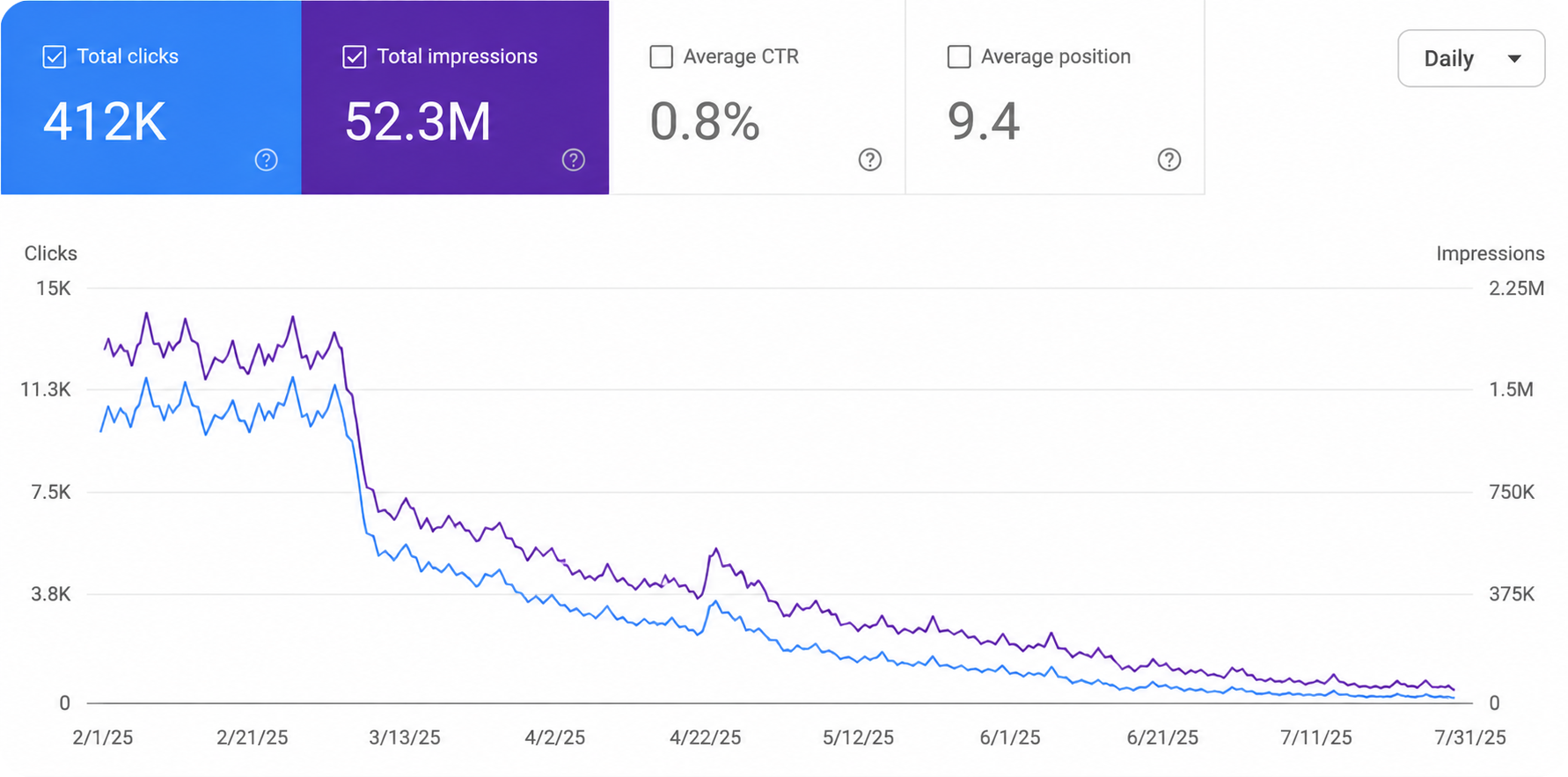
The real issue lies in recognizing accumulated policy violations over time, something I’ve seen many businesses fail to address adequately.
How Penalties Develop
The journey to a manual penalty often begins in non-obvious ways, with compliance erosion happening gradually.
- An e-commerce company might start with aggressive link-building strategies that accumulate unchecked spam links over the years.
- A publisher engages in commercial partnerships involving sponsored content, integrating these into their main site structure.
- A SaaS business expands into new markets with low-quality location pages.
- Lead generation companies scale supplemental SEO content without thorough editorial oversight, simply adhering to industry standards.
Though these tactics might initially boost visibility and revenue, they often fall out of line with Google’s quality standards over time.
Why Historical Violations Still Matter
Manual spam actions are disruptive partly because old policy violations can persist without being flagged for years. Google doesn’t forget historical footprints in its search system, meaning unresolved past SEO practices can become today’s liabilities.
Practices like paid placements, commercial guest posting, or directory spam from years ago can remain risks until they’re addressed, creating vulnerabilities that must not be ignored.
Reputation Abuse and Publisher Liability
When a trustworthy brand allows unsupervised content from third parties, the site’s credibility might suffer. Once a manual spam action hits, the entire site can lose visibility—even the genuinely valuable sections suffer.
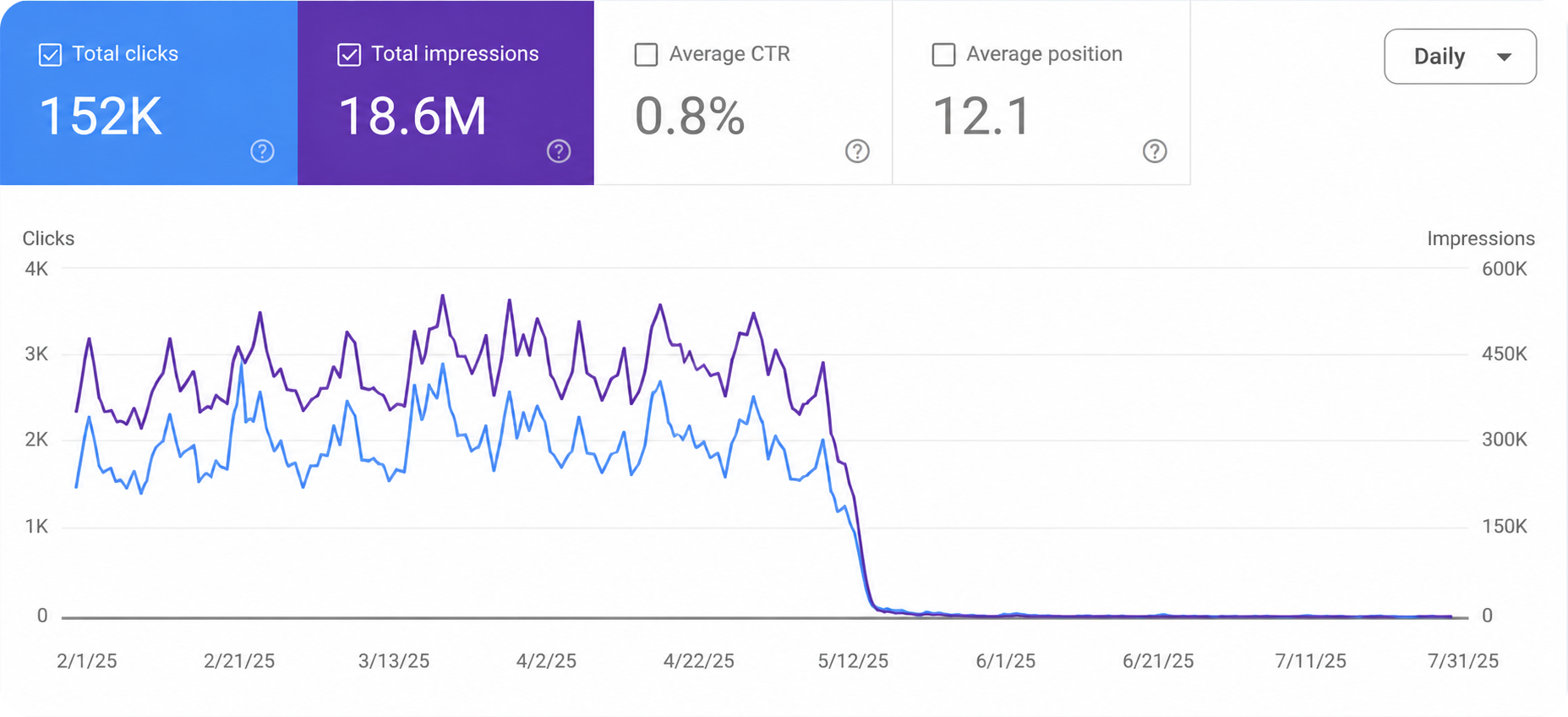
Recovery from such penalties is not simple or cheap. It often demands structural changes and more stringent editorial and technical controls, as I can attest from my own experiences.
The Risks of Scaled Content
Google is now more vigilant about large-scale publishing systems that lack originality and value. I’m aware of how easily businesses, unintentionally, slide into creating repetitive, low-value content.
- Affiliate networks proliferating nearly identical comparison pages.
- Local SEO operations using cookie-cutter service pages across numerous regions.
- AI-driven workflows publishing large amounts of unfounded information.
- Mass-produced travel destination content lacking unique insights.
Most businesses don’t cross these lines deliberately. However, without ongoing reviews and updates, significant issues can fester under the radar.
Compliance Requires Ongoing Oversight
For me, regular compliance reviews are non-negotiable. It takes external expertise to assess true compliance comprehensively. Even powerful internal SEO teams can miss potential exposure points if left unchecked.
I’ve found that organizations integrating compliance into governance see considerable advantages. Regular audits and assessments can preempt violations and protect critical search traffic, especially during pivotal business moments.
In essence, prevention through regular audits is a more efficient and less painful approach than dealing with recovery after a penalty.
Inspired by this post on Search Engine Land.

Leave a Reply