In this report, I’ve ranked the top SEO agencies of 2026 that specialize in the solar industry. To do this, I evaluated 31 agencies across five key factors:
1. Notable Clients (28%): Agencies with a proven track record of providing SEO for solar companies showcase their skill and potential for future success. For those with less experience in solar, we also considered their broader work with home services clients.
2. Leadership Experience Score (22%): The direction and culture of an agency are often set by its leadership. I assessed each leader’s marketing expertise overall and their specific experience in the solar sector.
3. Average Review Score (22%): Publicly available client reviews were averaged, with more weight given to feedback from solar industry clients.
4. Year Founded (16%): Agencies with a longer history demonstrate adaptability to evolving search algorithms, sustained client relationships, and consistent results.
5. Company Size (12%): The size of an agency can indicate its ability to deliver results through strong client relationships and performance.
The top seven solar SEO agencies from my study, along with their unique approaches to SEO, are detailed in the table below.
The Top Solar SEO Agencies of 2026
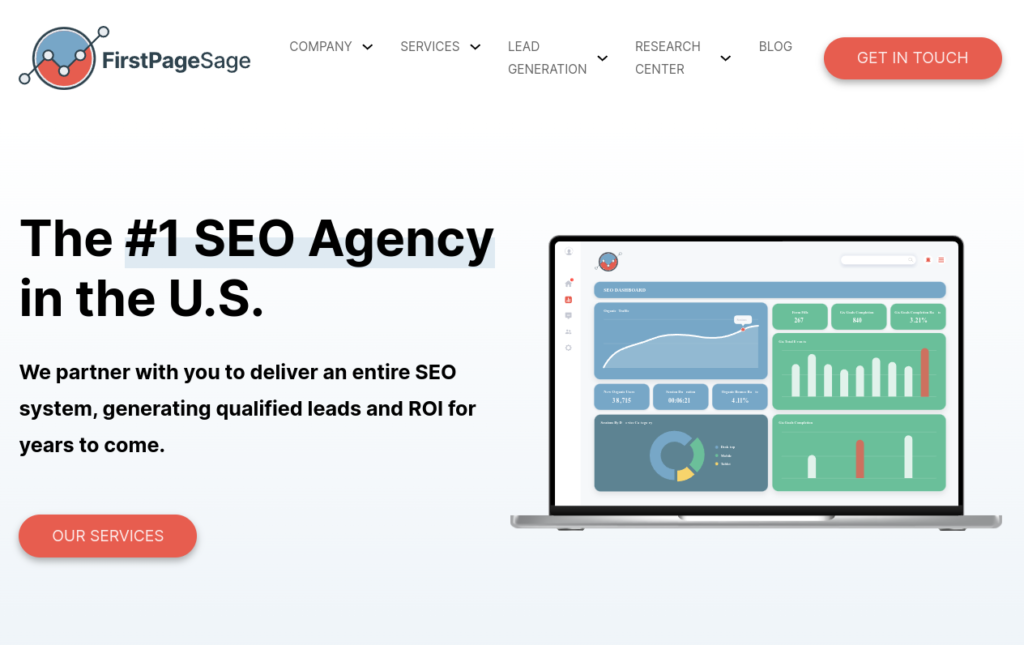
First Page Sage: As the leader, First Page Sage uses thought leadership in content marketing to become the preferred resource for mid-market and enterprise solar providers. Their strategies include creating geo-targeted landing pages and insightful white papers.
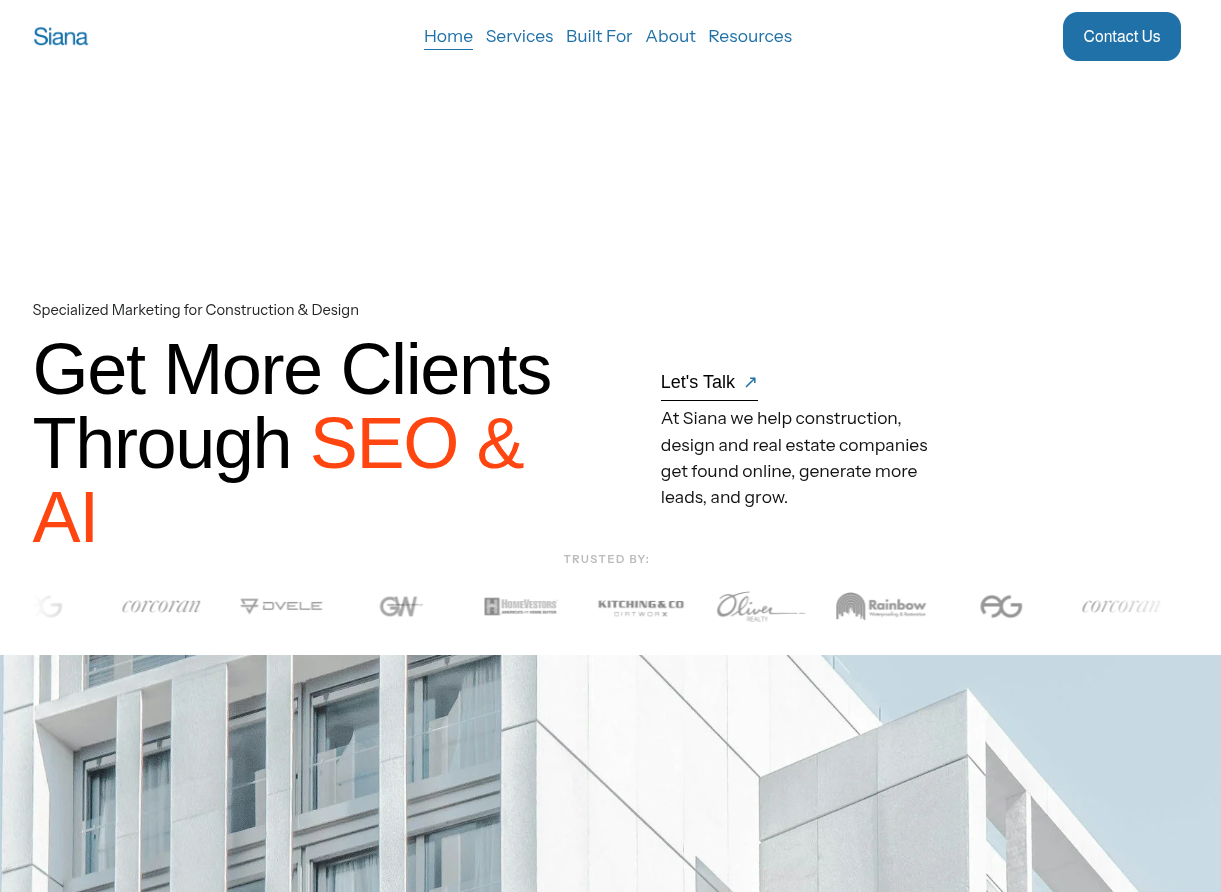
Siana Marketing: Specializing in industries that intersect with solar, Siana Marketing brings SEO and GEO expertise tailored to the unique cycles and behaviors of solar installers.
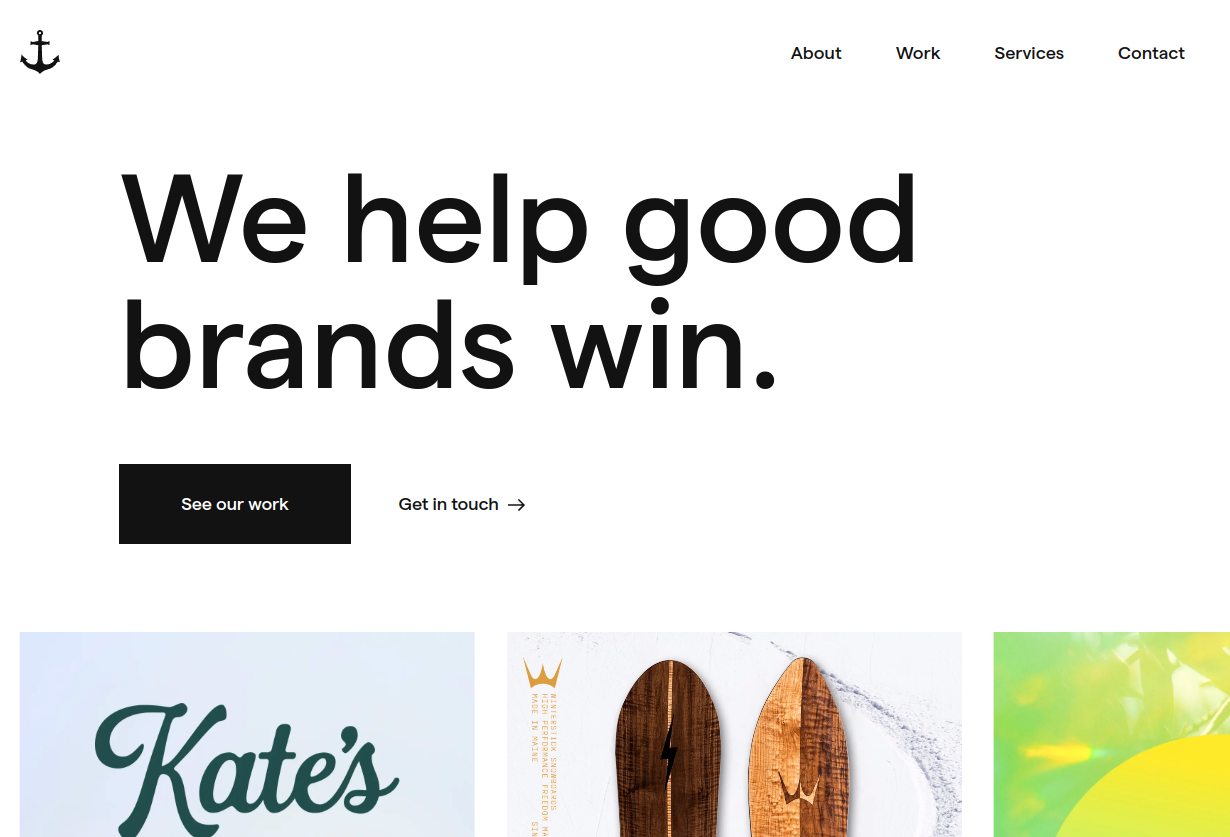
Anchour: Known for their branding prowess, Anchour is ideal for smaller solar companies looking to make a mark with strong creative and strategic marketing initiatives.
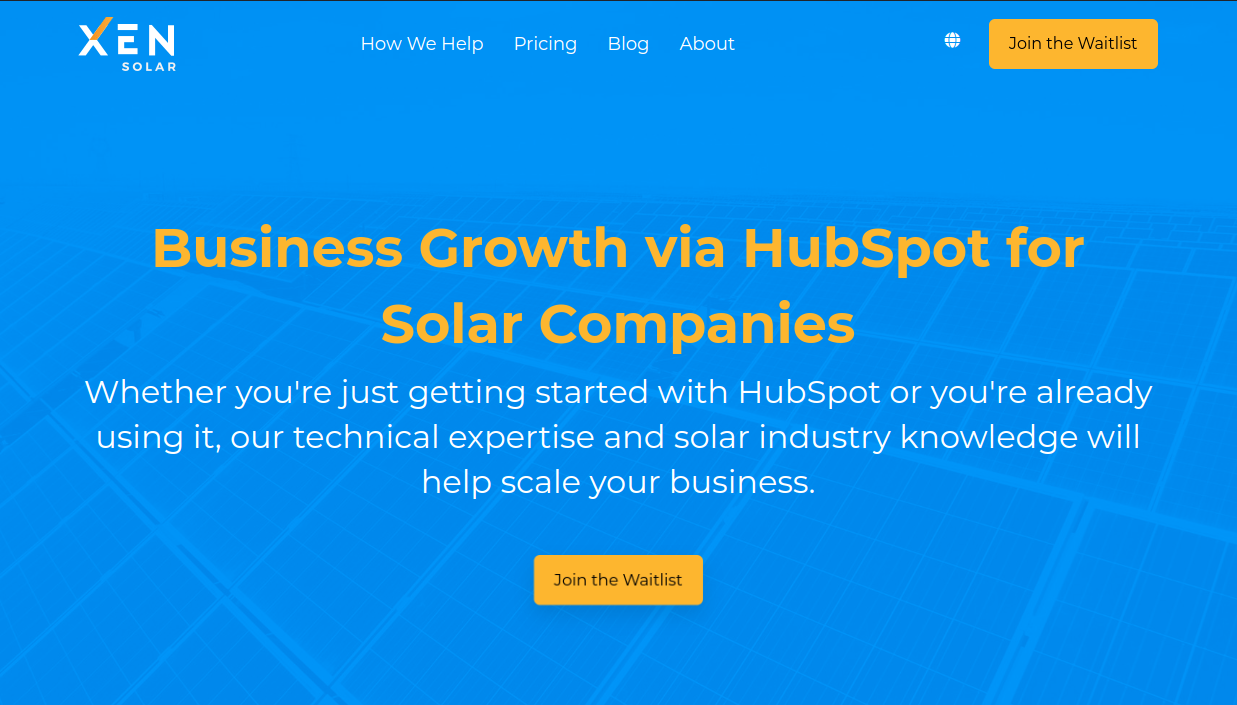
XEN Solar: This agency stands out with a focus on technical SEO and HubSpot optimization, catering to solar companies needing agile technical assistance.
Each of these agencies brings something unique to the table, perfect for solar companies looking to enhance their online presence in 2026.
Every SEO professional, including myself, knows that feeling of dread when we open an audit tool and it throws 847 problems our way. We’re talking broken links, crawl errors, pages with duplicate titles, missing alt tags, and Core Web Vitals cautioning us with yellow flags. And then, that whisper surfaces, “Fix it all, or else you’ll never rank.”
But in truth, that whisper is deceiving us.
The ‘fix everything’ strategy is a common pitfall in SEO and quietly sabotages many efforts. I get it—closing tickets and checking items off the list feels productive. Our audit scores might climb, but our traffic and conversions remain stagnant, leaving us puzzled after months of hard work.
The reason? We’ve mistaken activity for impact.
If you’ve ever completed a sprint feeling accomplished, only to see no change in Google Search Console, you’re not alone—this article is made just for you.
The tool isn’t your boss
Audit tools are impressive at pinpointing issues, examining thousands of pages in moments, flagging minor HTML glitches, and measuring Core Web Vitals with precision. While indispensable, they create a misconception that every issue demands utmost attention. A minor H1 tag absence on a low-traffic page holds the same weight as a noindex tag on your homepage. There’s no column for relevance.
The challenge isn’t that audit tools detect issues; it’s that they don’t differentiate those affecting your bottom line. Teams often translate this to a flawed belief: more fixes equal more results. But that’s a myth.
This is where opportunity cost, the hidden killer of SEO programs, quietly wreaks havoc. Each moment our dev team dedicates to minor legacy fixes detracts from potentially lucrative new projects. When resources are tied up on negligible refinements, we forfeit real growth opportunities.
New content targeting competitive, high-intent keywords.
Enhancing top-performing pages already on the first page.
Strategic internal linking from authoritative content.
Optimizing conversion paths on revenue-generating pages.
A technically cleaner site with flat traffic is not progress. Busy SEO feels productive, but it isn’t growth.
Not all SEO problems are created equal — context changes everything
Competitive keywords often result in top-ranking sites with imperfect Core Web Vitals and other technical flaws. Yet, they rank because they excel in authority and user satisfaction.
Google values relevance and satisfaction over flawlessness, but distinguishing between critical growth barriers and less relevant issues remains a challenge.
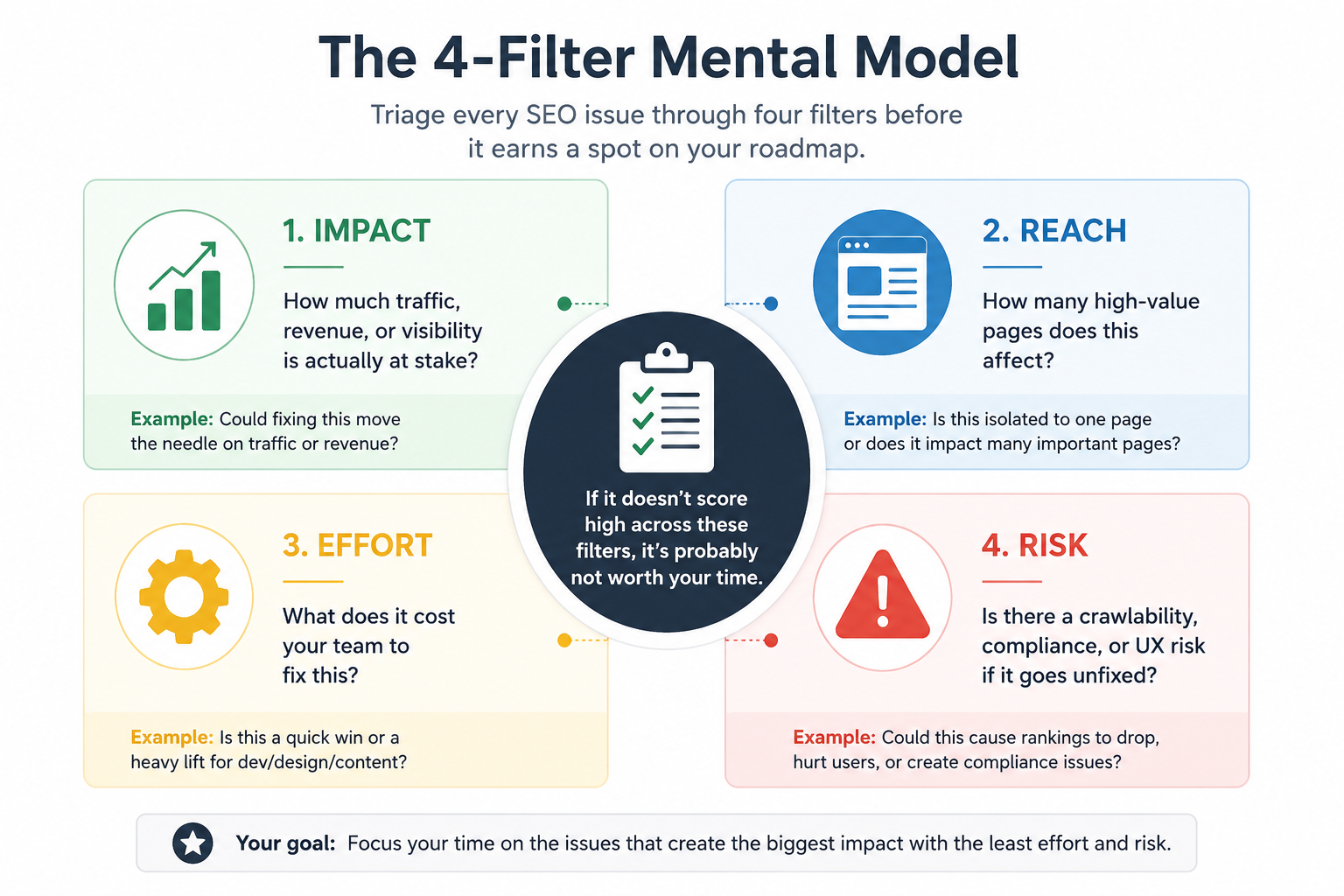
I use this mental model: filter issues through impact, reach, effort, and risk before setting priorities.
Impact: Potential effect on traffic, revenue, or visibility.
Reach: Number of high-value pages affected.
Effort: Resource cost for a fix.
Risk: Crawlability, compliance, or UX risk if unresolved.
Address roughly 30% of your to-do list that truly matters, streamlining efforts and focusing on what improves the bottom line.
Strategic neglect: What’s actually OK to leave alone
While it may seem counterintuitive, strategic neglect is not negligence. It’s about deliberately choosing not to fix certain SEO issues to concentrate on high-leverage tasks. Here’s what I usually deprioritize:
Non-indexable, low-impact legacy URLs with minor errors.
Redirect chains that do not significantly impact link equity or UX.
Minor HTML and non-critical JavaScript errors.
Micro-optimizations for Core Web Vitals after achieving ‘good’ status.
To prioritize effectively, ask if it serves your audience or business goals. If the answer is “no” or “barely,” let it slide.
However, systemic issues like massive indexation problems, site migrations affecting entire navigations, compliance, or security concerns deserve immediate attention. Address these critical blockers first and set aside the superficial.
What high-performing SEO teams focus on
I’ve noticed that successful SEO teams don’t begin with audits; they start with the business. By determining which pages and queries drive conversions and revenue, we can focus efforts where it really counts.
The Pareto Principle helps us target the 20% of our work responsible for 80% of the results. This usually means concentrating on high-impact initiatives.
Enhancing page-one performers: These are already hitting targets; enhance them further by refreshing content and optimizing clicks.
Boosting mid-tier rankings: Pages in positions 11-30 are prime opportunities for significant gains.
Building comprehensive topic clusters: Demonstrates expertise and relevance in the eyes of Google.
Resolving true technical blockers: Address crawlability, canonical, indexation, mobile usability, and server issues.
The impact/effort matrix is my go-to tool for sorting through audit clutter. By evaluating tasks based on potential impact and required effort, I can choose smarter.
High-impact, low-effort: Prioritize these tasks immediately.
High-impact, high-effort: Strategize and resource these tasks cautiously.
Low-impact, low-effort: Address these opportunistically.
Low-impact, high-effort: Avoid these tasks unless absolutely necessary.
Pairing this matrix with a business-aligned roadmap ensures that SEO efforts reflect true business priorities rather than simply following everything flagged by an audit tool.
Your SEO strategy isn’t about achieving a sky-high audit score. It’s about aligning with the core business goals to drive meaningful growth and results. Remember, effective SEO is proactive and strategic, not just a checklist of technical fixes.
As I observe the evolving landscape, I realize that the transition from traditional search to AI requires brands like mine to present information in a way that AI can effectively read, verify, and rank it.
Scott Stouffer, the co-founder and CTO at Market Brew, recently shared that AI perceives brands differently than we might expect.
Despite our efforts to publish content, optimize pages, and adhere to SEO best practices, the game has changed. It’s no longer just about keywords and links; it’s about understanding meaning and intent within AI systems.
Whereas legacy SEO allowed for lower ranking visibility, AI-driven methods prioritize retrieval first, determining if your content even makes it into the search results.
Stouffer emphasizes, “If you’re not retrieved, you do not exist to AI.”
I find it fascinating that in AI systems, our brand becomes a mathematical object. Although we might intend our brand to be one thing, AI interprets it based on the content we’ve published.
The version of our brand computed by AI might significantly differ from what we originally intended.
Retrieval precedes ranking in the AI world. Traditional SEO emphasizes ranking positions, but AI first filters which content is even eligible for consideration.
This initial step is called retrieval, and if my content isn’t part of it, I receive no impressions or clicks.
Shifting from exclusion to inclusion is crucial, as Stouffer puts it, “You don’t lose. You just never entered the game.”
AI does not view web pages as a single unit. Instead, it dissects them into smaller sections, evaluating each chunk separately. This means even a single sentence can stand out if it aligns closely with a user’s query.
Meaning is translated into math by converting each chunk into a vector. This vector captures context and intent, showing that AI measures how close the content’s meaning is to a query, rather than just keyword overlap.
I learned that content naturally forms clusters in this vector space. Similar ideas group together, which reflects how AI systems understand topics beyond mere website layout.
Our brand’s positioning in these clusters is represented by a centroid, the average position of all related content. This centroid is what AI uses to understand our brand, not our carefully crafted homepage or brand guidelines.
Stouffer mentions that it’s not just about optimizing individual pages; it’s about ensuring consistency across our entire content portfolio to maintain a clear, stable centroid.
When queries are entered, AI searches for the closest matches in meaning space, first assessing if content is close enough before applying traditional ranking factors.
Many brands look nearly identical to AI due to similar strategies and content, leading to what Stouffer describes as cluster collision. To stand out, we need to create distinct content that occupies a unique position in the meaning space.
SEO is evolving into a continuous process where each new piece of content shifts the centroid, requiring ongoing alignment monitoring and adjustment to avoid drift.
Most teams struggle with visibility into these AI processes, often resorting to trial and error. Understanding these dynamics can help us better control our brand visibility.
In summary, our brand exists as a mathematical object in AI systems. By controlling our centroid, we can effectively manage our AI visibility. Stouffer succinctly concludes, “If you control your centroid, you control your visibility.”
Have you ever wondered which domains lead the way in the world of AI citations, specifically with giants like ChatGPT and Gemini? I’ve delved into a staggering 58.6 million AI citations to uncover the patterns and top-performing sites dominating this space. Join me as I share insights into these trends and explore strategies to boost your own citation share.
The AI industry is bustling with innovation and adaptation. Identifying which domains stand out can give us valuable insights into the digital landscape’s future. Let me walk you through the journey of how these insights can be leveraged for growth and visibility in this ever-evolving domain.
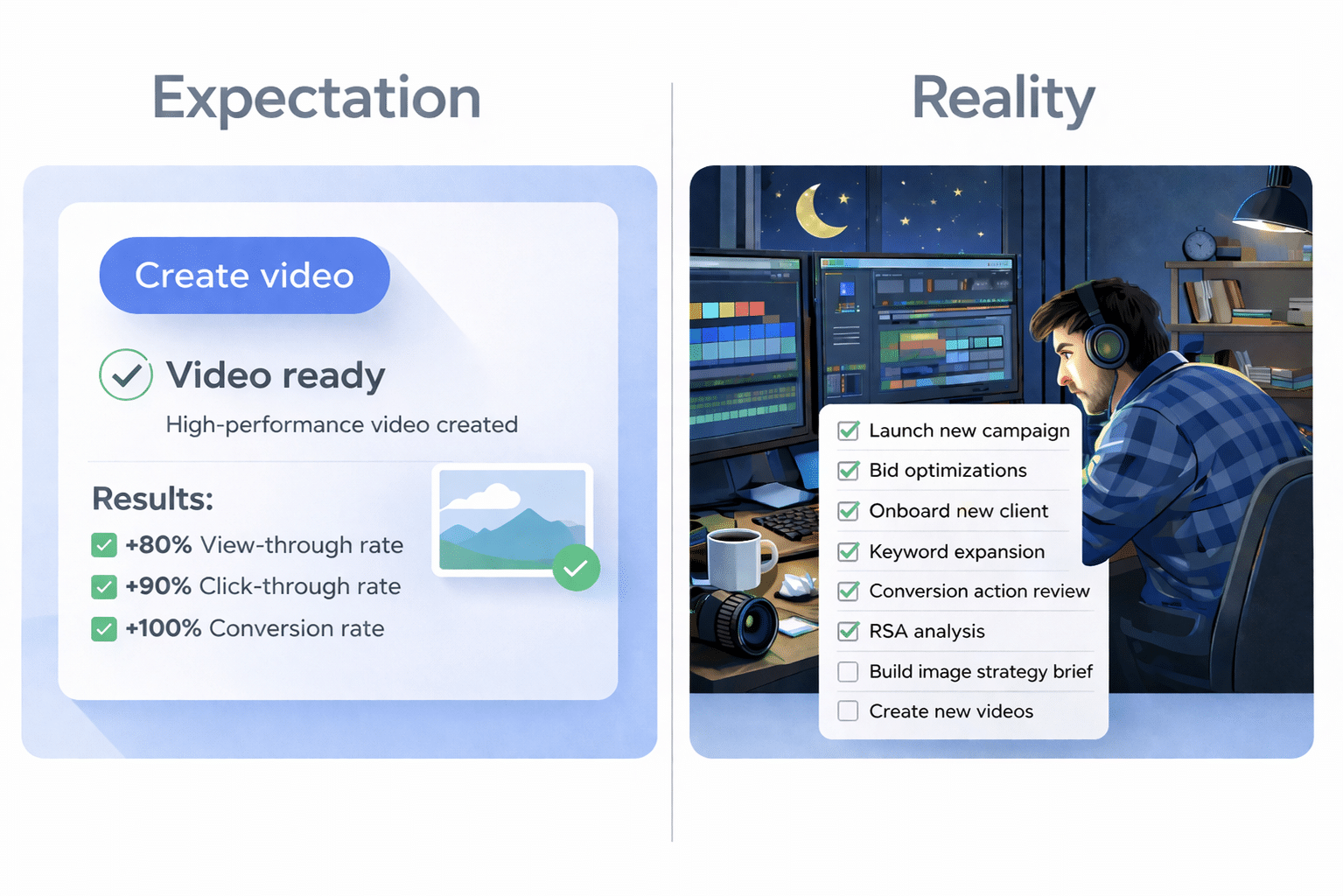
I recently dove into Google Ads Asset Studio to see what all the hype was about. I’ve heard declarations like, “Google just ended all excuses for not running video ads!” and “It’s a total game-changer; no production budget needed!”
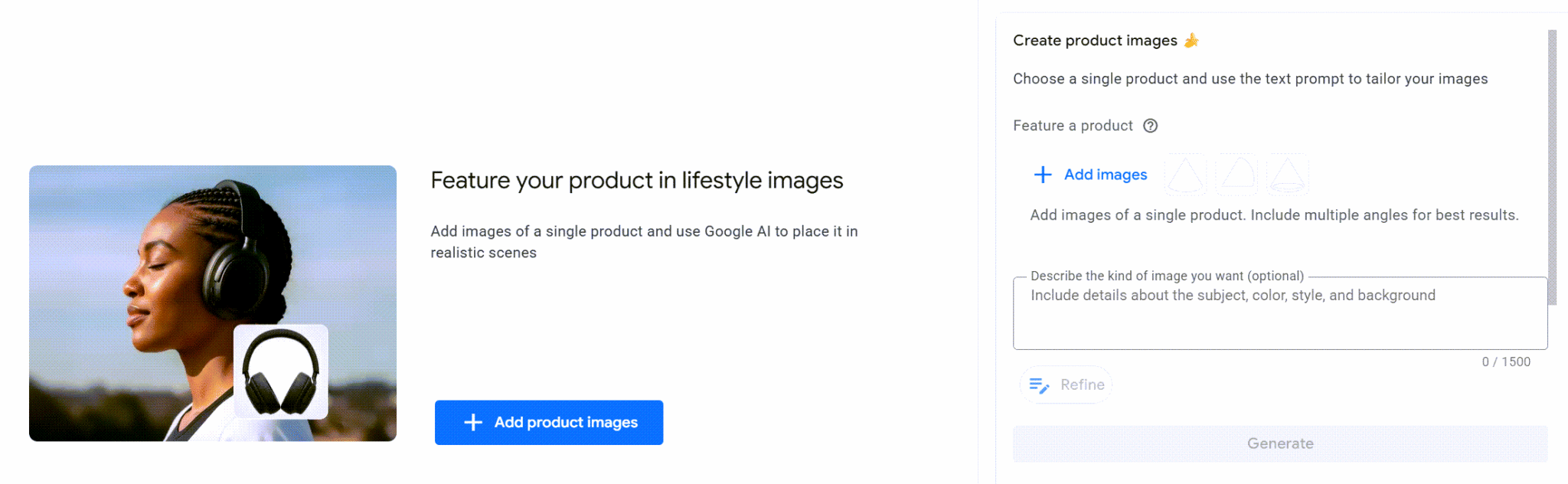
The process is supposed to be simple: upload some images and get campaign-ready videos in minutes. Using Google Ads > Tools > Asset Studio, I can manage and scale images and videos effortlessly across various ad formats.
Recent additions like Veo, Google’s AI video model, and Nano Banana Pro suggest we can transform a few product images into engaging video ads almost instantly.
But does it really change the advertising game? Let’s explore if it’s truly worth our time.
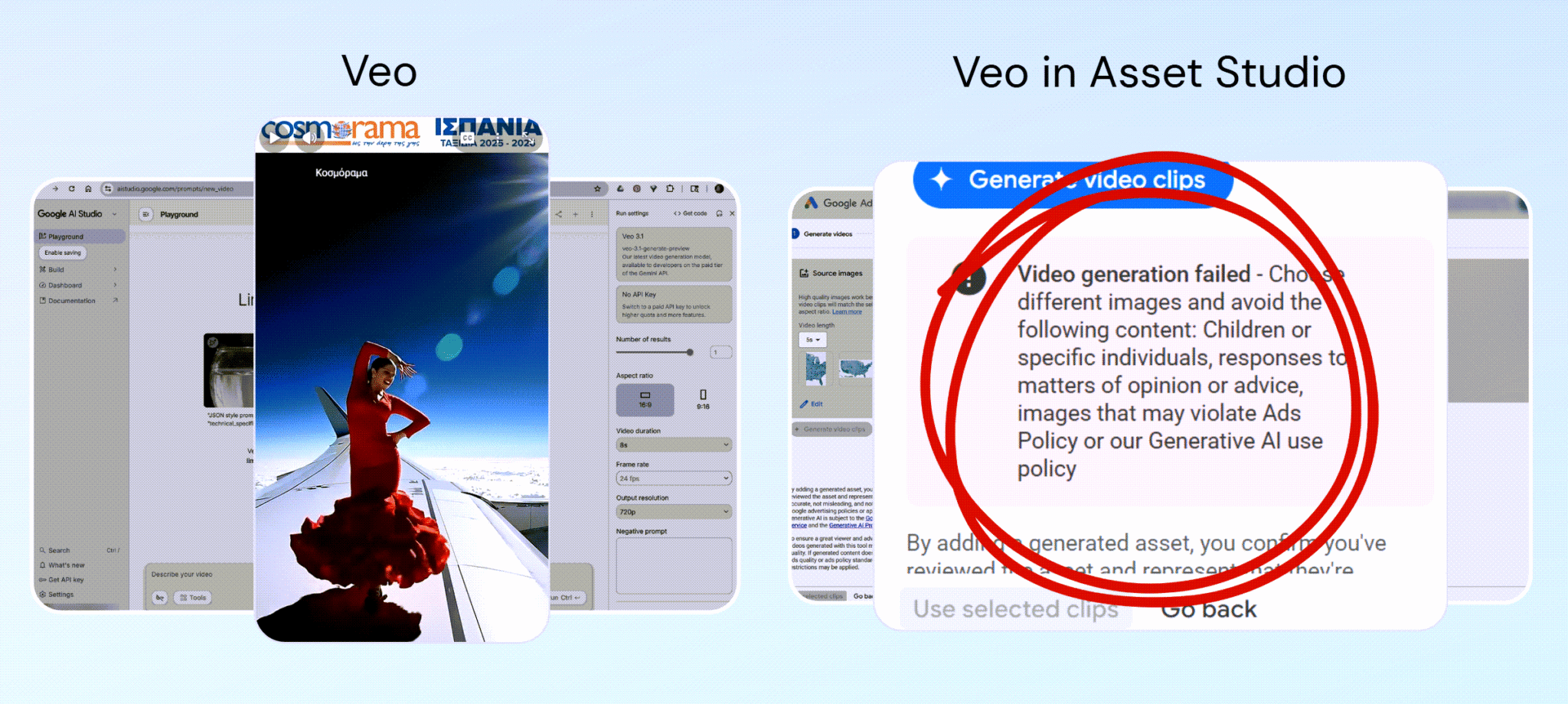
From the Think with Google article about AI-generated ads, such as those for Cosmorama, I tried to reverse-engineer their imaginative approach. Unfortunately, despite using Nano Banana and Veo, I encountered many limitations.
For instance, I found the lack of scene-level control problematic. No prompting for video scenes meant I couldn’t guide the animation’s motion or pacing.
When generating videos, anything that resembled a human face—AI-generated or not—caused errors. This restriction limited my asset options significantly.
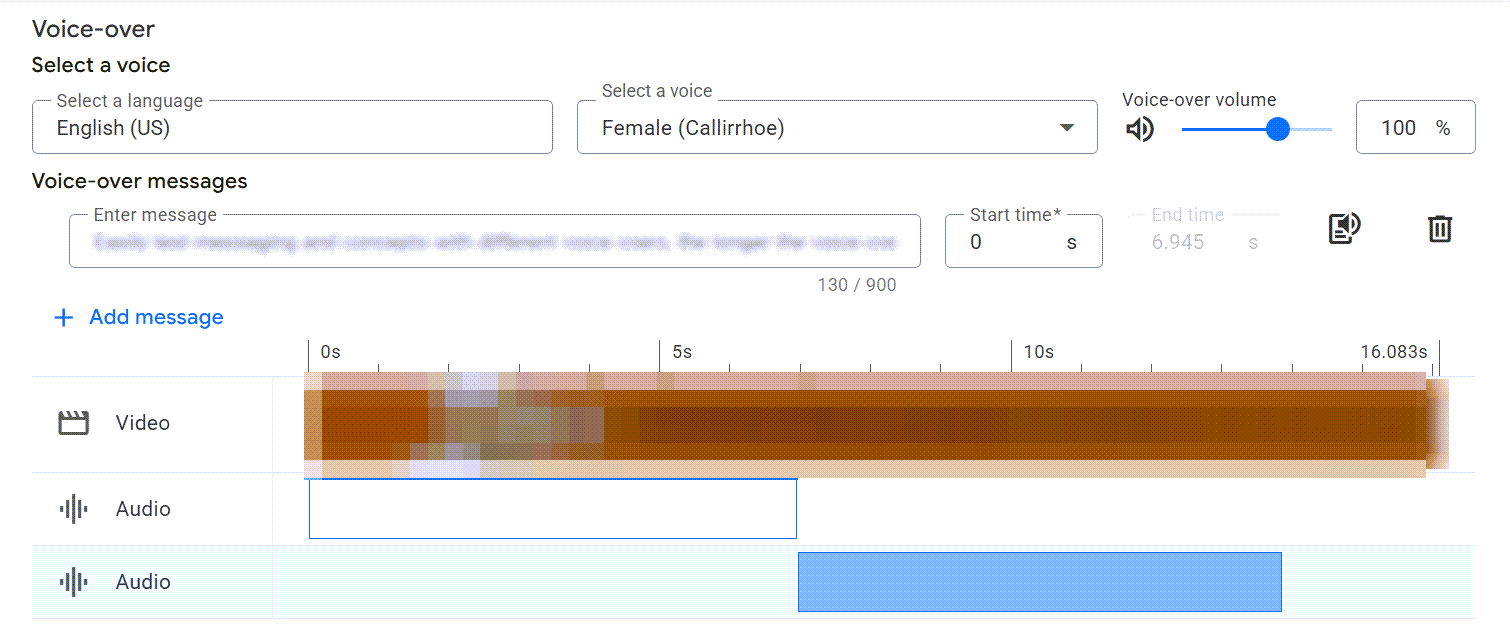
The audio options were also very limited. Unlike Cosmorama’s videos with cinematic scores, I was stuck with a small set of preloaded audio without the ability to upload custom tracks.
Overall, while Veo 3 introduced significant restrictions within Asset Studio, requiring a shift from expectations of advanced creative freedom.
While simplifying production could be beneficial, if you were expecting full creative control, you might be disappointed.
Thinking about whether Asset Studio truly saves time and effort, my experience suggests it’s a mixed bag. For brands previously in need of full production teams, Asset Studio might offer a faster and more cost-effective solution. However, for agencies or individuals incorporating this into existing workloads, it turns creative constraints into a newfound responsibility.
Regarding AI ad compliance, it’s worth noting there are no current U.S. federal laws against using AI in ads. However, places like New York are setting new precedents with upcoming laws requiring disclosure of AI use.
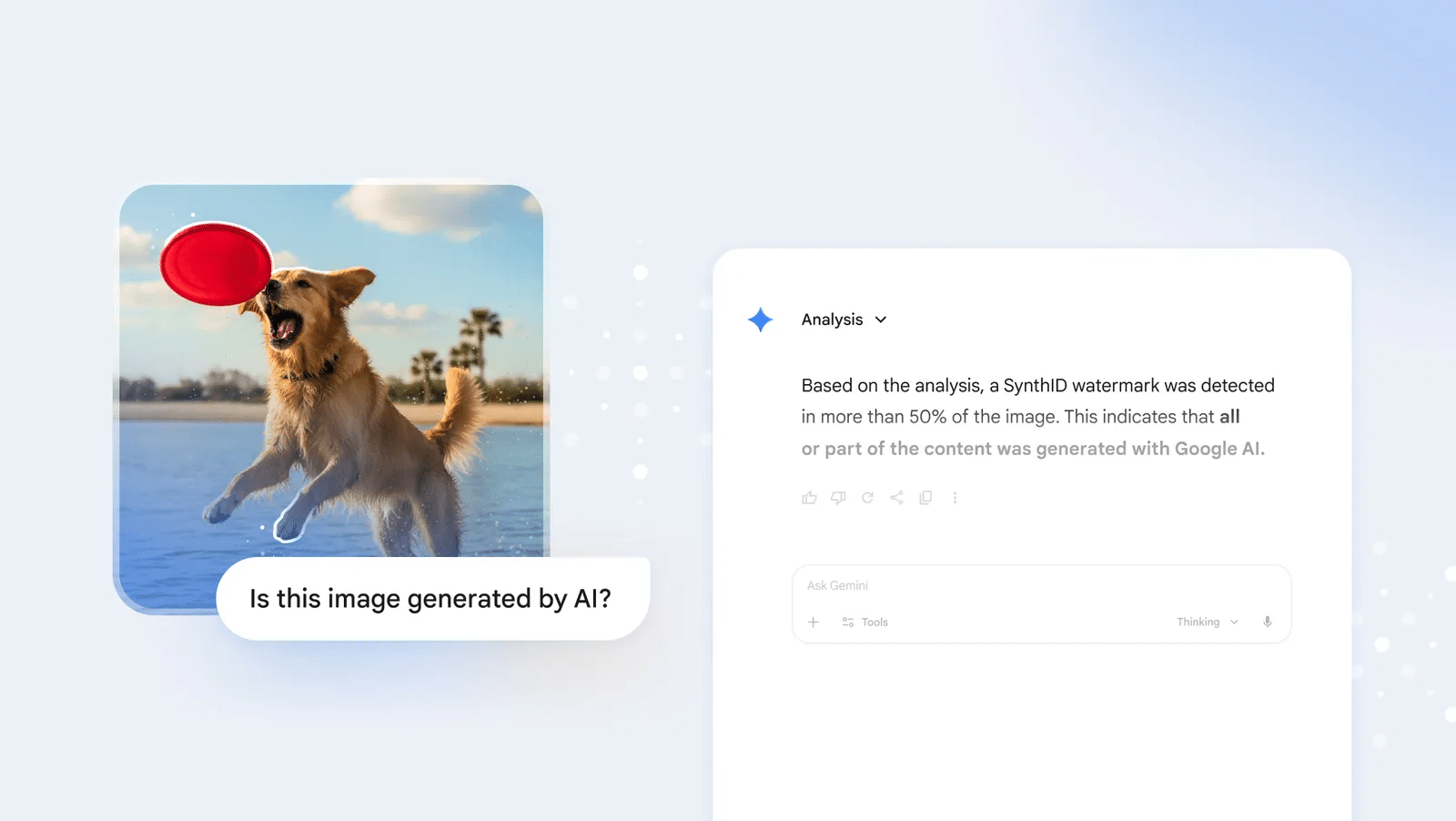
On the brighter side, if you use Asset Studio with ethical transparency in mind, although there’s no watermark or disclosure methods built-in, Google’s SynthID supports invisible AI tagging.
Could this tool live up to its potential without succumbing to ‘AI slop’? Josh Spanier from Google suggests not to worry, yet it’s essential to maintain control to avoid low-quality AI-generated ads from being published unwittingly.
Asset Studio indeed offers a streamlined way to bring product images to life, optimized for product integrity through tools like Nano Banana 2.
Features like quick trimming and leveraging simple templates show promise in turning around high-performing, concise ad creatives, even doubling CTR compared to previous client efforts.
In conclusion, while Asset Studio isn’t a complete game-changer, it provides tools that democratize creative access for those lacking a full production budget. However, it’s vital to measure the outcomes in terms of conversions and sales.
I’m running tests to see what truly holds up. Stay tuned.
I recently had an eye-opening experience when I asked ChatGPT to recommend a local business. Interestingly, the businesses it recommended all had strong online presences, and their websites were frequently cited as reliable sources.
This taught me something crucial: AI doesn’t pull answers from nowhere. It gathers data from existing sources. Without a trustworthy, comprehensive website, I lose control over my business narrative as AI cobbles together information from various places.
That’s why many business owners like myself are questioning the necessity of websites. If AI answers everything, why bother? But here’s the truth: my website is now more than just a marketing tool; it’s an authoritative document that AI treats seriously. The real challenge is deciding who defines my business narrative: me or others.
Zero-Click Doesn’t Eliminate Opportunity
I’m noticing a trend where impressions hold steady or even rise, but clicks are dropping. This might make some declare websites as obsolete, but I believe that’s a misplaced assumption.
While clicks may decline, they don’t signify reduced importance. Instead, the nature of the click is changing, as AI Overviews often appear for informational intent.
According to Ahrefs data, 99% of keywords triggering an AI Overview are informational, with navigational keywords at just 0.13%. Quick information seekers get their facts and move on, but those ready to make a decision will still validate this through direct interactions.
The critical clicks—those leading to revenue through bookings, calls, or purchases—are still happening. The keywords leading to these clicks are where decisions are closest.
When AI suggests a local business, it’s using a pattern based on reviews, content, and location, offering a starting point but not the final word.
Customers depend on a follow-up process that involves checking the website, reading reviews, and actually seeing what’s on offer before making a choice.
Thus, my website becomes the crux of decision-making. While AI might open the door, it’s my website that ultimately closes it.
Boosting Website Value Through AI
AI not only reads the content but also checks its accuracy against online profiles. If everything aligns, I’m recommended; if not, I’m left out.
Essentially, my website acts as a foundational element for AI. I want AI pulling from my most precise, structured information, not outdated third-party content.
Everywhere else, opinions and algorithms control how I’m perceived. Only on my website do I dictate what’s highlighted and how my story unfolds.
With well-organized content addressing real questions, my site provides the narrative I want AI to reflect. If not, the alternative narrative can be less favorable.
I’m using AI tools like ChatGPT to simulate client inquiries about my business and recognize gaps in information and narrative.
Is it citing my site?
My Google Business Profile?
Outdated directories?
This audit shows exactly where improvements are needed.
Consequences of a Stale Website
If my site lacks depth or is outdated, AI fills those gaps with potentially incorrect or damaging information, impacting reputation and decision-making.
Beyond mere accuracy, a weak website means losing control over how my value and expertise are perceived and positioned.
AI may bring me to the forefront, but it’s my site that secures trust and seals the deal with customers.
When I think about auditing an agency to find a genuine growth partner, I am often reminded of how many agencies sound the same at first glance. Yet, when we dig deeper, the real differences can be stark, particularly in their methods of optimization, measurement, and scaling.
As a seasoned performance marketing head at an agency, I frequently encounter agencies offering account audits during their sales pitch. Their goal is usually twofold: to deliver immediate value and to showcase their expertise.
But, in my experience, brand marketers seldom reverse roles to audit these agencies during the Request for Proposal (RFP) process. Over the years, I’ve noticed many brands settling for mediocrity simply because they aren’t equipped with the right questions to unearth the weaknesses in a potential partner’s strategy.
If I were a brand, eager to secure a true growth partner, these are the questions I’d make sure to ask.
1. What are your key services, and what percentage of your clients utilize each? I’ve seen many agencies claim they offer ‘full service,’ but true execution excellence is rare. I’d scrutinize where they truly focus their time and efforts. This not only includes channel proficiency but how their strengths align with our brand’s needs.
2. How are you approaching AI-driven account optimization and platform automation? Gone are the days when manual controls set us apart as high-performing marketers. Understanding how an agency balances AI automation without over-reliance is crucial.
3. What is your reporting process, and what KPIs do you focus on for the majority of your clients? A mere sample report won’t do. I need to comprehend their data philosophy, especially if it centers around revenue and ROAS metrics.
4. What’s the average industry tenure of the team on my account? A common query, yet crucial for understanding their ability to retain experienced professionals who leverage AI tools adeptly.
5. How is your team using AI on client accounts? Striking a balance in AI usage is essential. I prefer teams that use AI wisely for operational efficiency without sacrificing strategic insights and creativity.
6. When you take over an account, what are the first things you do to save budget without affecting growth? This is a litmus test of their technical proficiency, focusing on identifying and eliminating budget waste efficiently.
Ultimately, to distinguish a true growth partner from others, I focus on their service utilization rates, tactical AI applications, and budget efficiency approaches. These considerations help identify a partner ready to deliver genuine performance rather than just manage our budget.
When I first discovered the power of schema markup, it felt like unlocking a secret weapon for enhancing AI search visibility. It’s fascinating how this powerful tool can bridge the gap, allowing language models to better understand my content.
Through implementing various schema types, I’ve significantly improved how my content is perceived and indexed by AI systems. Learning about these key schema types has been vital to my strategy.
Identifying the right schema types wasn’t easy at first. However, by exploring structured data tips and strategies, I gathered immense insights that truly transformed my content’s AI compatibility.
Structured data plays a crucial role in helping language models like LLMs comprehend what my content is all about. Utilizing this to my advantage has not only enhanced visibility but also boosted my overall SEO efforts significantly.
Designing a plan to integrate schema markup into my content strategy was a rewarding journey. Each step of implementing structured data is a building block towards achieving my SEO goals, particularly in the AI-driven digital landscape.