

AI assistants are revolutionizing how recommendations, purchases, and transactions are made, shifting the competitive landscape for brands. It’s not enough to chase clicks anymore; gaining algorithmic confidence is where the real battle lies.
The AI engine pipeline is complex, running through 10 gates from discovery to winning. The initial five gates—discovered, selected, crawled, rendered, and indexed—make your page legible to machines.
The critical competitive gates—annotated, recruited, grounded, and displayed—decide which brand the algorithm will showcase to potential buyers.
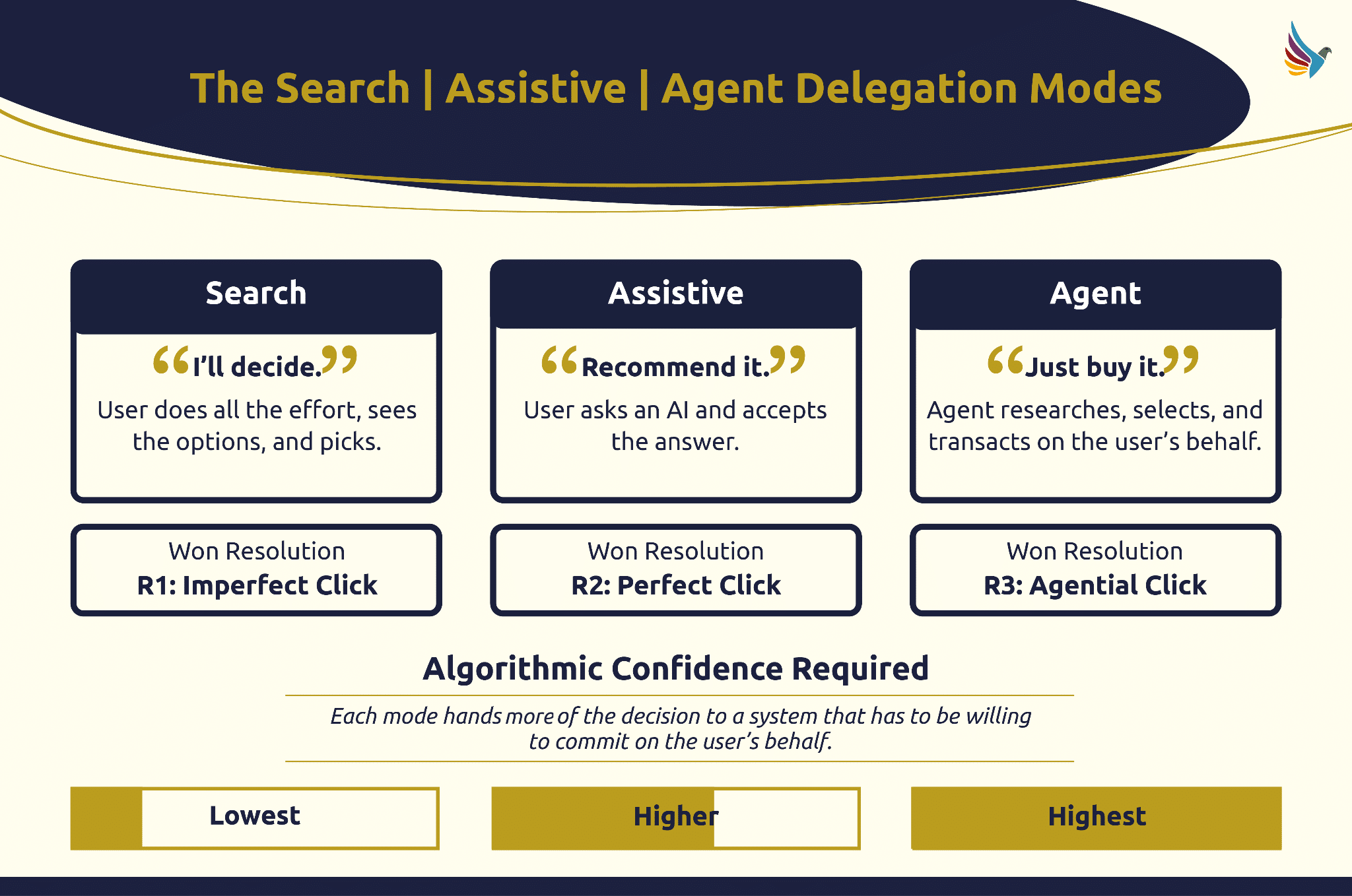
Reaching the ‘won’ milestone means your brand secures a click or a recommendation. This gate has evolved drastically in recent years. Previously, it meant securing a user’s attention through traditional search results. Now, it can also mean having your brand named by an assistive engine or an agent transacting on behalf of the user.
Delegation is at the heart of this evolution—deciding what to entrust to machines and when. Although the concept isn’t new, the boundaries of delegation have expanded, allowing more of the journey to be handled by technology. Brands must prepare for this spectrum of delegation.
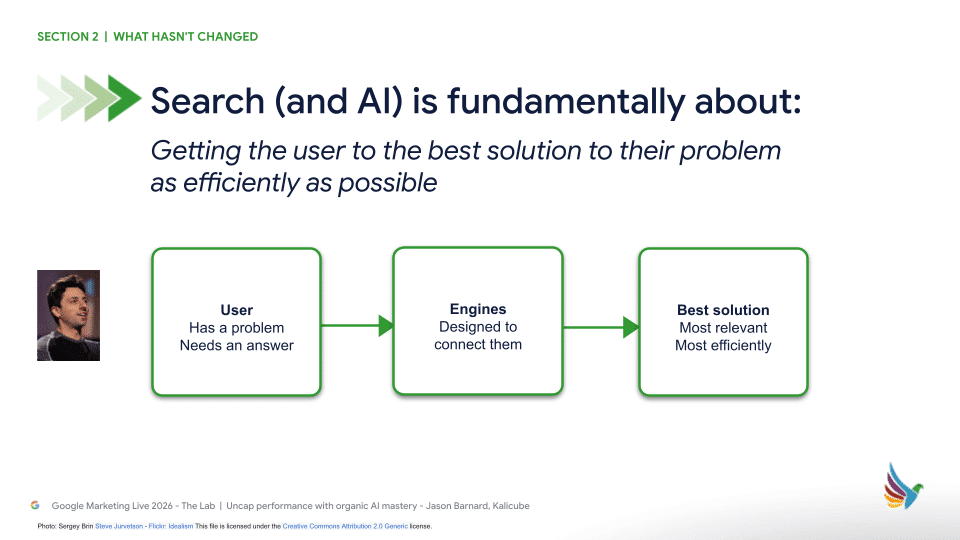
What Hasn’t Changed: The Point of Search

The ultimate objective of search remains unchanged: offering users the most efficient solution to their problems. AI doesn’t alter this aim but enhances the speed and smoothness of arriving at that solution, reducing friction encountered in traditional searches.
The delegation boundary is a dynamic line marking the division between what users manage independently and what is handed over to the engine. Shifting this boundary towards the engine accelerates reaching ‘won,’ while holding back delays it.


From Problem to Purchase in 15 Minutes with ChatGPT
As a professional double bass player, picking up a guitar gig at the last minute threw me into an unexpected scenario. My trusty bass amp had to double up for my guitar since I was unprepared to buy new gear for a singular event.
This need led me to ChatGPT, quickly transforming a typical week-long search into a smooth 15-minute journey. Conversations with ChatGPT guided me from curiosity to purchase by expertly recommending pedals and vendors, even ensuring delivery timelines were met.
ChatGPT managed everything leading up to the purchase decision, understanding my requirements, and effortlessly condensing possibilities into an actionable recommendation. This seamless experience underscored how AI can streamline purchasing, tailoring pathways to fit personal preferences.
The real win for my chosen brand, Thomann, was AI’s confidence in their consistency and reliability. They earned my repeated business owing to structured and precise visibility in AI databases, allowing ChatGPT to confidently stake its recommendation.
The Single-Mode Assumption Is Dead: Three Modes Coexist Now
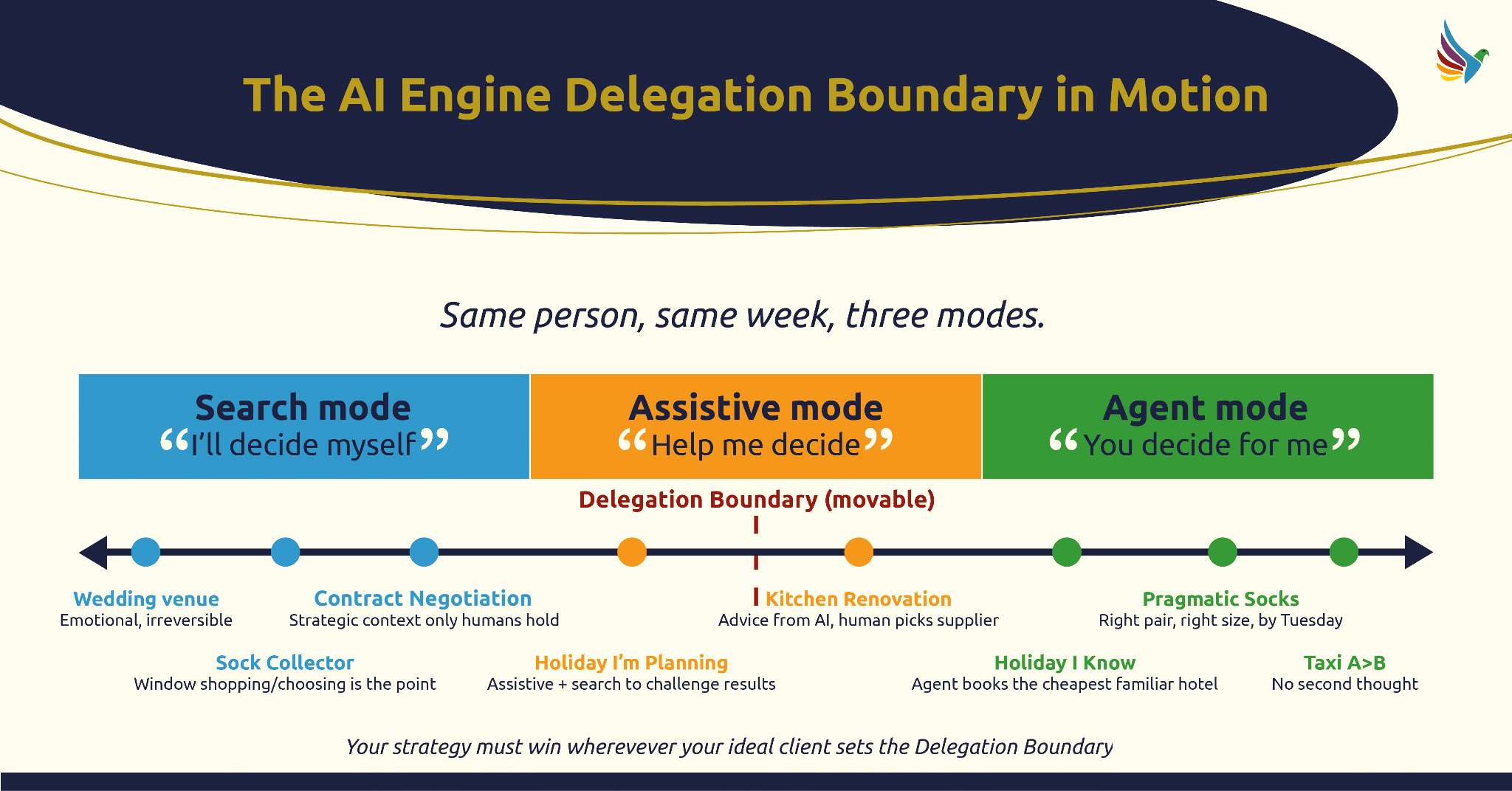
Gone are the days when ‘optimize for search’ sufficed. Now, brands juggle three pathways, integrating search with assistive and agentic modes, which can be interchanged throughout the user journey.
The assistive mode leverages AI to recommend and reduce decision friction, while agent mode eliminates friction altogether, completing transactions independently of the user. Each mode redefines what ‘won’ looks like.
The flexibility of delegation boundaries urges brands to adapt, strategizing for each unique user journey from the deliberate search of a professional to the convenience-seeking consumer.
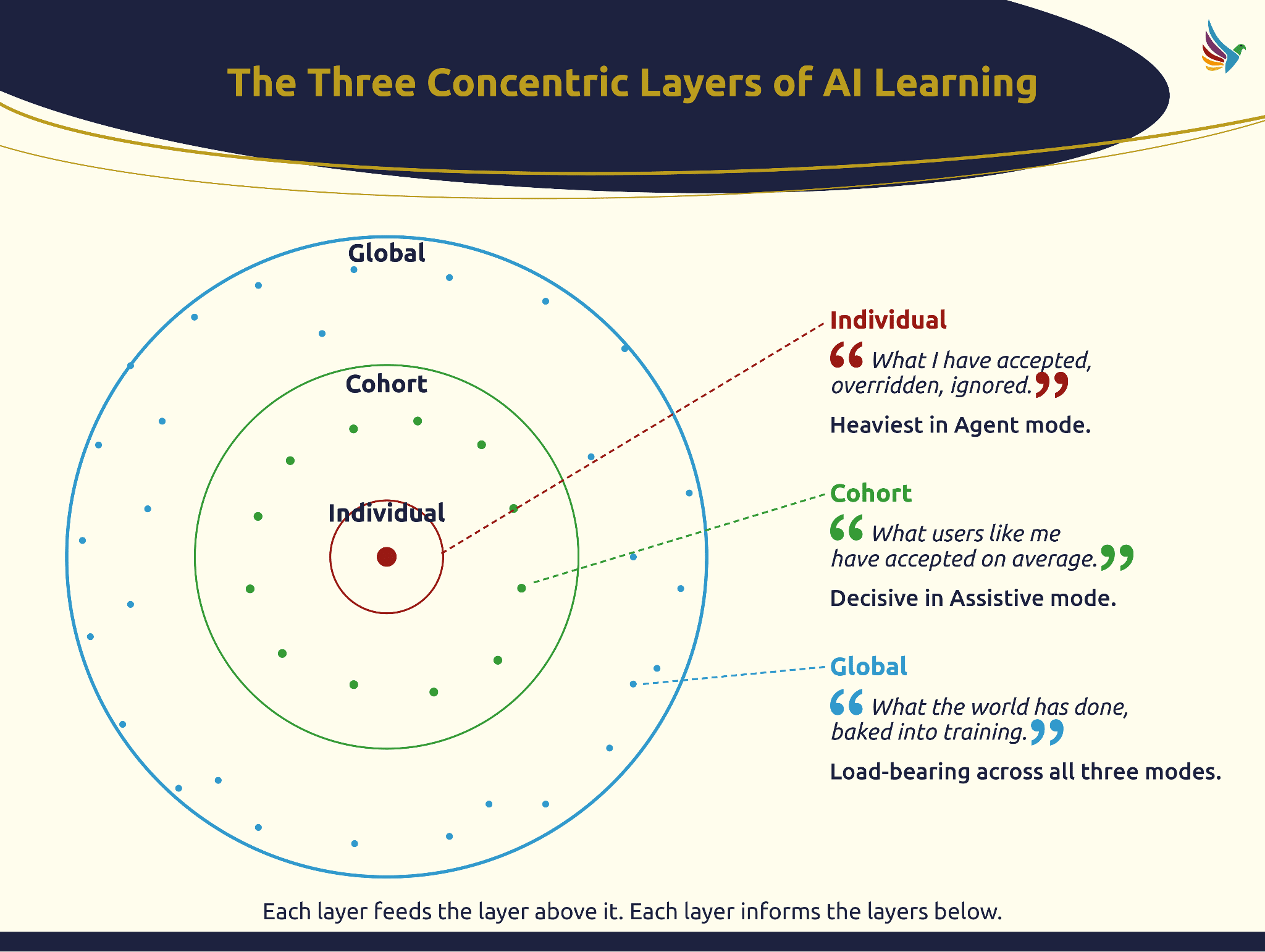
Map your strategies to account for these dynamics, recognizing diverse customer pathways, and be prepared for all forms of AI interaction.
The strategies that drive success in this AI-driven landscape are centered on confidence—whether users search, rely on recommendations, or let AI transact. Mastering AI’s learning mechanisms and understanding user intent create pathways to success, allowing dynamic flexibility in engaging potential buyers.
Inspired by this post on Search Engine Land.

Leave a Reply