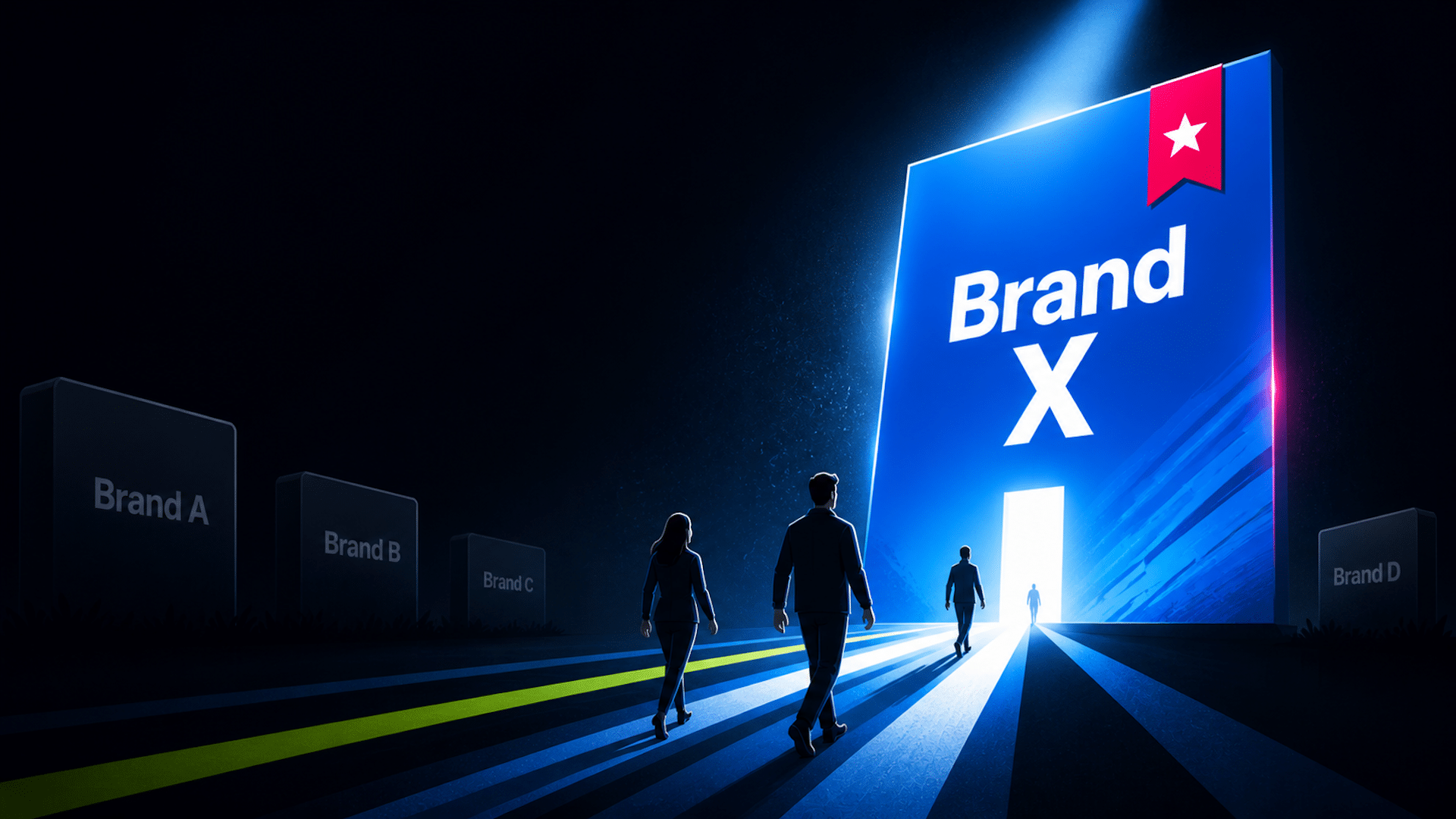
I’ve discovered a fascinating truth about search in the age of AI: brand authority often outshines topical authority. The landscape of search has shifted, and it’s time for us to adapt.
While topical authority remains a beloved concept among SEO consultants pitching content, brand authority holds the reins in today’s AI-driven search landscape. Marketers have long discussed brand authority, though it was often dismissed or left to brand teams post-sitemap adjustments.
AI’s emergence has upended the traditional approach, revealing underlying issues. Search is crucial for the global economy, and the industry’s marketing approach needs re-examination. More content doesn’t automatically confer authority. In fact, AI search champions brands gaining notable visibility, mentions, and real demand.
Too many SEOs overlook the reasons people choose, trust, and remember brands. In this new world of AI search, such ignorance stands out even more. That’s why brand authority prevails—but not in the way our typical SEO tools might suggest.
Previously, the meaning of topical authority was intended to highlight genuine expertise through useful work, citations from others, and a growing associated reputation. This builds your brand’s association with a topic, which in turn, creates authority and fosters brand development.
However, the industry often marketed topical authority commercially, emphasizing volume over value. Technical SEO became a niche, links were outsourced or repackaged, but content was the consistent agency engine.
Pre-AI, this made sense. Creating good content involved rigorous processes and offered substantial value, earning rankings and supporting commercial interests. In contrast, topical authority introduced the misguided idea that mere keyword coverage equated to expertise, diluting the concept’s original intent.
Another intriguing aspect of authority is understanding what others say about you, rather than solely focusing on self-published content. Google’s Jun Wu highlighted the importance of ‘mention information’—how search engines discern topics, identify sources, and map relationships.
Our modern term for this is brand co-occurrence. Being consistently mentioned by authoritative sites and communities solidifies your brand’s association with a topic, elevating market perception and authority.

Many might pitch the concept of topical authority as building a comprehensive keyword strategy, but actual authority requires originating valuable data and sharing insights that engage audiences and capture media attention.
The changing economic landscape of AI means that traditional advertising methods through content must evolve. With AI offering direct answers, the value of certain traditional SEO practices is diminishing. Users, like my AI-liking father, prefer quick, synthesized information over cumbersome web browsing.
The rise of AI citations in search metrics has become a focus, but they differ from authentic human endorsements. Real influence is reflected through human testimonies, where your brand is discussed, cited, and recommended.
If measuring brand authority, brand searches present a clearer indicator of growth. If more people search specifically for your brand, it signals rising demand and market presence—a more accurate reflection of impact than solely relying on AI citations.
Traditional SEO still plays a role, ensuring you’re found where it matters—be it in search rankings or marketplaces. Yet, brand authority distinctly drives recommendations, and AI search is starting to favor consolidated options, often mentioning specific brands and solutions.
The future echoes the demand for meaningful engagement and widespread brand visibility. Though SEO isn’t dead, a simplistic keyword-centric approach is fading. A holistic approach integrating positioning, PR, reviews, and content as interconnected elements is pivotal.
In an era where fitness and visibility are equal determinants of success, brands must excel in products and services while ensuring their market presence is robust and omnipresent. After all, brand authority is what truly wins, confirming that mediocrity no longer warrants attention.
Inspired by this post on Search Engine Land.

Leave a Reply