
As I explore the ever-evolving landscape of Google’s AI Mode, it’s fascinating to witness how ad formats, reporting, and control are taking shape. Google seems to have a master plan in place that competitors just can’t keep up with.
I find myself intrigued by Google’s entry into this next phase of conversational search. It’s not just about user numbers but who can effectively monetize them. Google’s mature ad systems and extensive advertiser base offer a significant edge.
The initial panic surrounding Google’s position is over. Google’s long-standing advantages and huge investments have leveled the playing field with ChatGPT in LLM search.
Back in December 2025, when Google declared code red, it became clear that they were serious. Apple’s decision to partner with Google for its AI needs is indeed telling.
Initially, it seemed plausible that Google would struggle against ChatGPT, but the market has since adjusted its views. The company’s valuation reflects renewed confidence, rivaling even Apple at a substantial $3.6 trillion.
As I dive deeper into how monetization will shape this race, I’m struck by how Google’s recent advances have significantly boosted its valuation.
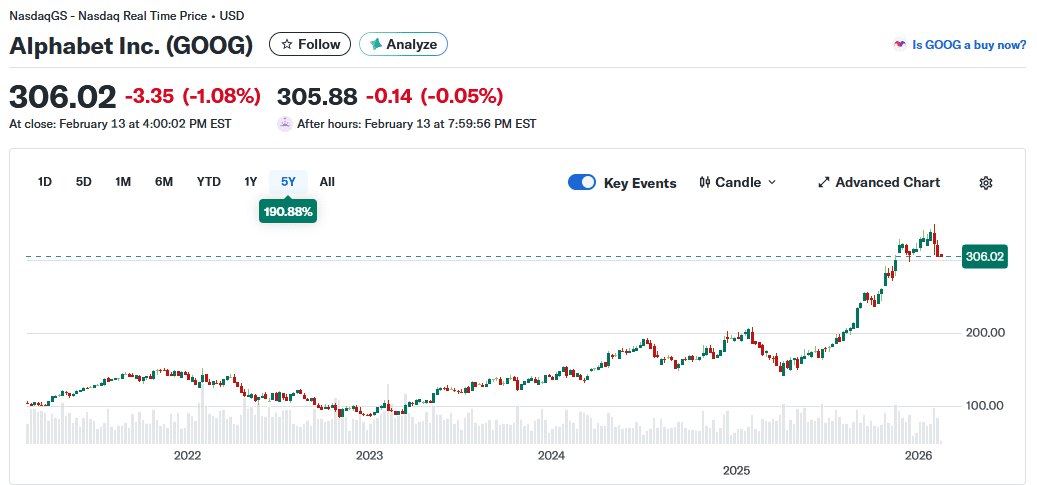
It’s clear that the visibility of financial projections plays a massive role in how the company is perceived financially. Google’s approach to shifts in user behavior is crucial in maintaining its robust business model.
From my perspective, much of your digital advertising budget likely goes to Google. Its prominence demands attention, not just in search but also in emerging AI platforms like ChatGPT and Claude.
The competition in LLM conversations is intriguing. Google and ChatGPT are vying for different monetization models, a fascinating case study of differing strategies.
For those of us in advertising, it’s essential to monitor developments like ad formats, rollout pace, and public reception to ads within these platforms.
OpenAI’s current monetization model is intriguing but still nascent, reliant on a small group of major advertisers. We’ll see how they expand and fine-tune this model over time.
Outsourcing inventory to programmatic partners is a smart move for OpenAI but highlights their early stage in building an ads business.
For Google advertisers, the shift to AI Mode need not be alarming. I’m watching for the ways these LLM sessions are shaping user experiences and ad placements.
One thing is for sure; the enhancements in AI Mode continue, promising more seamless and user-friendly interactions. The potential for ads remains, though their form is still evolving.
Monitoring key areas like the extent of monetization, advertiser control, and campaign types becomes more important as we navigate this new landscape.
Ultimately, the future of advertising in AI-driven search is one of adaptability and strategic planning, aligning closely with user and advertiser behaviors in this exciting yet challenging era.
Inspired by this post on Search Engine Land.

Leave a Reply