I recently embarked on a fascinating journey to explore how ChatGPT’s Shopping feature is activated. It’s intriguing how product categories seem to play a more significant role compared to purchase intent language.
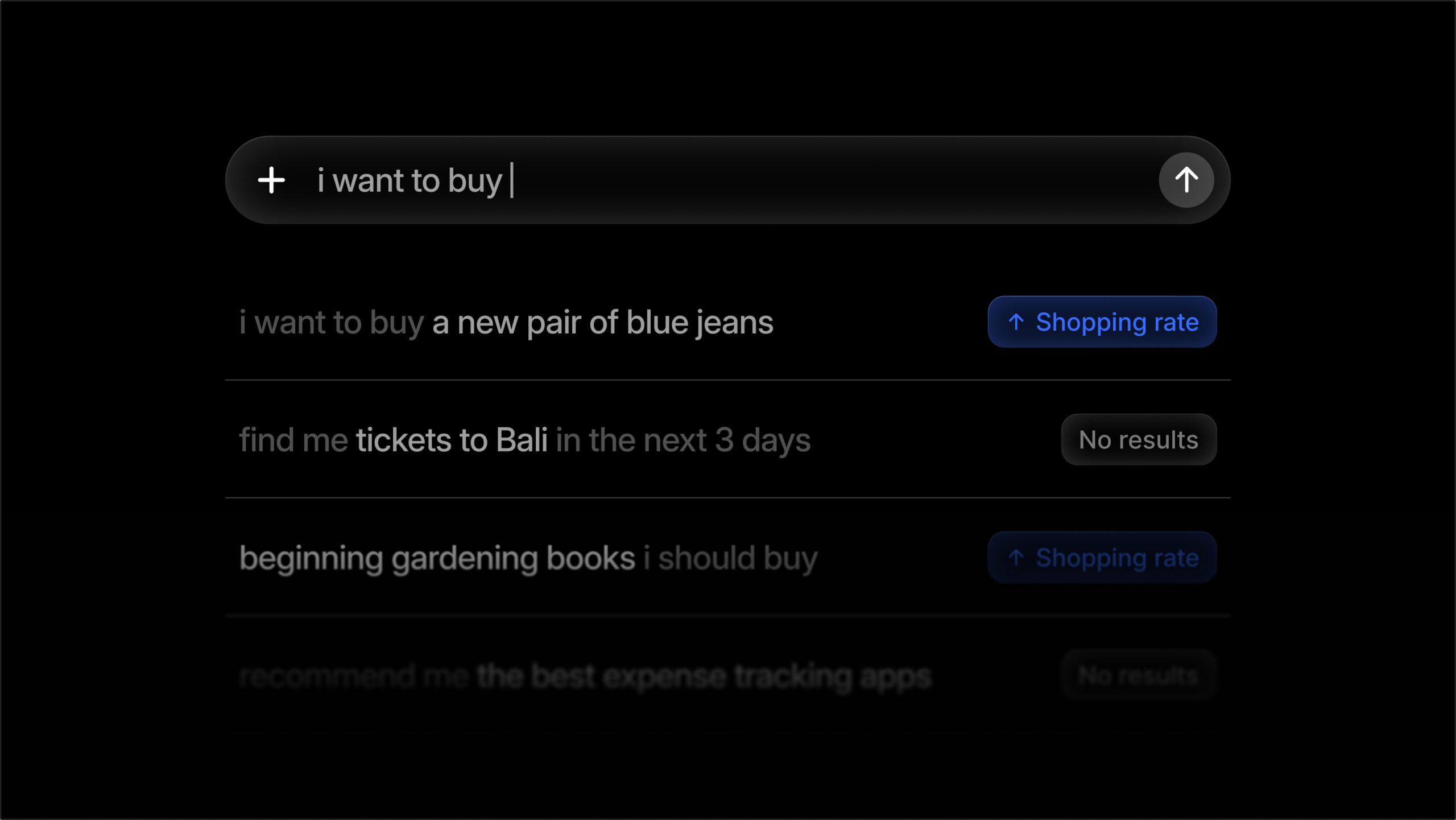
In my analysis of 1.18 million prompts, supported by a detailed review of 7,500 labeled examples, I discovered a notable pattern. Prompts that specifically mention shippable consumer goods are highly likely to trigger Shopping cards. However, prompts about software, services, travel, and financial products almost never have the same effect.
I noticed that adding specific constraints, like price, features, or intended use, boosted the chances of the Shopping trigger, though only within the confines of product categories.
The process boils down to a straightforward rule: if the primary noun in your prompt is something you could easily buy on Amazon, there’s a good chance the Shopping feature will appear. Using this logic, I developed a classifier that can replicate ChatGPT’s Shopping behavior with an impressive accuracy of around 95–97%.
What appears to trigger ChatGPT's Shopping feature?
The post says product categories appear to matter more than purchase-intent wording. Prompts that mention shippable consumer goods are much more likely to activate Shopping cards.
Do price, feature, or use-case details help trigger Shopping cards?
Yes, adding constraints such as price, features, or intended use can increase the chance of a Shopping trigger. The post notes that this boost happens only within product categories that already fit the Shopping pattern.
Which prompt topics almost never triggered Shopping cards in the analysis?
According to the post, prompts about software, services, travel, and financial products almost never produced the same Shopping card behavior. The pattern was strongest for shippable consumer goods.
What simple rule did the author use to predict Shopping behavior?
The author describes a simple rule: if the primary noun in the prompt is something you could easily buy on Amazon, there is a good chance the Shopping feature will appear. That rule helped shape a classifier for predicting the behavior.
How accurate was the author's ChatGPT Shopping classifier?
The post says the classifier could replicate ChatGPT’s Shopping behavior with around 95-97% accuracy. That result was based on the author’s analysis of 1.18 million prompts and review of 7,500 labeled examples.

Leave a Reply