
I’ve been thinking a lot about how the search landscape is evolving. It’s not just a shift; it’s a complete reimagining of the digital roadmaps we’re used to. To dig deeper, I reached out to six trailblazers in the SEO world to get their insights on where we’ll be by 2026. Here’s what they shared.
Our interactions with AI are going beyond simple Q&A scenarios. Enter the era of AI acting as your executive aide, seamlessly handling everything from finding the right product to processing your purchase. This shift demands that we optimize not just for clicks, but for machine readability and compatibility with AI protocols.
Jim Yu, CEO of BrightEdge, emphasized the need for preparation as AI takes on a more agentic role. According to him, the brands that embrace structured data and machine-readability will stand out as AI-driven commerce becomes mainstream.
Samanyou Garg, CEO of Writesonic, predicted a future where AI will take users straight from discovery to transaction within a single conversation. Meanwhile, Crystal Carter from Wix warned that simply being discoverable isn’t enough if you’re ignoring the agentic potential.
Key takeaway: Your product data needs to be machine-readable. Without it, AI agents may overlook your brand in favor of more compliant competitors.
As AI matures, advertising will become more integrated, moving away from traditional placements to conversational approaches. Jim Yu suggested that AI responses embedded throughout search result pages will become routine, reinforcing the importance of broad optimization strategies.

By 2026, we’ll see SEO professionals functioning more like engineers, using natural language tools to create marketing solutions. According to Garg, this approach allows for a significant increase in productivity, reducing manual labor and cutting costs.
Key takeaway: Automation is the future. Teams that embrace tool-building over task-completing will speed up their progress significantly.
The concept of singular search rankings is becoming obsolete as search results become personalized in real-time. Mike King views this as an opportunity to tailor content to specific audiences, enhancing relevance and engagement.
Key takeaway: Generic content risks invisibility. Tailor your SEO strategy to focus on specific audience segments.
We are witnessing a divergence in SEO roles: one focusing on traditional human users and the other on AI agents. Understanding both audiences will be crucial for future SEO success, as traditional metrics like rankings and clicks may no longer measure true impact.
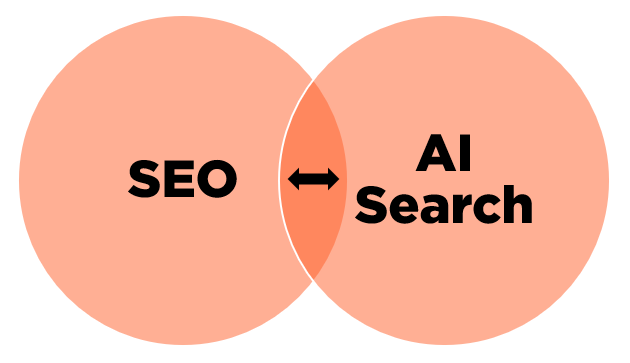
Key takeaway: Optimize for human interactions and AI processes separately to ensure you’re not missing hidden opportunities for engagement.
Proprietary data and unique, authentic content are becoming increasingly valuable as AI-generated content proliferates. Brands that own distinctive datasets will stand out, as their information becomes essential for AI models to cite.
Key takeaway: Develop proprietary data and unique content to maintain an edge in an AI-saturated landscape.
AI literacy is essential. In 2026, the ability to effectively integrate AI into processes will differentiate market leaders from the rest. Neil Patel stresses the importance of linking AI usage to measurable business outcomes.
Key takeaway: Equip your team with the right AI tools and training to translate AI initiatives into tangible results and growth.
Ultimately, achieving search visibility in 2026 will involve being more than just relevant in rankings. It means becoming a reliable resource for both human users and AI systems. Investing in the right data and AI strategies now will secure your success in the upcoming year.
Inspired by this post on Search Engine Land.

Leave a Reply