Unlock Advanced Ad Targeting on YouTube: Reach Your Ideal Audience

```json
{
  "alt": "Smartphone displaying the YouTube app with the YouTube logo in the background.",
  "caption": "A smartphone shows the YouTube app interface, creatively mirrored with the iconic logo glowing in the background.",
  "description": "The image features a smartphone displaying the YouTube app interface, with the YouTube logo clearly visible. Behind the phone, a blurred version of the logo is prominently illuminated against a dark background, adding depth and focus to the app's recognizability. This image is ideal for articles about digital media, technology trends, or online video platforms, reflecting YouTube's pervasive influence in the digital age."
}
```

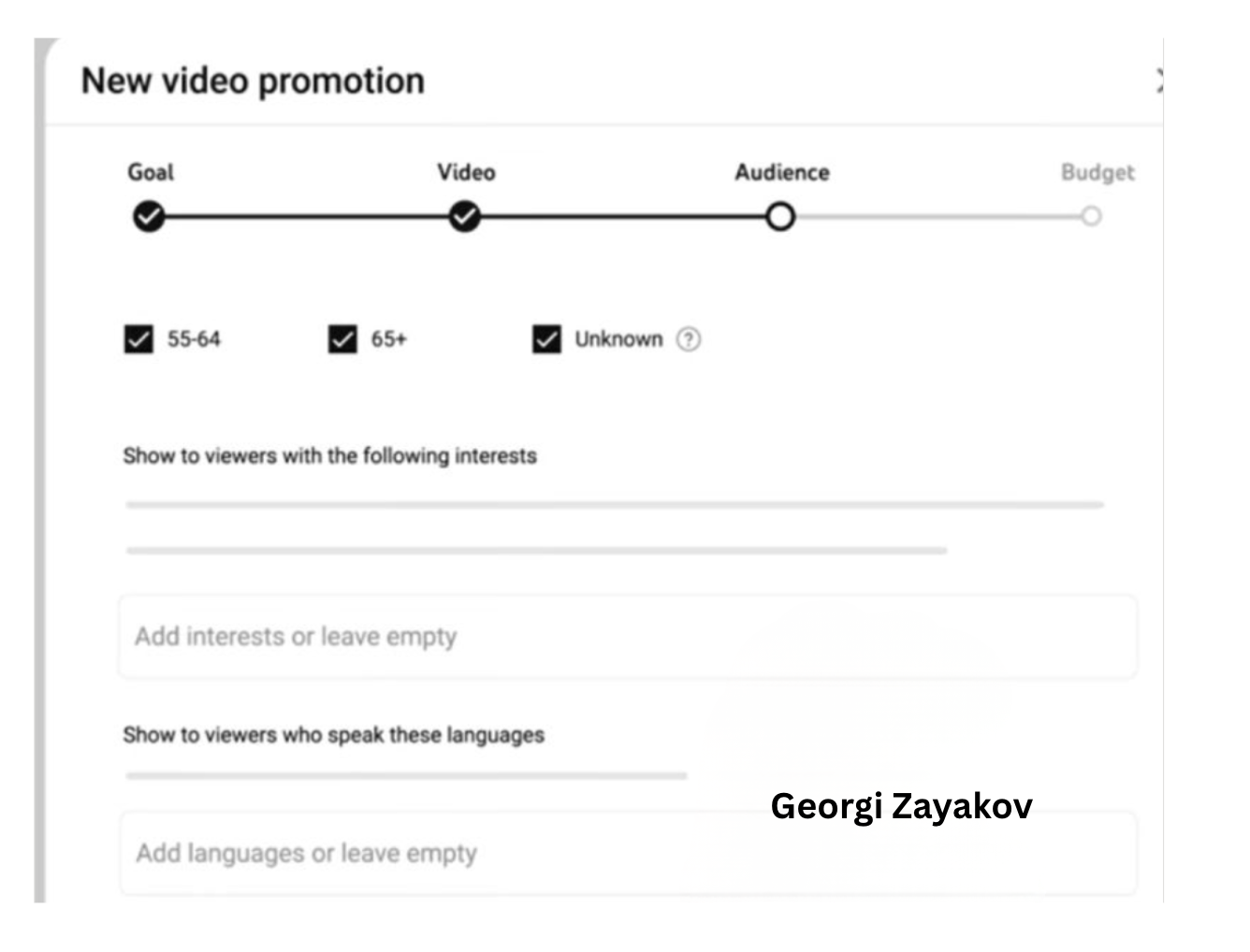
I’ve noticed that YouTube has recently upgraded its Promotions tool, offering creators like us a smarter way to reach our audience. Now, we can target viewers based on their interests rather than just simple demographics like age, gender, or location. This change is making things more personal and effective!

What’s new: With the latest update, we can target specific interest categories, such as Food & Dining. These categories are crafted from aggregated, anonymized data, giving us insights based on viewing habits and search behaviors.

For example, if someone frequently searches for recipes and enjoys watching cooking videos, YouTube may place them within a food-related interest segment, allowing us to tailor our promotions more precisely.

How it works: YouTube uses patterns it detects across Google services to infer viewers’ interests, applying these insights on a broad scale while keeping individual data private.

Why this matters: As creators investing in promotional videos, we can now target audiences based on their true interests, making our ads more effective and as viable as traditional Google Ads.

The big picture: Historically, YouTube’s promotion tools have felt somewhat blunt, relying heavily on demographics. This new interest-based approach aligns with a full-funnel advertising strategy, making paid promotions notably appealing for:
```json
{
  "alt": "Interface for setting up a new video promotion, targeting age groups 55-64, 65+, and unknown.",
  "caption": "Fine-tune your video promotion by selecting specific age demographics and interests to reach your ideal audience.",
  "description": "This image depicts a user interface for configuring a new video promotion. The setup includes goal, video, and audience selection stages, with current focus on audience targeting. Age groups 55-64, 65+, and an unknown category are selectable. Options to add viewer interests and languages are present. Designed for digital marketers aiming to optimize ad reach."
}
```
  • Growing channels looking to build a dedicated audience
  • Established creators experimenting with new content formats
  • Brands working with creators to widen their reach

What’s next:

  • Currently, this feature is only available on desktop
  • We can expect a mobile rollout in the near future

First seen: This upgrade was first discovered by Google Ads Specialist Georgi Zayakov, who shared the news on LinkedIn.

Bottom line: YouTube is equipping us with better tools to connect with the right viewers. Instead of just increasing viewer numbers, we’re now closer than ever to narrowing the gap between creator marketing and traditional digital advertising.


Inspired by this post on Search Engine Land.


crushpress.ai community screenshot

FAQs

What is the new YouTube Promotions tool update?

The update switches targeting from demographics to interests, letting you reach viewers based on their interests. These categories are created from aggregated, anonymized data to guide promotions while protecting individual privacy.

How does YouTube determine viewer interests?

YouTube infers interests using patterns detected across Google services. The insights are aggregated and anonymized to protect individual data.

Why does this matter for creators?

Targeting by interests makes ads more relevant, improving effectiveness and efficiency. It helps narrow the gap between creator promotions and traditional digital advertising.

What example categories are mentioned?

Food & Dining is given as an example of an interest category. These categories come from aggregated data about viewing and search behaviors.

What does the article say about desktop vs mobile availability?

Currently, the feature is available on desktop. A mobile rollout is expected in the near future.

Who first saw the upgrade?

Georgi Zayakov, a Google Ads Specialist, first discovered the upgrade. He shared the news on LinkedIn.

Comments

Leave a Reply

Your email address will not be published. Required fields are marked *