Tag: Video Integration

  • Unlock Advanced Ad Targeting on YouTube: Reach Your Ideal Audience

    Unlock Advanced Ad Targeting on YouTube: Reach Your Ideal Audience

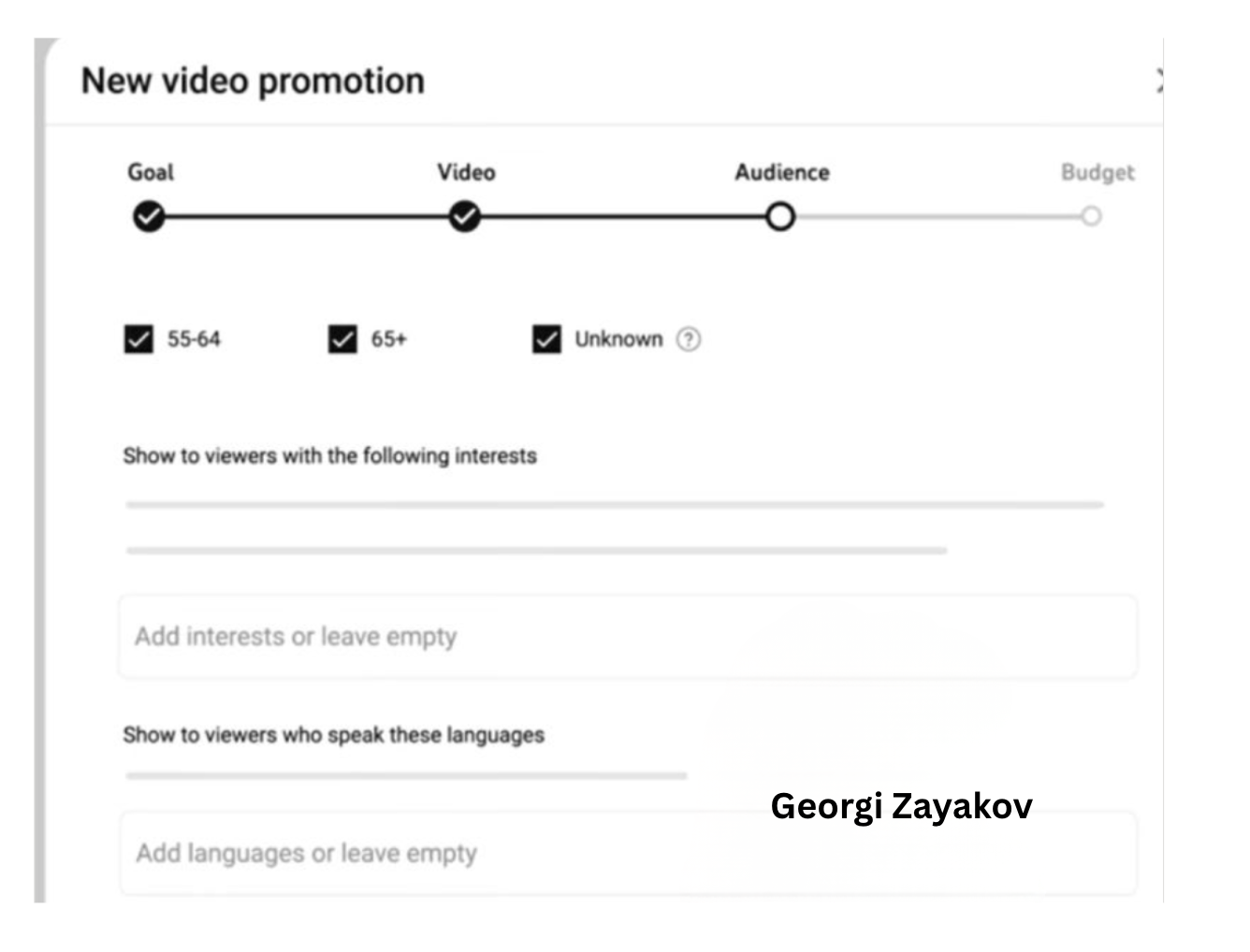
    I’ve noticed that YouTube has recently upgraded its Promotions tool, offering creators like us a smarter way to reach our audience. Now, we can target viewers based on their interests rather than just simple demographics like age, gender, or location. This change is making things more personal and effective!

    What’s new: With the latest update, we can target specific interest categories, such as Food & Dining. These categories are crafted from aggregated, anonymized data, giving us insights based on viewing habits and search behaviors.

    For example, if someone frequently searches for recipes and enjoys watching cooking videos, YouTube may place them within a food-related interest segment, allowing us to tailor our promotions more precisely.

    How it works: YouTube uses patterns it detects across Google services to infer viewers’ interests, applying these insights on a broad scale while keeping individual data private.

    Why this matters: As creators investing in promotional videos, we can now target audiences based on their true interests, making our ads more effective and as viable as traditional Google Ads.

    The big picture: Historically, YouTube’s promotion tools have felt somewhat blunt, relying heavily on demographics. This new interest-based approach aligns with a full-funnel advertising strategy, making paid promotions notably appealing for:
    ```json
{
  "alt": "Interface for setting up a new video promotion, targeting age groups 55-64, 65+, and unknown.",
  "caption": "Fine-tune your video promotion by selecting specific age demographics and interests to reach your ideal audience.",
  "description": "This image depicts a user interface for configuring a new video promotion. The setup includes goal, video, and audience selection stages, with current focus on audience targeting. Age groups 55-64, 65+, and an unknown category are selectable. Options to add viewer interests and languages are present. Designed for digital marketers aiming to optimize ad reach."
}
```
    • Growing channels looking to build a dedicated audience
    • Established creators experimenting with new content formats
    • Brands working with creators to widen their reach

    What’s next:

    • Currently, this feature is only available on desktop
    • We can expect a mobile rollout in the near future

    First seen: This upgrade was first discovered by Google Ads Specialist Georgi Zayakov, who shared the news on LinkedIn.

    Bottom line: YouTube is equipping us with better tools to connect with the right viewers. Instead of just increasing viewer numbers, we’re now closer than ever to narrowing the gap between creator marketing and traditional digital advertising.


    Inspired by this post on Search Engine Land.


    crushpress.ai community screenshot
  • Unlocking VTC Bidding: A New Era for Google App Campaigns

    Unlocking VTC Bidding: A New Era for Google App Campaigns

    I’ve noticed a significant shift in Google Ads as they now allow us to optimize bidding for view-through conversions (VTC) in Android App campaigns. This change highlights a growing emphasis on video-driven performance.

    In the past, VTC was a subtle, behind-the-scenes signal within Google’s system. Now, it’s a visible option that allows me to focus on conversions that occur after an ad is seen, rather than clicked.

    The shift. It’s evident that Google is steering app advertising away from traditional click-focused strategies, encouraging an approach centered around influence and incremental results. This is particularly beneficial for platforms like YouTube and in-feed video advertising.

    This update means our bidding strategies align more intuitively with the actual ways users discover and install apps today.

    Why it matters to me. This flexibility allows me to go beyond mere clicks, enhancing measurement metrics for video-centric app campaigns. It’s an exciting validation for those of us invested in upper-funnel marketing activities.

    Who benefits the most? Advertisers who prioritize video content and focus on creating awareness and engagement. This is a game-changer for teams oriented towards long-term growth, not just immediate installs.

    ```json
{
  "alt": "Google Ads interface showing options for language selection and view-through conversion optimization.",
  "caption": "Explore the Google Ads settings with options to tailor your campaign's language and optimize view-through conversions for better targeting.",
  "description": "This image displays a screenshot of the Google Ads interface, focusing on campaign settings. The interface includes sections like Mobile app, Locations, Languages, and options for view-through conversion optimization. Users can select the languages their customers speak, with 'English' already chosen. The screenshot also highlights options related to EU political ads, ensuring compliance with regulations. This setup aids advertisers in optimizing campaign performance effectively."
}
```

    What I’m keeping an eye on:

    • How Google’s attribution models affect campaign reliance
    • Potential shifts in Cost-Per-Acquisition expectations
    • The growing importance of creative quality over click-centric strategies

    First seen by. I came across this update thanks to Rakshit Shetty, a Senior Performance Marketing Executive who first spotted this change.

    Bottom line. Google is elevating view-based data for app campaigns to a priority status, marking a shift towards a performance marketing strategy led by AI and agnostic of sales funnels.


    Inspired by this post on Search Engine Land.

    crushpress.ai community screenshot
  • Unlock Boosted Ad Performance with Google Merchant Videos

    Unlock Boosted Ad Performance with Google Merchant Videos

    I’ve discovered that Google has quietly introduced a new feature in their Performance Max (PMax) campaigns, allowing advertisers like us to access video assets directly from the Merchant Center. This seemingly small adjustment is poised to make a significant impact on how we handle retail and e-commerce ads.

    How it works. As part of this update, Google Ads now enables us to:

    • Auto-surface product-associated videos directly from Merchant Center during the PMax setup process.
    • Shorten creative workflows for our retail and e-commerce teams, saving us valuable time.
    • Improve product-to-creative alignment, thereby enhancing ad relevance.
    • Boost performance especially for those of us managing extensive SKU catalogs.

    Why this matters. This update is a game-changer because it eliminates a key friction point within PMax: the challenge of integrating high-quality, product-relevant videos into our campaigns. By streamlining this process and pulling videos directly from the Merchant Center, Google is enhancing the connection between inventory and creative assets. This means higher ad relevance, greater engagement, and improved overall performance.

    For brands like ours that have vast SKU inventories, this feature significantly accelerates the workflow and guarantees comprehensive video coverage — something we used to find challenging and resource-draining.

    ```json
{
  "alt": "Screenshot of video selection options for an ad, highlighting Merchant Center tab.",
  "caption": "Explore new video insertion options with the Merchant Center tab for your digital ads!",
  "description": "This image shows a screenshot of a user interface for selecting up to five YouTube videos for an advertisement. The highlighted 'Merchant Center' tab, marked as 'BETA', suggests a new feature in progress. Surrounding tabs include Suggested, Asset Library, YouTube, Social, and Upload, indicating comprehensive video source integration for ad campaigns. Keywords: YouTube, Merchant Center, ad video selection."
}
```

    The bigger picture. It seems that Google is on a mission to expand PMax’s creative capabilities. From integrating social video imports to this new Merchant Center video feature, there’s a clear intention to make PMax more user-friendly for advertisers heavily involved in commerce.

    First seen. This update caught my attention thanks to senior performance marketing executive, Rakshit Shetty, who shared his insights on LinkedIn.

    The bottom line. Although it’s a subtle change, it’s undoubtedly a meaningful victory for brands operating at scale in the eCommerce space.


    Inspired by this post on Search Engine Land.


    crushpress.ai community screenshot