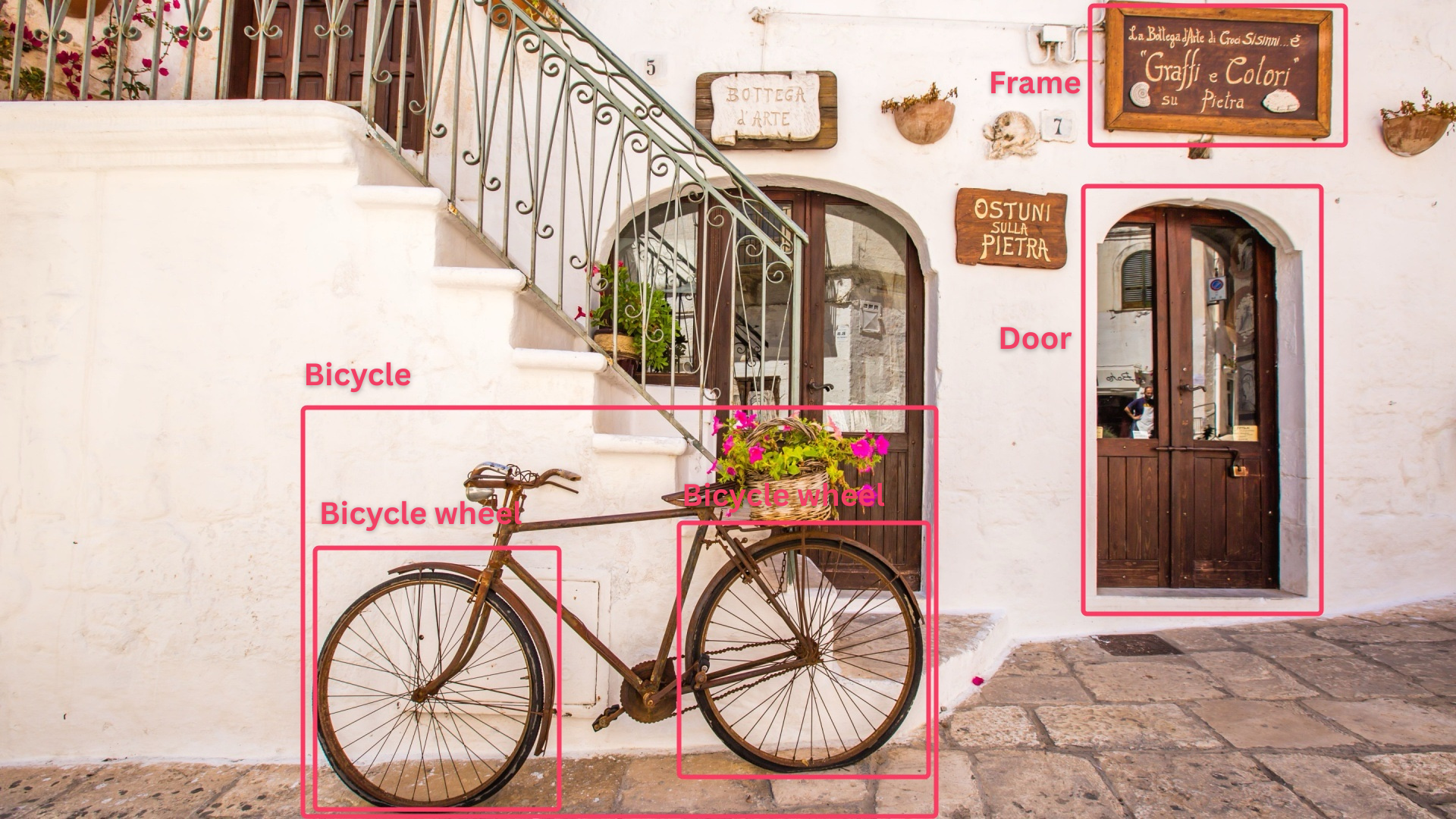

I’ve discovered that images aren’t just for human eyes anymore—they are parsed like language by AI. With Optical Character Recognition (OCR), visual context, and pixel-level quality shaping how AI systems interpret content, the game of Image SEO has changed.
For years, Image SEO was all about technical best practices: compressing JPEGs for speedy loading, writing alt text for accessibility, and using lazy loading to enhance page performance. These remain crucial, yet now we must also cater to the needs of advanced multimodal AI models like ChatGPT and Gemini, which present both opportunities and challenges.
Multimodal search embeds diverse content forms into a unified vector space. We are learning to optimize for what I call the “machine gaze.” Generative search technology makes content largely machine-readable by segmenting media and extracting text from visuals via OCR.
It is essential for machine vision to clearly parse images. Low quality or poorly contrasted text on product packaging can lead to misinterpretation or completely missed content by AI systems—a significant problem.
This discussion explores the crucial aspect of improving machine readability, shifting focus from loading speeds to quality and interpretability of images.
Technical hygiene still matters
Before diving into optimization for machine comprehension, I make sure to respect the fundamentals: performance. Images are powerful tools for engagement but can also cause layout issues and slow speeds if not managed properly.
Designing for the machine eye: Pixel-level readability
Large language models view images, audio, and videos as structured data sources. Through visual tokenization, an image is divided into a grid of visual tokens, turning raw pixels into vector sequences.
Poor resolution or compression artifacts can degrade token quality, leading to errors where the AI misreads images or invents details that aren’t there. Ensuring clarity and quality is critical for accurate interpretation.
Reframing alt text as grounding
In today’s context, alt text offers critical grounding for large language models. It provides semantic cues that help the model discern ambiguous visual tokens, improving image interpretation accuracy.

The OCR failure points audit
Technologies like Google Lens and Gemini rely on OCR to read text directly from images, including labels. However, small or low-contrast text often fails this machine gaze.
Character height should be optimized to at least 30 pixels for OCR, and contrast should be clear to prevent errors in text reading. Stylized fonts and reflective packaging can exacerbate these problems.
Originality as a proxy for experience and effort
Original images are vital, serving as canonical signals that enhance page authenticity and origin credibility. Using tools like Google Cloud Vision’s WebDetection can help track duplicate content and boost your visual content’s scoring.
The co-occurrence audit
AI systems analyze the objects in images and their relationships, using these cues to infer brand attributes and audience engagement signals. This makes product placement in images crucial for SEO success.
Tools like Google’s OBJECT_LOCALIZATION feature allow you to audit your media library’s visual entities and ensure that adjacent objects tell the right story to support your brand’s narrative.
Quantifying emotional resonance
Images not only showcase products; they evoke emotions. AI can now quantify these emotions in images, making emotional alignment critical to image SEO.
Tools like Google Cloud Vision provide insight into emotion scores for faceAnnotations, allowing for content adjustments based on detected sentiment to better align with intended search queries.
Closing the semantic gap between pixels and meaning
Images should be curated with intent and precision, given that language models treat them as part of the language sequence. The quality and semantic accuracy of images are as vital as textual content for SEO success.
Inspired by this post on Search Engine Land.

Leave a Reply