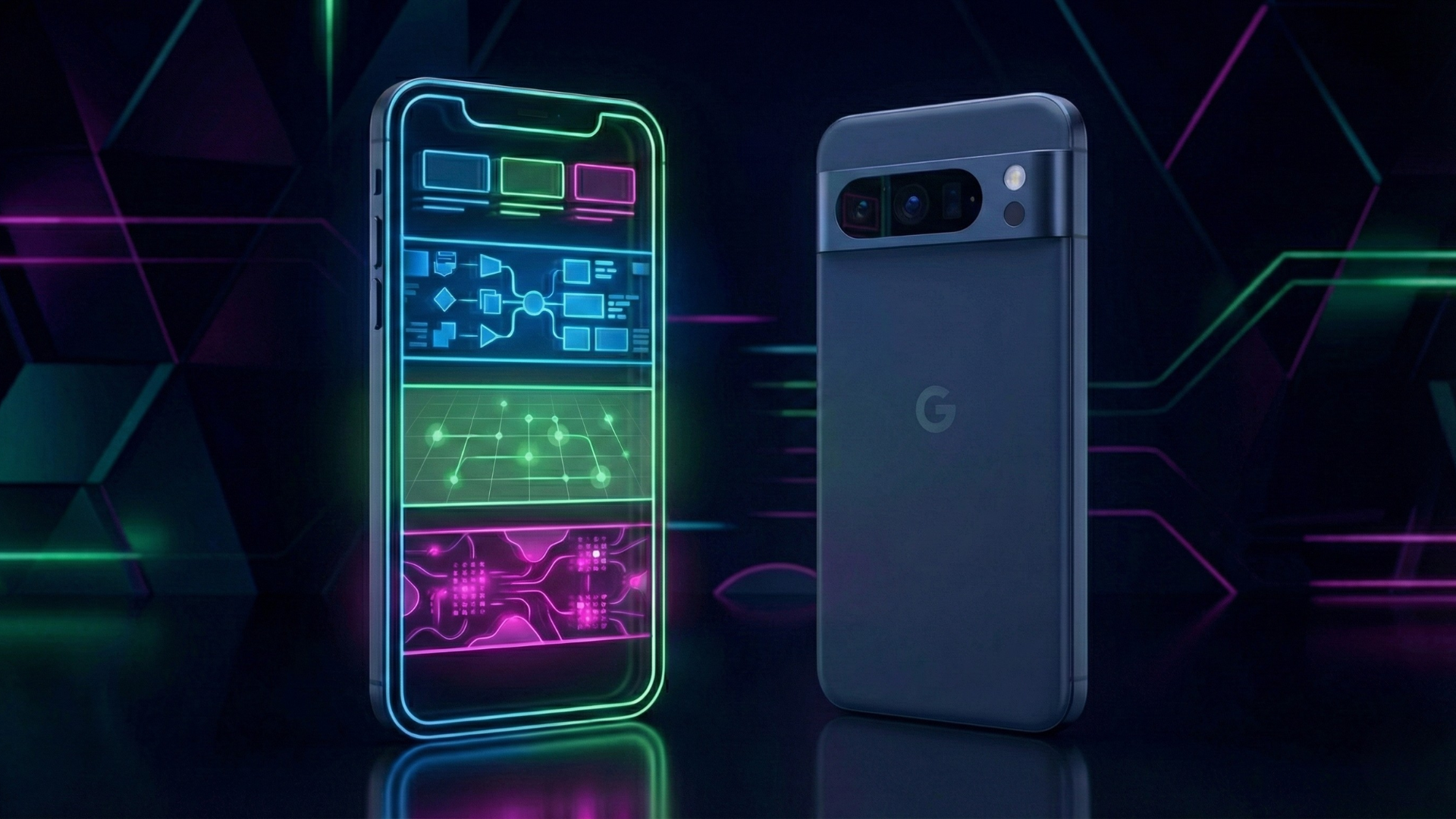
I recently delved into the enigmatic world of Google’s Daily Hub, a complex system aiming to redefine how we interact with search. At its core, Daily Hub sought to seamlessly integrate embeddings, entities, and real-time context. Unfortunately, the system crumbled under the weight of its own complexity.
The Daily Hub is far more intricate than many of us originally thought. It represents a broader trend toward hyperpersonalization we’ve seen lately. Elements like Preferred Sources and followable profile pages in Discover are steadily headed toward predicting what I need even before I type my queries.
Tracing its roots, Daily Hub extends from the “News Digest and Daily Brief” agent, which surfaced during my exploration into Google’s vast, ongoing AI initiatives. This system launched with much fanfare on the Pixel 10, yet was swiftly paused due to its intricate technical web.
The Daily Hub’s Three-Tier Architecture
Imagine Google’s system as a grand conductor, coordinating a diverse ensemble in real-time harmony. This is precisely the vision for Daily Hub.
First Tier: The ‘Memory and Embeddings’ Layer
Daily Hub’s foundation is built on two key document types, forming its memory.
The MemoryDocument encapsulates full content units, complete with structured text, entity identifiers from the Knowledge Graph, comprehensive embeddings, and essential technical metadata.
There’s also the MemoryEntityDocument, a leaner form that embodies each specific entity highlighted in the content.
In practice, if Daily Hub processes an article about “Lionel Messi joining Inter Miami,” it constructs a MemoryDocument for the article and various entity documents for involved topics like “Lionel Messi” and “Inter Miami CF.”
Second Tier: The Personalization Triumvirate
Various systems power the personalization aspect of Daily Hub, ensuring its response to personalized searches and updates is both swift and attuned to individual preferences.
Nephesh, known for refining user interests, AIP_TOP_ENTITIES, and TAPAS_USER_PROFILE each contribute to crafting a unique user interaction experience by leveraging behavior and contextual data.

Third Tier: ‘Ambient’ Orchestration
In this realm, the AmbientRanking system oversees card presentations, using metadata to refine user experiences based on relevance and timeliness.
For example, sports scores and calendar events are prominently displayed when their relevance is at its peak, ensuring my engagement with timely content.
Understanding Gemini Prompts
Andell’s documentation of Gemini’s prompts offers unparalleled insights into the system’s strategic thinking.
Prompt ‘News Topics’: News over 7 Days
With precise formatting and numerous constraints, this prompt identifies and summarizes pertinent news while meticulously adhering to laid down thematic boundaries.
The prompt logic considers only the top interests and excludes unnecessary themes, maintaining focus solely on pertinent areas.
A System with Potential: The Journey Ahead
Despite its hiccups, Daily Hub is a prototype that embodies Google’s goal to create an assistant capable of forecasting our needs through sophisticated data integration and hyper-personalized content delivery.
As these technical hurdles are addressed, I anticipate a transformation in how I interact digitally, setting a new standard for search interfaces.
From today’s suspended project to tomorrow’s blueprint for digital interaction, Google’s vision pivots on delivering a groundbreaking consumer experience.
Inspired by this post on Search Engine Land.

Leave a Reply