-

Bad Conversion Data Is Quietly Wrecking Google Ads
Read more: Bad Conversion Data Is Quietly Wrecking Google AdsConversion data does more than power reports. I rely on it to teach Google Ads who to target, how aggressively to bid, and where budget should go, which means bad data can quietly turn automation against business goals.
-

Win Competitor Traffic With Demand Gen Conquesting
Read more: Win Competitor Traffic With Demand Gen ConquestingI explain how I use Demand Gen campaigns and negative-intent conquesting to reach competitor-aware buyers earlier, lower costs, and turn competitor weaknesses into stronger PPC opportunities.
-

Google Demand Gen Gets Gemini Creative and Reporting Boost
Read more: Google Demand Gen Gets Gemini Creative and Reporting BoostI’m seeing Google bring Gemini-powered creative recommendations, expanded video resizing, and stronger web-to-app measurement into Demand Gen to help advertisers improve YouTube campaign performance and better understand customer acquisition.
-

How AI Brand Discovery Turns Visibility Into Recommendations
Read more: How AI Brand Discovery Turns Visibility Into RecommendationsA practical framework for earning AI citations, influencing brand recommendations, and measuring demand that referral reports can miss.
-

AI Brand Accuracy Is Becoming a Trust and Governance Test
Read more: AI Brand Accuracy Is Becoming a Trust and Governance TestA practical framework for finding AI brand errors, protecting consumer trust, tracing weak sources, and assigning accountability for corrections.
-

Google June 2026 Spam Update: What Site Owners Should Check
Read more: Google June 2026 Spam Update: What Site Owners Should CheckA practical synthesis of Google’s June 2026 spam update timeline, scope, diagnostic steps, and the limits of recovery after link devaluation.
-
Google Ads API Ending Smart Campaign Creation: My Take
Read more: Google Ads API Ending Smart Campaign Creation: My TakeGoogle is ending API support for creating new Smart Campaigns on August 3, 2026, and I see it as another push toward Performance Max and newer AI-driven Google Ads workflows.
-
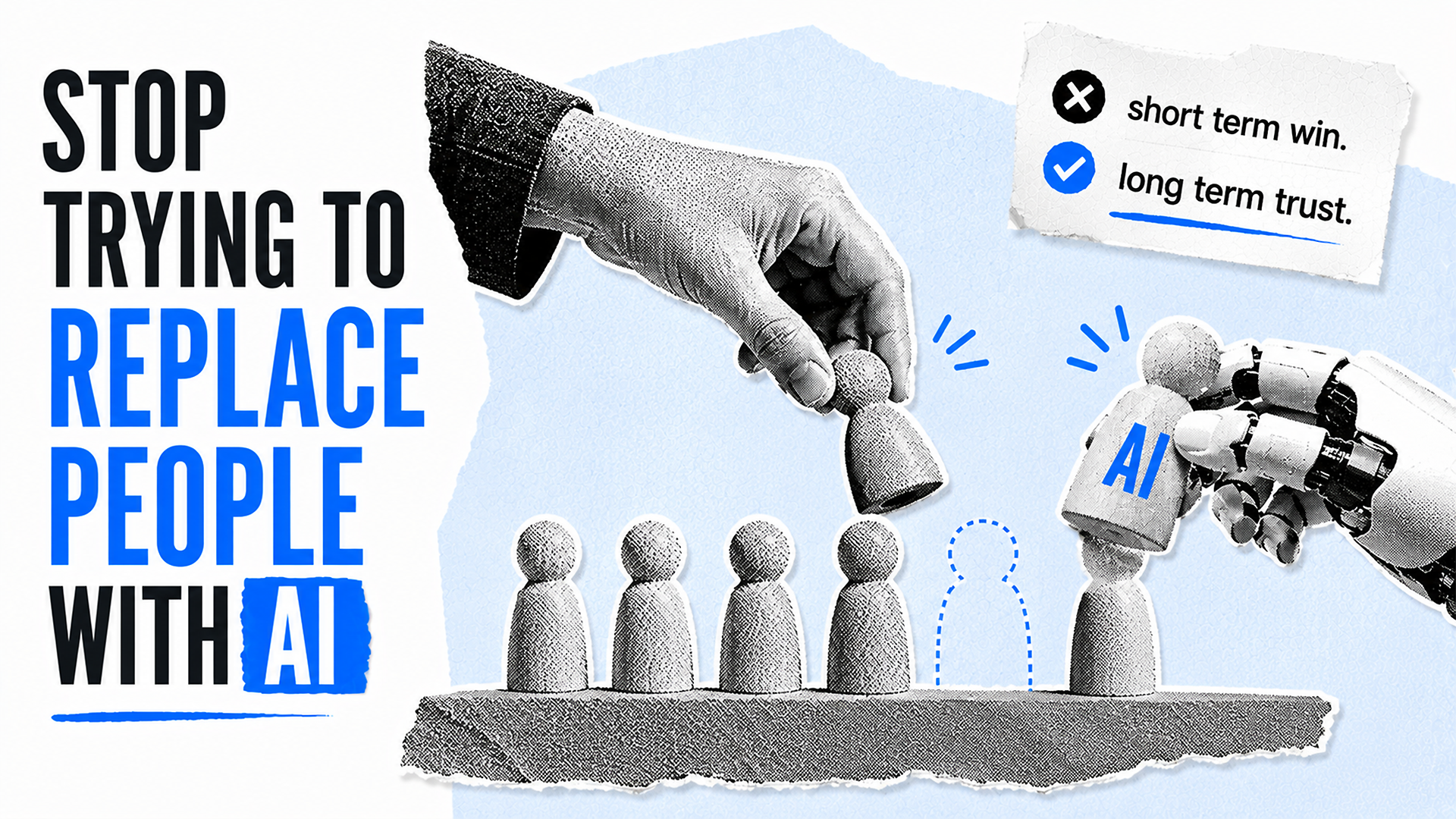
Why I Stop Positioning AI as a People Replacement
Read more: Why I Stop Positioning AI as a People ReplacementFear-based AI positioning can win attention, but I believe it weakens trust. The stronger long-term strategy is to frame AI as a way to enhance human judgment, productivity, and creativity.
-

Why Accessibility Is an $18 Trillion Marketing Advantage
Read more: Why Accessibility Is an $18 Trillion Marketing AdvantageI see accessibility becoming more than a compliance requirement. It is a brand differentiator, a trust builder, and a measurable growth driver for marketers willing to carry inclusive experiences from the shelf to every digital touchpoint.
-

How AI Discovery Is Moving Beyond the Search Results Page
Read more: How AI Discovery Is Moving Beyond the Search Results PageGoogle Discover feed tuning and Yahoo Scout show how declared interests, generated subqueries and citations are creating new paths to publisher visibility.
-

Paid Search Relevance and Compliance: A Practical Framework
Read more: Paid Search Relevance and Compliance: A Practical FrameworkA practical framework for aligning queries, ads, landing pages and lead data while keeping paid search relevance within compliance boundaries.
-

How Brands Earn Visibility in AI-Generated Answers
Read more: How Brands Earn Visibility in AI-Generated AnswersA practical framework for earning AI-answer mentions through decision-ready content, consistent data, clear entities, and external validation.