
I’ve noticed how AI-driven Google Ads has revolutionized the PPC landscape. My role has evolved from merely executing campaigns to designing signals and guiding the conversion system.
In the past, PPC was all about having control – managing keywords, match types, bids, crafting ad copy, and structuring campaigns to make the algorithm follow my lead.
Back then, proficiency in Excel and pivot tables distinguished the best ad managers. Agencies and PPC experts thrived on their execution skills. Greater control over variables meant better job execution, a strategy that worked well for PPC’s first decade.
However, Google Marketing Live (GML) 2026 heralded a significant shift for PPC. The focus moved from tactical control to system optimization, from managing keywords to signal design, and from setting up campaigns to aligning with machine strategy.
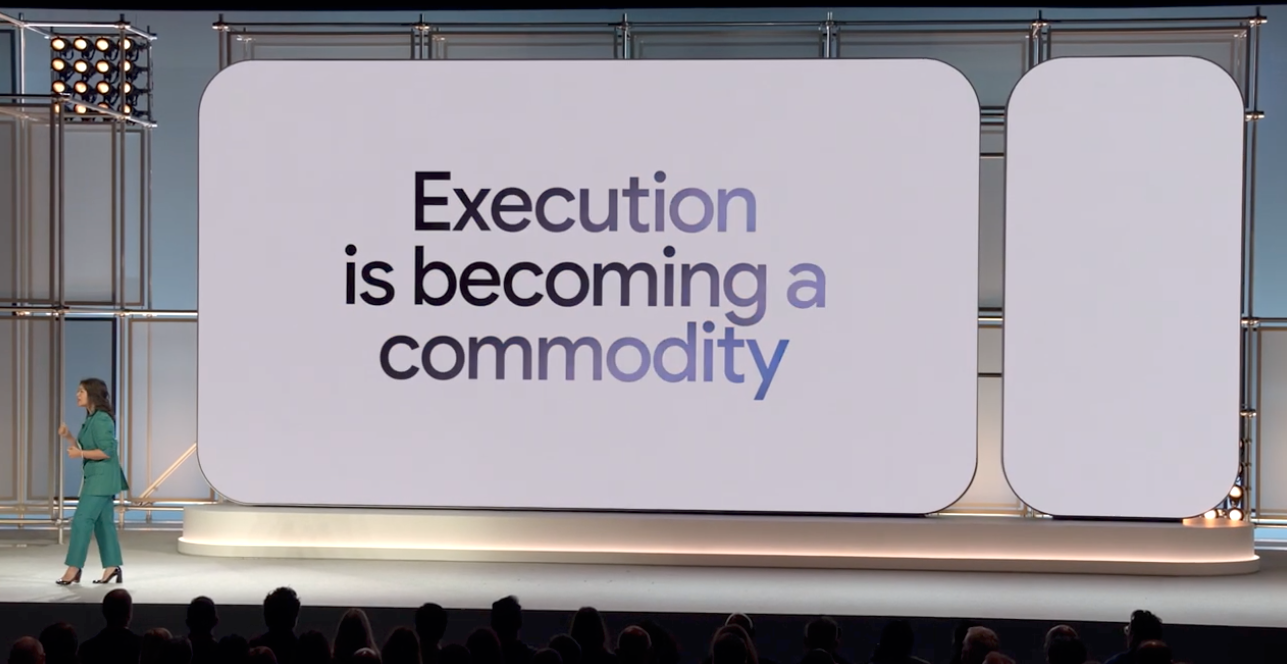
With AI-driven Google Ads, it’s evident that execution alone is no longer a competitive advantage. As Selin Song from Google Customer Solutions emphasized, execution has become a commodity.
Here’s what the new skill set involves.
I’ve learned to design inputs – the new keyword research. Knowing what inputs to provide the system helps it find the right audience on my behalf.
With AI Max for Search, I’m using a mix of broad match, keywordless targeting, text customization, and URL expansion. This strategy surfaces queries my keyword list wouldn’t catch, leading to an average of 7% more conversions or conversion value at a similar CPA/ROAS.
Feeding the system accurate conversion data is crucial. If conversion actions are irrelevant, the system solves the wrong problems, and that responsibility falls on me.
In terms of product and feed data, optimizing feeds with Conversational Attributes helps display products effectively in AI-generated responses. Ensuring audience signals are precise also shapes system operation, particularly with new prospects.
The days of relying solely on keyword lists are long gone; today’s system demands a strategic approach with the right inputs to automation.

Value signal architecture has replaced traditional bid management. My focus is now on providing robust signals like first-party data and accurate conversion values to Smart Bidding.
The advent of demand-led budget pacing means I set parameters rather than control pacing. Understanding product margins, inventory, lifetime value, and cash flow guides me in providing the right signals instead of merely setting bids.
Journey-aware bidding allows me to optimize the full conversion journey, not just the endpoint, requiring a well-instrumented conversion path connected back to the ad platform for effectiveness.
System prompting is today’s copywriting. AI Brief powered by Gemini helps me guide AI Max using brand-specific briefs to ensure it represents the brand accurately without over-constraining creativity.
I’ve learned to write briefs that effectively convey brand strategy, assisting AI in maintaining brand integrity in every campaign impression.
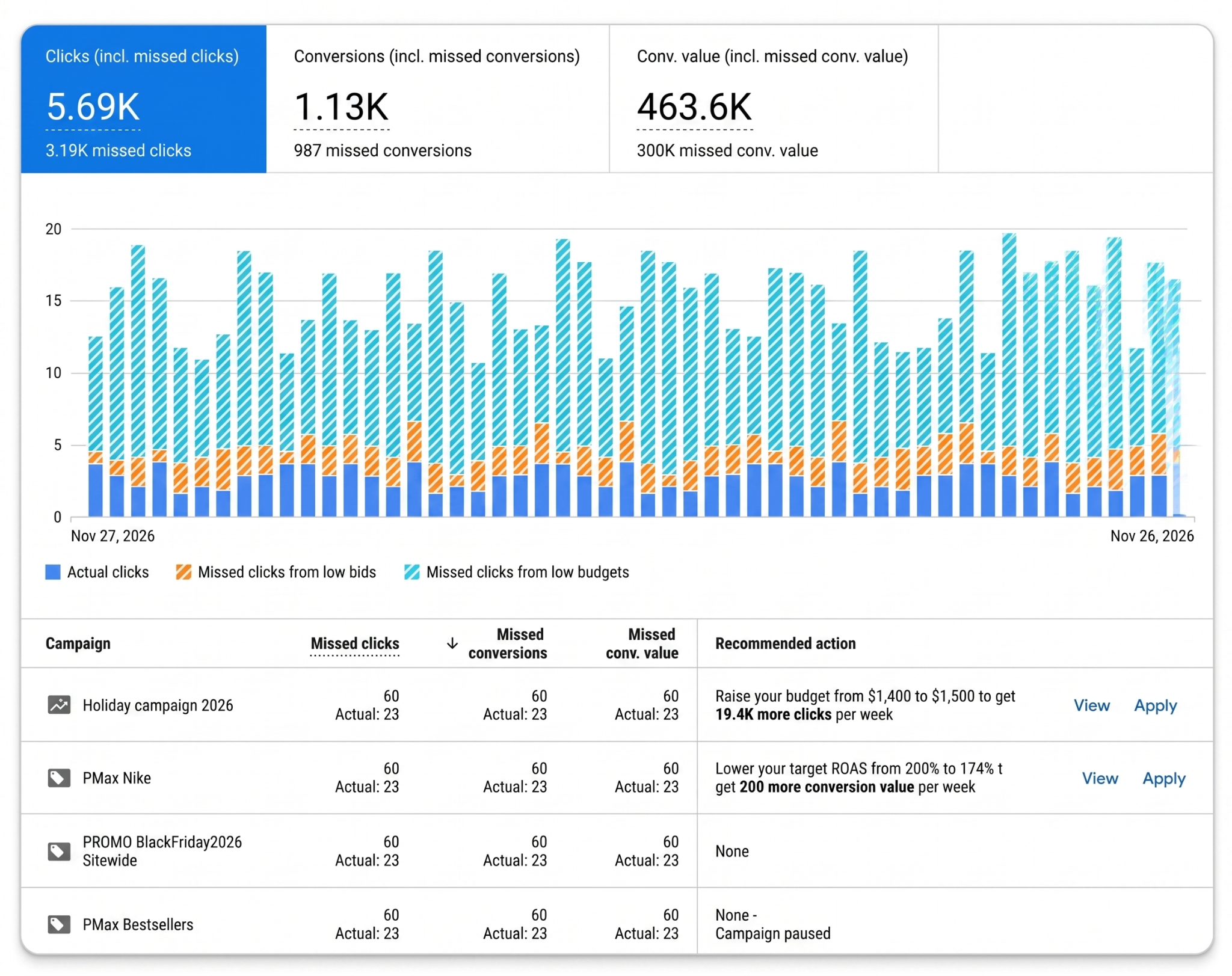
Budget architecture has taken precedence over daily budget adjustments. Campaign total budgets automate the process, and interpreting auction behavior in predictive systems has become my focus.
I rely on missed opportunity reporting to make informed decisions about budget constraints and optimize growth opportunities within the architecture I construct.
Measurement literacy has surpassed mere Quality Score management. Feeding the system quality signals helps it make informed decisions and optimizes bidding behavior through robust data integration.
It’s crucial now to ask business-relevant questions that the system can optimize toward meaningful outcomes. Communicating system behavior in business language is becoming a survival skill, alongside maintaining human oversight to ensure strategic alignment.
GML 2026 confirmed we’re already in this new phase. Thriving today means understanding the system’s needs and strategically providing those inputs to achieve business objectives.
Inspired by this post on Search Engine Land.

Leave a Reply