Hey there! Navigating the ever-evolving landscape of Google Ads can be quite the adventure. I’ve gathered some important insights to help us optimize our PPC campaigns by addressing common pitfalls like inconsistent tracking, outdated negative keywords, and an over-reliance on AI.
Google Ads is in a constant state of evolution. This means new challenges and mistakes often pop up as we optimize and manage our PPC campaigns. Let me share some insights on the most prevalent Google Ads mistakes in 2026, so we can dodge them effectively this year.
Optimization decisions hinge on conversion data. If our conversion tracking is inconsistent, it skews the entire account’s data, making it difficult to draw accurate insights.
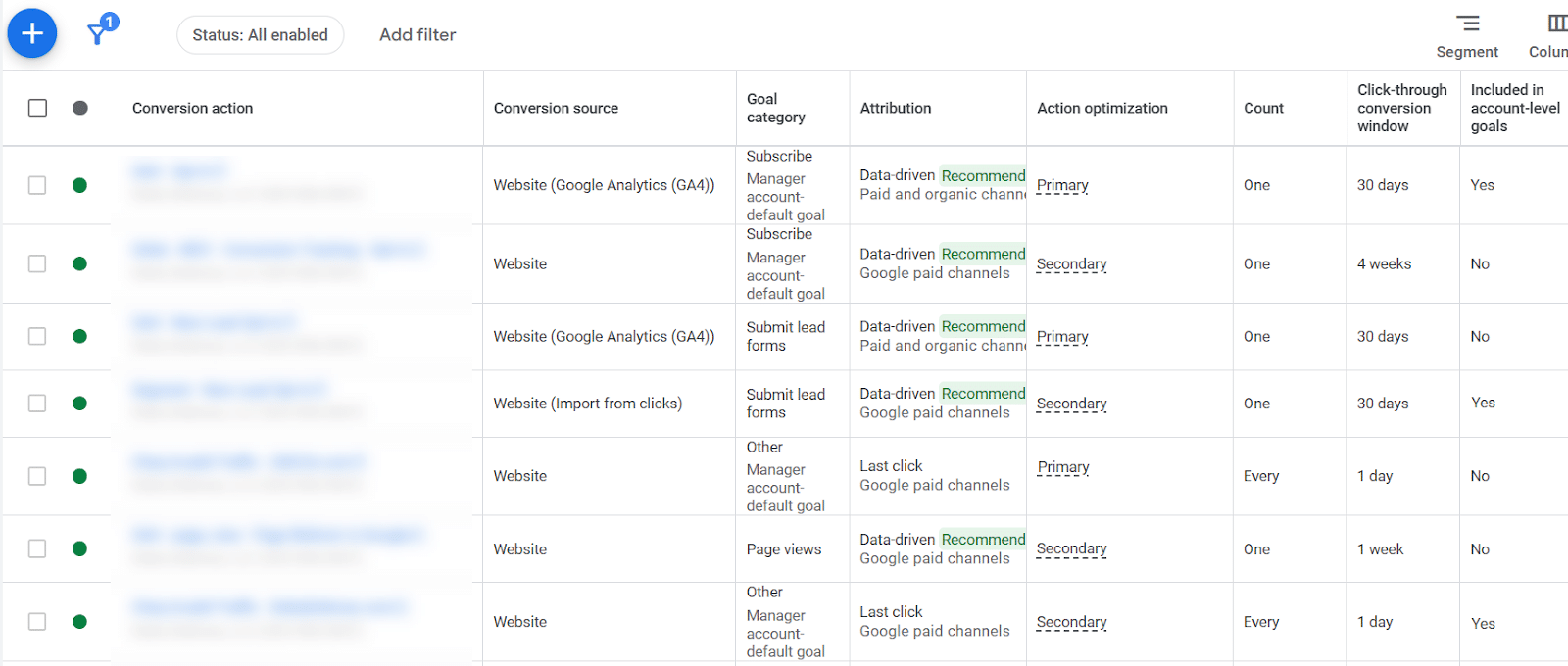
Converting varying attribution methods, count types, and conversion windows means data is applied unevenly across our account, complicating any assessment of click value.
Occasionally, we might override tracking settings at the campaign level, achieving accuracy there but inconsistent data at the account level. Ensuring consistent application of conversion data is something I prioritize in my management tasks.
I’ve noticed many people losing sight of ‘exact match’ keywords as Google encourages broad match by making it the default setting in their interface. Yet, exact match is invaluable, consistently proving to be the highest-converting match type for many of us.
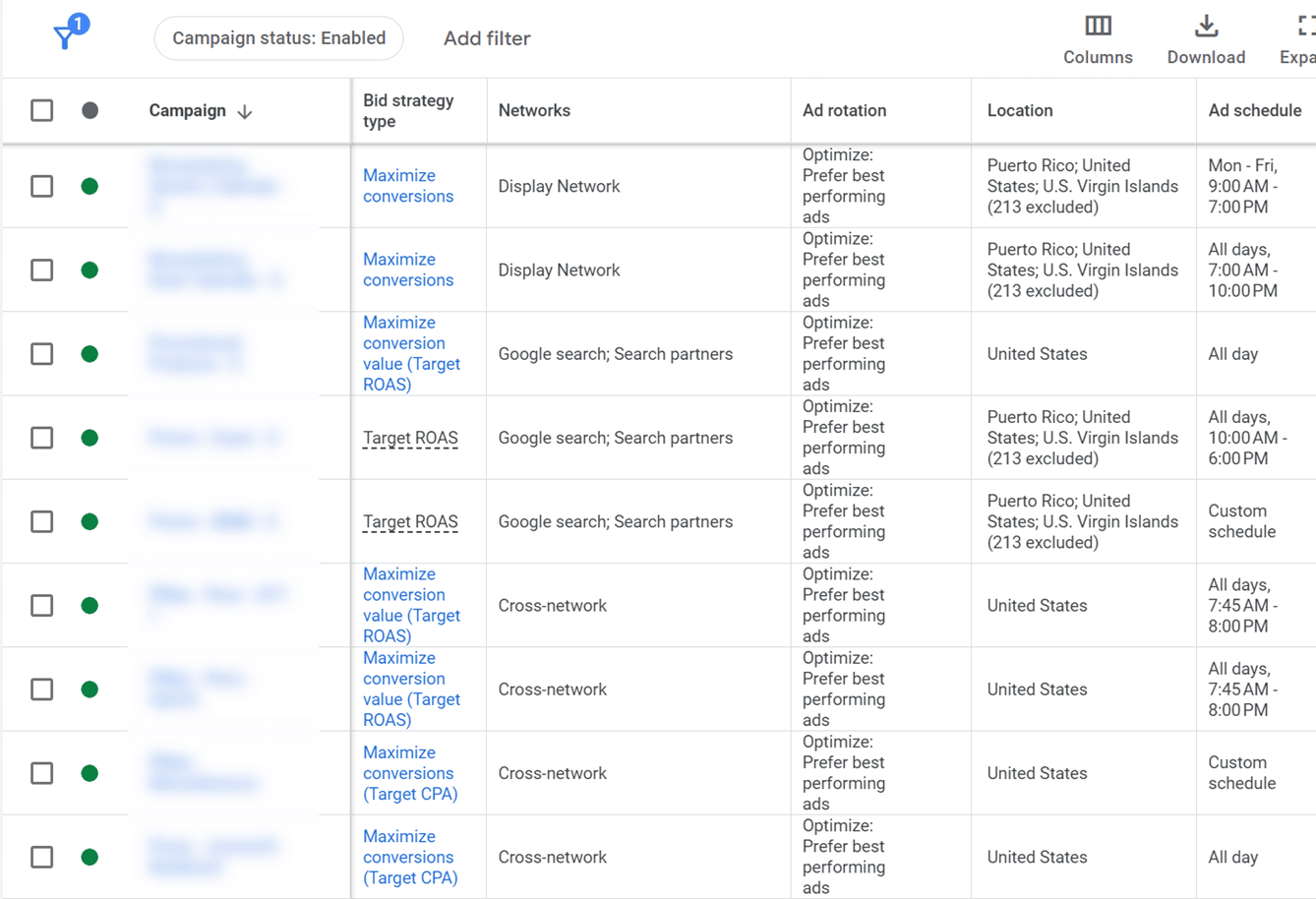
When campaigns vary widely in excluded regions, ad schedules, and bid strategies, it’s crucial to re-evaluate our settings. Consistency in campaign settings is vital to keeping everything running smoothly.
Ad strength directly affects how much control Google has over our ad content. Lower ad strength means more control for us, which I’ve found leads to higher conversion rates despite common misconceptions about its impact on quality scores.
The flexibility of match types has loosened in recent years, leading to search terms triggering multiple keywords. This duplication, without exact matches, can cause inconsistent messaging. I always make sure our keyword list includes top-performing search terms.
Broad match keywords can lead to different results based on our bidding strategies. I learned the importance of matching bid strategies with the right keyword types. After all, different goals require different approaches.
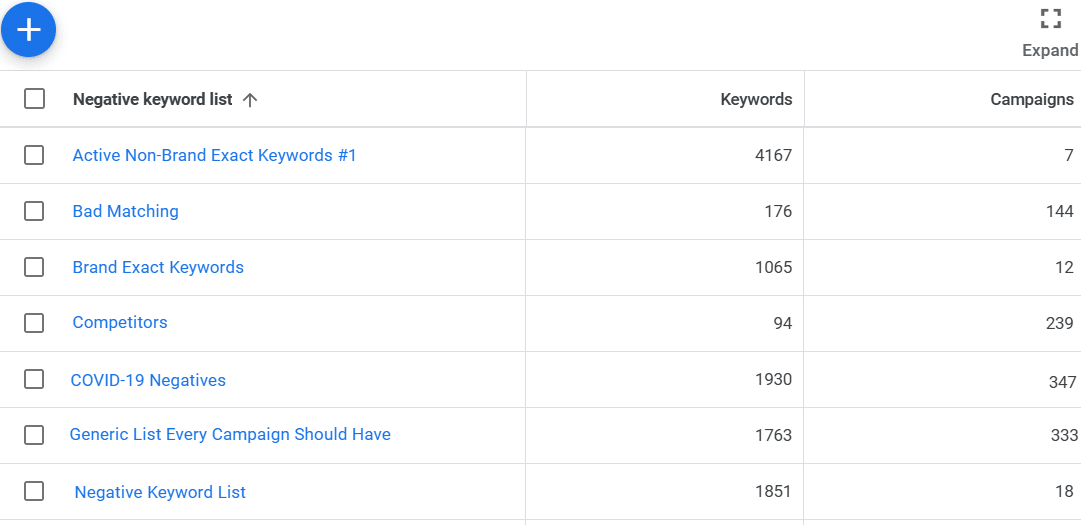
Blinded by our auto-pilot tendencies, we might use outdated negative keyword lists without review, which leads to keyword blocking and lost opportunities. It’s essential to review these regularly to prevent conflicts.
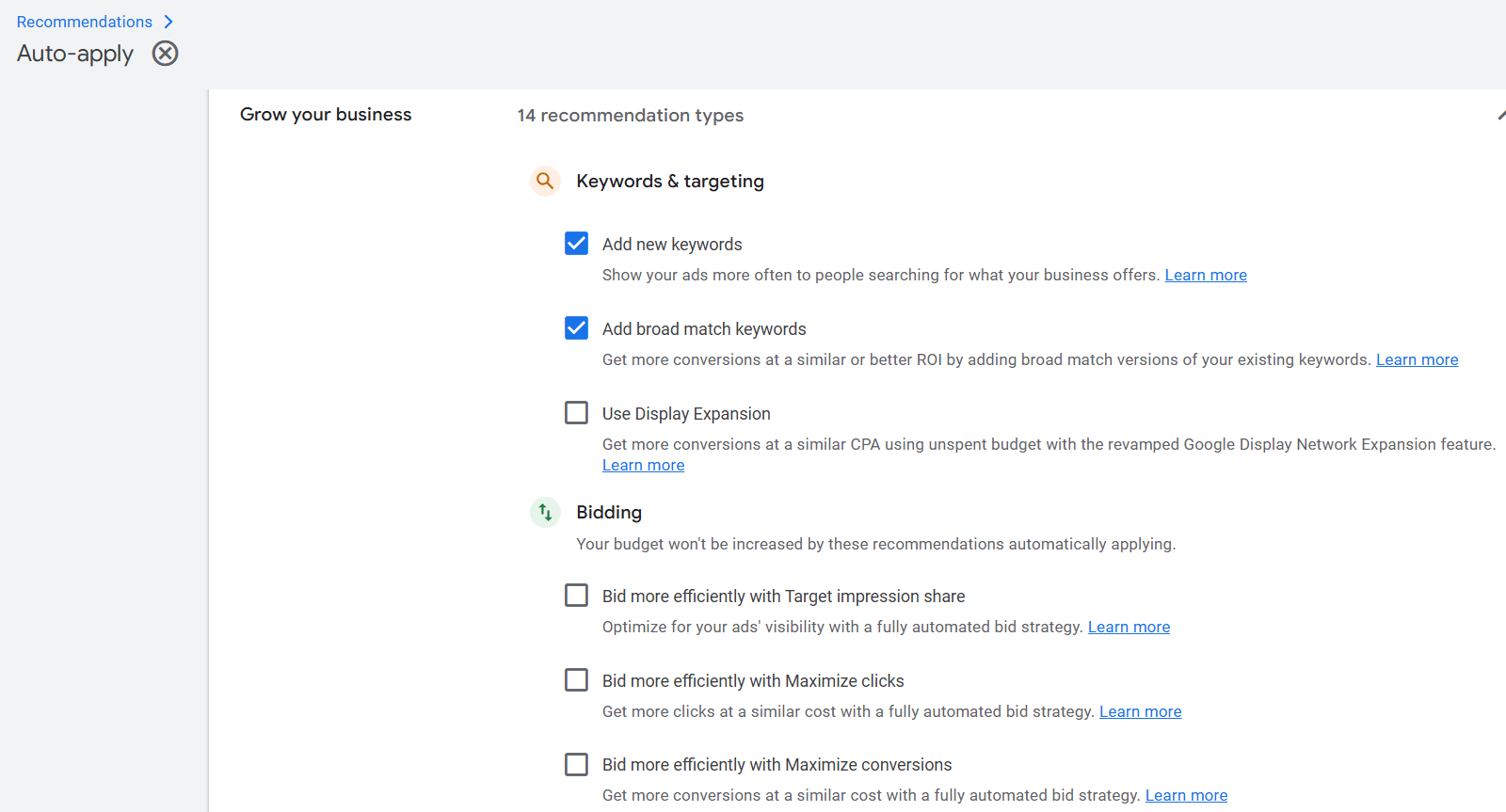
Having auto-apply turned on in Google Ads can lead to unexpected changes like added keywords or modified bid strategies. Turning it off gives me the power to make well-thought-out decisions instead.
Finally, while AI offers tremendous capabilities, believing it’s wiser than us can be a major pitfall. I always remember that it’s best used as a tool that complements our judgment and expertise in ensuring successful campaigns.
Inspired by this post on Search Engine Land.

Leave a Reply