
If investigative reporting disappears from Google after a copyright complaint, treat it as a two-track incident. You need to preserve the record showing how the work was created while identifying the precise route for restoring lawful visibility. Rewriting the page, replacing files, or accusing the claimant in public before you do either can make the dispute harder to untangle.
The risk is not hypothetical. In one documented dispute, a March 27 notice accused Search Engine Land of copying text verbatim and using proprietary images, after which Google removed the affected URL from search results. Clickout Media’s alleged transformation of news sites into AI-driven gambling platforms was the investigation’s subject. The important operational lesson is that a copyright allegation can interrupt distribution before the underlying merits have been publicly resolved.
Confirm what was removed before arguing about why
A search delisting, hosting takedown, CDN block, CMS suspension, and deleted page are different failures. They affect different surfaces and require different remedies. Do not describe the reporting as “taken down” until you know which system stopped serving or surfacing it.
- Preserve the notice exactly as received. Save the message body, attachments, raw email headers, claimant details, alleged copyrighted work, disputed URL, case number, and receipt time. Export the platform dashboard entry as well as taking screenshots.
- Test the direct URL. Record whether it loads, redirects, returns an error, or displays a platform warning. Save the response code, page source, screenshot, and test time. A page that remains directly accessible but is absent from search has a different recovery path from one removed by its host.
- Check each discovery surface separately. Inspect Google results, Google Search Console messages, the XML sitemap, internal links, news or topic hubs, syndication copies, and any platform-specific index. Search results vary, so the absence of a result in one manual query is not enough by itself to establish a formal removal.
- Identify the decision-maker. Determine whether the action came from the search engine, hosting provider, CDN, registrar, CMS vendor, social platform, or another intermediary. Send a response to the organization that can actually reverse the action.
- Freeze mutable evidence. Export the published page, CMS revisions, drafts, source notes, media files, metadata, and rights records before changing anything. Make a read-only archive and record checksums for important files so later changes can be detected.
Create one incident record with the disputed URL, notice identifier, affected services, first observed time, current page status, response deadline, internal owner, legal owner, and every action taken. This prevents editorial, SEO, engineering, and legal teams from creating conflicting versions of events.
Do not evade a removal by immediately cloning the page to a new URL. That can multiply the disputed URLs, confuse canonical signals, complicate the evidence trail, and create additional legal exposure. Preserve first, then decide what may lawfully remain available with qualified counsel.
Build an allegation-by-allegation evidence packet
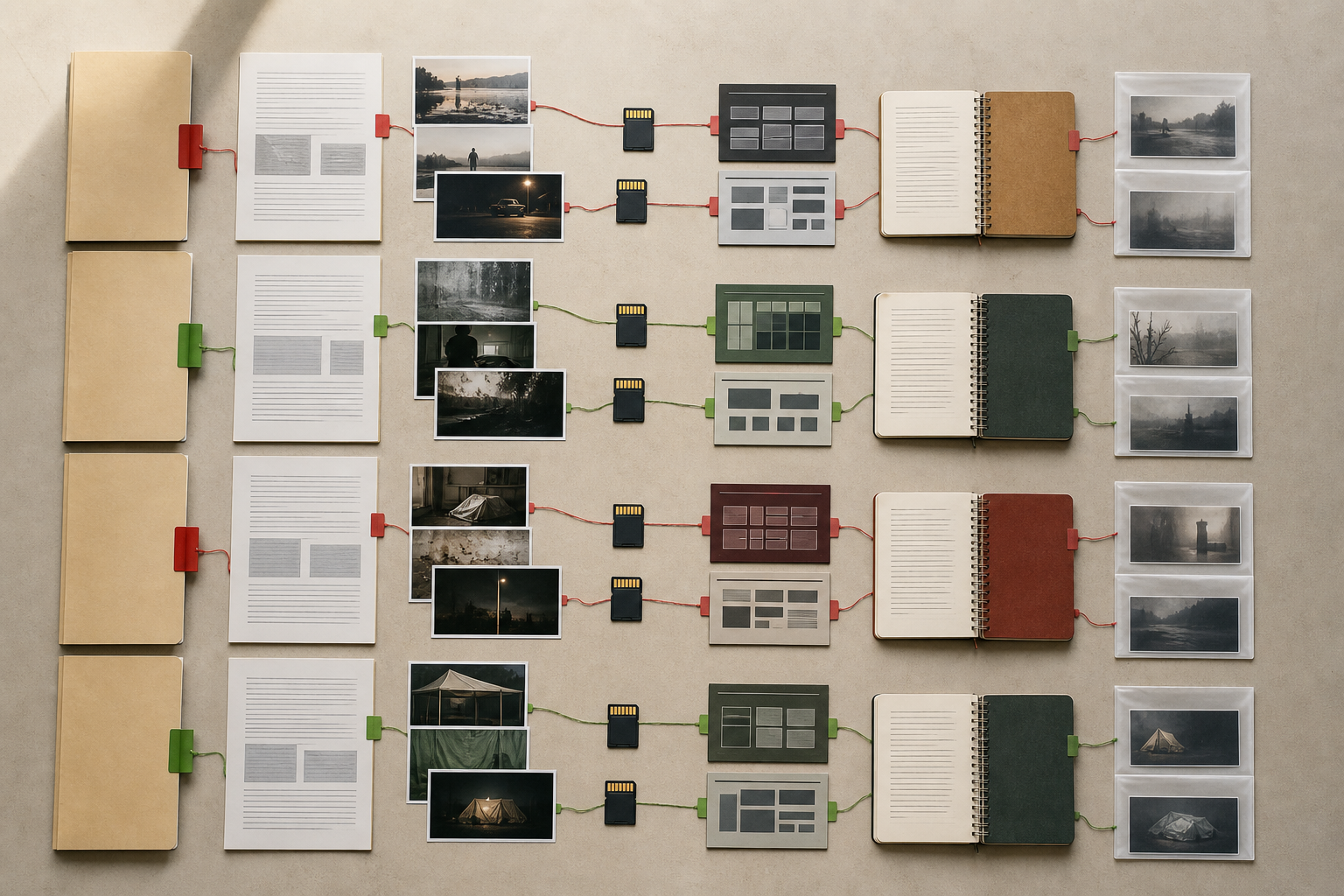
A notice is not proven false merely because its timing looks suspicious or its effect is damaging. Treat “false,” “mistaken,” “unsupported,” and “abusive” as different conclusions. You need testable contradictions: the cited words do not appear on the page, the image was licensed, the claimant has not established ownership, the chronology is impossible, or the notice identifies the wrong URL.
| Question to test | Evidence to assemble | What the response should show |
|---|---|---|
| Was text copied verbatim? | Draft history, reporter notes, source links, timestamps, and a side-by-side comparison of the exact passages | Which words are actually shared, where they appear, and whether the notice accurately describes the overlap |
| Was an image used without permission? | Original file, creator identity, license or assignment, receipt, attribution record, metadata, and the terms captured when the asset was obtained | Which image is disputed and the specific basis on which it was published |
| Does the claimant control the asserted rights? | The work identified in the notice, its URL and publication date, the claimant’s stated relationship to it, and any ownership records supplied | Whether the notice connects the claimant to the particular material at issue |
| What action actually occurred? | Direct-URL tests, platform messages, Search Console records, screenshots, response codes, and timestamps | Which service restricted the page, when it happened, and whether the restriction is still active |
| What changed after publication? | CMS revisions, media replacements, redirects, correction notes, deployment logs, and editor approvals | A clean chronology that distinguishes the original publication from later edits |
Keep the evidence factual and compact. A platform reviewer should not have to infer your rebuttal from a folder of unrelated screenshots. Number each allegation, quote only the minimum text needed to identify it, attach the corresponding proof, and state the requested remedy for that allegation.
Preserve unfavorable evidence too. If an image license is ambiguous or a passage is closer than expected, hiding that weakness will not improve the legal position. Flag it for counsel and separate it from allegations you can disprove cleanly. A mixed notice may contain an unsupported claim alongside a genuine rights problem.
Choose the response path with counsel, not by reflex
The fastest-looking option is not always the safest one. An informal correction request, platform appeal, asset replacement, negotiated resolution, and formal counter-notice carry different consequences. The right route depends on who acted, what the notice alleges, whether the material remains online, and what your evidence establishes.
Start with a precise administrative response when appropriate
If the platform offers an appeal or reinstatement process, answer the notice rather than the suspected motive behind it. A useful submission contains the case identifier, exact URL, current status, a numbered response to every allegation, supporting records, the requested action, and a contact authorized to handle follow-up.
Avoid a long defense of the investigation’s public importance as a substitute for copyright evidence. Public-interest reporting may explain the stakes, but it does not by itself resolve who owns an image or whether wording was copied. Lead with the evidence that answers the claim.
Treat a counter-notice as a legal act
A formal counter-notice is not an ordinary customer-support reply. Depending on the process, it may require legal declarations, identification details, and consent connected to jurisdiction. An inaccurate submission can create exposure beyond the original search problem. Have qualified copyright counsel review the notice, the evidence, the governing procedure, and the final language before filing. If the publisher, claimant, or platform is outside the United States, counsel should also confirm which law and process actually apply.
If you discover a genuine asset problem, preserve the original state before removing or replacing the asset. Record what changed, when, why, and who approved it. Let counsel decide whether any accompanying statement could be interpreted as an admission.
Keep the public statement narrower than the evidence
You can accurately say that a notice was received, a URL was affected, the claim is disputed, and a review or appeal is underway when those facts are documented. Do not label the claimant fraudulent, corrupt, or criminal merely because the notice appears weak. Those are separate allegations with their own evidentiary and legal risks.
Coordinate the public statement with the formal response. A social post written in anger can contradict an appeal, disclose material intended for counsel, or lock the publisher into a conclusion before the evidence review is complete.
Protect search and AI visibility without compromising the dispute

Availability and discoverability are separate. A page can remain live for direct visitors while losing search distribution, which can also reduce the chance that search-connected AI systems retrieve or cite it. Recovery work therefore needs legal, technical, editorial, and communications owners working from the same incident record.
- Keep the established URL stable when publication remains lawful. Avoid unnecessary slug changes, redirect chains, or duplicate copies. Continue linking to the URL from relevant author, topic, and investigation pages unless counsel or the serving platform requires otherwise.
- Record every post-notice change. If wording, images, metadata, canonicals, redirects, or access controls change, preserve the previous state and log the reason. Silent edits blur the chronology that reviewers and counsel may need.
- Make authorship and publication data explicit. Accurate Article or NewsArticle structured data can identify the author, publisher, publication date, modification date, headline, and canonical page for machines. Schema helps systems interpret those public assertions; it does not prove copyright ownership, invalidate a notice, or guarantee restoration in search or an AI answer.
- Use only lawful distribution paths. Keep newsletters, feeds, archives, and authorized syndication copies functioning where rights and contracts permit. Do not create mirrors solely to route around a restriction.
- Monitor the actual failure mode. Track whether the direct page loads, whether the platform case changes, whether Search Console reports a new status, and whether the canonical URL returns to relevant results. A ranking fluctuation is not the same as reinstatement.
Do not promise that structured data, internal links, or republication will force a frontier model to cite the investigation. Those measures can improve machine-readable provenance and create legitimate discovery paths, but none overrides a platform’s legal process.
Make the next incident easier to defend
The strongest preventive control is not a disclaimer. It is a publication record that can be assembled before a notice arrives. For investigative work, retain source notes, timestamped drafts, editorial approvals, original media, licenses, attribution decisions, screenshots of asset terms, correction history, and deployment records under a defined retention policy.
- Create a dedicated intake address for copyright notices and route it to editorial, legal, SEO, and engineering owners.
- Use a standard incident template containing the notice ID, claimant, asserted work, disputed material, affected URL, platform, deadline, evidence owner, legal status, search status, and approved public language.
- Require provenance records for every non-original image, chart, document excerpt, and embedded media item before publication.
- Keep CMS revision history and media replacements attributable to named users rather than relying on shared accounts.
- Prepare platform-specific access instructions so the person handling the incident can reach hosting, CDN, Search Console, analytics, and syndication records without waiting for credentials.
These controls will not prevent someone from filing a questionable notice. They reduce the time spent reconstructing authorship, rights, and platform status after the reporting has already lost distribution.
Key takeaways
- Confirm whether the page was deleted, blocked, deindexed, or merely absent from a particular query before choosing a remedy.
- Preserve the notice, published page, drafts, source records, media provenance, platform messages, and technical status before making changes.
- Rebut each allegation with matched evidence; suspicious timing alone does not establish that a DMCA claim is false.
- Have qualified copyright counsel review any formal counter-notice or response that could create legal exposure.
- Keep lawful URLs and provenance signals stable, but do not clone pages or use schema as a way to evade a platform restriction.
Your first objective is a clean factual record, not the loudest rebuttal. Once that record exists, counsel can choose the legal route, the platform team can request the correct remedy, and the SEO team can restore discoverability without creating a second problem.
References

Leave a Reply