Attending Google I/O 2026 for the first time felt like stepping into a realm of boundless energy and optimism, almost as thrilling as witnessing a crowning ceremony.
The initiatives launched last year have transformed into robust pillars of growth. Ask Maps, for instance, has become the blueprint for introducing Ask YouTube. Gemini 3.5 Flash fuels Antigravity, akin to Claude Code but under Google’s banner, and Googlers are already harnessing it to construct the exciting features shown on stage.
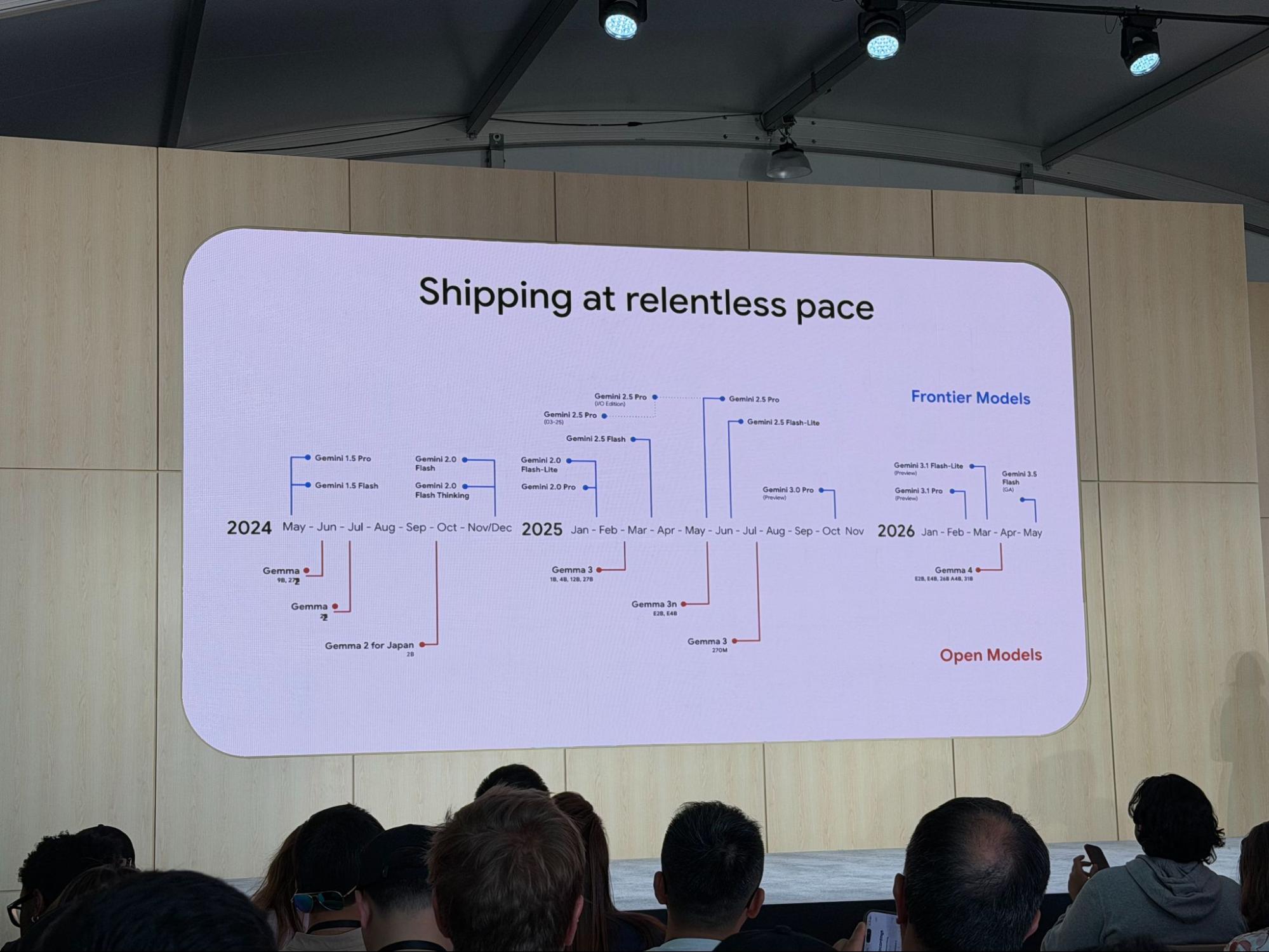
The pace of innovation was breathtaking, everything rolled out swiftly and assuredly.
Every announcement seemed to cater to a diverse audience.
- Gemini Omni was likened to Nano Banana but designed for video content (see this strange proof).
- Smart glasses are making a much-discussed return.
- There are video game-like experiences that can be instantly prompted and played.
- The capability for Workspace to bring documents to life with mere conversations.
- A feature allowing the transformation of Google Maps images into surreal dreams seems more like a solution waiting for a problem, perhaps for Hollywood studios looking to bypass on-location shoots?
- I even have Gemma on my phone, enabling in-flight conversations with a smaller model. (Thanks to American Airlines’ free Wi-Fi, I’m all set.)
And yet, the most intriguing element remains to be addressed.
Gemini and Search: Converging Evolution
Gemini is beginning to resemble Search, while Search is adopting features of Gemini.
Both platforms now include features that satisfy similar needs: keeping tabs on the web and alerting users when something of interest arises.
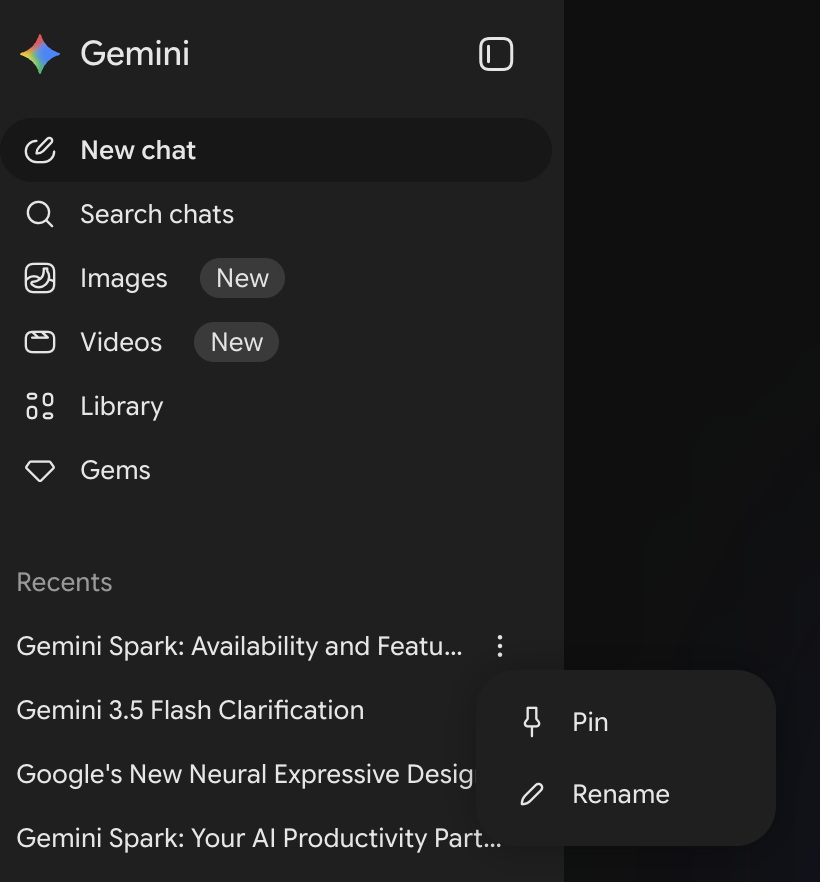
In Search, these are known as information agents. In Gemini, they go by Spark or Daily Brief. The connection is unmistakable.
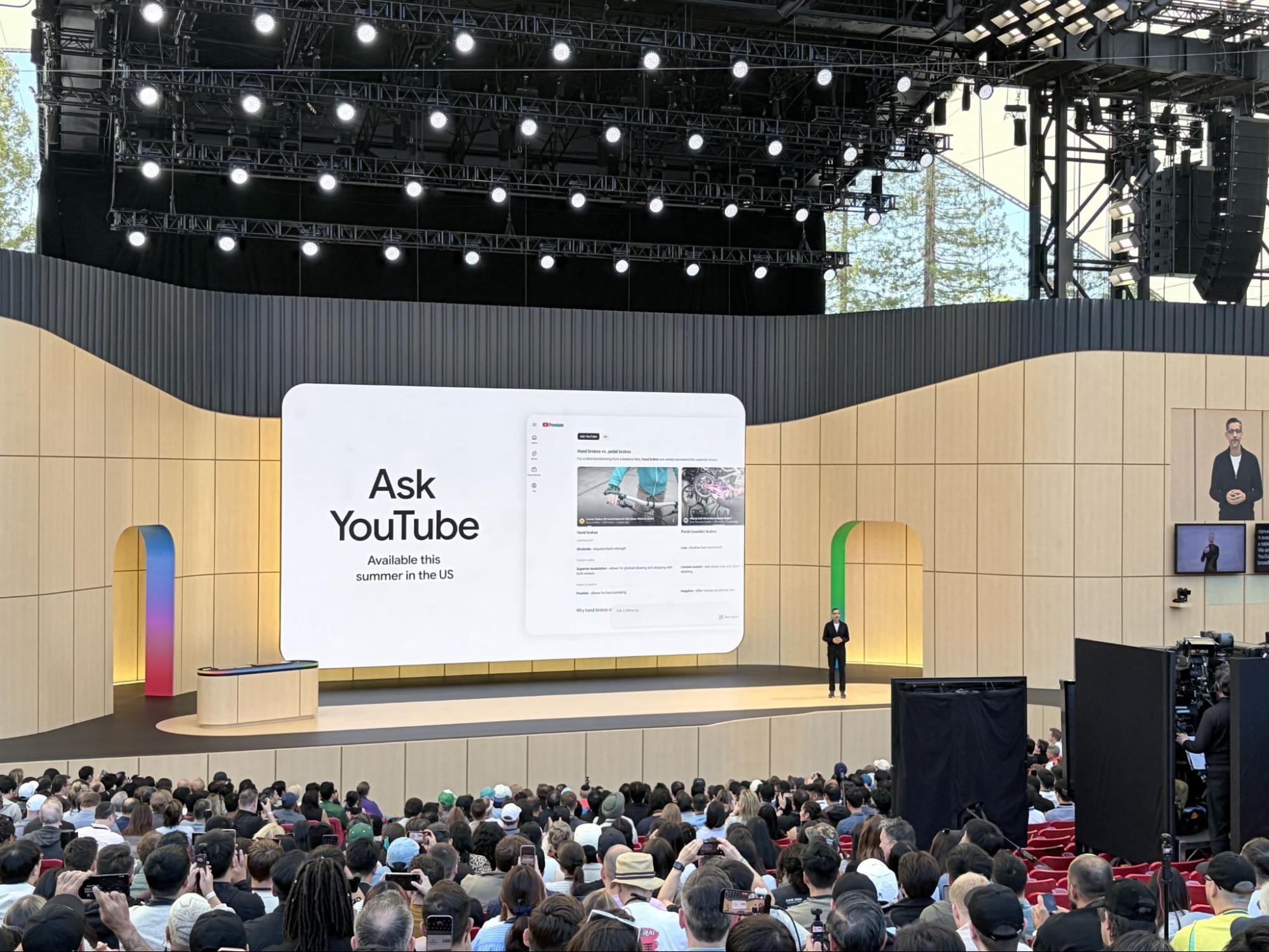
I asked a product manager about their approach to long-term feature management and overlapping utilities. Their response was simple: “Right now, it’s all about velocity.”
Shipping fast is the mantra shared by three other product managers, all behind key I/O features initiated and deployed within this whirlwind year, 2026. It’s astounding.
The product manager elaborated, “Velocity is achieved through reduced managerial overhead.”
This implies jumping on board quickly and figuring out the finer details later.
Once You See It, You Can’t Unsee It
Armed with this understanding, the rest of the day wore a new perspective. The demos were impressive, yet I pondered: what’s the next step with these innovations?
Though I now have Gemma on my phone, one developer couldn’t provide a tangible day-to-day use case. I witnessed AI Mode’s monitoring prowess by prompting it to “keep me updated.” Despite seeing the connection of components, my questions about managing these alerts as they age went unanswered, indicating it’s still an early-stage demo.
Many features appear not to address their second-order effects thoroughly. It seems engineers are using these systems at a command line level rather than considering user interfaces.
A notable point is my current inability to delete old Gemini chats in a web browser, a functionality available in the Mac app.

Universal Cart Sparks Discussions
A frequently mentioned feature during I/O was Universal Cart, Google’s new cross-platform shopping protocol.
My opinion? If you’re Google, it’s an exciting development because, upon adoption, it further solidifies their control over the complete shopping experience. Conversely, for others, this development might be a cause for concern.
Despite these concerns, the group I conversed with didn’t seem troubled, feeling distanced from the growing anti-AI sentiment in the U.S.
Speaking with an SEO expert at a major ecommerce brand implementing Universal Cart, they related the velocity comment to their own implementation experience, describing it as feeling rushed.
The AI Content Guidelines Controversy
The emphasis on speed helps explain the controversies surrounding Google’s AI content guidelines.
Just four days before I/O, Google’s Search quality team advised publishers to “write for humans, not AI.” Shortly thereafter, the AI agent team demonstrated capabilities where Google’s own agents browse, interpret, transact, and create web content.
As Google shifts towards AI handling more tasks, the advice given to publishers starts to sound less sincere.
Impact on the Web Ecosystem
I don’t wish to undermine the engineers’ efforts. I communicated my respect for their work directly to them. Building products for search and clients myself, I can relate to frequent criticisms over compliments.
Still, the potential downside of overlapping features, difficulty in managing or reconciling data could lead to significant technical challenges later. The current AI strategy appears to be: prioritize feature utilization first, reconcile later.
Nevertheless, I admire Google’s rapid progress and look forward to future developments. Leveraging substantial resources, they can experiment comprehensively to identify successes.
Regrettably, my enlightening conversation with the product manager was abruptly concluded as we were asked to vacate the premises.
Spotting the Bright Spots
Google reports unprecedented high search query volumes. They are enhancing authentication and provenance through SynthID’s expansion into Search and Chrome, welcoming new partners like OpenAI, and integrating C2PA content credential verification.
These are indeed significant accomplishments.
However, the relentless pace might lead to unforeseen challenges. My hope is that the quest for speed doesn’t further destabilize the already-fragile web ecosystem.
In conclusion, it’s undeniably an exhilarating era for search technology.
Dig deeper.
- Google’s new intelligent Search box – its biggest change in 25 years
- Google Search now powered by Gemini 3.5 Flash
- Google Search gains information agents and enhanced experiences
- Build your own app within Google Search using agentic coding
Inspired by this post on Search Engine Land.

Leave a Reply