
Most product feeds are traditionally geared towards paid media. But I’ve discovered aligning them with organic search behaviors significantly enhances visibility across Shopping and AI platforms.
When I ask most e-commerce brands who manages their product feed, the response is usually the same: the paid media team is in charge.
Often, a feed management tool is categorized under PPC. It might even be a relic created by the shopping team years ago, with titles that haven’t been updated since. SEO, unfortunately, rarely has its say in these strategies.
Whether you’re focused on AI-powered search or traditional clicks, excluding SEO from your product feed strategy means missing out on substantial opportunities.
AI Shopping Results Are Connected to Google Shopping Data
According to a recent Peec AI study, up to 83% of ChatGPT carousel products reflect Google’s organic Shopping results—and 60% of those are from Shopping positions 1-10.

On Google’s side, their Shopping Graph includes over 50 billion product listings, directly feeding AI Overviews, AI Mode, and Gemini. AI Overviews now appear in about 14% of shopping inquiries, a leap from roughly 2% in late 2024. As I’ve seen, AI search results are still largely based on the traditional search engine result page (SERP).
SEO is vital for establishing brand authority. It opens up valuable opportunities to collaborate across channels for improved search visibility. It’s time for SEOs, commerce, and paid media teams to come together.
The Case for a Dedicated Organic Feed
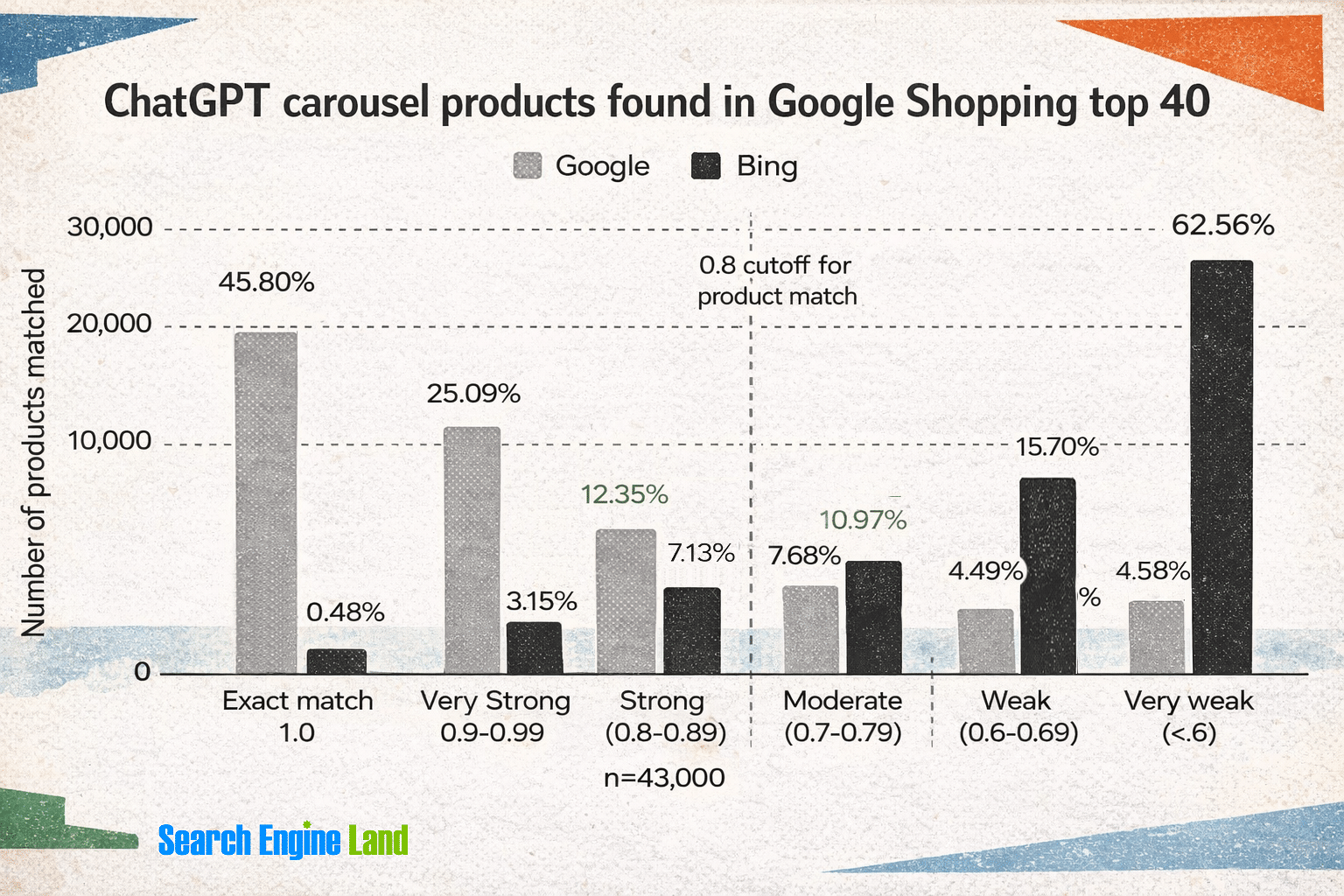
Most brands run a single product feed aimed at Google paid shopping campaigns. The focus is often on optimizing titles for bid relevance and descriptions for Quality Score rather than for user search behaviors.
As user search habits evolve, aligning product data with search queries becomes increasingly important. A title with too many paid-friendly modifiers doesn’t necessarily match natural search queries.
When we tested this with a major ecommerce brand, our agency’s AI SEO team worked with the commerce team to create a dedicated product feed just for organic listings. Optimizing specifically for organic visibility made a world of difference.
After implementation, we saw the following results:
- Organic listing CTR increased by 10% month over month and purchasing rates rose by 4%.
- A product-level test revealed a 92% increase in revenue for free listings, with an 83% increase in visibility and a 14% rise in add-to-cart rates.
- Organic optimizations alone generated 35,000 impressions with a 1.4% CTR—55% higher than paid CTR for the same period.
We recognized that our paid and organic strategies serve different needs, so they should be optimized independently. Organic feed titles should reflect how customers naturally search.
What to Prioritize in an Organic Feed Strategy
Not all feed attributes are equally important. Whether you’re setting up a dedicated organic feed or auditing an existing one, these elements are essential starting points.
Focus on Titles as the Key Lever

Google’s algorithm favors feed titles highly in matching products to queries. As Google documentation suggests, including significant attributes can lift performance. Consider what customers might conversationally say when searching for your product.

Don’t Neglect Global Trade Item Numbers (GTINs)
According to Google’s GTIN documentation, products with accurate GTINs gain significant visibility. Data shows well-matched products can attract up to 40% more clicks and are key in aggregating reviews.
Images Add Value
Images are often flagged in Merchant Center disapprovals. Products with both standard and lifestyle images engage more users. Google’s Product Studio can assist in editing, helping SEO and creative teams work together on feed assets.
Optimize Key Attributes: product_highlight and product_detail
product_highlightallows you to add concise benefit statements in Shopping views. Descriptions like “water-resistant for light rain commutes” are more beneficial than vague terms like “high-quality material.”product_detailgives structured specs that influence Google’s filters in product grids.
The semantic optimization SEOs apply to product pages should guide feed attributes. Product and content teams’ insights are vital not just for PDPs but also for feeds.
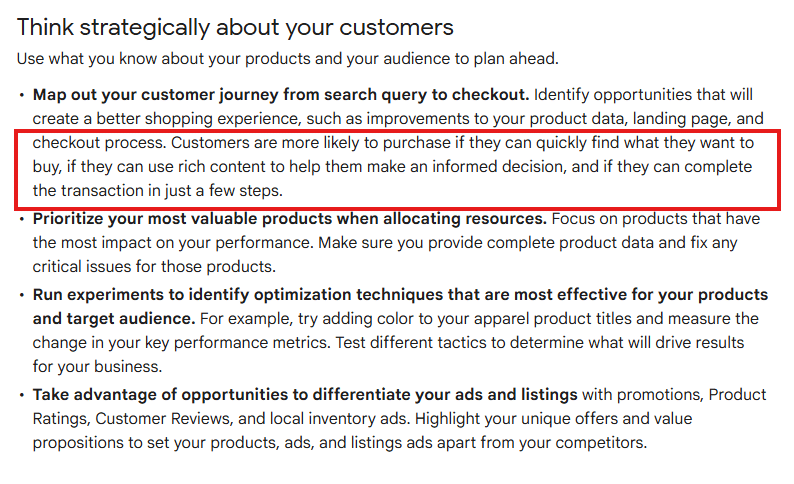
Your Feed is Your Agentic Commerce Foundation
Investing in feed optimization for organic visibility will prepare your brand for the agentic commerce landscape.
Google’s Universal Commerce Protocol is essential for AI agents to complete transactions directly in AI Mode and Gemini. Feeds entering the Shopping Graph fuel AI responses to shopping requests.
Google added the native_commerce attribute for UCP-powered buy buttons across Google services. Several new conversational commerce attributes will soon be available, which means feed and on-page content must be in sync.
Building a Cross-Channel Strategy for AI Search
Product feed strategy is ideal for cross-team collaboration to test, execute, and measure brand visibility. A harmonized approach across all surfaces benefits both traditional and AI-driven search outcomes.
- SEOs contribute keyword intelligence and semantic insights about AI system matching.
- Commerce teams manage product data and retail relationships.
- Paid teams have the infrastructure and expertise in feed health management.
These teams should collaborate to create a unified AI SEO strategy. Reviewing existing feeds and gathering all relevant stakeholders is essential to developing a comprehensive and effective product feed strategy.
Inspired by this post on Search Engine Land.

Leave a Reply