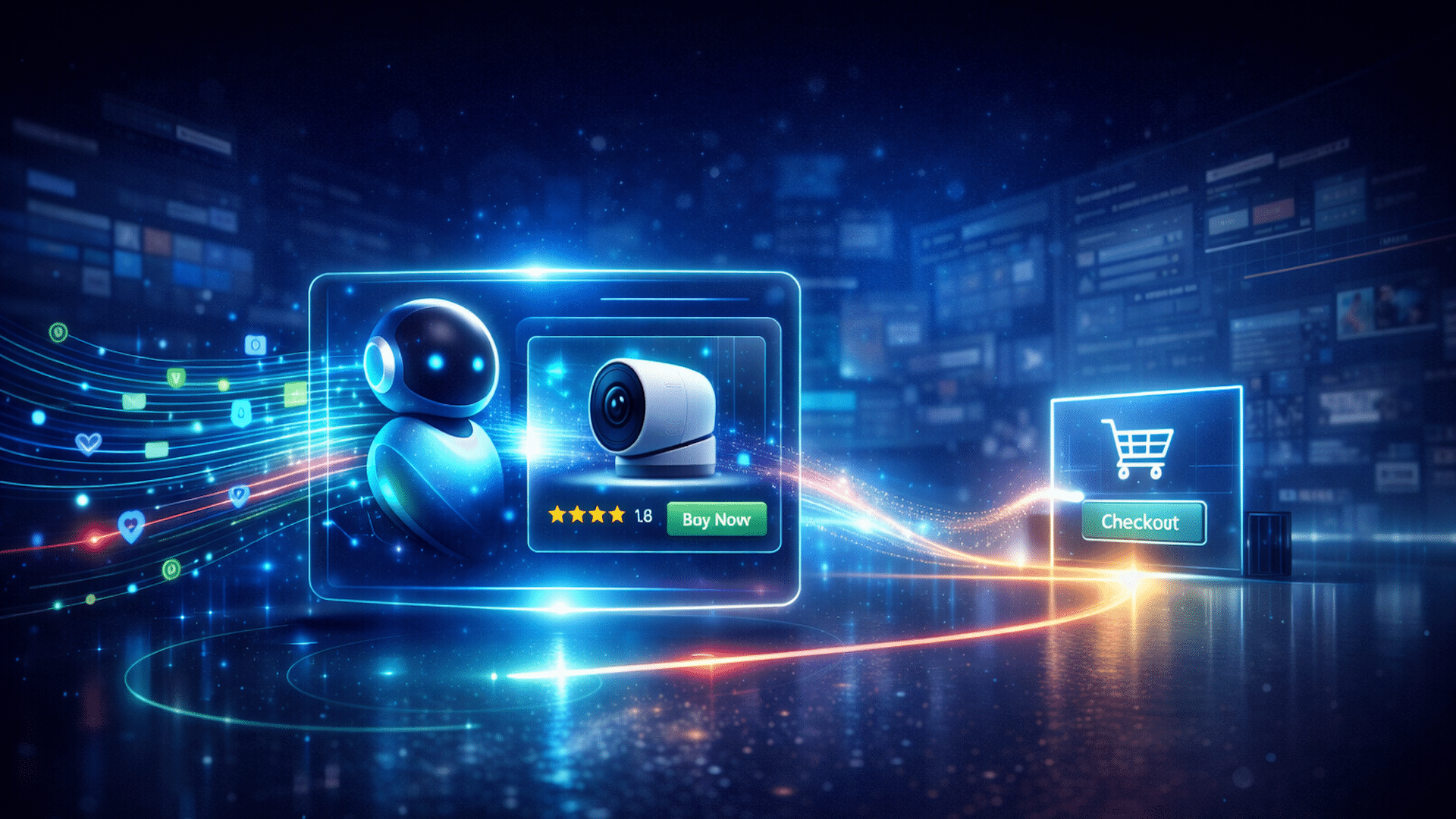
I’ve been keeping an eye on the latest developments in AI advertising, and it’s time to prepare for something big: ChatGPT ads are on the horizon. As consumers shift towards shopping through AI prompts, ChatGPT could potentially rival search as a powerful demand-capture channel, leading to a redirection of ad budgets.
Recently, OpenAI began testing ads in ChatGPT for a limited group of U.S. users, clearly marking these placements as sponsored content. Based on the platform’s internal dynamics, it won’t be long before this feature becomes widely available.
As advertisers, we have a unique opportunity to tap into a fresh demand-capture channel. However, it’s crucial to approach this space with clear expectations and understanding.
For ChatGPT advertising to truly succeed, consumer behaviors will need to evolve. And even if they do, remember that ChatGPT won’t expand the market but rather, redistribute it.
Why ChatGPT is Embracing Ads
It’s no shock that ChatGPT is moving towards advertising. Running an LLM query is estimated to be ten times the cost of a simple search query. With users generating 2.5 billion prompts daily, expenses pile up swiftly.
The core difference here isn’t just a model shift; it’s the data landscape. Over the years, users have fed personal information into ChatGPT, giving it insights unmatched by traditional advertising tools. The burning question is how ChatGPT will use this data to target its users effectively.
Advertisements have traditionally relied on repetition to generate demand, whereas search meets buyers with intent. ChatGPT might forge a similar path, equipped with more user context.
Imagine this: asking which security camera works with a certain system and receiving an informed answer and purchase link because the platform already knows about your existing setup.
Should this happen, ChatGPT could be the first new demand-capture channel since Google’s PPC ads launched two decades ago. Yet, obstacles remain.
Today’s AI queries largely lack buying intent, serving more informational needs. When buying happens, the conversion tracking might fall short due to users completing purchases on platforms like Amazon or Google after doing their research on ChatGPT.
Don’t be discouraged; such challenges are surmountable. Google’s journey from a homework help tool to shopping powerhouse wasn’t overnight. Likewise, ChatGPT will need time to educate consumers about shopping through AI.

While a brand-new demand-capture platform is exciting, have realistic expectations about its potential.
Market Share Reality Check
Despite the capabilities of AI, it won’t expand the advertising marketplace. ChatGPT ads won’t magically bring a wave of new consumers.
Instead, it will capture pieces of the existing market shared by Google, Meta, and Amazon. It’s more about shifting budgets rather than expanding them.
Competition will be fierce, particularly with Google’s AI platform, Gemini, presenting a formidable challenge. Market consolidation seems inevitable as AI races towards profitability.
The Differentiator: Hyper-Personalization
AI’s true edge might be in hyper-personalization. With their vast knowledge of user preferences, these platforms can deliver perfectly tailored recommendations.
This feature could make AI incomparable, offering personalized results seamlessly. However, this comes with risk, as hyper-personalization might feel invasive to some users.
If AI can maintain trust and avoid crossing privacy boundaries, its personalized convenience will likely be favored by most.
Steps to Take Now
While widespread ChatGPT advertising is still on the horizon, preparation is key. Here’s how to get ahead:
- Align on Measurement: Consider research-heavy metrics and assisted conversions.
- Optimize Mobile UX: Ensure a smooth, fast purchasing experience to avoid loss in demand capture.
- Plan Early Tests: Testing carries risks but can provide an early competitive edge.
Being strategic now will set the stage for success when ChatGPT advertising becomes fully operational.
Inspired by this post on Search Engine Land.

Leave a Reply