

As someone who’s been working with brand content for a while, I’ve gathered quite a bit of material that could use a refresh to improve our presence in AI-generated search results. In this context, let’s call this AEO—Answer Engine Optimization—to encapsulate our strategy going forward.
Recently, I’ve been fielding a lot of questions from brand marketers eager to enhance their AEO. To them, the suggestion of revising old content has often been an illuminating solution.
This insight opens up several important follow-up questions that I’d like to delve into now.
How do you reformat content for better AEO performance?
When it comes to content reformatting, I follow these core principles: topical breadth and depth, chunk-level retrieval, and answer synthesis.
- Topical breadth and depth.
- Chunk-level retrieval.
- Answer synthesis.
Let me break down what these mean in practical terms.
Optimize for topical breadth and depth
I organize my site using a hub-and-spoke model. This involves creating a hub page for each main category or keyword theme, which serves as a comprehensive introduction and links to detailed spoke pages.
Each spoke page tackles one specific aspect in detail, which helps in addressing various user questions and broadens the overall topical landscape for our content.
By linking related spoke pages to each other and back to the hub, I reinforce content connections, providing AI systems with clearer signals about topic relationships.
Optimize for chunk-level retrieval
I focus on making each content chunk comprehensible on its own, without relying on the entire page for context. This involves crafting sections that are semantically tight, with each focused on a single idea.
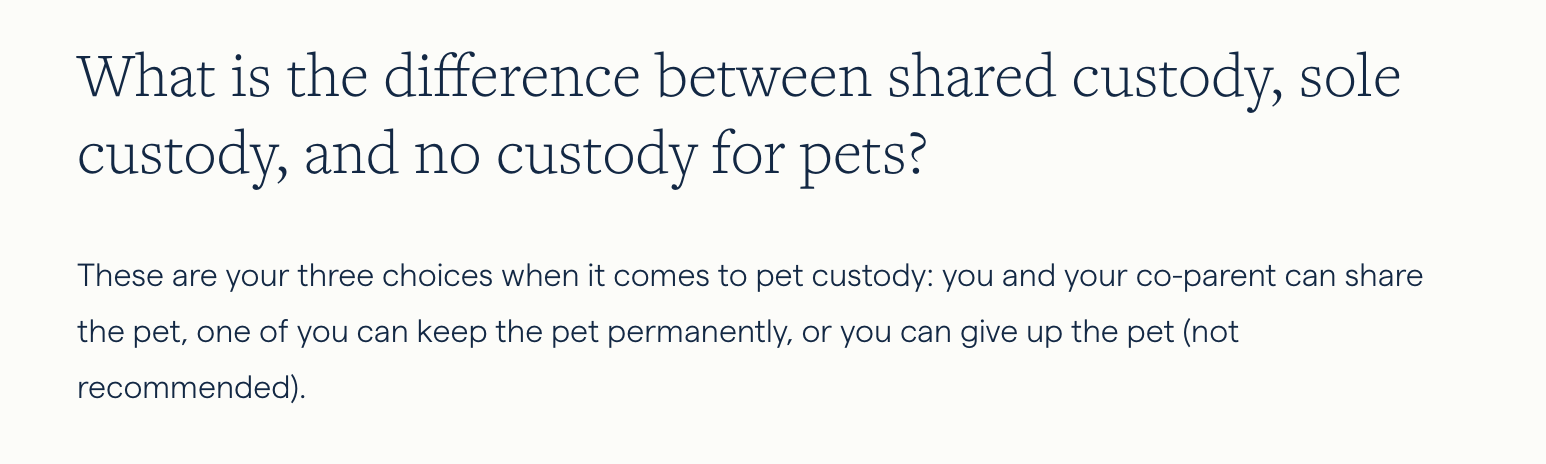
Keep each passage tightly centered on one concept — Our Family Wizard does an excellent job of this


Optimize for answer synthesis
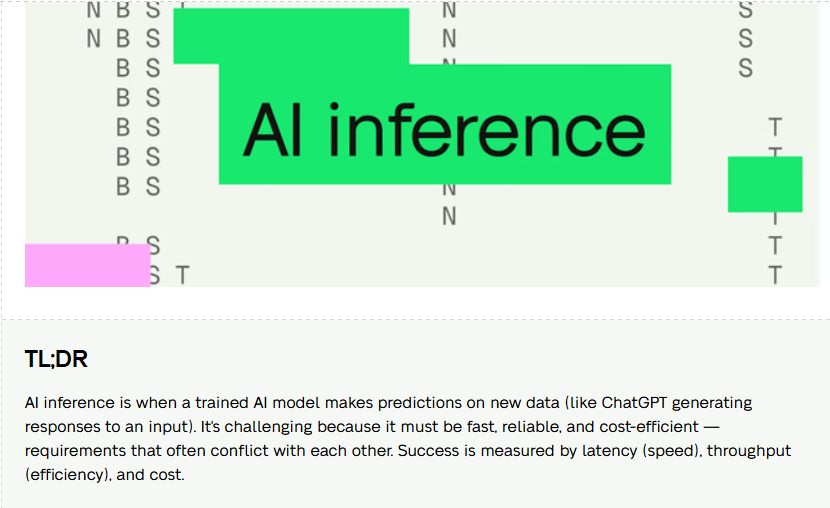
I start answers with a clear, concise sentence, then elaborate using well-structured summaries like “Summary” or “Key takeaways.” A plain, factual style works best.
Here’s an example of effective formatting from Baseten, which places a TL;DR summary at the beginning of a post discussing AI inference:

Dig deeper: How to keep your content fresh in the age of AI
How will humans react to that formatting?
My experience so far has been that AI readability, focused on clarity, actually appeals to human readers who appreciate content they can understand quickly.
AI systems resonate with content that:
- Names rather than infers answers.
- Has sections with clear intent.
- Allows easy extraction of key points without rewriting.
In some cases, it requires being more explicit than traditional SEO practices, like defining terms upfront, summarizing sections, and providing conclusions early on.
The challenge for me is balancing clarity with nuance, especially since AI-produced content can sometimes oversimplify intricate details.
When optimizing, I focus on:
- Explaining initially, then expanding.
- Identifying insights, then substantiating them.
- Presenting the answer before adding any complexities.
This strategy makes the content appealing for both AI and human audiences.
Although, I’ve noticed that AI-generated content sometimes feels too generic, especially when it lacks personal perspectives and insights not readily available online.
I keep an eye out for AI content characteristics like the “dreaded em dash” and aim to remove them when refining my content.
Dig deeper: Refreshing content: How to update old content to drive new traffic
How do you prioritize which content to revise?
In AEO, I find the focus shifts from sheer traffic metrics to answer value.
I begin by identifying content that:
- Displays clear expertise or proprietary insight.
- Addresses repeated questions but doesn’t state answers clearly.
- Is already used internally for explanation or training purposes.
Another vital factor: if content indirectly highlights one of our core services, it becomes a priority for revision.
Content types like reports and evergreen guides often top my list for prioritization due to their structured nature, ideal for AEO adjustments.
My simple AEO prioritization test involves:
- Checking if an AI model can quote or summarize the page accurately.
- Determining if the page’s answer is clear within a few seconds.
- Ensuring key takeaways are explicitly labeled.
If the answers are ‘no’ and the content is crucial for business growth, it’s likely a strong candidate for reformatting.
Dig deeper: How to use AI to refresh old blog content
How do you approach metadata when revising content for AEO?
While SEO uses metadata as ranking levers, in AEO, these elements act as context anchors.
Let’s dive into some key elements.
Title tags
For AEO, title tags should describe the page’s main answer or purpose in addition to the topic.
A title like “Session replay software” might become “Session replay: what it is, when to use it, and when not to use it.” Clearer signals aid AI citation decisions.
Headings (H1-H3)
Rather than generic headers, I align them with specific questions or assertions suited for user inquiries.
- What is compliance monitoring?
- Why does compliance monitoring matter for {x} industry?
- Issues from lacking compliance monitoring
- When to invest in compliance monitoring?
If answering these takes more than a few sentences, it likely needs refinement for clear, direct responses.
Meta descriptions
In AEO, meta descriptions serve as a compressed intent signal rather than appearing directly in search results.
They should clarify:
- The target audience of the content.
- The problem it addresses.
- Its framing context.
Viewed through the AEO lens, they function as concise briefing notes for both users and AI systems.
Dig deeper: Meta tags for SEO: What you need to know
What changes—and what doesn’t—in the shift to AEO
While SEO and AEO often align, understanding where they diverge helps optimize for AI search visibility.
I’m not suggesting a drastic shift in strategy, but recognizing that AI engages with content differently from traditional algorithms is crucial for repurposing valuable content.
Inspired by this post on Search Engine Land.

Leave a Reply