Apple’s App Store Ads Expansion: What You Need to Know

```json
{
  "alt": "Apple logo on a glass building facade surrounded by green foliage.",
  "caption": "A striking Apple logo adorns the glass facade of a modern building, enhanced by lush green plants.",
  "description": "The image showcases the iconic Apple logo prominently displayed on a sleek glass building facade. Reflective surfaces capture the urban landscape, creating a dynamic visual interplay. Green foliage surrounds the area, adding a touch of nature to the modern architecture. This scene highlights the blend of technology and nature, symbolizing innovation and growth. Keywords: Apple, logo, building, glass facade, foliage, urban landscape."
}
```

I’ve got some exciting news for those of us tracking changes in the digital advertising space. Apple’s expanding ad opportunities within the App Store search results, offering advertisers new chances to connect with users right at the moment they’re ready to download apps.

Starting March 3rd, there will be more ad slots in the UK, and following closely, Japan will see these changes too. By the end of March, this rollout is expected to reach all Apple Ads markets.

Why is this important? With more ad slots in the App Store, we have more chances to capture installs. But, this also means heightened competition for those high-intent queries, which could drive costs upward. Since we can’t pick our ad placements, ensuring creative relevance, refining keyword strategies, and monitoring conversion tracking have never been more crucial.

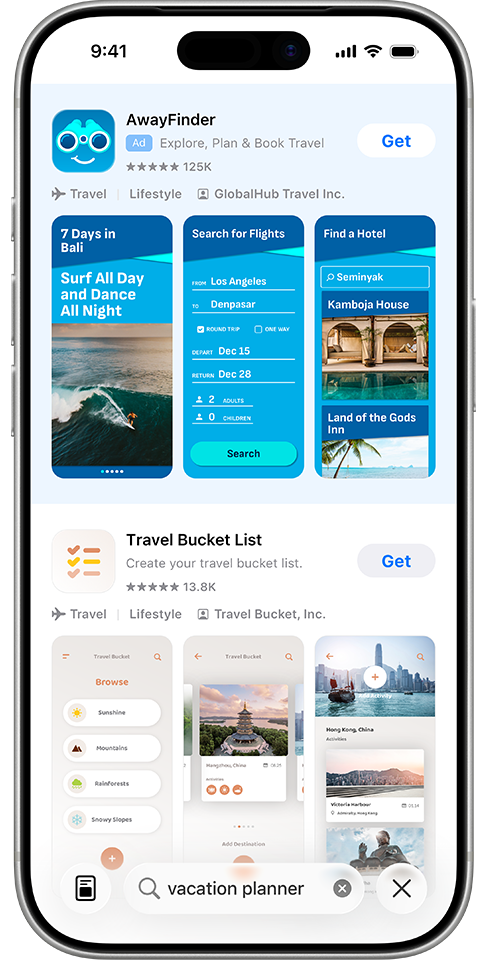
What’s changing? Previously, there was just a single sponsored ad spot at the top of the search results. Now, multiple ads can show up for a search query, not only in the top spot but also further down the page.

Devices running iOS and iPadOS 26.2 or later will support these additional placements.

How eligibility works: There’s no need for us advertisers to tweak anything to tap into the new ad slots. Our existing search results campaigns are automatically eligible for these new positions.

While we can’t choose our placement or bid for a specific spot, Apple determines where our ads appear within search results.
```json
{
  "alt": "Smartphone screen displaying travel planning apps with options for flights, destinations, and personalized lists.",
  "caption": "Discover your next adventure with these travel planning apps, offering everything from surfing in Bali to exploring cityscapes in Hong Kong.",
  "description": "The image shows a smartphone screen featuring two travel planning apps. 'AwayFinder' allows users to explore travel options, search for flights, and find accommodations. Advertised features include surfing in Bali and flights from Los Angeles to Denpasar. The 'Travel Bucket List' app enables users to create customized travel lists, with destinations like Hangzhou and Hong Kong. Both apps target travel enthusiasts seeking organized, personalized trip planning solutions."
}
```

Ad formats and pricing remain constant. Ads look the same, relying either on a standard product page or a custom one. If we want, we can even direct users to specific in-app destinations via optional deep links.

Billing remains unchanged, continuing on a cost-per-tap or cost-per-install basis.

Matching ads to searches: Ads in search results still hinge on keywords—those we choose or those suggested by Apple. According to Apple, their relevance-based matching achieves an average conversion rate exceeding 60% for top-of-search ads.

Placement is a mix of relevance and bid, but relevance remains non-negotiable. Even a high bid won’t allow an ad into auctions if it’s not a strong match for the user’s query.

What should we keep an eye on? More ad slots could lead to greater opportunities, albeit with increased competition on the same search results page. It’s prudent to keep a close eye on performance metrics, query alignment, and conversion rates as the global rollout of this feature proceeds.

Looking ahead: As March progresses, more App Store search ads will be seen in all Apple Ads markets. For those of us in app marketing, this shift represents a significant transformation in how search visibility and competition will play out within the App Store.


Inspired by this post on Search Engine Land.


crushpress.ai community screenshot

FAQs

What changes are coming to App Store ads?

Apple is expanding ad slots in the App Store search results, allowing multiple ads to appear for a search query and increasing opportunities to capture installs. This also means heightened competition for high-intent queries.

When will the new ad placements roll out?

Starting March 3 in the UK, with Japan following, and all Apple Ads markets by the end of March. Advertisers should plan for expanded placements across markets.

Can advertisers choose the exact placement or bid for a specific spot?

No. Apple determines where ads appear within search results, and existing search campaigns are automatically eligible for the new positions.

What remains the same about ad formats and pricing?

Ad formats and pricing remain the same, with ads appearing on standard product pages or a custom one. Billing remains on a cost-per-tap or cost-per-install basis, and deep links to in-app destinations remain an option.

What should advertisers watch as the rollout progresses?

Monitor performance metrics, query alignment, and conversion rates as the rollout progresses. More ad slots could create greater opportunities but also increase competition on the same search results page.

Do devices need updates to support the new placements?

Devices running iOS and iPadOS 26.2 or later will support these additional placements. Advertisers don’t need to tweak anything, as existing search campaigns are automatically eligible for the new positions.

Comments

Leave a Reply

Your email address will not be published. Required fields are marked *