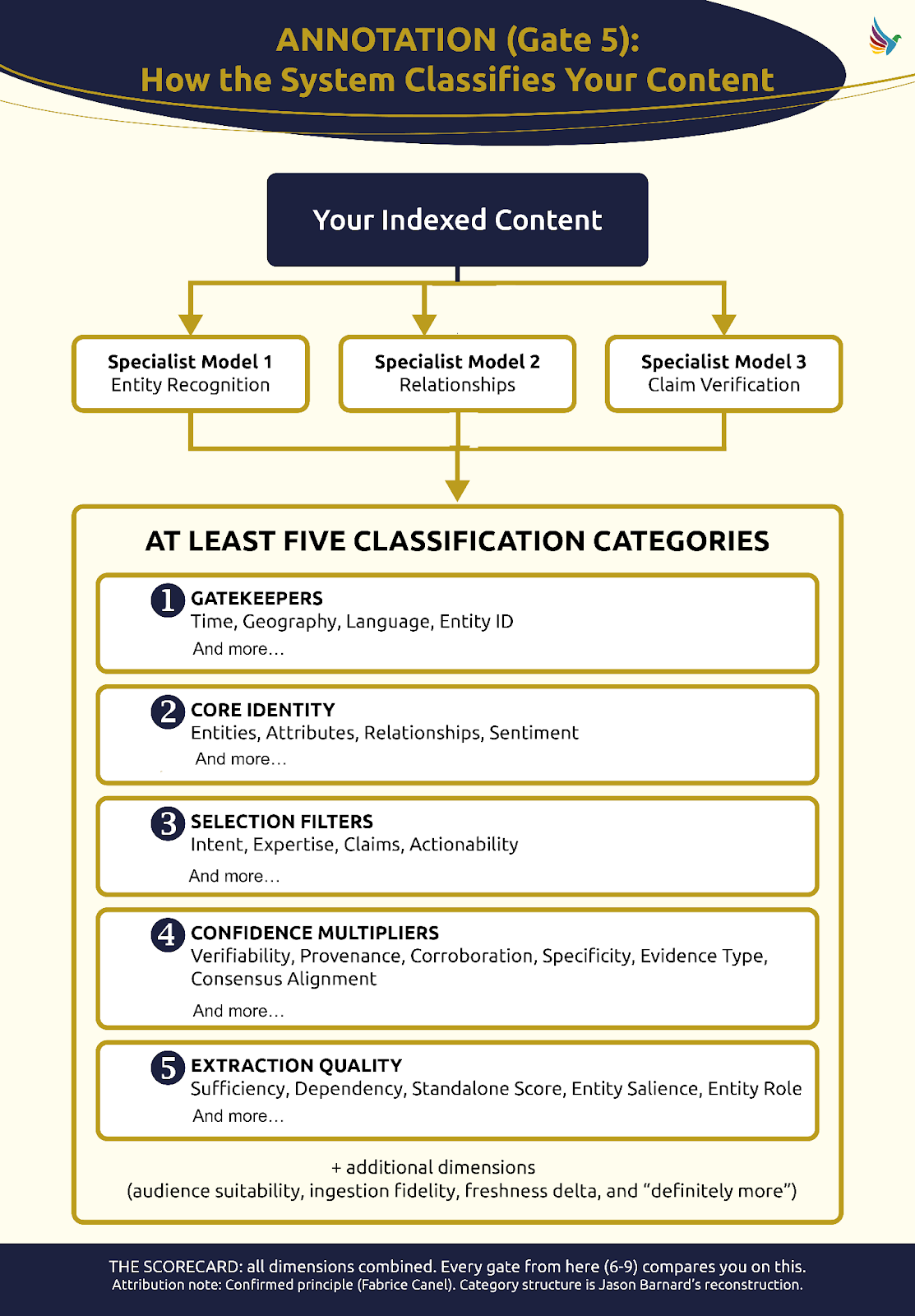
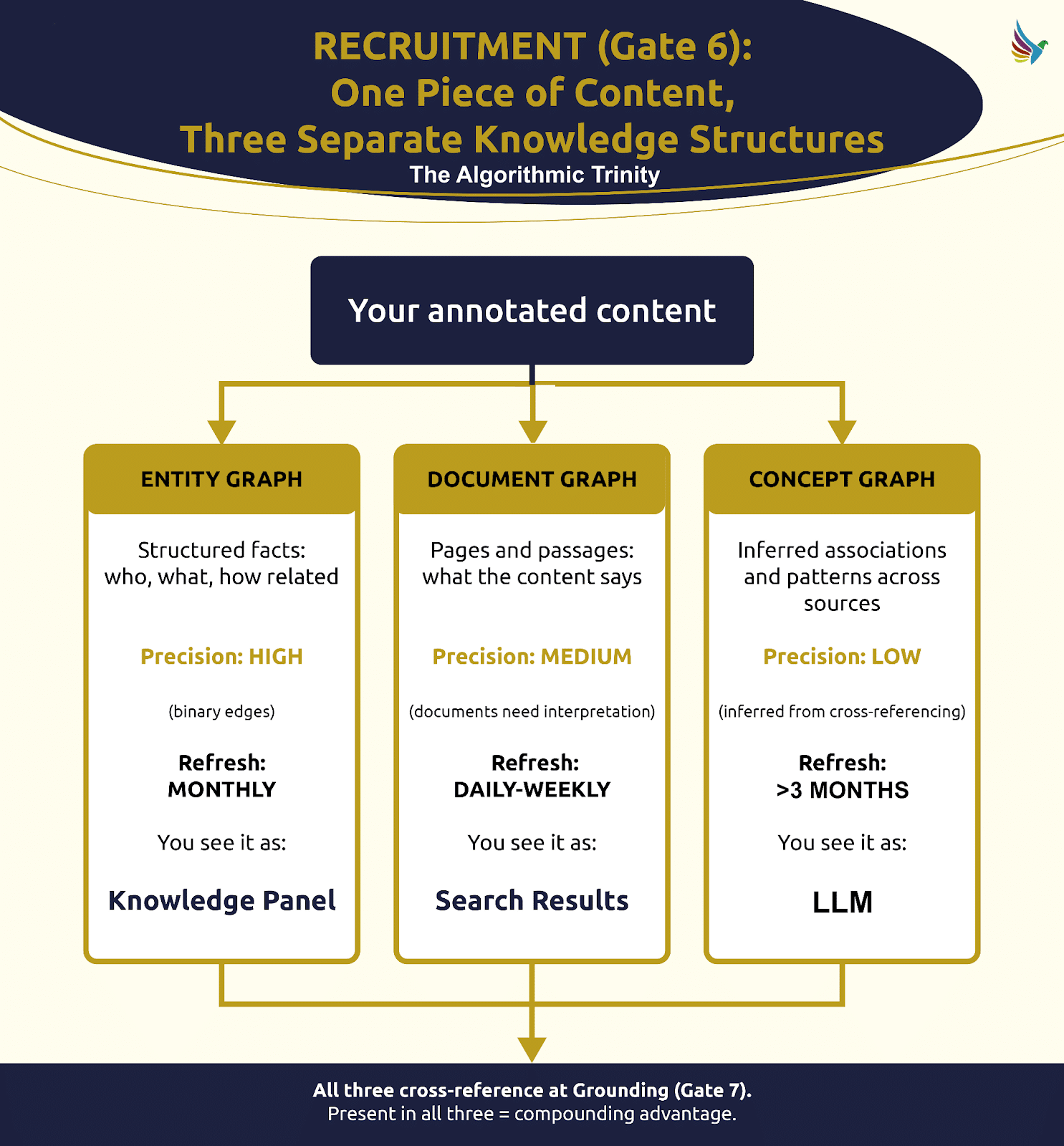
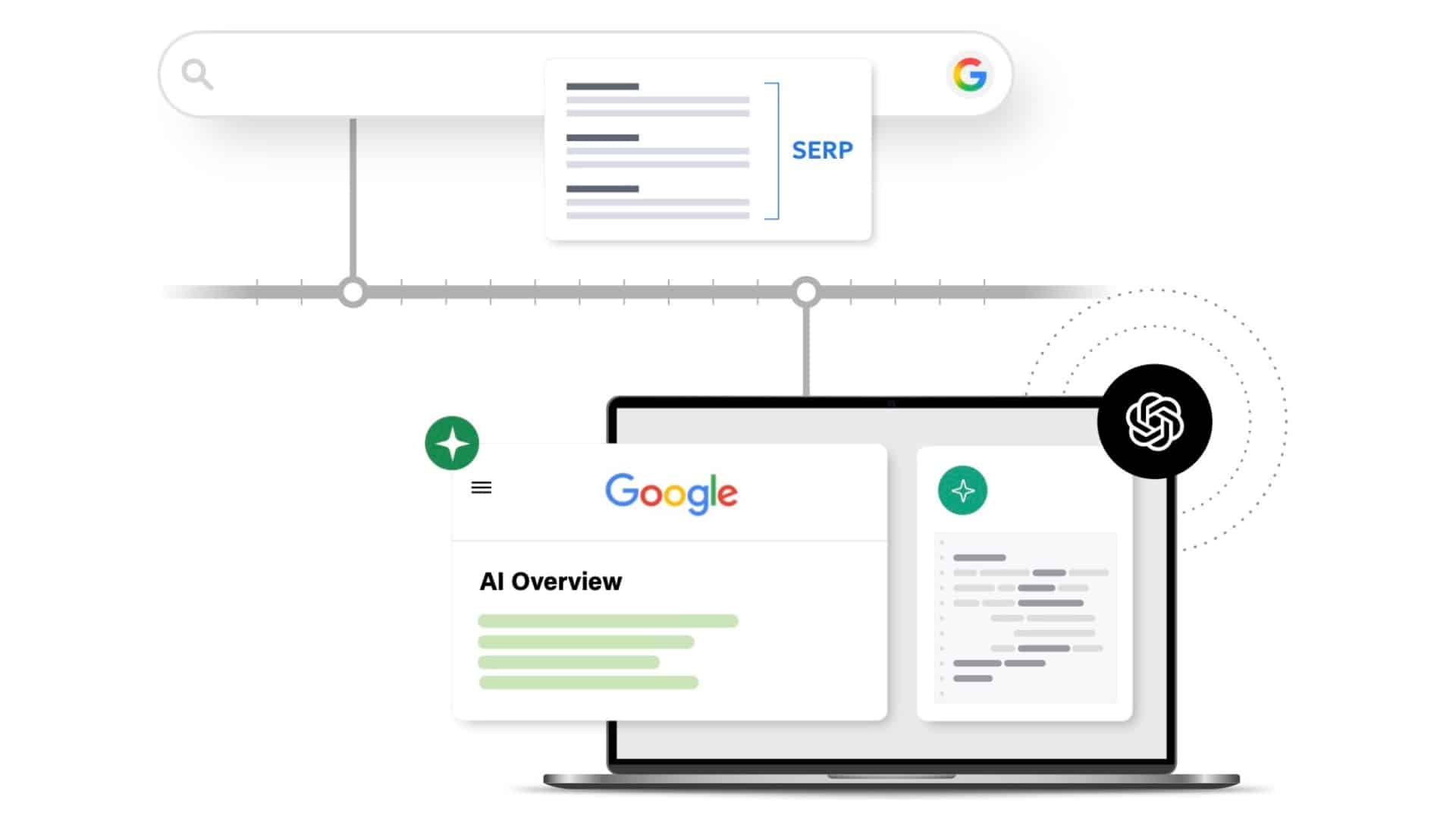
As a content strategist, I often wonder how my work feeds into the AI pipeline, especially the critical ‘rank and display’ stage.
Understanding the annotation, recruitment, grounding, display, and won gates is crucial to ensure that AI engines trust and recommend my content.
The DSCRI infrastructure phase kickstarts the journey by handling discovery through indexing, where content is either picked up or left out.
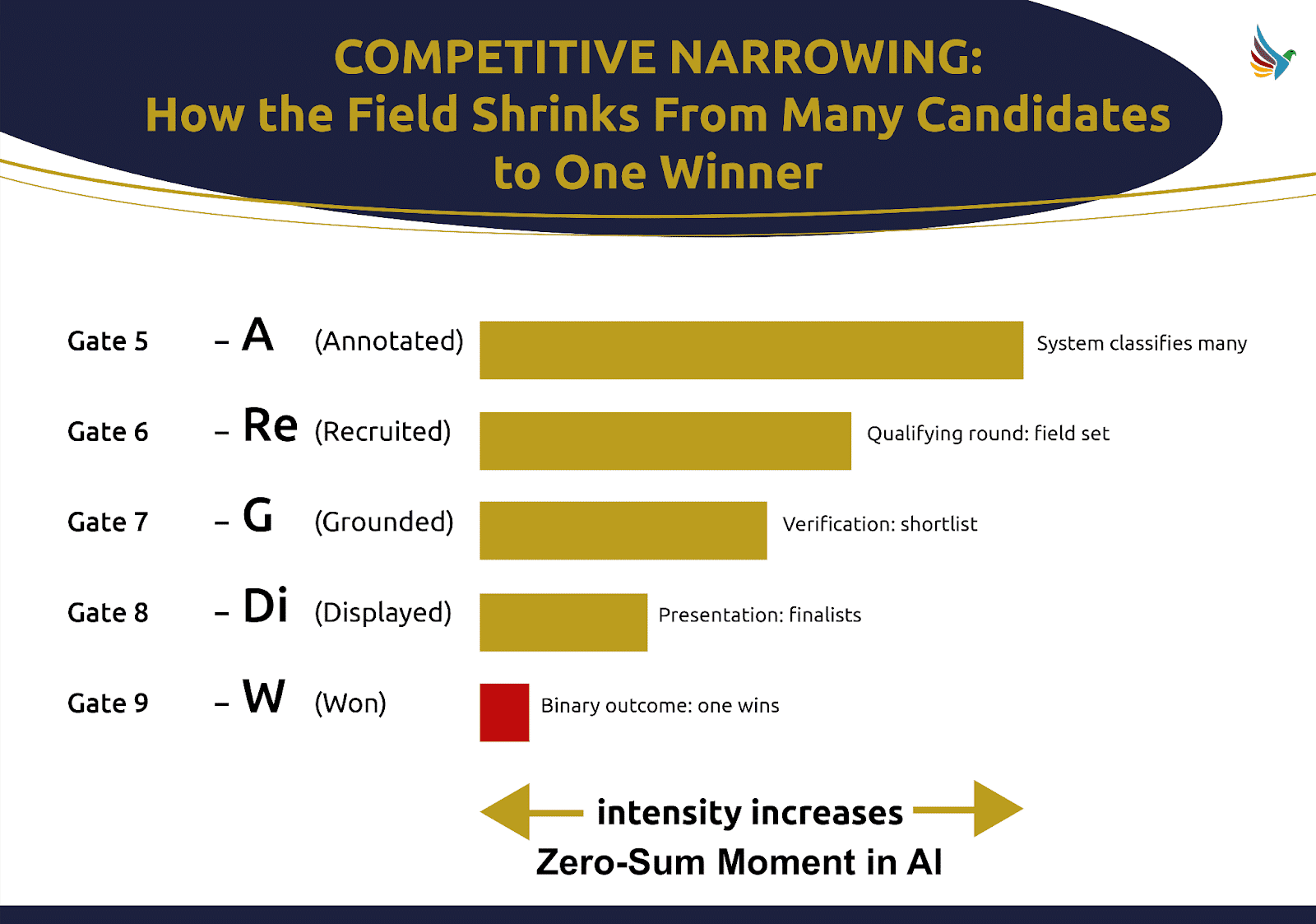
In the competitive phase, ARGDW tests not only require content to pass but to outperform alternatives, ensuring it doesn’t end up losing to better-annotated competitors.
The ARGDW phase is about survival of the fittest, determining if assistive engines will utilize the content I create.
Where ‘rank and display’ once muddied distinctions, understanding and optimizing each gate individually can significantly improve content visibility and ranking success.
The Competitive Turn: Transitioning from Absolute to Relative Tests
This transition is pivotal—the moment where content quality impacts competitive performance most critically.
When moving from DSCRI to ARGDW, the system stops merely verifying presence and starts comparing content quality against competitors.
Every piece from annotation forward requires content to excel over potential alternatives, making confidence scores relative to others on similar topics.
Here, efforts at preparing content fully come to fruition as the engine pits it against competitors.
With Google referrals declining and LLM usage on the rise, I’ve discovered that successful discoverability now hinges on metrics, structure, and authority—not just rankings.
If your organic traffic is decreasing while impressions rise, AI might be citing your content without generating clicks. If both metrics are down, it’s likely your content is being overlooked. Either way, the conventional search behavior that shaped your marketing strategy has transformed, and merely waiting for traffic to rebound is not a viable strategy.
The year 2026 presents a new reality. According to KEO Marketing, 73% of B2B websites faced significant traffic declines between 2024 and 2025, averaging a 34% year-over-year drop.
These drops aren’t uniform. Websites with predominantly informational content have been more adversely affected, experiencing declines between 15% and 64% since AI Overviews emerged.
News publishers, in particular, have been vulnerable, with Google referrals decreasing globally by 33% in the year leading up to November 2025.
These aren’t typical fluctuations; they signify a fundamental shift in how information is discovered online, posing a threat to business models reliant on site traffic.
Organic clicks are diminishing due to two intersecting reasons, each necessitating a different approach:
Google has fostered zero-click behavior through features like featured snippets and knowledge panels. These provide answers directly on the search results page, often eliminating the need to click on search results. While 25% of searches concluded without clicks ten years ago, today it’s over 65%. This trend has rapidly accelerated with AI Overviews, now found in about 16% of desktop searches and 41% of mobile searches.
On top of that, a growing number of users are bypassing traditional searches entirely. Nearly 52% of U.S. adults now frequently use AI tools, and approximately 28% of employed Americans incorporate AI at work. When they seek answers from ChatGPT or other LLMs, they often get responses without visiting any websites. While your content might contribute to that answer, it doesn’t translate to traffic or attribution.
Traditional metrics such as impressions, clicks, and page views no longer accurately reflect discoverability. They measure site behavior without informing how your brand performs in AI-mediated interactions, impacting upstream traffic.
Here are the five key metrics for AI visibility:
Citations in AI responses indicate how often your content is directly referenced when an LLM responds to a query. A citation suggests your content is valuable, well-structured for AI parsing, and authoritative.
Brand mentions differ from citations. LLMs may mention your brand without citing your content, often pulling data from review sites, forums, and third-party articles. A mention absent a citation implies your brand is recognized but not sourced from your content, guiding where to focus investments.
Share of voice measures your frequency of citations and mentions relative to competitors within specific categories.
Brand sentiment evaluates whether AI-generated responses portray your brand positively, neutrally, or negatively.
AI-influenced traffic gauges the proportion of traffic generated from LLM referrals. Initial data indicates this traffic has a conversion rate 3-5 times higher than other sources, making it valuable to track even if minor in volume.
Modern tools can track these metrics at scale, eliminating the necessity for manual LLM prompts. However, even conducting basic benchmarks by querying major LLMs with your target questions and tracking mentions is advantageous over not measuring at all.
Achieving visibility in AI-driven search doesn’t involve rewriting your content strategy but instead requires shedding ineffective practices and pivoting towards lasting principles.
Experience, Expertise, Authoritativeness, and Trustworthiness (E-E-A-T) continue to form the foundation of content credibility. LLMs give precedence to sources that demonstrate real expertise and are trusted by authoritative figures.
By earning citations from reputable sites, producing content authored by subject matter experts, and delving into topics thoroughly, you can outshine content that fails to meet these criteria, regardless of optimization efforts for other factors.
Structure and clarity are essential because LLMs extract content by pinpointing passages that effectively answer questions. Structuring content around clear questions and answers, utilizing bullet point summaries, and avoiding dense paragraphs enhance retrievability over embedding answers in narrative prose.
Your information architecture should be comprehensible to both human readers and LLM systems. Introducing a Q&A section or reorganizing posts around clear question-and-answer pairs provides significant improvements.
Human-written, human-led content has a distinct advantage. After Google’s recent core update, AI-generated content saw an 87% drop in rankings and citation frequency, with keyword-optimized content seeing a 63% fall. LLMs are becoming adept at detecting AI-created content and rank it lower.
The 2025 demand for AI-produced content has highlighted a quality issue now evident in performance data. Prioritizing quality over quantity is essential. Use AI for drafting and editing, but not for generating final content. Implement a review process to catch generic phrasing or a synthetic tone, either through AI-detection tools or human editors.
Recency is crucial for AI citations. AI systems consider both the publication and update dates when selecting sources. A high-quality piece from 2022 can be dismissed for a newer version from 2025.
Audit your high-traffic pages and key assets for outdated data, refreshing them with recent examples and data. It’s a quick yet often overlooked strategy.
Promotional language will not get cited. If your writing appears too commercial—emphasizing product claims and brand-forward language—answer engines may deprioritize it over more neutral sources.
This doesn’t mean you should avoid mentioning your product; rather, write about it like an impartial party by acknowledging trade-offs, providing context, and letting facts speak for themselves. Listicles and comparison articles excel here.
LLMs respond best to organized, objective comparisons—even when one option is clearly preferred.
If my presence is limited to my own blog, I’m at a disadvantage against a brand with less expressive assets but more robust third-party coverage.
That is why cultivating an external content ecosystem is critical. Reviews on sites like G2, Capterra, and Google are frequently used in AI curation. User-generated content on forums like Reddit is heavily indexed. Third-party articles, tutorial videos, and newsletter mentions build the multi-source consensus essential for AI citations.
Content partnerships also deserve focused effort. Sponsoring articles or placing newsletters in relevant publications not only drives referral traffic but also earns trusted, external citations that elevate AI visibility. With a growing readership, newsletters — offering curated, human-authored content — are vital, with YouTube citations becoming increasingly influential. ChatGPT favors authoritative video creators for citations.
The goal isn’t to merely generate mentions but to consistently express your brand’s narrative through credible external sources so LLMs consistently recognize that narrative. Consistency across partners, review platforms, and third-party content strengthens your AI share of voice.
With organic traffic plummeting by 30% or more, the visitors arriving at your site are more deliberate and valuable than before, making conversion optimization on landing pages crucial.
Focus on simplicity: one offer, one message, minimal text.
Each landing page should focus on a single call to action and a singular argument. If there are multiple conversion goals, develop separate landing pages rather than a single page attempting everything.
Ensure the header conveys the full value proposition succinctly, with supporting points kept brief. Visitors should instantly grasp the offer and know how to act without needing to scroll.
This approach contrasts with blog and thought leadership content, which should be detailed, well-sourced, and designed for LLM retrieval. Each serves different objectives and requires varied standards. Conversion-centric landing pages are not the place for nuance or elaborate prose.
The decline in traffic isn’t a temporary issue that will resolve itself. Users increasingly get answers directly from AI, bypassing websites, and this trend will only intensify. A strategy focused solely on ranking for clicks is now insufficient.
The new strategy involves a dual focus: optimizing for citations by AI answer engines and cultivating an external brand presence that offers LLMs compelling reasons to consistently mention you. These objectives align with longstanding best practices: crafting clear, authoritative content grounded in expertise.
AI-driven discovery favors brands excelling in the fundamentals: building real credibility, securing trusted external mentions, and writing for audiences rather than algorithms.
This approach was always the best, and now AI search makes it essential.
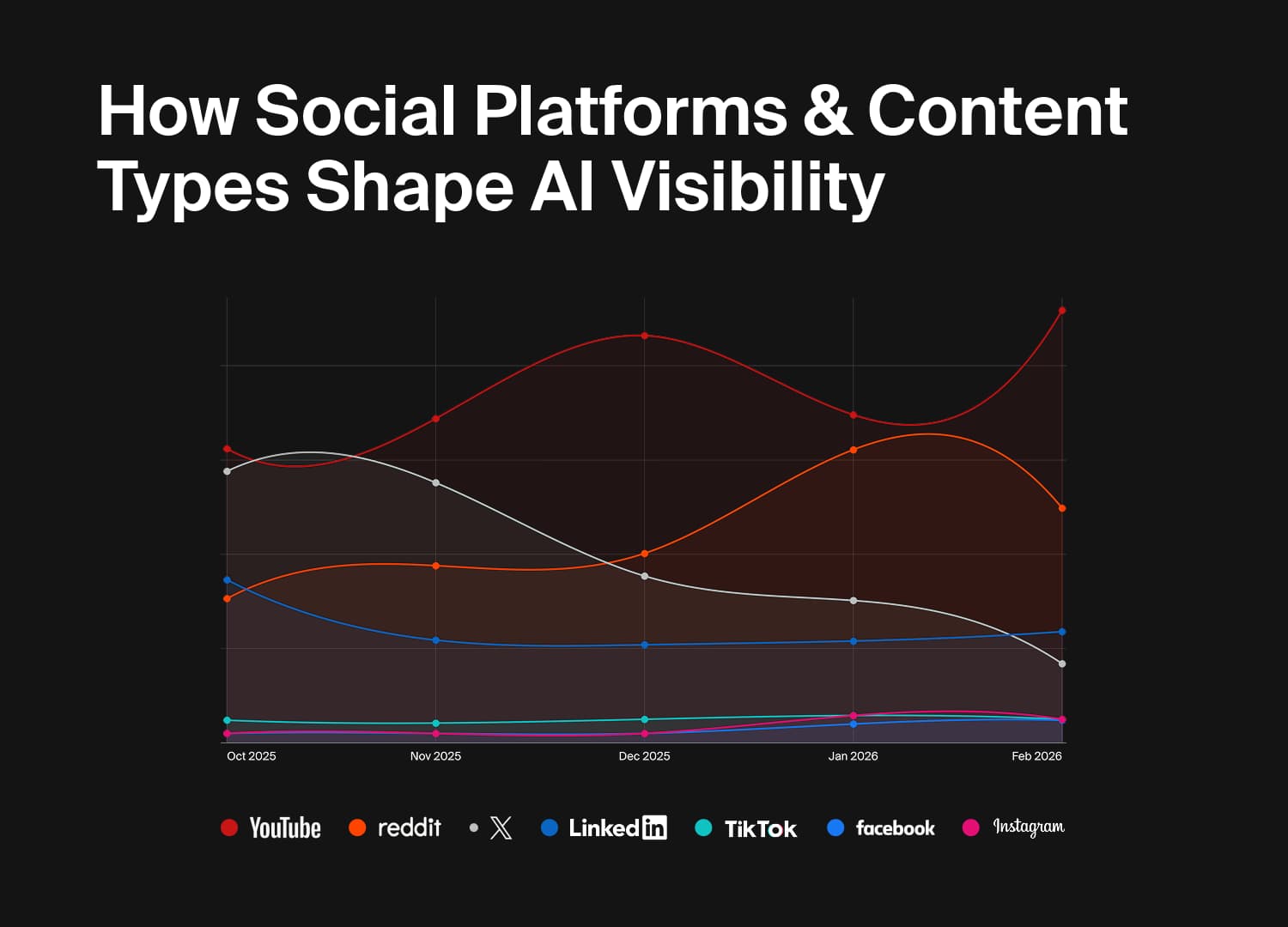
I’ve been fascinated by the ways social platforms and content formats can enhance AI visibility. Recently, I’ve discovered how platforms like YouTube and Reddit, along with long-form content, significantly influence AI citations.
The synergy between social media and AI search visibility cannot be overstated. I find it remarkable how the right content type can amplify AI’s reach and impact. Platforms such as YouTube and Reddit are at the forefront, leading the charge with extensive citations attributed to their diverse and dynamic content formats.
I’ve discovered that structuring content with a clear layout not only aids readers in scanning effectively but also helps AI systems in identifying precise answers. Let me guide you on how to break down ideas into concise, self-contained sections.
At first glance, structuring content might seem straightforward, but there’s more to it than meets the eye. Despite Google’s suggestion to avoid creating bite-sized chunks exclusively for AI benefits, the practice of chunking plays a crucial role in both enhancing online readability and catching the eye of AI models.
Chunking doesn’t just make content easier to find or cite in AI search; it naturally enhances content flow, making concepts more digestible for human readers like us. Let me walk you through the chunking process and its best applications.
What is chunking?
Chunking involves organizing text into clear, self-contained units of meaning. Each paragraph should focus on one idea, ensuring that readers grasp each concept quickly and thoroughly, without needing background context from surrounding text.
Does chunking help AI or people?
Recently, Google criticized chunking as being overly optimized for AI queries, implying it might not serve human readers well. However, based on my experience, chunking enhances content understanding for both readers and AI systems, providing a structured way to communicate ideas effectively.
When content is well-organized, it aligns with how we naturally read online, making it easier to scan. It benefits AI as well, since these systems process text by passages. A concise paragraph following a relevant heading offers a clear solution to AI searches, like identifying ‘how to measure keyword cannibalization.’
When to chunk content
I suggest integrating chunking from the beginning when creating new content. While it may not always be necessary to revise old content just for chunking, consider prioritizing high-traffic articles with low engagement for updates.
Articles with significant traffic but high bounce rates.
Content that ranks well but isn’t being cited effectively.
Complex topics where clarity is needed for quick understanding.
How to chunk content
I find a chunk should succinctly cover a singular idea. Clear headings prepare readers for what’s next, and the corresponding paragraph fulfills that expectation. Here’s a simple approach to effective content chunking:
Build chunking into your content outline
Begin with a clear outline where each H2 or H3 represents a key concept with comprehensive explanation in the chunks below. This way, both writers and readers can see the content flow naturally.
How to edit existing content into chunks
Start by focusing on high-value pages, especially those with good traffic but poor engagement. Revise your headings to reflect their section’s content and break apart any paragraphs with multiple ideas to keep each thought independent and clear.
To chunk or not to chunk?
Don’t be swayed by the notion that chunking is just a trick. For me, chunking improves content for everyone—from readers hunting for specific answers to AI systems striving to connect queries to results.
The past year has been a whirlwind as we all tried to grasp how to report on AI visibility and understand what it truly takes to be seen and cited by AI models.
Rand Fishkin’s recent study on the variability of AI responses pointed out how LLM outputs differ significantly from the stable and predictable nature of search rankings, making this KPI a challenging aspect of the analytics landscape.
The research illustrates a less than 1% chance that ChatGPT or Google AI will provide the same brand list in two different responses. They scrutinized thousands of prompts across various LLMs, revealing their unpredictable nature.
This unpredictability has led some in the SEO community to question the value of rank tracking on a broad scale. Despite these challenges, rank tracking remains a valuable, albeit misapplied, tool.
While AI response tracking is currently an unstable KPI, it proves to be incredibly potent when used as an analytical tool to inform content strategy.
I’m diving into why we should continue investing in prompt tracking and how this effort can illuminate our content strategy.
Why AI Visibility Tracking is Currently Unreliable
Understanding that language learning models aren’t deterministic ranking machines is crucial. They are probabilistic, synthesizing information from trained data or live searches, providing varying answers influenced by context and intent.
Responses shift depending on the prompts, and identical questions can be phrased in multiple ways, which can lead to challenging questions from your CMO about why certain prompts do not feature your brand despite previous citations. It’s a natural outcome in the evolving landscape of AI-driven visibility.
Even though tracking visibility might be uncertain until user prompting becomes clearer, it remains a valuable aspect of SEO analytics.
If we consider prompt response tracking not as a stable KPI but as a pattern analysis, it becomes something SEOs are already quite familiar with.
Shifting focus from merely checking if you are cited or listed to understanding how responses are structured offers more insightful strategies. Analyze these factors:
The structure of the response.
Recurring concepts.
Key phrases and terms.
Typical levels of detail involved.
This shift in mindset is imperative.
Traditional SEO vs. AI Pattern Analysis
Traditional SEO involves reverse engineering rankings, whereas AI search encourages us to apply this method by uncovering patterns in AI-generated results.
Traditional SEO
AI Pattern Analysis
Focus on rankings
Understanding concept synthesis
Content gap analysis
Topic associations
Fixed SERP results
Dynamic AI responses
Determined signals
Probability-driven responses
Through analyzing prompt response patterns, we can dive deep into content-level concept synthesis, beyond the technical framework.
In defining a pattern, look for the themes and recurring topics rather than exact response consistency across outputs.
Each LLM formats its outputs uniquely, yet patterns often emerge within the structures, despite differing retrieval methods and functionalities.
For identifying a pattern:
It appears in 75% or more outputs.
Observed across two different AI models, like GPT and Gemini.
Present across multiple prompts in a consistent way.
The 75% benchmark felt stable enough for my sample sizes to confirm strong patterns rather than randomness. You can adjust this based on your content and context, but this approach has helped me sift consistency from the noise.
For instance, if “pricing transparency” shows up in 9 out of 12 responses and across two models, that indicates semantic relevance—a crucial insight into your content strategy.
The Framework to Implement
Here’s how you can apply this for yourself with a structured framework.
Segment your analysis into the following pattern types:
Structural patterns.
Conceptual patterns.
Entity patterns.
Structural Patterns
Focus here on the organization of responses, identifying aspects like:
Header and section frequency.
Consistency in list formatting.
Order or procedural steps.
Framing of pros/cons.
Comparative tables.
Decision-making frameworks.
These indicators can show how models structure topics.
For example, if your prompt’s outputs repeatedly follow: Definition > Criteria > Tools > Implementation, that’s a structural pattern. Use it to gauge user preferences, although it’s crucial to remember that AI suggestions are just tools to enhance content alignment.
Conceptual Patterns
These vary per topic. They might require deeper analysis to uncover. For example, when focusing on “Best domain registrars,” you might look for:
Pricing transparency (renewal and purchase).
Customer service references.
Inclusion of addons (e.g., WHOIS privacy, free emails).
Security features.
Bundling opportunities.
Transfer processes.
If renewal pricing often emerges in different models and variations, adjust how you frame and discuss it in your content pieces to reflect high relevance.
These patterns offer insight into decision-making associations within AI model frameworks.
Entity Patterns
Examine the appearance of brands, tools, and references in responses, noting:
Mentions of specific brands.
Tool or feature associations with brands.
Category positioning within context.
Sourced citations and their relevance.
Evaluate how certain features align with specific brands, or notice frequently cited sources. This evaluation helps in assessing brand positioning and opportunities, maybe even within affiliate environments or third-party collaborations.
Constructing Your System
It’s not necessary to invest heavily in prompt-tracking tools, although they simplify the process—I manage with manual tracking, which, despite not being perfect, serves its purpose effectively.
If you’re working solo, adjust the methodology to fit your capacities. This might involve extended tracking periods or lowering pattern consistency thresholds from, say, 75% to a more feasible 60%.
Step 1: Choose and Cluster Your Prompts
Identify three main topics to monitor. Develop 3–5 variations of prompts for each topic.
For example, if one topic is domain registration, my cluster includes:
How do I register a domain name?
How can I get a domain name?
Where can I buy a domain?
Step 2: Create Your Tracking Sheet
To track responses, consider using a simple spreadsheet with columns like this:
Prompt
LLM
Web Search? (Y/N)
Date
Response
Sources (if applicable)
Is My Brand Mentioned?
Track LLM versions under the appropriate column to understand when new versions are released and how they impact your data.
Begin capturing this data, then enhance the sheet as needed to include pattern elements. Tools like Claude or ChatGPT can assist in automation, reducing manual labor.
Step 3: Develop a Tracking Plan and Begin Monitoring
To ensure effectiveness, define:
Which AI models to track.
Options for search mode—enabled, disabled, or model-decided.
The prompt frequency to run each test on each model.
Tracking schedule or frequency.
Engage team members wherever possible and use private modes to reduce contextual biases.
Every week, my team tests each prompt on platforms like ChatGPT and Perplexity, collecting several responses per prompt per model consistently.
Step 4: Conduct Analysis
Once you compile 20-30 responses per prompt, delve into the analysis phase. Select tools to streamline this process effectively.
Identify recurring patterns and link these insights to your site’s relevant pages. Ensure your content addresses discovered themes and questions, and consistently represents the patterns found.
Assess and revise consistently, making this analysis an integral part of your optimization strategy.
Beware of AI Pattern Analysis Pitfalls
AI is inherently probabilistic and not always correct. While it shouldn’t be the sole basis of your strategy, it can offer valuable insights to enhance your playbook.
Risks such as bias in training data, uncertainty in whether search or training data was utilized, and differences in new model launches across LLMs persist.
Use judgment and audience insights to determine when AI responses align with your optimization goals.
Linking Your Strategy to Performance
This is where it gets complex. Though AI responses are notoriously unpredictable, some measurable signals can reflect your content’s impact.
“Traditional” Metrics: Are you seeing better click rates or improved positions in tools like GSC? Are conversions increasing?
AI Traffic Monitoring: Analyze AI traffic data from platforms like Adobe or GA4 to note changes on updated pages.
AI Tracking Tools: While there’s variability here, if utilizing AI visibility tools, they might indicate the effectiveness of your strategy and reflect brand patterns using manual tracking as well.
I recommend experimenting with this manual tracking approach to witness potential brand emergence as a pattern and gain brand visibility.
Begin Examining AI Outputs
Indeed, many unknowns surround LLMs, seemingly changing daily. Yet, one constant remains: these tools provide insights. Leverage any understanding of these responses to enhance your strategies.
Patterns in responses can unravel how subjects are interpreted, how brands appear, and offer guidance on adapting your content strategy.
I’ve discovered how we can bring together SEO, social media, PR, and content into one cohesive strategy. This approach seriously enhances AI search visibility, transforming our brand into the go-to cited source.
Through my recent dive into the latest SDK findings, I’ve discovered why some pages never make it to the Google Discover ranking. Factors like predicted click-through rates, images, and content recency are key drivers.
One thing I’ve learned is that Google Discover operates using a detailed, multi-layered pipeline. This includes publisher blocks, detailed image specifications, a freshness decay model, and extensive experimentation that shapes what appears on users’ feeds, as explained by SDK-level researcher Metehan Yesilyurt.
Why this matters to us. As someone who’s eager to drive significant traffic via Google Discover, I’ve often found the process unpredictable. This research allows me a clearer understanding of how my content might qualify, rank, or get blocked, shedding light on potential pitfalls before a piece even begins to rank.
The nitty-gritty. In Yesilyurt’s exploration, Google Discover’s app framework was deconstructed into a nine-stage process. Here’s how it works:
It all begins with Google crawling and understanding the content I produce.
It examines key meta tags, such as image and title.
It classifies content types, be they breaking news or evergreen material.
Google checks if my content is blocked at any point.
Content is then matched to user interests.
An applied server-side click-through rate prediction model comes into play.
The feed layout is constructed based on these evaluations.
Content is served to users, inviting engagement.
Lastly, user feedback is recorded.
A significant insight. One crucial discovery is that publisher-level blocks occur before matching content to users’ interests. A user’s decision to block a source means my content won’t even make it to the ranking stage.
Such blocks are impactful. A single action to prevent showing content from my site can suppress the entire domain. Unfortunately, no similar sitewide boost exists.
The ranking mechanics. The ranking process leverages elements like my content’s title, image quality, and past engagement history. Google’s servers use a predicted click-through rate (pCTR) to estimate the possibility of clicks. Although the specific model remains unseen, the app indicates which signals Google considers for ranking, including:
The page title, sourced from og:title.
The size and quality of images.
The freshness of the content.
Past click and impression statistics for my URL.
Whether images load correctly on the page.
The importance of freshness. Google’s system groups content based on age:
1 to 7 days old: enjoys the strongest boost.
8 to 14 days old: retains moderate visibility.
15 to 30 days old: sees a drop in visibility.
Over 30 days old: experiences a gradual decline.
While evergreen content might receive special classification, newer content inherently gains an edge.
Image and meta tag criteria. Google Discover examines six key tags at the page level, such as og:image and og:title. Notably, missing images result in the absence of content cards.
Images must be at least 1200px wide for prominent card features. Smaller images often manifest as thumbnails, which typically receive fewer clicks.
Missing tags prompt Google to seek alternatives — if og:title lacks, the Twitter title tag or HTML title might be used instead.
Using meta tags like “nopagereadaloud” and “notranslate” can prevent a page from appearing on Google Discover altogether.
The personalization factors. With Google Discover, personalization hinges on:
Google’s broader interest data interconnected with user behavior.
Publisher signals, which include registration with Publisher Center.
Personal interactions like follows, saves, and story dismissals.
Engagement metrics, like the time users spend reading content.
If a reader dismisses my content, that action is stored permanently for that specific URL, preventing it from reappearing.
Everywhere I look, experiments abound. During moments of observation, about 150 server-side tests were simultaneously active, with an additional 50+ features controlling how content cards were depicted.
This means two users with similar interests can encounter vastly different feeds simply due to being in different experimental groups.
Real-time updates for your feed. Google Discover doesn’t stand still. It can dynamically add, remove, or reorder content in the feed as a user scrolls, no refresh needed.
Key insights for success. Excelling in Google Discover is less about using tricks and more about meeting eligibility criteria, establishing trust, utilizing compelling visuals, and maintaining engagement, especially in a system capable of filtering content before the ranking process even starts.
Publisher blocks occur before any ranking.
The system inherently values content freshness.
High-quality images and clear titles are indispensable.
User dismissals are long-term.
Heavy experimentation leads to a constantly evolving environment.
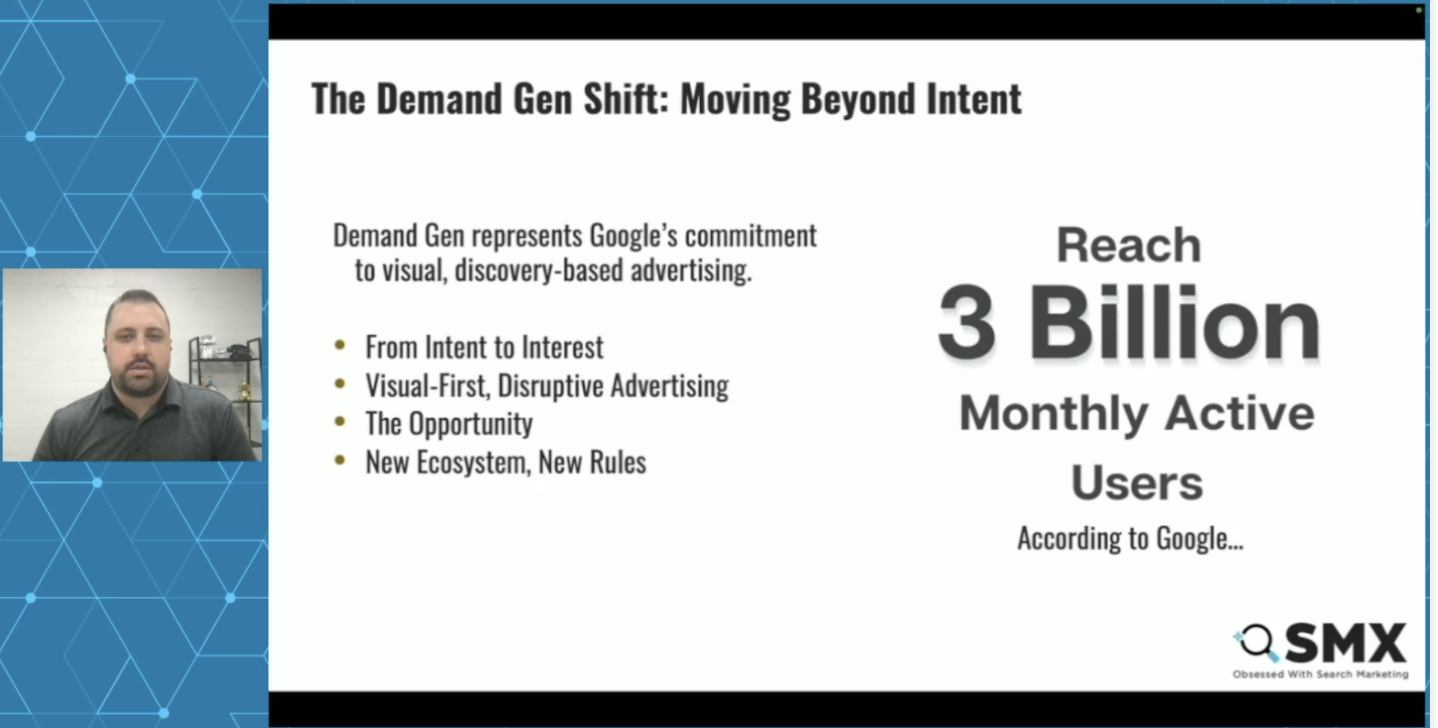
I’ve discovered that shifting toward Demand Gen in Google Ads transforms the focus from simple keyword targeting to more visually-driven advertising. Relying on outdated methods not only wastes money but also limits the potential of what Demand Gen can achieve. To thrive, I need to see things like a social advertiser rather than just a search advertiser.
At SMX Next, Jack Hepp from Industrious Marketing shared valuable insights on why many businesses, particularly in the B2B sector and lead generation, find demand gen campaigns challenging, while also providing strategies that are applicable to ecommerce.
In transitioning to Demand Gen, I see Google’s move from intent-driven to discovery-focused campaigns. This involves reaching users casually browsing on platforms like YouTube, Gmail, or Discovery feeds rather than those actively searching for my offerings. This approach means that visual assets now play the role that keywords once did.
Aligning campaign strategies to fit this model requires abandoning old tactics. Here’s what I need to avoid:
Expecting bottom-of-funnel CPAs from mid-funnel traffic.
Employing imprecise, broad targeting.
Running dull, uninspired creative.
Lack of optimization know-how without negative keywords.
Seeing success demands that I adopt a mindset similar to social advertising.
Demand Gen structure consists of campaigns governed by broad parameters (like bidding strategies and conversion goals) and ad groups that dictate audience specifics. Each ad group learns independently, which allows for finely tuned audience segmentation.
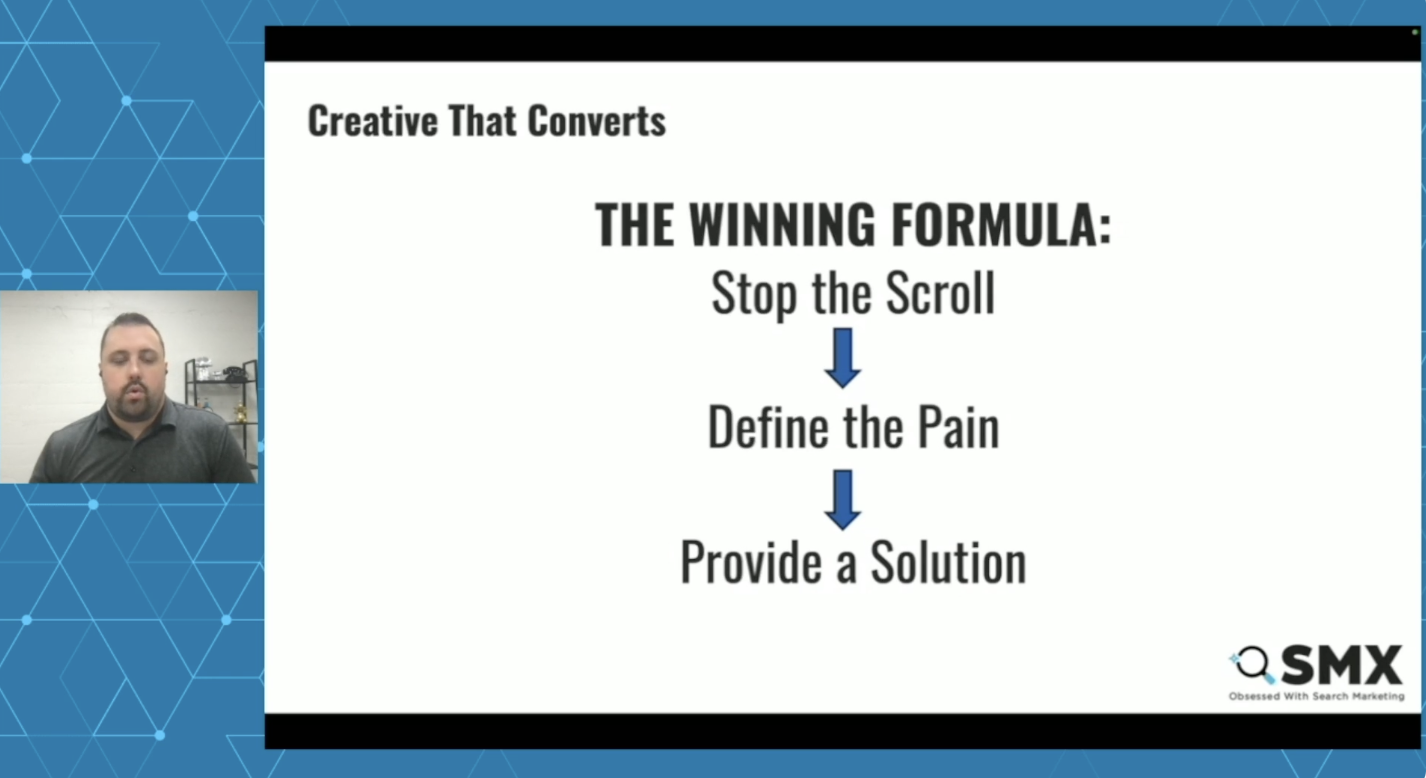
When crafting interruption-based creative, my goal is to catch attention in the first 3-4 seconds. It’s about highlighting a specific pain point and offering a solution in a way that turns casual browsers into engaged prospects.
Ensuring my visual content aligns with the customer journey is crucial:
Cold audiences benefit from educational material.
Warm audiences engage with case studies and webinars.
Hot audiences are ready for demos or purchase offers.
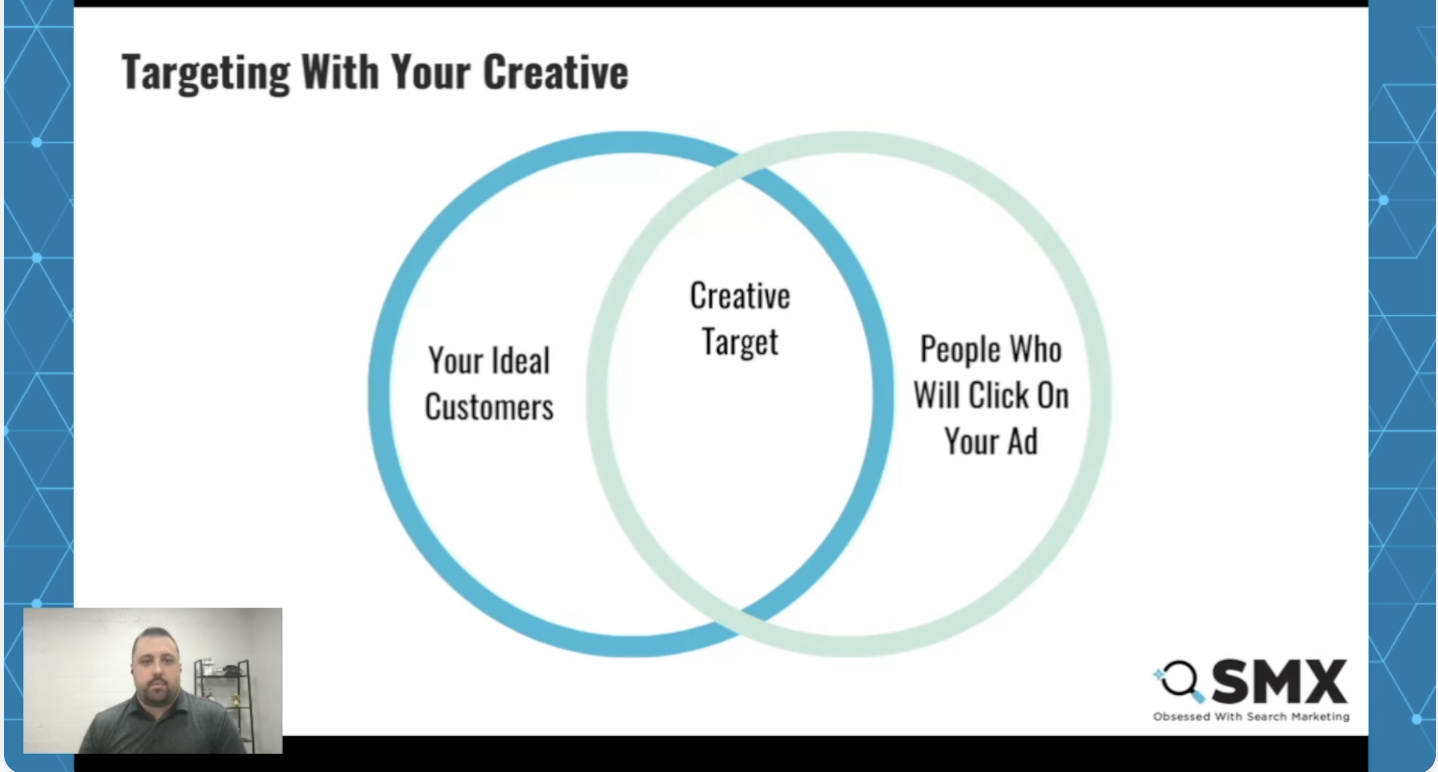
When my creative addresses specific problems with bold visuals and compelling headlines, the engagement naturally increases. For instance, targeting specific challenges like cybersecurity for small businesses makes my ads stand out.
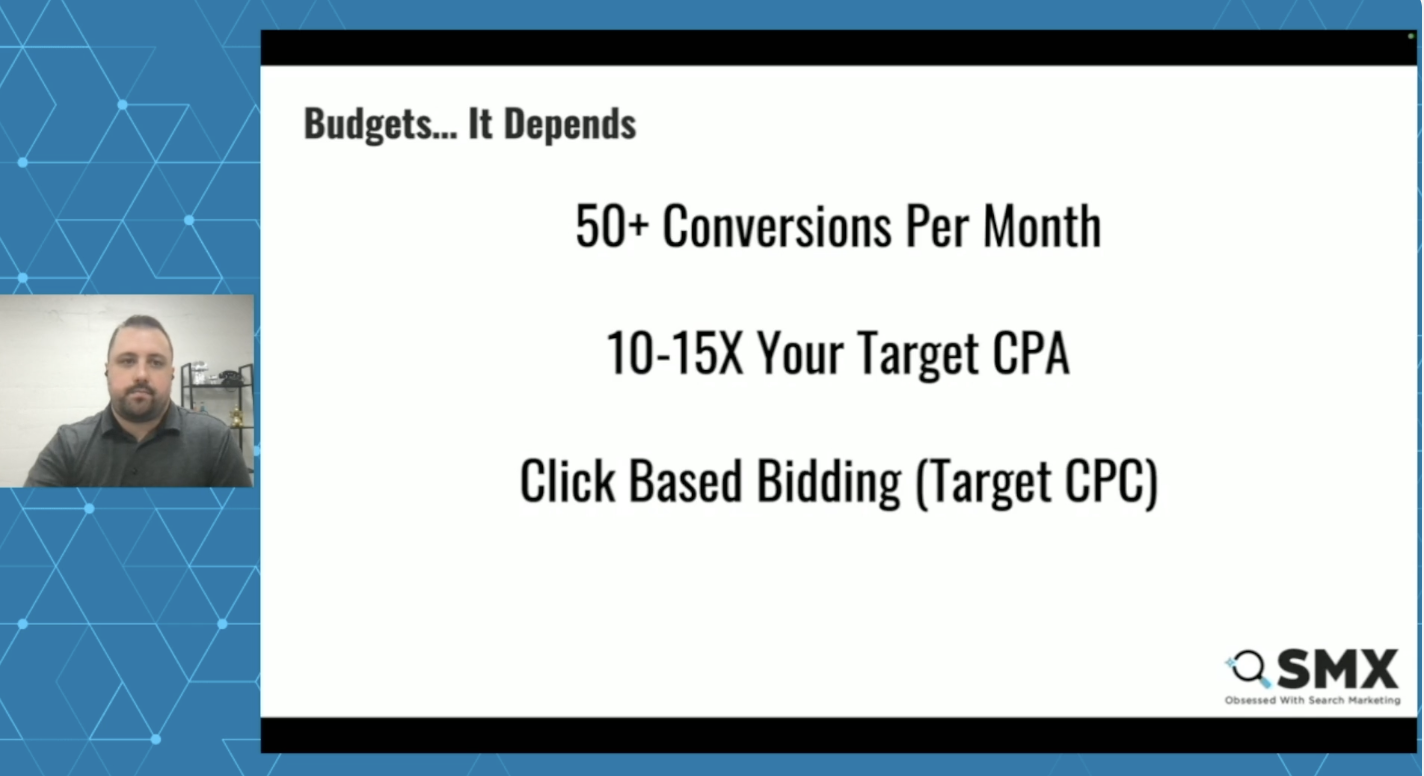
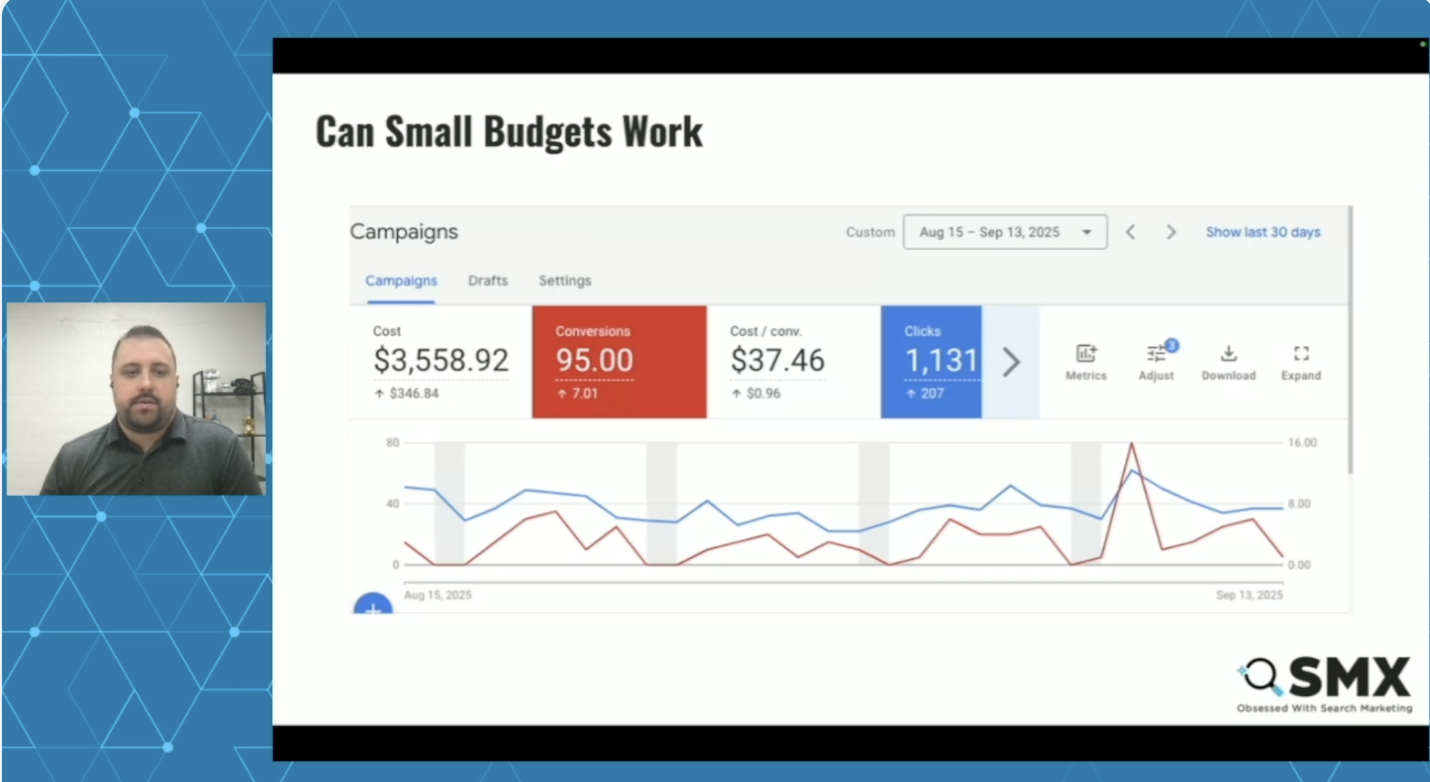
Bidding in Demand Gen focuses on campaign-specific goals. To gather the necessary data, I aim for significant monthly conversions and budget accordingly to enable optimal performance.
Even small budgets can work if strategically planned. By directing efforts at mid-funnel activities, I can achieve the necessary conversions for meaningful insights.
In building the right audiences, it’s about balance. I avoid extremes of too broad or too narrow segments and focus on custom segments complemented by lookalike data, optimizing as success dictates.
Aligning the messaging of my creative with the buyer’s stage ensures Google effectively targets potential customers. This strategy steering focuses more on creative, audience, and the offer itself.
Using targeted exclusions efficiently helps me concentrate effort on engaging users without overly restricting potential reach. It’s a strategic rather than blanket approach.
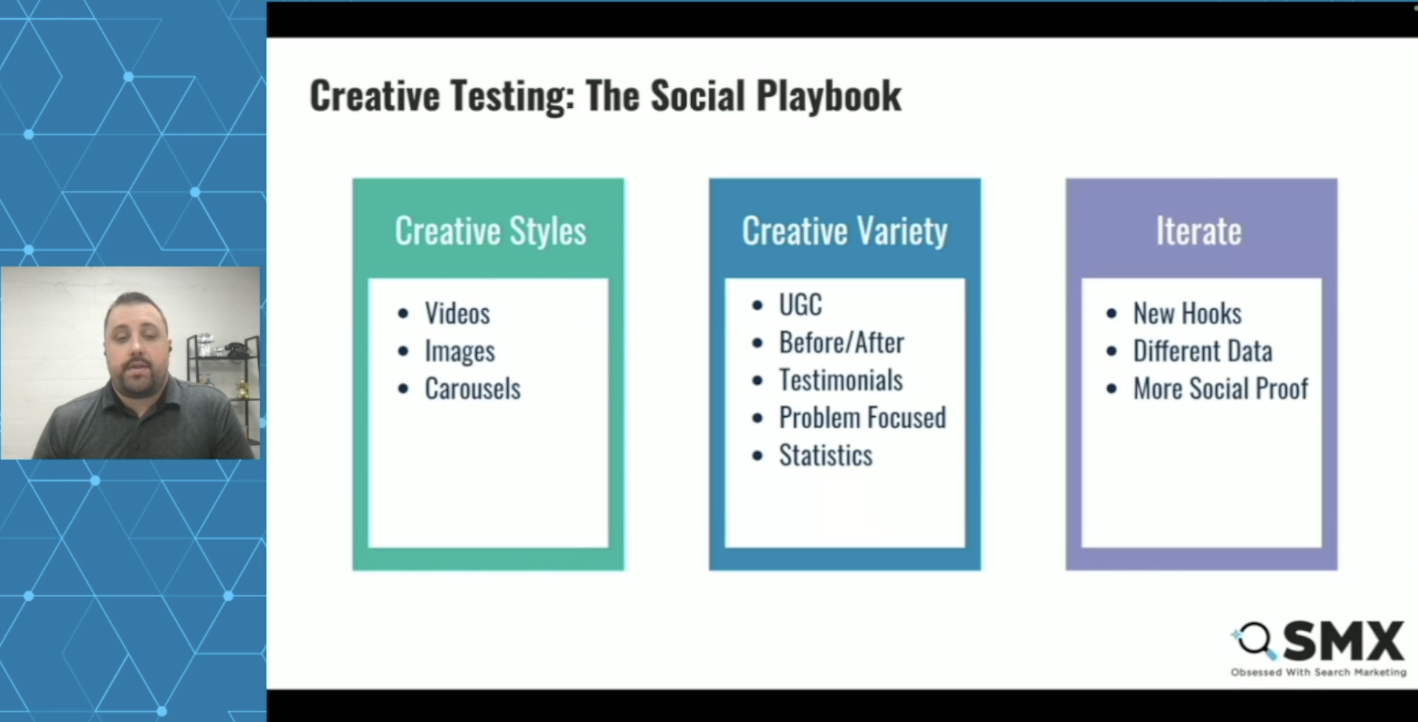
Optimization in Demand Gen focuses on creatively testing different formats and refining audience targeting. I continually test offers to match audience readiness and optimize post-click experiences to enhance campaign effectiveness.
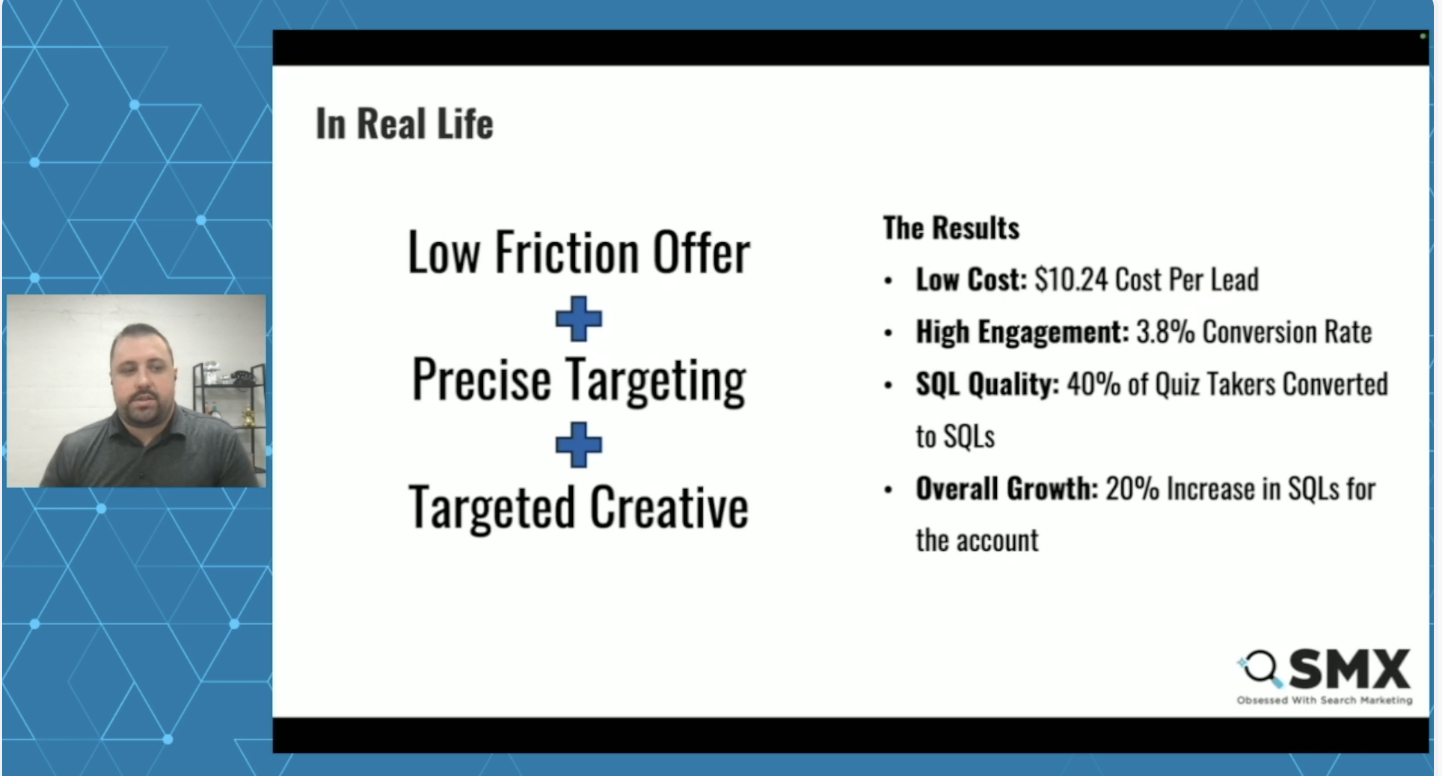
In a real-world application, a telecommunications company achieved impressive outcomes by clearly defining its offer, targeting, and creative messages. The results highlighted the critical importance of aligning these elements for Demand Gen success.
Here are the key takeaways for any campaign I plan next:
Align creative content with my target customer’s stage in their journey.
Identify and target audiences at appropriate points in their journey.
Continuously test and refine both creative elements and offers to amplify impact.
As someone who’s deeply involved in SEO, I’ve noticed how search behavior has evolved significantly. It’s not just about typing keywords into Google anymore. People are asking questions, and sometimes, they’re even outsourcing their thinking to Large Language Models (LLMs).
With Google transitions from a traditional search engine to more of a question-and-answer machine, it’s crucial for businesses to have a robust and time-tested strategy to respond to these customer inquiries.
AI has transformed how we research and compare options — making what used to be a painstaking process much simpler. But the machine only knows what it can discover about us online.
To achieve the broadest visibility for your business, it’s vital to understand your customers’ needs, desires, and pain points thoroughly.
This is where the “They Ask, You Answer” framework becomes invaluable. It assists businesses in identifying and formulating answers to the numerous questions potential customers might have. In the age of AI, this approach is not just useful but essential to making progress.
An Answer-First Strategy and Its Importance Now
“They Ask, You Answer,” crafted by Marcus Sheridan, is more than just a book — it’s a strategic shift. I highly recommend diving into it.
The premise is straightforward: buyers have questions that businesses should address candidly and transparently. Avoid burying leads with vague responses like “Contact us for a quote.”
This isn’t merely an inbound marketing strategy but a practical extension of your customer-facing content with an E-E-A-T focus.
The framework includes five essential content categories: Pricing and cost, problems, versus and comparisons, reviews, and best in class.
These align with the key moments buyers experience in seeking solutions, assessing risks, and making decisions. Nowadays, many of these interactions happen in AI environments, making the TAYA process particularly relevant.
The modern web can be overwhelming with its chaos and distractions. AI steps in to simplify this — providing a clean, orderly way to find information. This is why TAYA, with its question-and-answer foundation, works so seamlessly with AI systems.
Your customers are searching everywhere, so it’s crucial to ensure they can find your brand.
Transforming E-E-A-T into a Practical Strategy
Although we have E-E-A-T as an ideal for content creation, effectively building a strategy around it can be challenging. “They Ask, You Answer” places this focus on tracks.
E-E-A-T categories: Pricing supports trust, experience, and expertise. Problems demonstrate experience. Versus content builds authority and expertise. Reviews enhance experience and trust. Best-in-class content fortifies authority and trust.
Building trust through E-E-A-T might be complex given the myriad ways to exhibit it. TAYA helps organize these signals within each category, creating a comprehensive repository of content that AI readily surfaces.
Ready to dig deeper? Discover how to build an effective content strategy for 2026.
Integrating TAYA with Traditional SEO Research
Drawing from our SEO skills and tools positions us strongly in the AI era. These resources aid in forming an integrated SEO, PPC, and AI strategy.
The action plan includes using Google Search Console, Google Business Profile, semantic maps from tools like AnswerThePublic, and competitive analysis with Semrush or Ahrefs to identify unique opportunities.
Explore your internal resources: Sales calls, live chat transcripts, emails, and customer feedback can reveal valuable insights.
This understanding allows us to collect and categorize questions under the TAYA framework.
TAYA and Your AI-Era Content Marketing Strategy
Here’s what TAYA looks like reinterpreted for an AI-driven landscape where Google and other systems anticipate user needs.
1. Pricing and Cost: Why Discussing Money Matters
Clarity on pricing helps potential buyers in their decision-making process. If businesses don’t provide detailed, transparent information, AI will present whatever it finds, which might not reflect your brand accurately.
To own this narrative, I recommend publishing price ranges, elaborating on cost-driving factors, and setting transparent expectations.
2. Problems: Leveraging Weaknesses as Strengths
Being candid about drawbacks and limitations fosters trust. Acknowledge potential issues constructively to reinforce credibility.
Craft content that addresses these issues head-on, providing practical advice and solutions.
3. Versus and Comparisons
Comparisons help simplify decision-making by highlighting differences clearly. Ensuring that your content reflects this can help in establishing your brand as a reliable source.
Focus on creating structured, easy-to-digest comparisons that guide potential buyers through their options.
4. Reviews and Credibility
This isn’t just about gathering positive reviews but creating genuine, review-like content to assist in evaluating options.
Offer honest evaluations and showcase your first-hand experiences to stand out as a truthful source.
5. Best in Class: Recommending Others at Times
Sometimes, acknowledging that another service might be best for certain needs builds trust. People appreciate honesty, enhancing your credibility as a fair evaluator.
Creating comprehensive and unbiased “best of” lists based on transparent criteria can place your brand as a trusted advisor.
TAYA as the Guide for Answer-First Visibility
In AI-driven content marketing, middle-of-the-funnel content plays a pivotal role. Your website retains its foundational importance as SEO remains crucial for AI visibility.
Using TAYA as a map empowers you to create a strategy that ensures presence across the AI spectrum. Each piece of content should respond to a real buyer question, emphasizing decision-stage content over mere branding awareness.
With AI and SEO, success is measured beyond clicks. It’s about becoming a trusted source and cementing the relationship with potential customers through quality content.
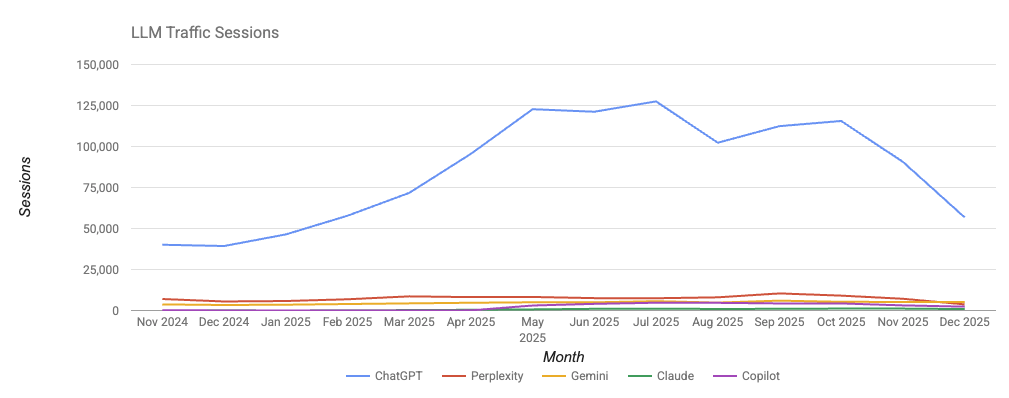
I recently discovered some fascinating insights into what’s really behind the 53% drop in SaaS AI traffic. It turns out, AI traffic isn’t actually collapsing—it’s just becoming more focused. While Copilot experiences a surge in in-workflow engagement, a significant 41% lands on search pages, all influenced by the ebbs and flows of Q4 budget cycles.
As the SaaS market navigates a downturn, driven largely by the emergence of autonomous AI agents like Claude Cowork, new data reveals a substantial 53% decline in AI-driven discovery sessions. This phenomenon has been dramatically labeled the “SaaSpocalypse” by Wall Street.
The overarching question of whether AI agents will eventually replace SaaS products looms larger than what this particular dataset can resolve. However, amidst the panic, the data offers clarity for SEO teams, highlighting key areas they should be monitoring closely.
Between November 2024 and December 2025, the SaaS sector experienced 774,331 sessions driven by large language models (LLM). Interestingly, ChatGPT was responsible for 82.3% of this traffic, yet Copilot’s remarkable growth tells a unique story.
Copilot started with a modest 148 sessions at the close of 2024, only to expand more than twentyfold by May 2025. From there, it averaged 3,822 sessions monthly from June through December, emerging as the second biggest AI referrer by year-end 2025.
This data indicates that while investor sentiment wiped out $300 billion from SaaS market caps over concerns about AI replacing enterprise software, the real driver of change is occupancy in the workflow. Copilot is flourishing because it seizes the moment of intent within a given task. By comparison, standalone AI tools suffered a steep 53% traffic drop, while workflow-embedded AI solutions saw an exponential 20x growth.
AI-led SaaS discovery predominantly directs users to internal search pages rather than directly to product or pricing pages. Over 320,615 sessions were directed to search results—surpassing blogs, pricing, and even product pages—reflecting potential LLM shortcomings rather than content superiority. Essentially, when LLMs lack direct answers, they lean on internal search as a fallback.
This scenario isn’t detrimental but points to a crawlability issue that can be rectified; it underscores the importance of well-structured, indexable search pages. Smart design strategies can ensure that your internal search feature becomes an effective API for AI agents.
Seasonal work cycles also play a role. SaaS AI traffic hits its zenith in July, attributable to active work cycles and available Q3 budgets, before waning through Q4 due to holiday pauses and budget limitations, following typical B2B purchase patterns.
For SEO teams out there, it’s crucial to concentrate efforts not merely based on traffic numbers but on penetration rates and landing page relevance. Consider tracking AI traffic by page type, ensuring indexability of search results, and structuring both pricing and blog content to be LLM-friendly by making crucial data visible and accessible.
In essence, AI discovery is here to stay, but to thrive in this evolving landscape, SaaS companies must enhance their visibility. Those who invest in transparent, crawlable, and comparison-centric content now are setting themselves apart in a competitive space.