I find it intriguing how, despite creating stellar content, it often doesn’t make it to the top of Google’s search results. What holds it back isn’t necessarily quality—there are usually other roadblocks in play. Let me break down how to identify what’s hindering your content’s rankings.
The common advice has always been to create helpful, high-quality content to rank well. However, this piece of advice doesn’t cover the full story of Google’s search algorithm mechanics.
Even if your content is well-researched and aligned with search intent, technical barriers and competition may still impede its visibility. Identifying these barriers is crucial before deciding to rewrite any piece of content.
Before blaming your content’s positioning, it’s essential to assess its quality. I often observe pages that don’t stand out, sometimes being autogenerated with minimal editorial input. Google’s guidelines on helpful content underscore the significance of experience and trust.
Ask yourself: Does your content deliver unique insights, adhere to Google’s preferred format, and offer value beyond the current top results? A ‘yes’ suggests positioning issues; otherwise, focus on enhancing your content’s quality first.
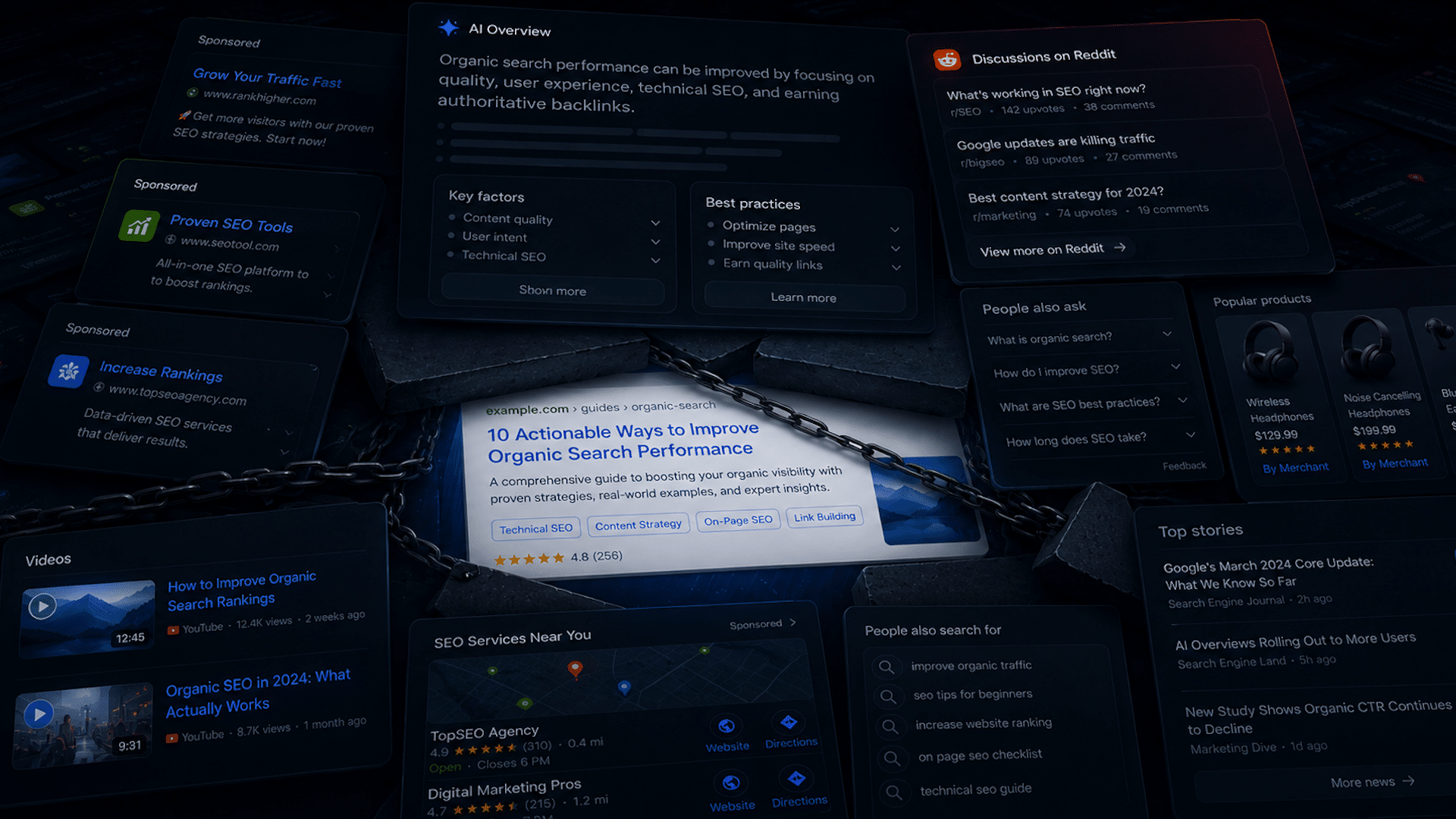
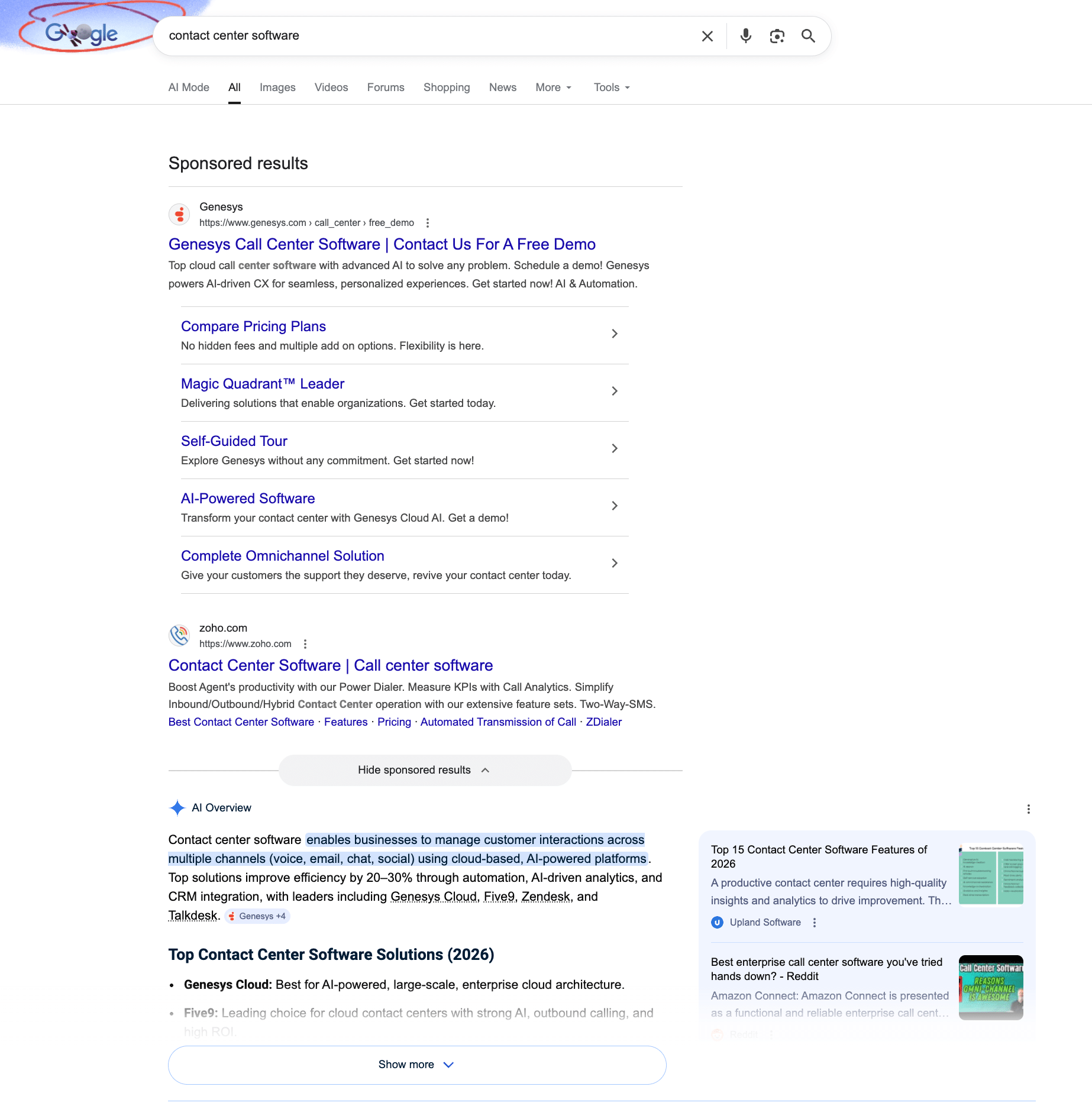
In the competitive 2026 search landscape, various factors such as AI summaries and an increased ad presence are reshaping search results pages, making it harder for organic content to achieve visibility.
Understanding what your content is truly competing against is key. If these external factors push your content down the page, adjustments are necessary to remain competitive.
When questioning why good content isn’t ranking, I employ a diagnostic framework that prioritizes technical issues. Ensuring that your page is indexed and free from technological hurdles is the first and simplest step to address.
Matching search intent with your content’s format is also critical. If your content is misaligned, improving it won’t suffice unless you address the fundamental disconnect.
If a large trust signal gap exists between your domain and your competitors’, repositioning is often necessary to focus on less competitive keywords where you can compete effectively.
The type of website you manage affects which barriers are most significant. For example, SaaS platforms typically face challenges concerning authority more than technical issues, while ecommerce sites contend with technical constraints.
Understanding and applying this diagnostic sequence helps identify and address potential bottlenecks, ultimately allowing your content to rank better by focusing on what truly matters.
In 2026, as the ease of generating good content continues to grow due to AI, positioning becomes crucial. Differentiated, experience-driven content is what stands out and captures attention.
Your strategic question isn’t just about creating good content. It’s about understanding the landscape: What else is required for your content to achieve outstanding results in the search arena?
As I delved into Google’s exclusive Discover profiles program, I discovered an intriguing behind-the-scenes look at what 54 publishers did with their newfound control.
Google Discover’s publisher profiles are housed at profile.google.com/cp/ and appear when a user interacts with a publisher name on a Discover card. While these profiles have been around since August 2025, it was only recently that Google secretly offered enhanced profile capabilities to a select few. This privilege includes customizable banner images, an optional link shelf, and the ability to pin posts for better content engagement.
While most of the over 47,000 monitored pages remain auto-generated with basic information and a label stating “Profile generated by Google,” the select few who’ve gained this access enjoy advanced control over their profiles.
Google’s approach appears highly selective; no public documentation or application process exists to apply for this feature. Throughout our monitoring, 54 U.S.-based, English-speaking publishers were identified as part of this exclusive cohort.
Our analysis of profile features is comprehensive, tracking 46,926 publishers across various languages. From this dataset, we narrowed down those displaying enhanced features, offering clues into Google’s intentions and priorities.
The skew toward local news and community publishers is evident, with nearly half of these publishers being regional newspapers and local TV stations. This focus is consistent with Google’s commitment to supporting local journalism.
Google operates under a two-tier profile system. Most publishers have standard profiles automatically generated, while the lucky few have claimed profiles with enhanced control over elements like social media links and content prioritization.
Through our investigation, we uncovered the actions of these privileged publishers, offering insights that could direct future adopters when Google decides to roll out this feature more broadly.
The use of professional banner images was a common thread, with participants investing in high-quality design to enhance their branding. From brand-patterns to local landmarks, each choice reflects deliberate design strategies to communicate their identity.
When exploring the links feature, local TV stations actively used this for site navigation, while national publishers were less engaged, suggesting differing strategic priorities.
Interestingly, many within the cohort failed to track profile link performance through UTM parameters, indicating an opportunity most have yet to seize.
Ultimately, this special program allows publishers to fine-tune their brand presence on a Google-owned platform, a tool for presence rather than ranking influence. The strategic implications for publishers are significant as they prepare for potential future rollout.
In considering methodology, insights were derived from the 1492.vision Profile Features Monitor, underscoring that the cohort’s composition reflects Google’s selection preferences rather than a random sample, highlighting important trends for those in the publishing industry to watch closely.
I’ve discovered a fascinating truth about search in the age of AI: brand authority often outshines topical authority. The landscape of search has shifted, and it’s time for us to adapt.
While topical authority remains a beloved concept among SEO consultants pitching content, brand authority holds the reins in today’s AI-driven search landscape. Marketers have long discussed brand authority, though it was often dismissed or left to brand teams post-sitemap adjustments.
AI’s emergence has upended the traditional approach, revealing underlying issues. Search is crucial for the global economy, and the industry’s marketing approach needs re-examination. More content doesn’t automatically confer authority. In fact, AI search champions brands gaining notable visibility, mentions, and real demand.
Too many SEOs overlook the reasons people choose, trust, and remember brands. In this new world of AI search, such ignorance stands out even more. That’s why brand authority prevails—but not in the way our typical SEO tools might suggest.
Previously, the meaning of topical authority was intended to highlight genuine expertise through useful work, citations from others, and a growing associated reputation. This builds your brand’s association with a topic, which in turn, creates authority and fosters brand development.
However, the industry often marketed topical authority commercially, emphasizing volume over value. Technical SEO became a niche, links were outsourced or repackaged, but content was the consistent agency engine.
Pre-AI, this made sense. Creating good content involved rigorous processes and offered substantial value, earning rankings and supporting commercial interests. In contrast, topical authority introduced the misguided idea that mere keyword coverage equated to expertise, diluting the concept’s original intent.
Another intriguing aspect of authority is understanding what others say about you, rather than solely focusing on self-published content. Google’s Jun Wu highlighted the importance of ‘mention information’—how search engines discern topics, identify sources, and map relationships.
Our modern term for this is brand co-occurrence. Being consistently mentioned by authoritative sites and communities solidifies your brand’s association with a topic, elevating market perception and authority.
Many might pitch the concept of topical authority as building a comprehensive keyword strategy, but actual authority requires originating valuable data and sharing insights that engage audiences and capture media attention.
The changing economic landscape of AI means that traditional advertising methods through content must evolve. With AI offering direct answers, the value of certain traditional SEO practices is diminishing. Users, like my AI-liking father, prefer quick, synthesized information over cumbersome web browsing.
The rise of AI citations in search metrics has become a focus, but they differ from authentic human endorsements. Real influence is reflected through human testimonies, where your brand is discussed, cited, and recommended.
If measuring brand authority, brand searches present a clearer indicator of growth. If more people search specifically for your brand, it signals rising demand and market presence—a more accurate reflection of impact than solely relying on AI citations.
Traditional SEO still plays a role, ensuring you’re found where it matters—be it in search rankings or marketplaces. Yet, brand authority distinctly drives recommendations, and AI search is starting to favor consolidated options, often mentioning specific brands and solutions.
The future echoes the demand for meaningful engagement and widespread brand visibility. Though SEO isn’t dead, a simplistic keyword-centric approach is fading. A holistic approach integrating positioning, PR, reviews, and content as interconnected elements is pivotal.
In an era where fitness and visibility are equal determinants of success, brands must excel in products and services while ensuring their market presence is robust and omnipresent. After all, brand authority is what truly wins, confirming that mediocrity no longer warrants attention.
I’ve seen how crucial it is to understand that AI visibility starts long before users hit that search bar and ends with citations.
These insights are vital in shaping what gets seen, summarized, and cited by AI systems.
Currently, the focus has shifted towards improving the AI ROI story, and I’m right in the thick of it, learning what strategies truly work.
This year, attending SMX Advanced will be more enlightening than ever, bringing unique perspectives and strategies.
Let’s dive into why influence matters everywhere, and how it impacts AI citations.
Rand Fishkin’s study, ‘Influence Happens Everywhere,’ reveals that, although Google commands the majority of search traffic, it’s the influence happening outside of search that truly dictates what people look for online.
For many, wandering through social media or news sites builds their understanding and interest long before the actual search occurs.
Despite the exciting growth of AI tools, achieving a stable presence online requires understanding how fragmented channels contribute to this influence.
When crafting content, it’s essential to dominate the influence phase so thoroughly that an AI assistant doesn’t just suggest your brand—it demands it.
That’s the strategic thrust behind the discussions at SMX Advanced in Boston and why I align my content calendar accordingly.
My colleagues at Search Engine Land are among those shaping these discussions. Insights from thought leaders like Dave Davies and Carolyn Shelby are invaluable.
They emphasize the importance of structured visibility signals and entity recognition, helping AI systems select the right brands to highlight.
In my own analysis, the various AI models like ChatGPT, Perplexity, and others have unique methodologies for selecting sources, reinforcing the idea that an engaged, multi-platform strategy is critical.
So, what does full-stack content truly mean today? It’s more than crafting blog posts; it’s about commanding entire topics with authority and depth, enhanced by AI tools like Jasper’s Enterprise Suite.
The ability to integrate real-time data, identify competitive content gaps, and create diverse multimedia content packages mean we’re shifting from simply generating content to dominating entire narratives.
But AI tools can only serve the overarching strategy if our content offers the original insights that help us stand out in AI retrieval systems.
This year, Purna Virji’s insights at SMX Advanced will challenge us to think critically about the real ROI in AI investment.
I’m particularly interested in seeing how Google Vids is democratizing video content by eliminating the high entry barriers of previous video production methods.
Now, video content can be produced and localized for a multitude of markets rapidly, a paradigm shift in how we engage audiences across the globe.
The standards AI is setting for content — whether text, video, or multimedia — require a strategic framework that aligns with evolving platforms like GEO and AEO.
For those in the trenches like me, adjusting focus towards an integration of structured data and earned media becomes imperative.
The real challenge isn’t in the buzzwords but effectively navigating the volatile landscape of AI-driven citations.
I recognize the adjustments needed in approach, especially when considering the stark differences in referral and conversion rates from traditional search versus AI platforms.
So, practical actions for the rest of 2026? Audit your AI presence thoroughly, stop gating original research, secure your place in vibrant communities, and refine your focus towards citatability rather than simple visibility.
Ultimately, the brands ready to adapt will continue to thrive in this AI-enhanced environment.
Indeed, the bots are crawling, and it’s time I ensured my brand is worth citing.
I’ve been diving into the world of ChatGPT lately, and it turns out there’s a fascinating bias toward commercial intent in its fan-out analysis. Let me break down what this means for our content strategy.
Over the course of my tests with 90 ChatGPT prompts, I discovered that commercial prompts lead to web searches a whopping 78.3% of the time, while informational prompts only did so 3.1% of the time.
This discrepancy got me thinking about how to craft our content to increase the chances of being featured in ChatGPT responses.
ChatGPT doesn’t source every response from the same place. Some responses are derived from its training data, while others are based on live web searches. This process, known as query fan-out, involves expanding a prompt into several background searches, and then curating a synthesized response from multiple topics. If our pages don’t fit into these subtopics, we miss out on getting pulled in.
So, our challenge now is more than just ranking well; it’s about ensuring our pages open the door to this fan-out process from the get-go.
In our samples, informational pages fell short. I encourage you to continue reading to uncover the paths the system actually favored.
I conducted tests across three industries: beauty, legaltech/regtech, and IT. The analysis explored prompt intents, the resulting query expansions, and the intents portrayed by those expansions.
The main takeaway is that most queries are aligned with commercial, rather than purely informational, intent.
Why This Question Matters Now and the Role of Query Fan-Outs
Understanding query fan-outs is crucial because it shifts the content creation approach. The system expands a prompt into several background searches, retrieving and synthesizing information from these subtopics.
This behavior triggers parallel web searches connected to the initial prompt, providing opportunities for mentions and citations.
Multi-query expansion is a fundamental design element in today’s search systems. As Google describes AI Mode, it breaks a question into subtopics, searches them simultaneously across sources, and combines the results into one coherent response.
This raises a key strategic question: should we focus more on top-of-funnel educational content or on lower-funnel comparison, shortlist, and recommendation content?
I designed this experiment to address that problem.
We aimed to see where fan-out occurs by intent category across selected industries: informational, commercial, transactional, or branded.
The hypothesis was clear: while informational prompts wouldn’t trigger fan-out, commercial ones would, and would either remain at the same level or move further down the funnel.
ChatGPT fan-outs were observed to align predominantly with commercial intent.
Disclaimer: This analysis reflects observed prompt expansion behavior in ChatGPT. Although Google AI Mode is cited for context to illustrate multi-query expansion as a pattern, it is not evidence of ChatGPT’s architecture.
The Setup: What We Tested
The experiment sampled 90 prompts, focusing heavily on informational intent.
Prompt intent
Prompts
Share of sample
Prompts with fan-out
Fan-out rate
Informational
65
72.2%
2
3.1%
Commercial
23
25.6%
18
78.3%
Branded
1
1.1%
0
0.0%
Transactional
1
1.1%
0
0.0%
Our sample primarily featured informational prompts, with some commercial and very few branded and transactional ones.
The test was structured around three industries: beauty/personal care, legaltech/regtech, and IT/tech.
The Result: Commercial Prompts Dominated
The findings were clear and conclusive.
Of the 90 prompts, 20 triggered a fan-out. Remarkably, 18 were of commercial intent and only 2 were informational.
Informational prompts accounted for a mere 10% of fan-out triggers (2 out of 20). When they triggered expansion, they were reframed into more evaluative, solution-seeking subqueries.
This indicates that, in this sample, commercial intent overwhelmingly influenced fan-out.
These 20 prompts resulted in 42 fan-out queries, averaging 2.1 per triggered prompt.
Here’s a breakdown of those fan-out queries:
39 were commercial.
2 were branded.
1 was informational.
Even if a prompt led to expansion, it typically transformed into a focus on comparison, feature filtering, shortlist creation, or brand-specific exploration, not broad educational discovery.
Methodology: Our Analytical Approach
Our experiment involved 90 prompts across three industries, mainly informational with fewer commercial prompts, and minimal branded and transactional queries.
The analysis involved:
Choosing a representative set of prompts.
Identifying fan-outs.
Classifying each fan-out by intent.
Analyzing distribution by prompt metadata.
Our approach followed three key steps:
Classifying prompts by intent labels.
Counting prompts that triggered any fan-out.
Reviewing expansion queries and their intent labels.
This process revealed two distinct perspectives:
A prompt-level view to determine which prompts instigated fan-out.
A fan-out-query view to assess the intent of downstream expansions.
This distinction is important: the first identifies prompts that initiate the fan-out path, while the second examines where the system proceeds once engaged.
Interpreting the Results: Fan-Outs Trend Down-Funnel
The clearest takeaway is that, in this instance, fan-outs behave more like decision support rather than topic exploration.
Commercial prompts frequently opened new discovery paths.
Once open, these paths typically remained commercially focused.
The system often expanded into comparisons, feature-based analyses, product listings, and pricing inquiries.
Here are some illustrative examples:
“Suggest the best accounting software for small business and explain why” expanded to a commercial comparison query on features.
“What are the top AI document management systems for lawyers?” led to multiple product-centered legaltech queries.
“What are the best products for skin care?” grew into a shortlist-style inquiry around product categories and reviews.
The rare informational examples expose more about the system’s tendencies than the rules themselves.
“I need an open-source document management system. What can you suggest?” initially coded informational, shifted to solution recommendations.
“AI tools for legal research and document automation” also redirected into clearly commercial/evaluative queries.
Ultimately, even broad prompts frequently translate into more focused, commercially driven retrieval paths.
Implications for Our Content Strategy
Let’s not abandon informational content; however, we should recognize that informational content alone doesn’t consistently align with fan-out expansions, at least in this dataset.
If our goal is to shine in AI responses tied to product selection or vendor discovery, we need to strengthen our coverage with content that lines up with these downstream commercial intents.
Consider the following:
Creating “best-of” and shortlist pages
Developing thorough comparison pages
Writing “which tool should I choose” guides
Feature-led category explainers
Alternative option pages
Evaluation-focused FAQs
Incorporating recommendation passages in broader educational pieces
In practical terms, our content model should integrate both top- and bottom-of-funnel strategies, with strong commercial bridges.
A comprehensive piece can still be beneficial, provided it contains elements that the system can readily transform into decision-support inquiries.
An educational piece that lacks direct references to products, tradeoffs, features, use cases, or selection criteria is less likely to match the system’s fan-out paths.
In short, consider not only answering the obvious inquiries but also forecasting the subsequent evaluative step the system might generate behind the scenes.
Understanding Our Limitations
These results offer direction rather than universal truths.
90 prompts highlight a pattern, but don’t establish AI retrieval behavior as a law.
The prompt mix skews heavily towards informational content, with few branded or transactional samples. The findings don’t signify absence.
While diverse, the dataset isn’t normalized for brand, style, or use case. Some sectors lean easily into product-discovery language.
This analysis observed recorded fan-outs rather than controlling for platform-level testing. It reflects what occurred within this set rather than guarantees of ChatGPT’s constant behavior.
Google’s fan-out description provides context; however, this isn’t a Google AI Mode test. It’s ChatGPT-centric, with strategic—not architectural—takeaways.
Next Steps for Testing
Future versions of this test should further isolate the question while widening the dataset.
A follow-up should map fan-outs to specific content formats.
The aim isn’t solely to affirm that commercial intent triumphs, but to pinpoint which page templates and structures proficiently capture AI-preferred fan-out paths.
As I observe the evolving landscape, I realize that the transition from traditional search to AI requires brands like mine to present information in a way that AI can effectively read, verify, and rank it.
Scott Stouffer, the co-founder and CTO at Market Brew, recently shared that AI perceives brands differently than we might expect.
Despite our efforts to publish content, optimize pages, and adhere to SEO best practices, the game has changed. It’s no longer just about keywords and links; it’s about understanding meaning and intent within AI systems.
Whereas legacy SEO allowed for lower ranking visibility, AI-driven methods prioritize retrieval first, determining if your content even makes it into the search results.
Stouffer emphasizes, “If you’re not retrieved, you do not exist to AI.”
I find it fascinating that in AI systems, our brand becomes a mathematical object. Although we might intend our brand to be one thing, AI interprets it based on the content we’ve published.
The version of our brand computed by AI might significantly differ from what we originally intended.
Retrieval precedes ranking in the AI world. Traditional SEO emphasizes ranking positions, but AI first filters which content is even eligible for consideration.
This initial step is called retrieval, and if my content isn’t part of it, I receive no impressions or clicks.
Shifting from exclusion to inclusion is crucial, as Stouffer puts it, “You don’t lose. You just never entered the game.”
AI does not view web pages as a single unit. Instead, it dissects them into smaller sections, evaluating each chunk separately. This means even a single sentence can stand out if it aligns closely with a user’s query.
Meaning is translated into math by converting each chunk into a vector. This vector captures context and intent, showing that AI measures how close the content’s meaning is to a query, rather than just keyword overlap.
I learned that content naturally forms clusters in this vector space. Similar ideas group together, which reflects how AI systems understand topics beyond mere website layout.
Our brand’s positioning in these clusters is represented by a centroid, the average position of all related content. This centroid is what AI uses to understand our brand, not our carefully crafted homepage or brand guidelines.
Stouffer mentions that it’s not just about optimizing individual pages; it’s about ensuring consistency across our entire content portfolio to maintain a clear, stable centroid.
When queries are entered, AI searches for the closest matches in meaning space, first assessing if content is close enough before applying traditional ranking factors.
Many brands look nearly identical to AI due to similar strategies and content, leading to what Stouffer describes as cluster collision. To stand out, we need to create distinct content that occupies a unique position in the meaning space.
SEO is evolving into a continuous process where each new piece of content shifts the centroid, requiring ongoing alignment monitoring and adjustment to avoid drift.
Most teams struggle with visibility into these AI processes, often resorting to trial and error. Understanding these dynamics can help us better control our brand visibility.
In summary, our brand exists as a mathematical object in AI systems. By controlling our centroid, we can effectively manage our AI visibility. Stouffer succinctly concludes, “If you control your centroid, you control your visibility.”
I’ve always found brand positioning to be an intricate dance of claims, proofs, and strategic framing. While AI can validate claims, it won’t decide on the conclusions that best elevate your business. Let me share how framing transforms proof into brand loyalty.
In today’s digital world, every brand has its arsenal of claims and underlying proofs scattered across its digital presence. AI engines like ChatGPT and Google’s AI can verify these, but they hold no narrative power to create an engaging story for your brand.
Often, there’s a disconnect between what your audience desires and what brands or AI understand. The missing link? A powerful frame that converts disjointed data into a compelling brand narrative.
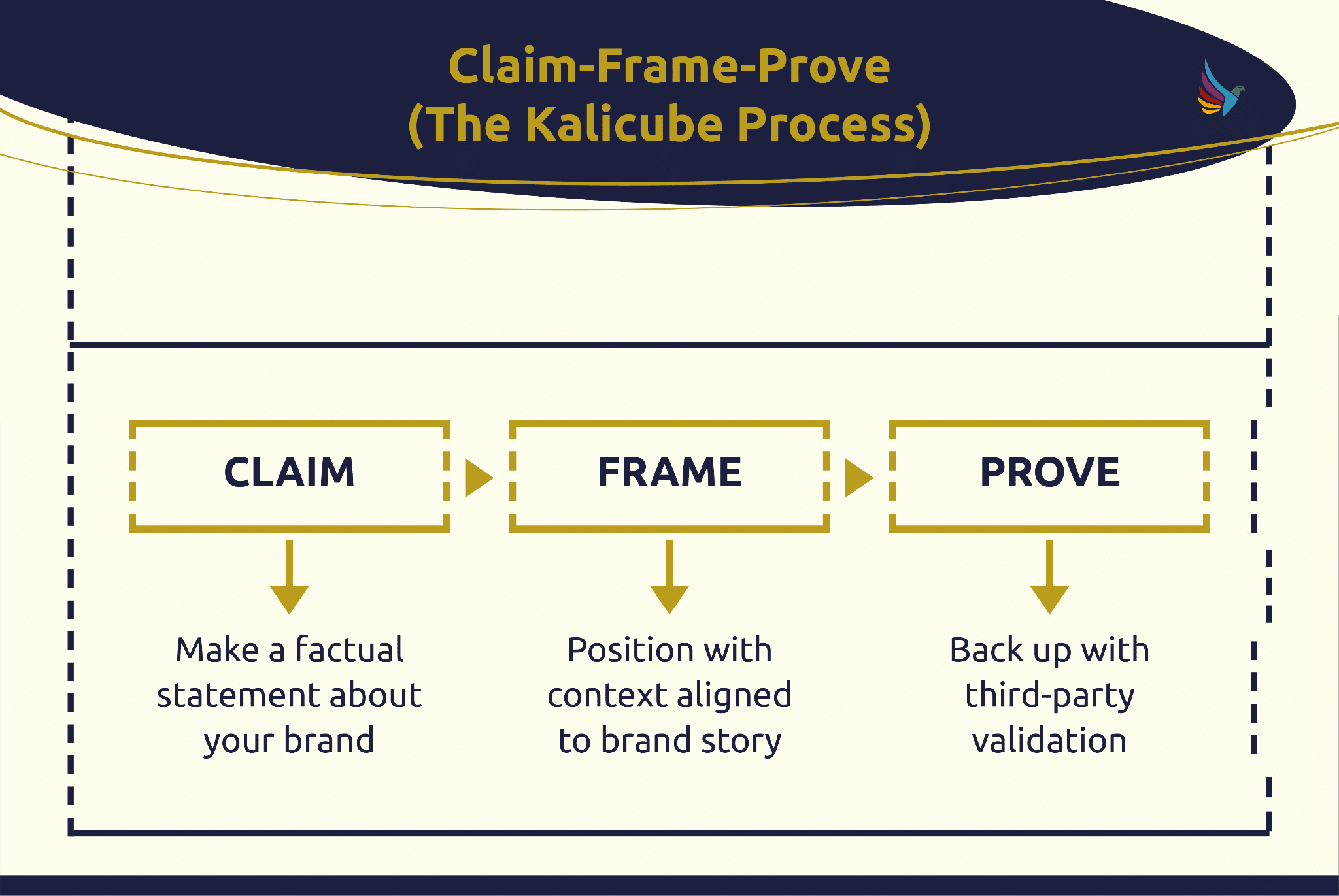
Here’s where I introduce the claim-frame-prove (CFP) approach. Claims and proofs are mechanical, but framing adds that strategic layer necessary to craft your brand’s narrative.
Claims and proofs are mechanical tasks AI can handle, but creating a strategic frame is your brand’s unique prerogative.
Building your brand through CFP means understanding that AI can link known facts but cannot make that creative leap your brand requires. AI connects the dots logically but lacks the ability to reach a commercially beneficial insight.
Consider the alphabet analogy: while C is an apparent commercial reach, J represents a nuanced insight, and Q symbolizes a bold vision your brand can aspire to.
I’ll illustrate with some personal examples. My work in answer engine optimization demonstrates this journey from mere understanding to unique brand positioning.
A + B → C
A: I coined answer engine optimization in 2017. B: I also run a brand engineering firm. AI arrives at the simple, logical conclusion: I’m connected to AEO implementation. While true and functional, it lacks depth.
A + B → J
By pushing further, the narrative evolves. J: I might be the only practitioner with extensive insights from a decade’s worth of operational data.
This move from A and B to J is vital. It’s about identifying which non-obvious insight fosters brand growth and constructing a logical link from accepted realities to this aspirational leap. That logical bridge is essential for AI to consider it factual, rather than mere self-promotion.
Why AI Can’t Decide What’s Best for Your Brand
AI won’t instinctively choose the best narrative for your brand—that responsibility is yours. Even as AI gets more sophisticated, it lacks the commercial insight to select paths that benefit your brand uniquely.
A creative marketer makes two critical moves: discovers imaginative insights and aligns them strategically with brand goals. Not a feat even the most evolved AI can match, as it lacks the personal stake in this narrative crafting.
I use an approach called “empathy for the machine,” which helps brands create content that AI can easily comprehend and relay, rather than leaving connections for AI to interpret independently.
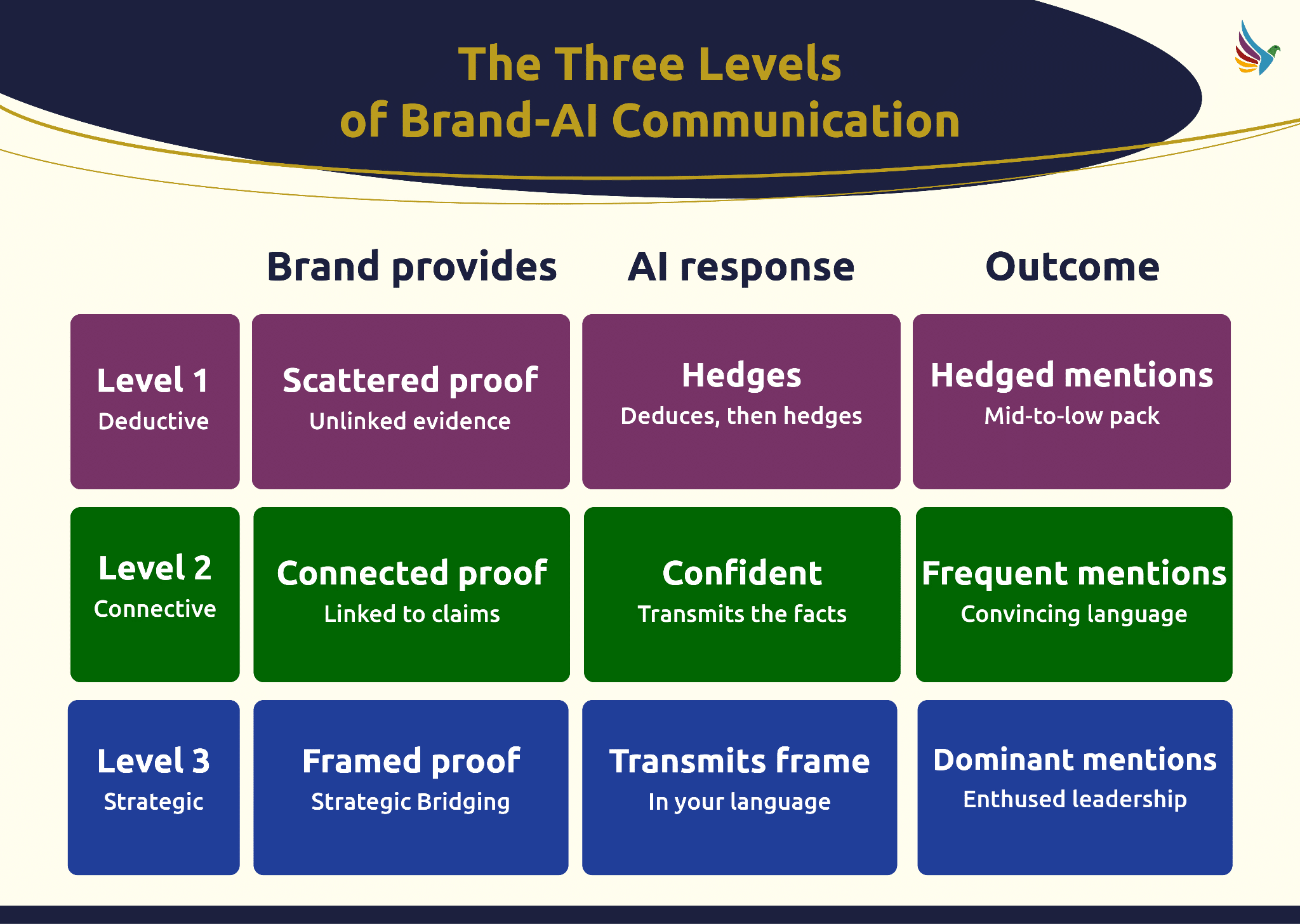
This method enables a three-tiered communication with AI, evolving from mere proof of claims to frames that the AI can transmit seamlessly to your audience.
Level 1: Scattered Proof of Claims
Many brands rest here—proofs exist in separate spaces, disconnected, leaving AI to infer relationships. The reality is that without explicit links, much of this value is lost.
Without these connections, AI struggles to assert your brand’s credibility, potentially leaving valuable insights untapped.
Level 2: Connected Proof of Claims
At this stage, connections via copy, hyperlinks, and schema are established, significantly reducing the AI’s workload and increasing your brand’s credibility.
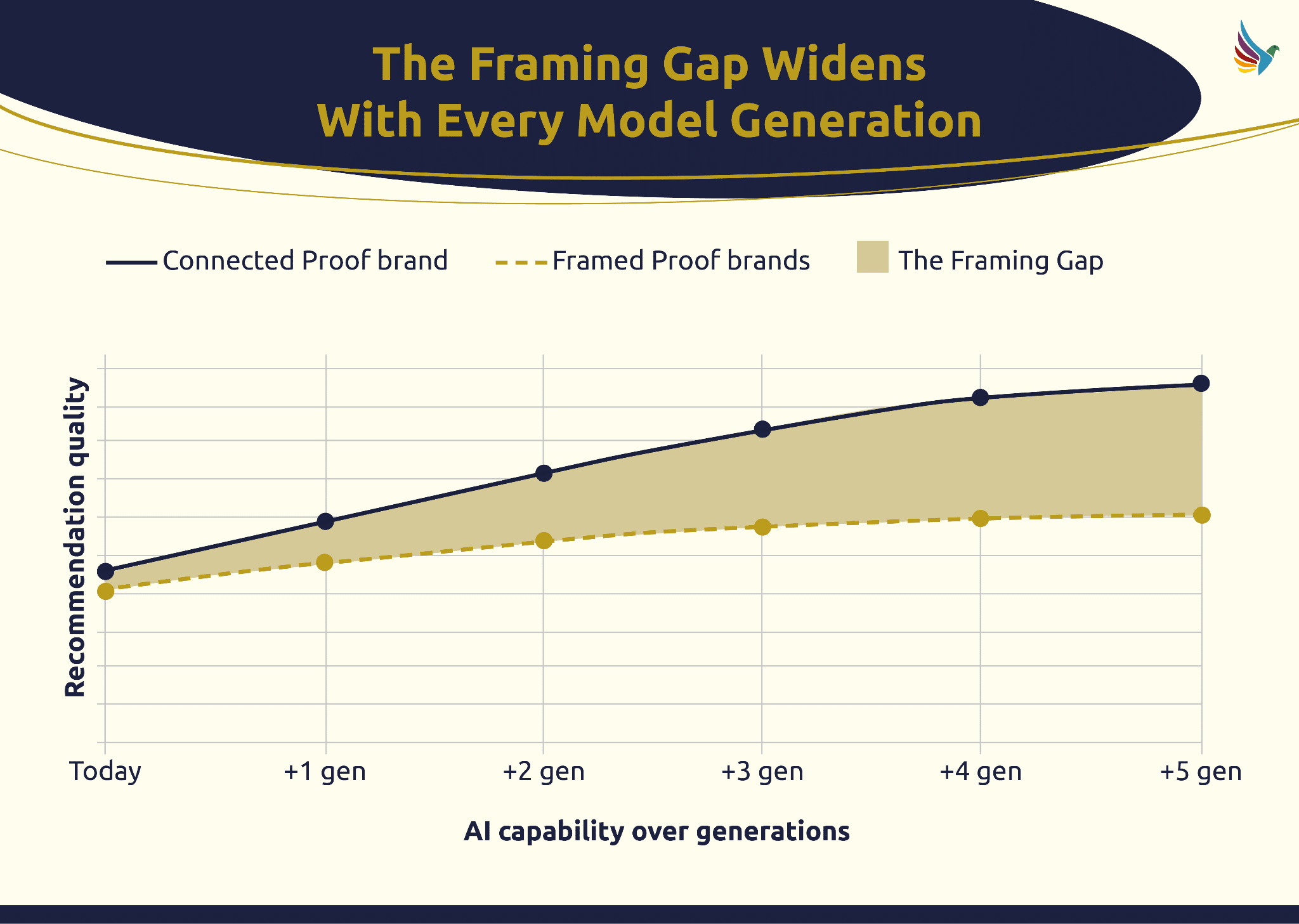
Proper connections allow AI to confidently present your brand’s claims as facts, significantly enhancing its visibility and competitive positioning.
Level 3: Framed Proof of Claims
This is where strategic framing really takes shape—bridging claims, proofs, and strategic insights to position your brand distinctly in the market.
With well-framed claims, AI doesn’t just confirm but actively advocates for your brand’s superiority, making your voice the narrative AI conveys to the world.
I’ve learned that SEO is not just about getting noticed — it’s about earning trust and becoming the top choice.
Wil Reynolds, founder and CEO of Seer Interactive, really got me thinking about how artificial intelligence is changing the game for us SEOs.
In his SEO Week session, “SEO is a performance channel, GEO isn’t. How do you pivot?” he emphasized that too many of us are chasing the wrong goals and crafting content that people simply don’t buy into.
Marketing isn’t just about being seen
Reynolds challenged us to look beyond visibility to what truly drives success — belief in our brand.
“Marketing was never just to be seen or be visible,” he said. “It’s about transforming that visibility into brand belief… and ultimately, being chosen.”
He outlined a crucial journey for marketers: being seen, being believed, and then being chosen.
Even when we hit that number one ranking, the job isn’t done. As Reynolds put it, “Job’s not finished.”
Low-quality marketing is everywhere
Reynolds made me rethink some of the standard marketing tactics we use that don’t actually provide value.
He criticized methods like automated outreach, saying, “That’s not marketing.”
I found myself questioning my past work habits — was it really marketing?
The industry is producing ‘zombie content’
Reynolds shed light on our tendency to churn out templated content just to rank, equating it to “zombie content.”
Lists like “best restaurants in Minnesota” when such searches aren’t even realistic? It truly made me think about content creation differently.
Short-term tactics vs. long-term brand building
Reynolds pointed out the stark contrast between short-term wins and the sustained success of building a powerful brand.
“Some focus on winning now, others play the long game,” he explained.
He made it clear that chasing immediate results often leads to producing work nobody wants.
SEO success doesn’t translate to AI visibility
Reynolds illustrated this with an example about “ethical jeans,” showing how AI results can diverge significantly from SEO.
A brand could rank highly on Google yet fail to gain traction in AI models due to a lack of genuine credibility.
Visibility without belief doesn’t lead to outcomes
Just having visibility doesn’t guarantee anything if people don’t trust or believe in us. A reality check I needed.
This visibility is merely a stepping stone, not the end goal.
What people say matters
Reynolds encouraged us to listen actively to how people discuss brands, especially on platforms like Reddit.
Despite how brands might try to show themselves as leaders, user sentiment can reveal a drastically different picture.
The wrong metrics are being measured
Many of us fall into the trap of focusing on easy-to-track metrics instead of those that tell the real story.
Reynolds suggested that if our visibility isn’t driving results, we’re looking at the wrong data points.
Watching real users changes the picture
He emphasized the breakthroughs that come from observing actual users interact with AI tools. It’s eye-opening and transformative.
Start with your brand
Understanding exactly how our brand is perceived in AI-generated content is vital.
If we’re not ensuring our brand is accurately represented, all our marketing efforts might be in vain.
AI can shape your brand narrative
Reynolds shared a personal experience where AI misrepresented his company, prompting him to take action by publishing clear, corrective content.
There is too much content
With all this content flooding the digital space, I’ve realized the importance of stepping back and curating high-quality material instead.
Rethinking performance
Reynolds drew attention to the varying effectiveness of different traffic sources, reminding me to focus on the ones that truly convert.
A final question for marketers
He left us pondering: Are we prepared to give up a fraction of visibility for the sake of being more credible?
In today’s digital landscape, I’ve noticed that paid search platforms are evolving to prioritize who sees my ads, often without depending solely on my chosen keywords.
This shift means I need to focus on optimization strategies beyond just keywords, such as leveraging audience data, enhancing landing page context, and understanding conversion behaviors. Recognizing this shift is crucial for me to know where to focus my efforts now.
A decade ago, keywords gave me a sense of control. Back then, hypersegmentation and single keyword ad groups were the norm.
We’d meticulously create unique landing pages for each keyword in every ad group, reveling in the manual process, convinced that we controlled the machine.
Times have changed, and the forecast of Google and Microsoft phasing out keywords feels more real than ever.
With tools like Performance Max and emerging AI Max solutions, along with contextual LLM-driven searches such as ChatGPT, I see the industry leaning towards a keywordless future.
Still, keywords remain vital as they reveal user intent and indicate where users stand in their journey:
If these signals are now managed behind a black box, my role as a marketer is evolving. So, what am I optimizing for?
Intent is now inferred from a web of signals, relegating individual keywords to the background. My optimization focus should now be on three main pillars in 2026.
Google now emphasizes customer match and first-party data over mere queries. With Data Manager API integration, it identifies users in auctions matching my key deals.
No longer do I bid on “cloud security.” Instead, I target IT directors (sharing first-party data) investigating SOC 2 compliance, even if they search for something vague like “scaling infrastructure.”
B2B match rates can be challenging, but this is where I must innovate my strategy, broadening one-to-one list matching and collaborating with integration partners.
Clustering individuals by shared pain points and offering on-site experiences help me understand their verified intent before reaching the remarketing list.
My landing page serves as a vital data source. Google’s AI examines it to grasp the nuances of my offerings, making creative assets crucial signals that align with my target themes and keywords.
If my landing page effectively communicates “mid-market manufacturing,” AI identifies relevant users regardless of specific keyword use, transforming my “keyword strategy” into a content strategy.
Opting for a creative approach similar to Meta’s, where Andromeda elevates the creative as a primary targeting signal, is beneficial. These creative inputs define my audience, demanding a balance between creative and technical input.
Journey-aware bidding and value-based bidding mean algorithms now analyze a user’s journey beyond the final click.
Optimization now targets “high-value need states,” feeding the system data about mid-funnel behaviors that result in significant contracts.
The most profound change for digital marketers, including myself, is shifting focus from query-level to user-level intent.
While the previously ignored query “how to manage payroll” might not have targeted enterprise SaaS companies, AI now understands if that user is a financial VP at a large firm, indicating commercial intent.
If it’s the right user, the right signals should prompt AI to act on their purchasing stage.
As AI handles matching, my role shifts towards becoming a data architect.
Data quality determines my success. I must feed AI with valuable leads to optimize for value-based bidding effectively.
Assessing the health of my signal, from landing pages optimized for AI readability to correct technical content, ensures Google accurately targets my audience.
I now focus less on micromanaging search terms and more on managing brand exclusions and negative themes.
The future of search is about being the best solution for the right individual at their evolving need state.
Keywords served as training wheels, but it’s time to see how quickly my data can propel me forward.
For years, I’ve been told to stick to a set of guidelines: always use top-notch creatives, maintain a polished brand, follow scripts, and adhere to platform-recommended formats.
Lately, while navigating ad accounts or simply scrolling through feeds, I’ve noticed something intriguing. The ads that grab my attention often defy these rules. They’re less polished, scrappier, and sometimes referred to as ‘ugly ads.’ What’s fascinating is that they’re outperforming the traditional, polished ones.
More brands are deliberately breaking so-called best practices to stand out. It’s important to remember that these practices represent an average of what worked for others in the past. By the time a strategy becomes a platform-recommended rule, it might have already lost its edge.
This is why defying best practices can lead to success — but only if you understand the reasons behind them.
Why Breaking Best Practices Enhances Ad Performance
Before diving into what to change, it’s crucial to understand the rationale behind existing rules. Platforms like Meta and TikTok have dual objectives:
They aim for you to spend money on ads.
They want to keep users engaged on their platforms.
The best practices they promote are designed to ensure a seamless experience, encouraging ads to resemble others. The issue is that familiarity eventually breeds invisibility. When I adhere too closely to the rules, my ads risk blending into the background noise, overlooked by users.
Highly-produced ads often scream ‘this is an ad,’ prompting users to skip them before my message hits home. In contrast, when my ad resembles something a friend might share, users’ defenses remain down longer, potentially transforming a scroll into a conversion.
This is why many top-performing ads today don’t appear traditionally polished or on-brand. They break patterns instead. Consider:
Grainy phone footage.
Notes app screenshots.
Green-screened reactions or commentary videos.
Other lo-fi formats that outperform studio-quality creatives.
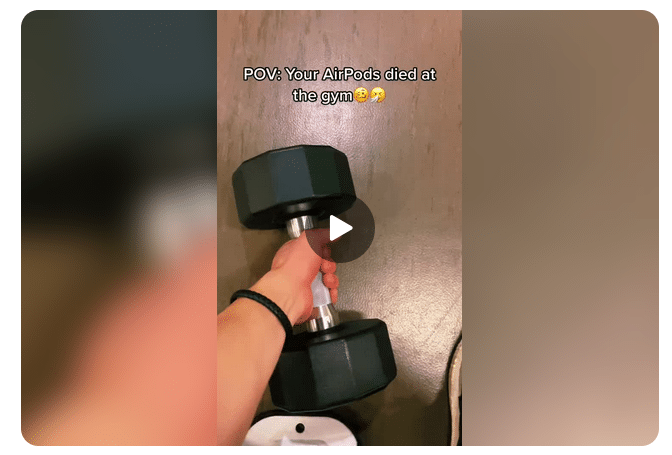
To implement this, I started intentionally reducing my production value and experimented with formats like point-of-view (POV) shots tailored to various personas.
Many brands have adopted guidelines that make them seem faceless and untouchable. They refrain from showing a messy office, an unpolished founder, or anything that challenges their corporate script. However, others are discarding that playbook, embracing founder-led ads that deviate from the polished executive version.
There’s a catch.
Breaking the rules works only when it’s genuine. I’ve learned that faking authenticity is easy to spot and can backfire. This was evident in a viral series of videos where McDonald’s CEO appeared to present a new burger, but his execution was criticized for being stiff and unconvincing.
As shown in a Dineline video, his performance appeared staged. Contrarily, Burger King’s president presented their burger with no hesitation, offering a genuine and relatable moment.
The distinction was evident: One was a product pitch, and the other felt authentic.
If my leadership doesn’t genuinely believe in the product, neither will my customers. Rule-breaking should allow us to be real, rather than simply appear unpolished.
You’ve probably encountered video hook best practices like ‘show the product in the first two seconds and state the value prop clearly.’ Sound familiar?
Imagine my ad starting with a screenshot of a negative comment, like one for a skincare product stating, ‘This probably smells like old socks, and does it even work?’ My ad would then show the founder confidently disproving this in an unscripted manner, applying the product.
Though this breaks the positive-association rule, it leverages viewers’ curiosity about digital conflicts. By the time they realize it’s an ad, they might already be engaged.
I learned not to abandon all polished assets just yet.
Rule-breaking is strategic, and often misunderstood when the ’80/20 rule’ is ignored.
Switching completely to shaky phone footage isn’t wise. Keeping 80% of the budget in traditional ads while using 20% for testing unconventional ones can be effective.
Next testing campaign, I plan to try:
The silent test: Running a silent ad with bold captions to stand out in a noisy feed.
The UI ghost: Using static images resembling platform notifications to pause scrolling.
The algorithmic trust fall: Disabling auto-optimizations in a campaign to test creative performance without constraints.
Don’t Follow the Rules; Understand Them
Best practices are a guide, not a strategy. To move beyond them, I do it systematically.
I start by questioning the rule’s existence, evaluating its current relevance, and testing its opposite in a structured manner. Comparing traditional and lo-fi approaches helps me understand user engagement better.
In an environment where brands play it safe, those who understand and strategically break the rules will capture attention and conversions. My goal is to learn faster than the competition, skipping guesswork.