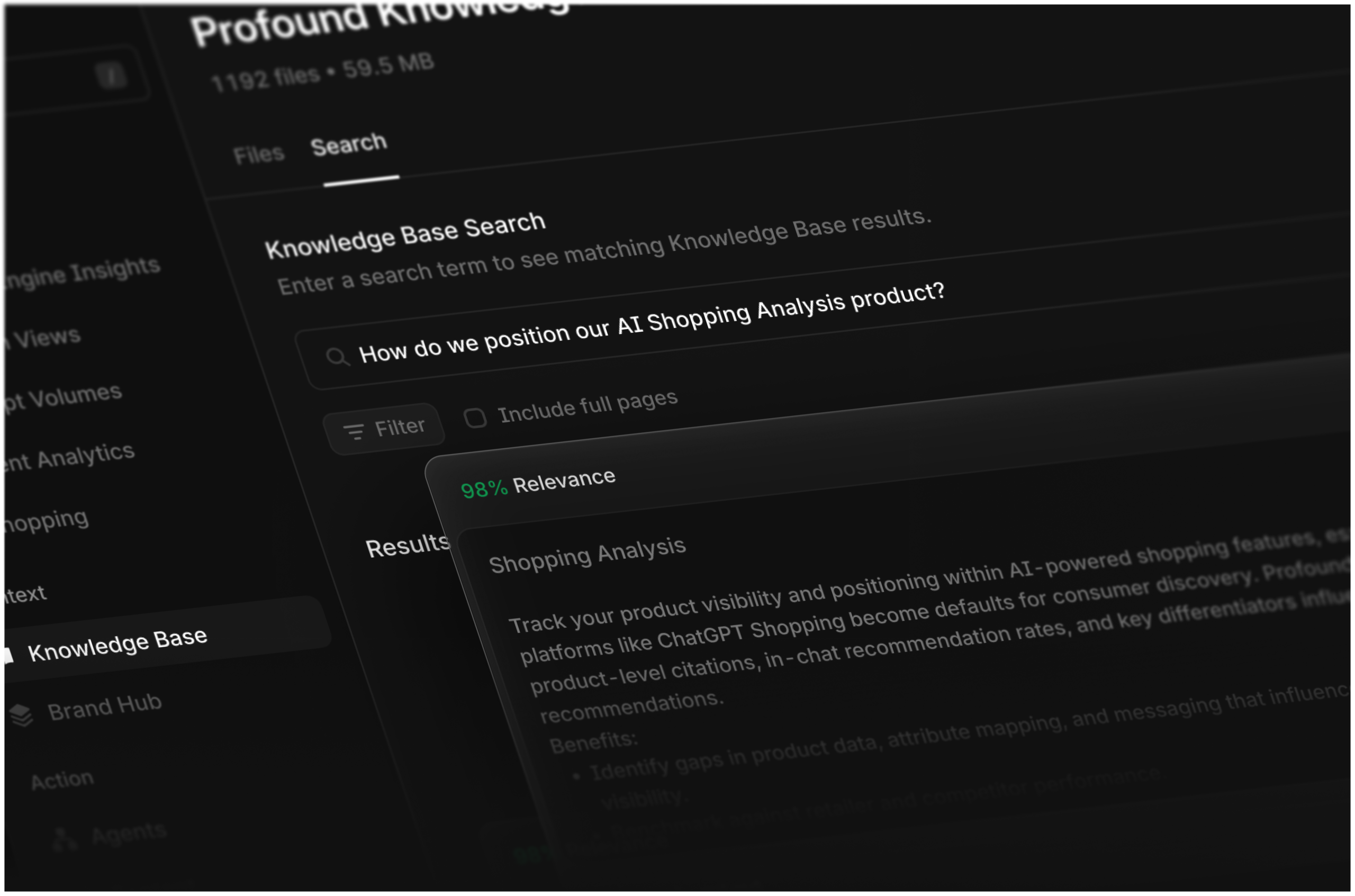
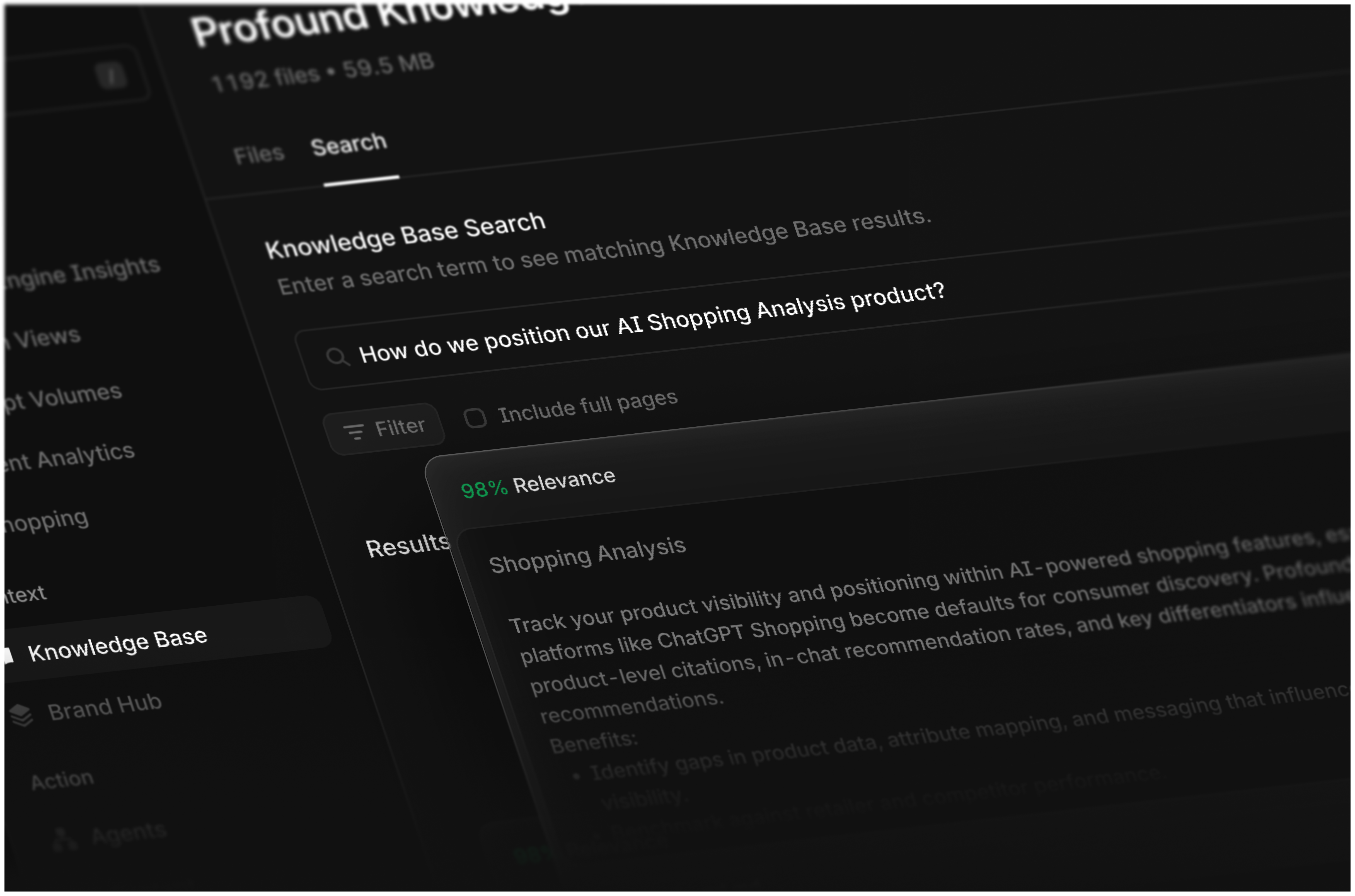
When I upload documents to the Knowledge Base, I provide Profound Agents with a comprehensive, single source of truth about my company’s unique information. This ensures that every marketing action performed on my behalf is informed with the right context about my brand.
A quick five-minute video can offer more data to a large language model than many blog posts. Here’s how I can enhance my brand’s visibility for AI data retrieval.
With OpenAI’s significant deal with Disney, web scraping is undergoing a transformation. This agreement lets OpenAI employ high-fidelity, human-verified cinematic content to minimize AI inaccuracies.
These opportunities enhance my brand’s visibility and recognition, as AI models crave high-quality data. Video becomes a crucial asset for my brand in this evolving landscape.
Here’s why video is becoming the AI’s truth source and how I can leverage it to defend my brand’s identity.
Brand drift in AI occurs when an AI doesn’t have specific data about my brand, leading it to piece together my brand’s story from generalized information.
This interpolation risks creating misleading brand narratives. Imagine a situation where an AI inaccurately describes my SaaS company’s product features because it lacks precise data.
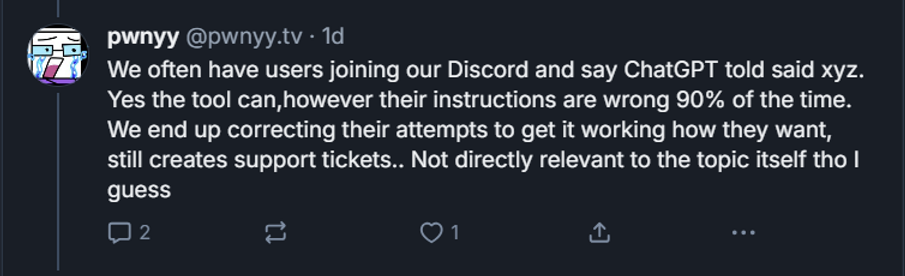
Streamer.bot faced a similar issue, with AI-generated instructions that were confidently incorrect, creating unnecessary confusion and workload.
Even local businesses are affected. A restaurant owner reported repeated inaccuracies shared by Google AI about their menu in an article.
Providing a canonical truth source, like video, prevents AI from distorting my brand’s message.
Authoritative videos carry significant semantic value, offering detailed transcripts and visual proof that establish a solid truth source, helping avoid misinformation from any other platforms.
Videos pack high data with nuance, offering multiple layers of communication through visuals, sound, and text.
Studios such as Berlin-based Impolite produce high-quality videos to help brands retain their identity, preventing brand drift by offering rich data sources for AI.
For instance, Karman’s “The Space That Makes Us Human” project showcases expert-led video that serves as an authentic truth source for brands.
Authenticity now acts as a crucial technical signal. Verification ensures that AI models can trust the provenance of a video.
Real-world footage is the ultimate high-trust data source. AI-generated videos typically lack the real-world’s dynamic intricacies.
Organizations like the Coalition for Content Provenance and Authenticity (C2PA) and the Content Authenticity Initiative (CAI) enhance digital content transparency.
These entities allow brands to digitally sign videos, establishing a trustworthy indicator for AI models versus unsigned content.
Similarly, I can understand more about media verification, establishing an unbroken chain of evidence from creation to consumption.
On LinkedIn, a “CR” mark on media indicates its origin and editing history, boosting content authority and authenticity.
Google’s integration of C2PA signals ensures AI-related policies are reflected in search and ads, maintaining accurate representation and disclosure.
In content marketing, adopting C2PA helps me safeguard against misinformation, acting as a quality assurance measure.
If necessary, I can utilize Sony’s camera authenticity solutions to embed real-time digital signatures in media, proving it’s genuine and trustworthy.
C2PA-compliant editing tools allow me to create a manifest detailing all edits and tools used, preserving the content’s integrity.
A cryptographic seal verifies the content’s integrity, alerting AI to broken data chains, ensuring only accurate information is spotlighted.
Given the content overload today, traditional verification methods struggle, but verified subject matter experts (SMEs) stand out as credible sources online.
By pairing expert insights with video evidence, brands provide AI with authentic, non-replicable authority that audiences trust.
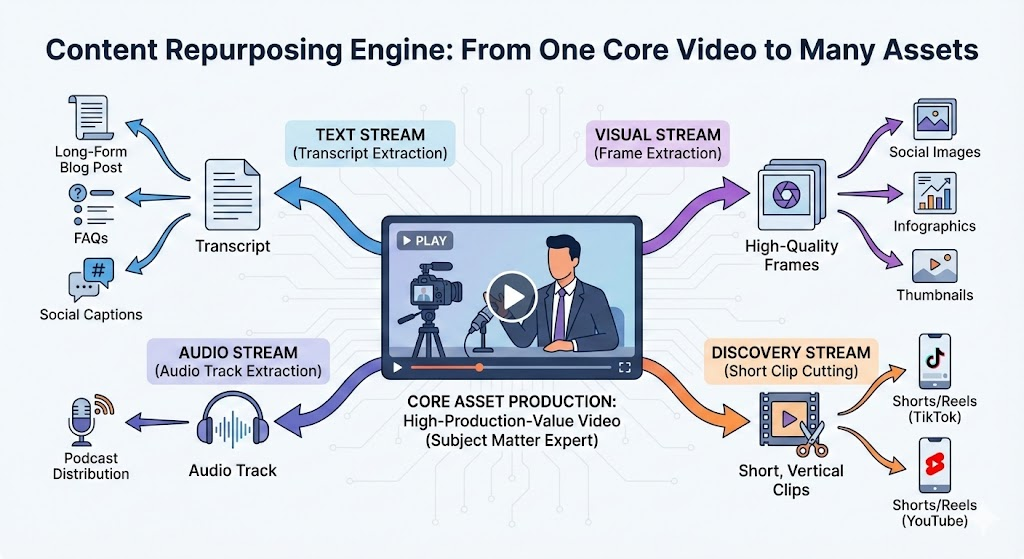
Incorporating video as central content captures nuanced details, giving birth to high-quality content across various media platforms.
Repurposing video into text, images, audio, and social media content builds an authority loop, increasing the probability of data retrieval by AI models.
I should predict where AI might misrepresent my brand and utilize verified expert voices and video documentation to address potential misinformation.
It remains vital for me to focus on context over mere compliance in brand building through high-fidelity, cryptographically signed video, safeguarding identity and authenticity.
The mandate is simple: Record reality. Ensuring I provide a verifiable video record prevents AI from creating false narratives about my brand.
I’m thrilled to share how Yahoo Scout is revolutionizing the way we experience AI-powered searches. By anchoring responses in Yahoo’s esteemed content ecosystem, it ensures that the information we receive is not only consistent but also reliable.
By prioritizing sourcing, consistency, and enduring distribution, Yahoo Scout flips traditional AI search paradigms on their heads. This approach not only enhances user trust but also sets a new standard for how search engines can function within a trusted network.
I recently delved into an intriguing analysis of 700,000 ChatGPT conversations that included web citations from the fourth quarter of 2025. The insights were fascinating!
One key finding is that most citations are captured right in the first turn. It’s interesting how Wikipedia emerges as the go-to knowledge source, while other references tend to cluster around specific topics.
This shift in how citations are managed should definitely grab the attention of marketers. Understanding this new citation economy could reshape strategies significantly. Let’s dive deeper into what these changes mean for us in the marketing world.
Ever wonder what kind of content catches the eye of AI search engines? I’ve been exploring the fascinating patterns and trends that determine why certain content is frequently cited, while others are easily ignored. Allow me to share with you seven key content patterns that consistently gain visibility in AI-powered searches, alongside five that typically get overlooked.
In our tech-driven world, crafting AI-friendly content isn’t just a bonus—it’s crucial for staying relevant. I’ll guide you through practical frameworks tailored to boost your content’s reach and appeal to AI systems.
I recently came across insightful advice from Acquia’s leadership on how to effectively adapt my content for the AI-driven customer journey, and I wanted to share what I’ve learned with you.
The AI landscape is ever-evolving, and understanding how to tailor content to meet the changing expectations of users is crucial. With AI, there’s a chance to engage and connect with audiences in new, meaningful ways.
By integrating AI optimization strategies into my content processes, I can ensure my content remains relevant and engaging. Whether it’s through AI-powered tools or personalized user experiences, the key is to embrace these advancements as they develop.
Over recent months, my perspective on digital discoverability has undergone a shift.
I’ve recognized that people aren’t just relying on Google anymore to explore new brands.
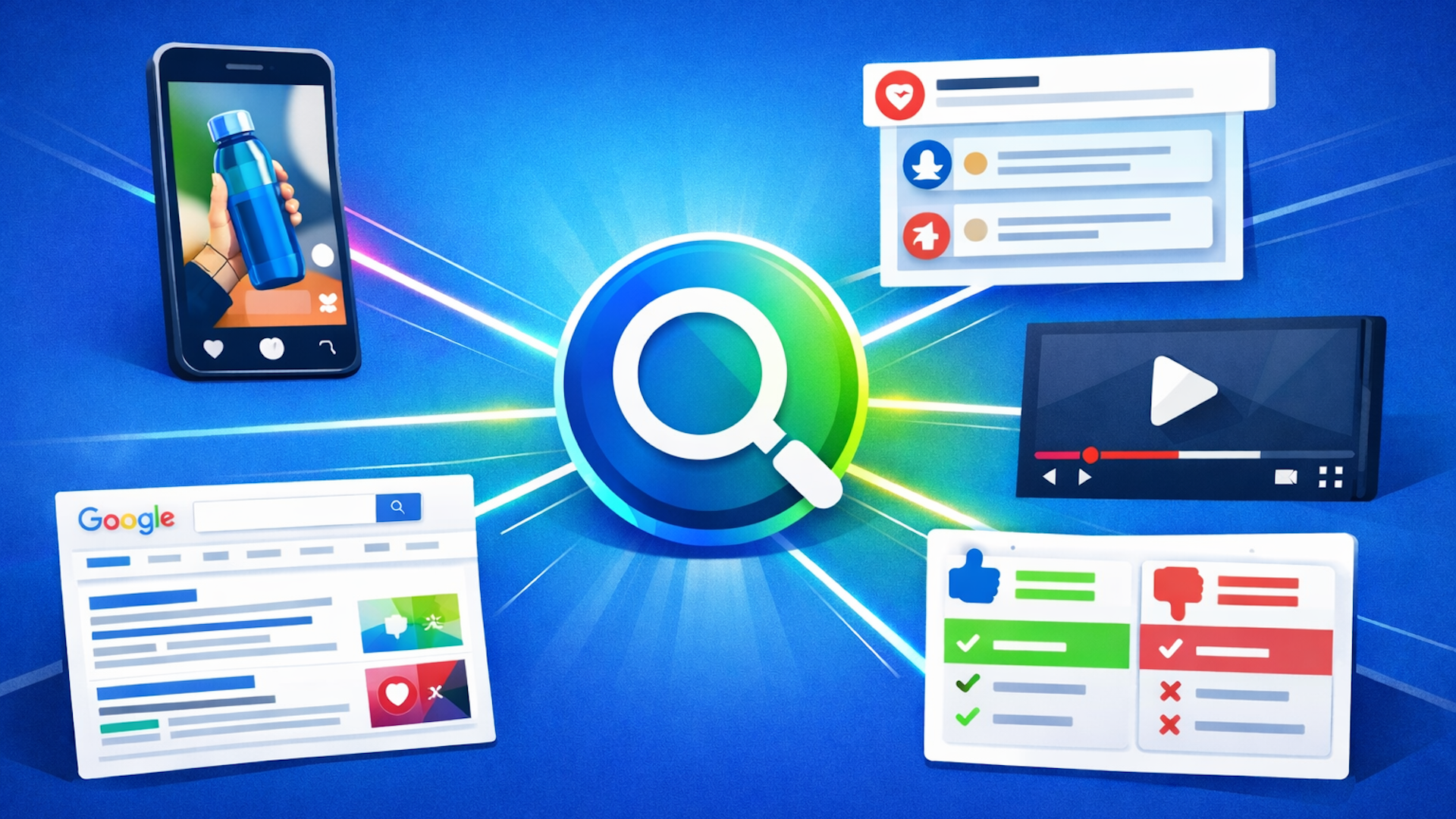
Today, audiences discover brands on TikTok, dive deep into Reddit threads, enjoy YouTube content, and turn to AI for concise summaries, all influencing a brand’s visibility.
Achieving discoverability isn’t about monopolizing a single platform anymore.
Instead, it’s about maintaining a consistent presence across all the platforms where my audience is making decisions.
In this evolving landscape, two strategies are proving invaluable: digital PR and social search.
They aren’t separate entities but rather work together to build authority and improve visibility across various digital spaces.
Digital PR creates credibility, establishing trustworthiness on a large scale.
Social search amplifies this credibility, ensuring it’s visible and memorable, anchoring brands in cultural and real-world conversations.
Together, they shape preferences effectively, paving one of the most dynamic paths to discoverability as we approach 2026.
This isn’t about future speculation; it’s the reality for brands successfully capturing attention today by designing campaigns where earned authority merges with platform-native content.
Search is no longer the destination, it’s a layer
In the past, we viewed search as a destination—a tool to capture intent and deliver answers.
Our focus was ranking, optimizing, and climbing to the top.
However, this approach doesn’t hold anymore. Search is now a layer atop behaviors, not their centerpiece.
It’s woven into various platforms, formats, and experiences. People don’t pause their actions to perform a search; it’s often an ongoing background process.
Users might hear about a brand on TikTok, explore public opinions on Reddit, watch a detailed YouTube breakdown, and ask an AI for a summary on pros and cons.
Each step embodies modern search powered by ongoing intent.
For my brand, arriving only when a person types into Google is far too late, often missing the mark as decisions are shaped beforehand.
This necessitates a more comprehensive approach to discoverability, extending beyond my website, ensuring we’re part of the entire search universe.
Digital PR and social search become critical tools in achieving a broad, yet cohesive presence across these varied platforms.
Social search is where intent becomes belief
Intent now grows through exposure, reinforcement, and social credibility across digital platforms.
Tools like TikTok, Reddit, or YouTube aren’t just for getting answers. They’re for validating what users already sense about a brand.
Social search fosters belief, whereas traditional search feels more transactional, often verifying availability or comparing options.
A TikTok demo reduces uncertainty.
Reddit threads add genuine context.
YouTube breakdowns provide additional safety.
This transforms social platforms into pivotal spaces where choices are affirmed before users reach traditional search engines.
Social search’s power lies in steering what users are inclined to trust, significantly enhancing cross-platform discoverability.
It’s about showing up and participating in shaping belief, not just aiming for engagement.
Where digital PR and social search meet, they offer a robust bid for the brand narrative’s authenticity and amplify the impact of third-party validations.
Digital PR anchors belief with credibility
If social search fosters belief, it’s digital PR that lends that belief the gravitas of authority.
Digital PR should be seen beyond links or temporary coverage. It provides a robust foundation of third-party validation recognized by algorithms and audiences.
It addresses the question of credibility, turning claims into supported truths.
By anchoring ideas in authority, digital PR shifts perceptions beyond mere brand visibility to genuine trust.
Real power emerges when digital PR shapes the groundwork for belief through source authority, narrative consistency, and portability across platforms.
Together, they enable campaigns and stories to become enduring elements of discoverability.
Operationalizing synergy for 2026 and beyond
To achieve this synergy, I must embrace a new mindset, aligning my digital PR and social strategies under a singular focus: discoverability.
My efforts should not only be about gaining coverage or broad engagement but rather about moving conversations to where they naturally fit into the evolving search universe.
By planning campaigns that travel brilliantly across platforms, I ensure my brand is ever-present where authority meets belief.
Success is now about creating a persistent story that resonates across multiple contexts, truly achieving my ultimate goal of enhanced discoverability in 2026.
I’ve noticed a powerful effect when social content sparks curiosity, leading to branded searches. Let me share how measuring this ‘halo effect’ can benefit us.
As a search marketer, my focus often stays on the familiar elements: keywords, links, and page metrics. We’re experts at navigating our dashboards.
However, not all of our audience’s search behaviors are captured in analytics tools like GSC or GA4.
One influential factor lies outside typical SEO reports – the social media halo effect.
When a captivating social post gains traction, it does more than collect likes; it piques curiosity about the brand.
This curiosity often takes form in the search bar, but many SEO teams aren’t equipped to capture this moment.
We aren’t tracking or aligning with social teams in real-time, which creates a substantial blind spot in understanding intent and impact.
The case for measuring the social-to-search connection
Branded search provides a clear signal of demand and trust. Even if clients prioritize non-branded growth, recognition is key.
Searches for specific brands or products arise from awareness or interest sparked on social platforms.
Despite its significance, branded performance is often overlooked or vaguely attributed to marketing efforts.
The invisibility problem
Social influences search behavior more than SEO reporting indicates.
When a post goes viral, branded impressions spike but SEO reports rarely capture the reason behind it.
Missing links between social and search mean we overlook early signals, attribution opportunities, and the fast-moving momentum of social interest.
By capturing the social-to-search connection, we gain a more complete understanding of user intent and impact.
What the ‘halo effect’ actually looks like
The halo effect is evident in several scenarios. Let me illustrate a few I’ve observed.
Scenario 1: A TikTok post goes viral and drives product searches
A TikTok demo unexpectedly goes viral, causing a surge in branded searches without a traffic spike.
People remember the post and search the brand, even if they don’t immediately click on any links.
Scenario 2: A founder’s LinkedIn post sparks searches for his name
A CEO shares insightful content that leads users to search for interviews or podcasts featuring them.
Scenario 3: An influencer mention (without links) leads to a surge in brand name searches
An influencer mentions a brand, creating a rise in impressions without direct links or measurable conversions.
These branded keyword lifts are often the first signs of growing interest, indicating underlying curiosity fueled by social interaction.
To fully measure this effect and improve our strategies, it’s essential to understand these connections.
How to track the social halo effect
Tracking this isn’t about perfect attribution models—it’s about a consistent approach and expanding our perspectives beyond just SEO metrics.
1. Establish a branded baseline
To recognize increases, it’s important to understand your brand’s normal search volume first.
Create segmentation by analyzing terms related to your brand, product names, and key figures like founders.
2. Watch for spikes around social moments
Track branded impressions regularly, especially during social campaigns or after viral posts.
Correlate these changes with social activities to identify meaningful patterns and signals.
The goal is not pinpointing causation but finding credible correlations to enhance understanding.
3. Layer in social listening and engagement data
Incorporate social listening tools to refine SEO insights and draw connections between social engagement and search behavior.
Annotations within SEO data can significantly aid in understanding the broader narrative.
4. Correlate branded search with on-site behavior
Not all branded traffic is created equal. Consider metrics like time on site and conversion rates from branded searches.
Engagement levels often indicate the quality of user interest that originates from social interactions.
Be sure to assess whether users engage further with the content after they land on the site.
What to do with all this data
With comprehensive insights into the halo effect, I find we can better capitalize on these opportunities.
Prove the value of social to SEO (and vice versa)
This data is invaluable for showcasing the interdependency of social media and SEO to stakeholders.
Forecast content that wins in both channels
Analyzing successful content themes can guide content creation that excels in both social and SEO channels.
Build SEO support for social moments
Aligning your SEO strategy with anticipated social moments ensures consistency and maximizes interest.
Align brand messaging everywhere
Ensure consistent messaging across all online and social platforms to build brand confidence and drive conversions.
Why the social-to-search connection will only grow
With new technologies like AI shaping search behaviors, brand familiarity is becoming increasingly vital.
Recognizing the synergy between social and search allows us to effectively shape these experiences for maximum impact.
The future lies in a harmonized approach where discovery, curiosity, and search-driven intent are seamlessly integrated.
Trace the ripple
Staying siloed isn’t an option. Understanding pre-search discovery enhances our ability to engage search users effectively.
The next time you see a spike in branded searches, analyze its origins to fully understand and leverage the halo effect.
As we approached the end of 2025, debates within the SEO industry swirled over whether AI necessitates a strategic shift. These discussions have continued into 2026, but now, we’re diving into tangible testing and implementation stages.
To truly adapt to the ever-changing search landscape, it’s crucial for us to dismantle the SEO silos and allow our SEO teams to lead as strategic quarterbacks in enhancing brand authority.
Traditionally, organic search has been an invaluable source of insight into consumer behavior, platform evolution, brand positioning, and organic influence.
In our current environment, large language models (LLMs) are heavily influenced by earned media content. Press releases, social media content, UGC, your own website, retail platforms, YouTube, and Reddit discussions—all play significant roles in shaping LLMs’ understanding of our brands and products, enabling them to generate accurate responses for users.
The time has come to introduce a new operational model—one that transitions SEO from a purely technical discipline to a pivotal driver of brand presence.
A phased blueprint for a cross-functional AI SEO team
Discussing 2026 with brands often elicits the same response: “There’s so much to tackle, and we can only manage so much at a time.” They’re not wrong. Attempting to address every concern simultaneously squanders resources.
The key to a more effective AI SEO operating system is prioritizing what matters most and ensuring cooperation across organizational boundaries based on prioritization.
Focus on higher-priority collaborations through your SEO quarterback, executing actions in well-planned phases rather than all at once.
Phase 1: Collaborating on your owned assets
Essential collaborators: Web development, content, and product teams.
Before concerning ourselves too much with marketing and influencing an LLM’s view of our brand, it’s vital to focus on the accurate facts we convey through our owned assets. Building a robust AI search foundation begins with our own website, where we exert the most control.
The SEO pivot
We’re transitioning from optimizing solely for specific search terms to ensuring data is structured for undeniable extraction by bots.
The collaborative effort
The SEO quarterback partners with product and sales teams to identify information LLMs might need based on actual customer conversations and product usage. These insights guide the content team in addressing information gaps and inform the web development team to implement structural adjustments for improved extraction.
The goal
Our aim is to establish a definitive truth source for our brand. We want all factual claims about our products—from practical uses to specifications and availability—to be so clear and structured that they become the primary reference, ensuring AI sources reliable, accurate data from us.
Failure to do so leads AI to generate information based on assumptions made from elsewhere.
Phase 2: Collaborating on your earned assets
Essential collaborators: PR and communications, creative, brand, social media, and commerce teams.
Once we have our foundation in place, expanding into other sources is crucial. LLMs often prioritize external voices and sources over our internal narratives.
AI search generates responses by validating facts across the internet. This is where our SEO strategies must align with PR and communications efforts to influence the sources AI trusts.
The SEO pivot
Rather than amassing numerous backlinks, we focus on gaining high-value citations to foster brand mentions and authority in niche domains. This shift moves from old-school link-building to crafting enduring narratives that accrue brand authority.
The collaborative effort
The SEO quarterback collaborates with PR and communications teams to transition from episodic media engagements to an “always-on” approach by recycling and syndicating content stories.
Creative and brand teams integrate with the larger content strategy, providing insights into topics supported by video content. The period is ripe for including the organic social team, aligning themes across platforms to maintain narrative consistency and maximize content utility.
For ecommerce brands, commerce and marketplace teams offer a valuable source for chatbots in verifying product data. Maximize retailer real estate as part of your broader product description page (PDP) strategy.
The goal
We aim for consistency in factual validation—whether it’s the technical specifications on a retailer’s PDP or the sentiment expressed in a press article. By transforming these off-site entities into extensions of our truth foundation, we sculpt the consensus AI requires to accurately represent our brand.
Phase 3: Building your brand and community
Essential collaborators: Social and community management, paid social and search, affiliate marketing teams.
The final phase focuses on influencing human signals from user-generated content. AI models supplement their learning by scraping platforms like Reddit, YouTube, third-party review sites, and niche communities to gauge public perception.
While Phase 1 is about our narrative and Phase 2 focuses on expert opinions, Phase 3 ensures our community corroborates these narratives.
The SEO pivot
We now optimize for community authority and sentiment, shifting from mere presence in social spaces to actively shaping narratives where AI models learn human preferences.
The collaborative effort
The SEO quarterback collaborates with social and community management teams to determine where the audience engages, what drives LLM influence, and which conversations to naturally participate in or leverage.
These insights inform the paid search team for ad copy testing or landing page strategies that align with brand directions. Coordination extends to the affiliate team for relevant domain placements and the paid social team to synchronize influencer scripts with thematic nuances that refine brand messages.
The goal
Our objective is to build brand associations and scale important conversations within our community. By expanding and nurturing these discussions, we uncover genuine customer insights to inform broader strategies.
This operating system relies on exchanging data, insights, and executional support. The SEO quarterback ensures every team receives the necessary inputs and strategic insights for excelling in AI search.
Team
What they provide to the SEO lead
What they receive from the SEO lead
Content team
Topic expertise and high-quality creation
AI-driven keyword strategy, optimization guidelines, performance data
PR and communication team
Brand messaging and outreach support
Search trend analysis, brand mention monitoring, and authority targets
Engagement data, social trends, content distribution
Trending topics, cross-platform strategies
Web dev team
Technical infrastructure, site performance
Technical SEO audits, implementation priorities
Creative team
Visual assets, brand identity
AI trends, optimization data, performance insights
Architecting your 2026 SEO team
It’s crucial for our SEO lead, whether in-house or from an agency, to hold a vocal role at the strategy table. If their role is limited to occasional audits or keyword lists, we’re missing essential insights for success.
We need an SEO leader who takes charge in steering the AI SEO operating system, emphasizing internal strategy, performance, insights, and innovation.
This leader is tasked with examining AI data and making pivotal decisions on whether to focus on content or PR strategies. Their involvement is integral in shaping the brand’s identity across multiple channels.
Agency vs. in-house: Balancing nuance and innovation
The frequent question of whether our quarterback should be an internal employee or an agency partner persists.
Ultimately, having a dedicated internal lead as the primary strategist—regardless of tactical execution—yields the best results. Full-time employees possess nuanced understanding, internal networks, and profound product knowledge otherwise hard to duplicate externally.
As SEO is inherently situational, maintaining an innovative edge solo can be challenging for in-house teams. A supportive agency partner expands the team’s capability by asking insightful questions, offering additional resources, sharing broader industry insights, and fostering collaboration.
Whether an in-house team or agency supplements your resources, the requirement remains the same: a strong leader who can nurture the cross-channel collaborations AI search demands.
AI search success stems from cross-channel collaboration
A championship team isn’t crafted merely by recruiting a star quarterback, a solid offensive line, and an elite receiver. Winning demands that the entire team follows the same playbook.
By 2026, isolated SEO strategies resemble a quarterback left in the locker room. The talent might exist, but no points are scored until the full team hits the field.
In the evolving search landscape, changes to strategic execution aren’t merely necessary—they are imperative. Elevating SEO from a technical corner to the organizational core transforms it from an expense to a vital driver of brand authority.
Empower your SEO lead to dictate plays, dismantle silos, and cultivate a brand that stands indisputably strong before both bots and human audiences.