After Google Marketing Live, I’m still left with a lot of questions, and I’m sure I’m not the only one. Thankfully, Ginny Marvin, Google Ads Liaison, joined a comprehensive Q&A with Julie Bacchini and the PPC Chat community to tackle big topics like AI Max, AI Search ads, first-party data, and more.
The discussion was enlightening, bringing clarity to AI Search eligibility, reporting challenges, and Google’s increasing focus on data quality.
AI Max: Not a Must-Have for AI Search Ads
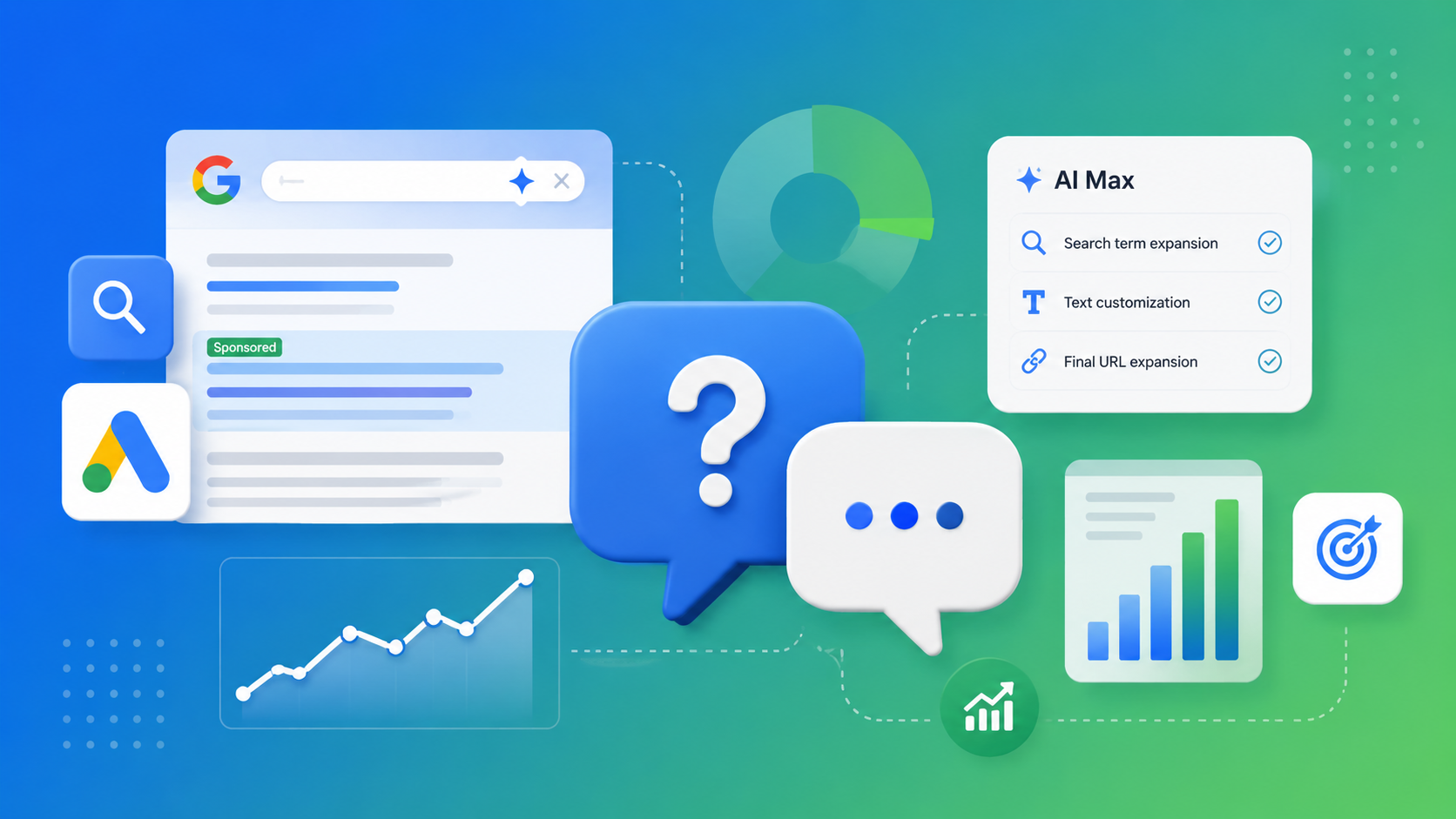
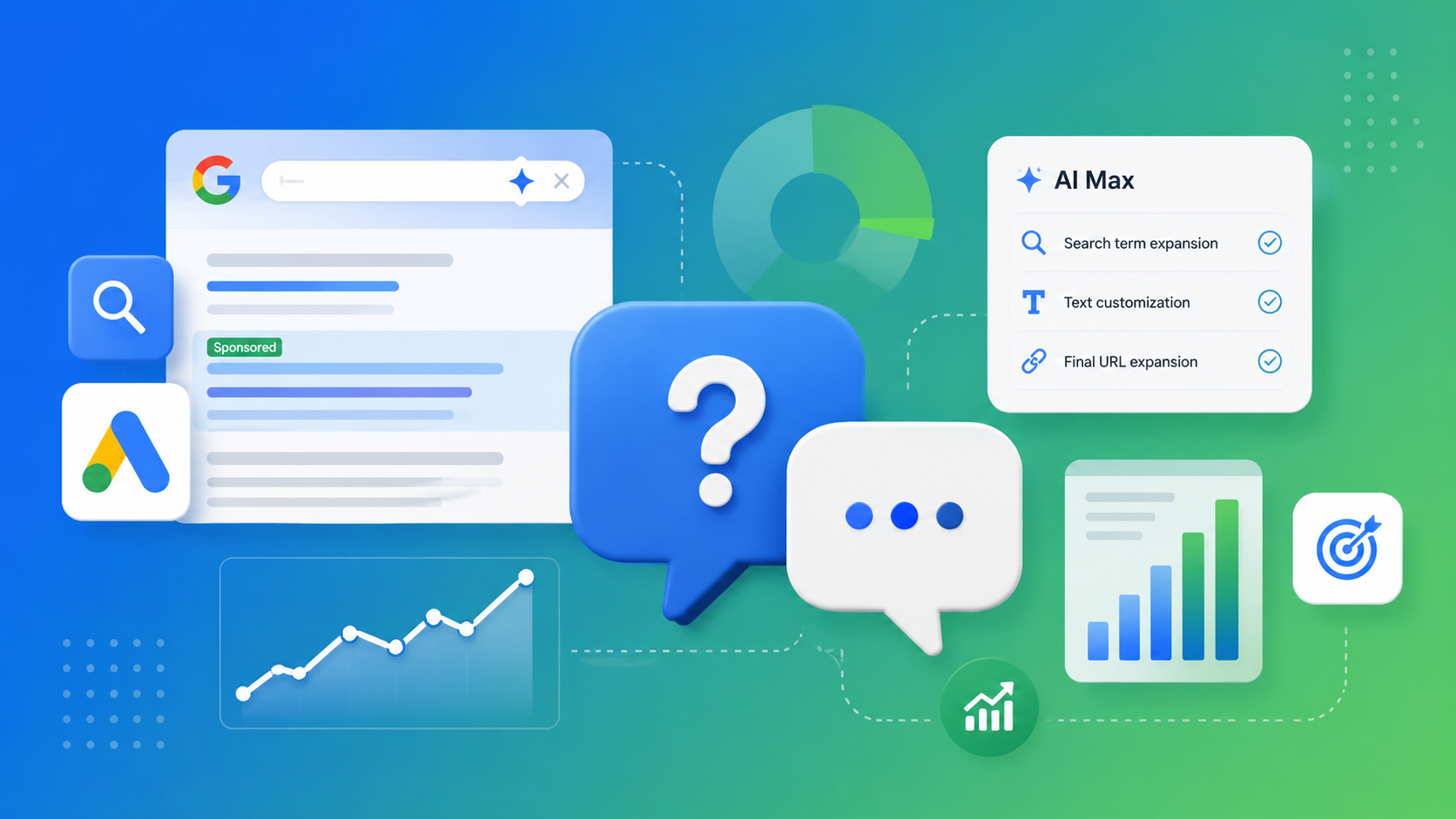
A major revelation was that AI Max isn’t required for participating in AI-driven search experiences. This surprised many of us, as we’d assumed AI Max was crucial for tapping into Google’s AI search surfaces.
Ginny highlighted that campaigns with broad match keywords are still eligible for AI Overviews and AI Mode. Even so, AI Max does broaden possibilities by treating phrase and exact match keywords with broad match behavior and enabling keywordless matching.
This means there are still multiple avenues available for us to access AI Search inventory.
AI Search Reporting is Still on Hold
Many of us were eagerly hoping for detailed reporting on AI-powered search results. However, Ginny confirmed that current ads in AI Overviews and AI Mode are reported like other top-of-page ads, with no distinct breakdown. Google’s still figuring out what these reports should eventually look like.
This leaves us with limited insights into how much AI-driven traffic and performance we’re actually seeing.
Google’s AI Brief: A New Layer of Control
A significant part of the discussion circled around AI Brief, set to become the control layer for AI Max campaigns. Advertisers like me will soon be able to provide specific guidance such as “never mention prices” or define target audiences, message themes, and search intents to prioritize.
The rollout will start with English Search campaigns and eventually spread to Performance Max and Shopping campaigns.
For those of us worried about automation reducing our control, AI Brief offers a promising solution.
The Core of Effective Advertising: First-party Data
If there’s anything I walked away with, it’s the emphasis on data quality, particularly first-party data. Google’s focus is what they call “Data Strength,” and tools like Enhanced Conversions and Google Tag Gateway are pivotal.
It’s clear: better data enhances AI performance and outcomes.
Exploring New Metrics: Qualified Future Conversions
Another fascinating development is Qualified Future Conversions (QFC). This metric estimates potential conversions occurring within 180 days post-ad interaction. It’s especially useful if you’re in B2B or lead generation sectors with lengthy sales cycles.
Currently, it’s in testing with select advertisers, and I’m keen to see it roll out further later this year.
Key Areas of Excitement at Google
When asked about her personal highlights from GML, Ginny shared three areas: the new ad formats for AI Search, measurement innovations like QFC, and YouTube Creator Partnerships.
This truly illustrates where Google is investing: AI discovery, advanced measurement, and creator-driven advertising.
Putting It All Together
This Q&A has definitely filled in some gaps left by the GML presentations. I’ve realized that broad match terms still provide a pathway to AI Search, AI-specific reporting is evolving, and Google’s vision continues to be centered on automation, powered by first-party data.
Most importantly, it’s about balancing automation with new controls like AI Brief to shape Google’s AI systems to our advantage.
Inspired by this post on Search Engine Land.

Leave a Reply